
New project to improve understanding of gene regulation landscape
EMBL-EBI and leading UK universities will use zebrafish to study interaction and coordination between gene enhancers in the genome
2025
announcements
Showing results out of
EMBL-EBI and leading UK universities will use zebrafish to study interaction and coordination between gene enhancers in the genome
2025
announcements
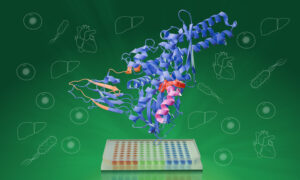
EMBL scientists improve a protein analysis technique, significantly expanding its use and making it 100 times faster – a development that could accelerate drug discovery and fundamental biological research.
SCIENCE & TECHNOLOGY2025
science-technology

UniProt, the data resource for protein sequence and function information, is making major changes to its proteomes resource and to the UniProt Knowledgebase. UniProt has developed a new workflow that selects at least one reference proteome for each species, which best represents the protein…
2025
updates-from-data-resources
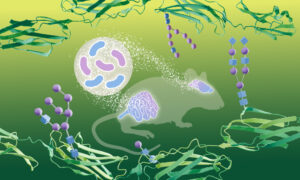
Scientists have discovered that gut bacteria can alter molecular signatures in the brain, using a brand new method to study how carbohydrates modify proteins.
SCIENCE & TECHNOLOGY2025
science-technology
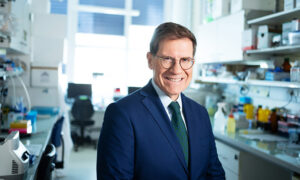
Lennart Philipson Award recipient Giulio Superti-Furga discusses the scientific achievements he's most proud of, the importance of entrepreneurship, and why he had his personal genome sequenced.
PEOPLE & PERSPECTIVES2024
people-perspectives
Employing a library of more than 1,000 chemicals, EMBL researchers and collaborators investigated how agrochemicals affect insect populations.
SCIENCE & TECHNOLOGY2024
science-technology
The dynamic world of proteomics is shaping the future of personalised medicine, but some obstacles stand in the way
SCIENCE & TECHNOLOGY2024
perspectivesscience-technology

Streamlining proteomics data access for machine learning applications.
2024
sciencetechnology-and-innovation
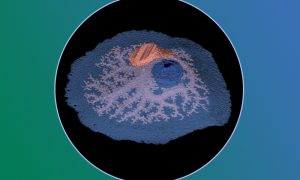
Sponges lack muscles and neurons. Yet, they make coordinated movements. Scientists at EMBL Heidelberg have discovered that sponge movement is controlled by an ancient ‘relaxant-inflammatory’ response that is also present in vertebrate blood vessels. The findings shed light on sponge physiology…
SCIENCE & TECHNOLOGY2024
sciencescience-technology
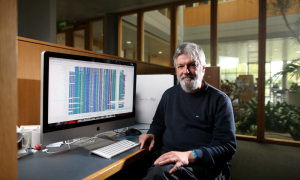
Desmond Higgins, 2023 Lennart Philipson Award winner, discusses his time at EMBL and his research developing sequence alignment tools.
EMBLetc2023
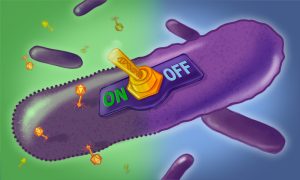
EMBL researchers now understand the function of an elusive small DNA in bacteria and have developed a tool that can be used to better understand what might ‘switch on’ bacterial immune defences.
SCIENCE & TECHNOLOGY2022
sciencescience-technology

New Expression Atlas release features differential-proteomics and baseline-proteomics experiments in collaboration with the PRIDE team at EMBL-EBI. This also includes new baseline DIA proteomics experiments as well as new differential proteomics datasets. To improve reproducibility,…
2022
updates-from-data-resources
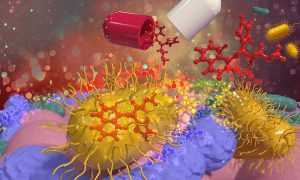
A new collaborative study led by EMBL group leaders Kiran Patil, Nassos Typas, and Peer Bork has found that common medications accumulate in human gut bacteria. This process reduces drug effectiveness and affects the metabolism of common gut microbes, thereby altering the gut microbiome.
SCIENCE & TECHNOLOGY2021
sciencescience-technology
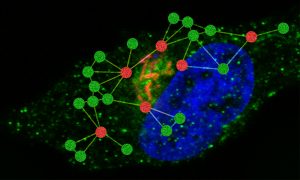
Research in the Typas group uncovers new details of the strategies Salmonella uses to survive in infected cells.
SCIENCE & TECHNOLOGY2021
sciencescience-technology
EMBL group leaders Julia Mahamid, Anna Kreshuk & Jonas Ries awarded Chan Zuckerberg Initiative grant to advance what we see inside cells.
LAB MATTERSPEOPLE & PERSPECTIVES2021
lab-matterspeople-perspectives
EMBL and the Swedish Science for Life Laboratory sign agreement to advance science together.
CONNECTIONSLAB MATTERS2021
connectionslab-matters
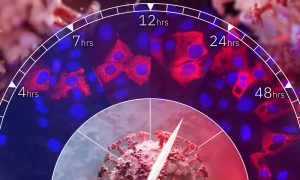
A team of EMBL scientists and colleagues have analysed how the novel coronavirus affects proteins in human cells. They identified several human proteins as potential drug targets to prevent viral replication.
SCIENCE & TECHNOLOGY2021
sciencescience-technology
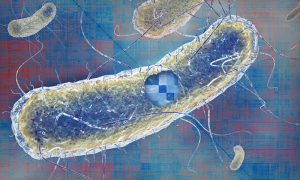
A new paper from EMBL’s Savitski team and Typas group describes their work on E. coli and how it brings a greater understanding of the way genes function and interact.
SCIENCE & TECHNOLOGY2020
sciencescience-technology
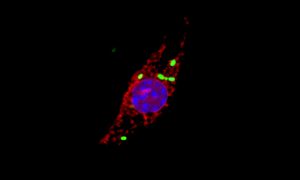
Scientists including members of EMBL’s Typas group have investigated how immune cells called macrophages respond to infection by the intracellular pathogen Salmonella enterica. They discovered that Salmonella causes newly produced cathepsins to accumulate in the nuclei of infected cells to…
SCIENCE & TECHNOLOGY2020
sciencescience-technology
EMBL researchers are studying how drugs that have shown good results against COVID-19 work in living cells
SCIENCE & TECHNOLOGY2020
sciencescience-technology
EMBL scientists identify drug targets in blood and organs
SCIENCE & TECHNOLOGY2020
sciencescience-technology
The naked mole-rat as a model organism in ageing research
PEOPLE & PERSPECTIVES2019
alumnipeople-perspectives

Scientists develop technology to measure how ATP concentration affects protein solubility in cells
SCIENCE & TECHNOLOGY2019
sciencescience-technology
EMBL scientists investigate how bacteria melt to study their reaction to drugs
SCIENCE & TECHNOLOGY2018
sciencescience-technology

ERC grantee Edward Lemke shares his vision for the next ten years
SCIENCE & TECHNOLOGY2017
sciencescience-technology
ERC grantee Detlev Arendt shares his vision for the next ten years
SCIENCE & TECHNOLOGY2017
sciencescience-technology
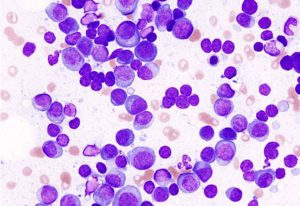
Side-effects of leukaemia drug explained, reveal possibility of repurposing to treat other diseases
SCIENCE & TECHNOLOGY2016
sciencescience-technology
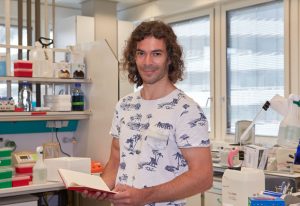
New head of Proteomics Core Facility also runs stability proteomics lab
PEOPLE & PERSPECTIVES2016
people-perspectivesscience

EMBL alumnus Angus Lamond is driving forward new ways to explore the proteome
PEOPLE & PERSPECTIVES2016
alumnipeople-perspectives

New Christian Boulin Fellowship: 15 awards of up to €1500 for visitors to EMBL’s Core Facilities.
LAB MATTERS2015
lab-matters
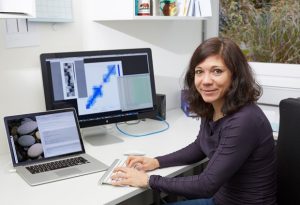
Whether it’s information or people, the art of connecting is key to new group leader Judith Zaugg
PEOPLE & PERSPECTIVES2014
people-perspectivesscience
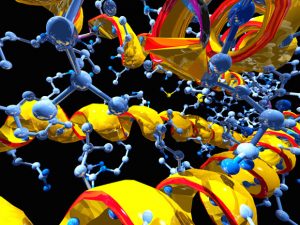
Cell biologists "underestimate the complexity" of protein interactions, says Toby Gibson.
SCIENCE & TECHNOLOGY2014
sciencescience-technology

A new EMBL-EBI biomedical initiative works to determine the best target proteins for new drugs.
CONNECTIONSLAB MATTERS2014
connectionslab-matters
Three papers published by EMBL scientists and their collaborators will make it much easier to share and compare information from large-scale proteomics data. The papers are published in Nature Biotechnology on 8 and 26 August. As the quantity of available biological information and the use of…
LAB MATTERS2007
lab-matters
The European Bioinformatics Institute and Flanders Interuniversity Institute for Biotechnology (VIB) – Ghent University have launched the PRoteomics IDEntifications database (PRIDE). PRIDE allows researchers who work in the field of proteomics – the large-scale study of proteins – to…
CONNECTIONSLAB MATTERS2005
connectionslab-matters
No results found