Edit

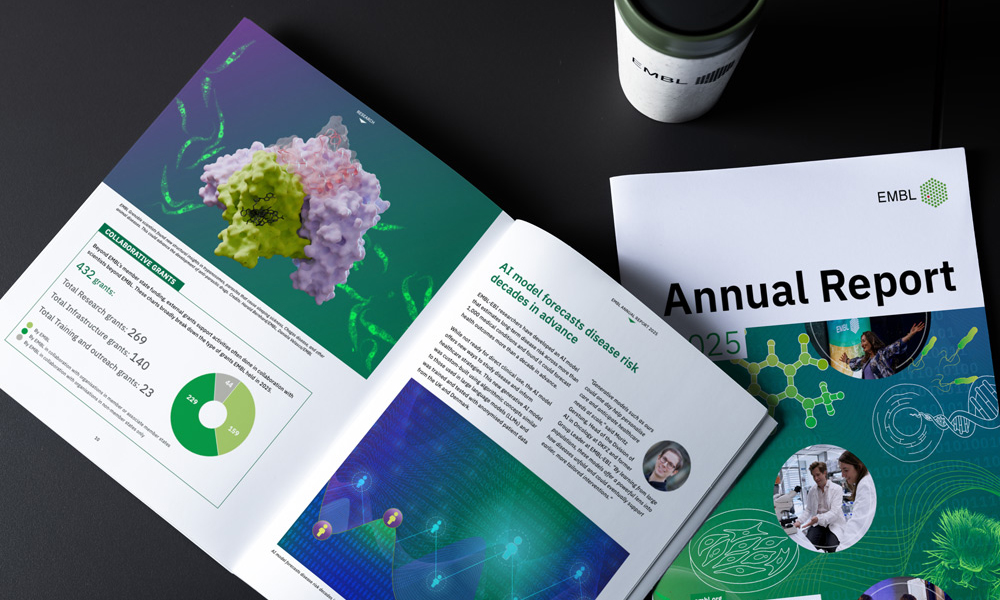
Annual Report 2025

Integrating European Life Sciences

To foster collaboration between scientific communities in Europe and around the world

EMBL is engaged in relations with numerous institutions in its member states and beyond, maintaining and fostering close relations and dialogue with the scientific communities and government representatives.

With its strong focus on scientific excellence, and through these trusted networks, EMBL forms the basis for successful multi-level science diplomacy.
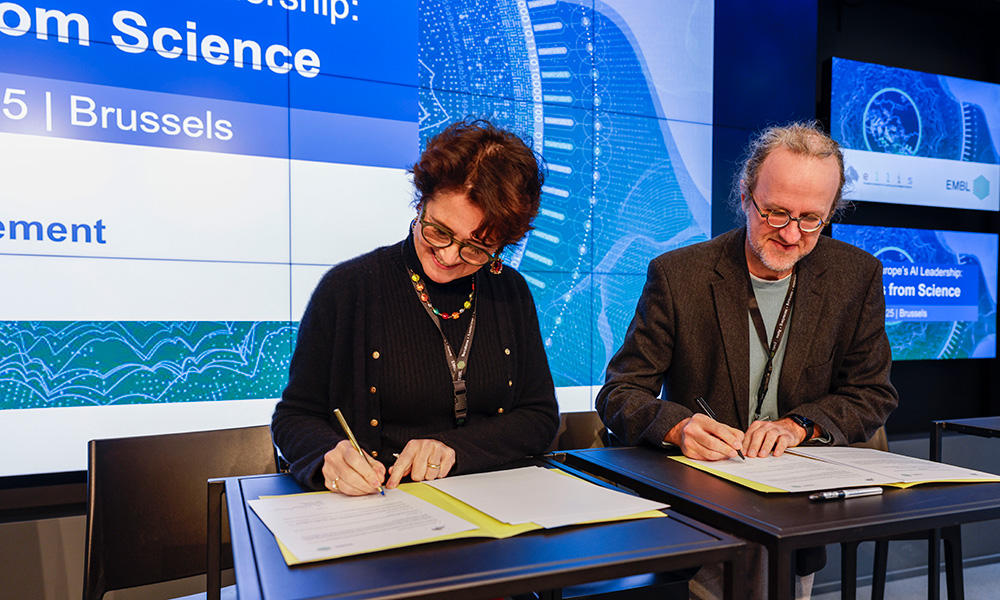

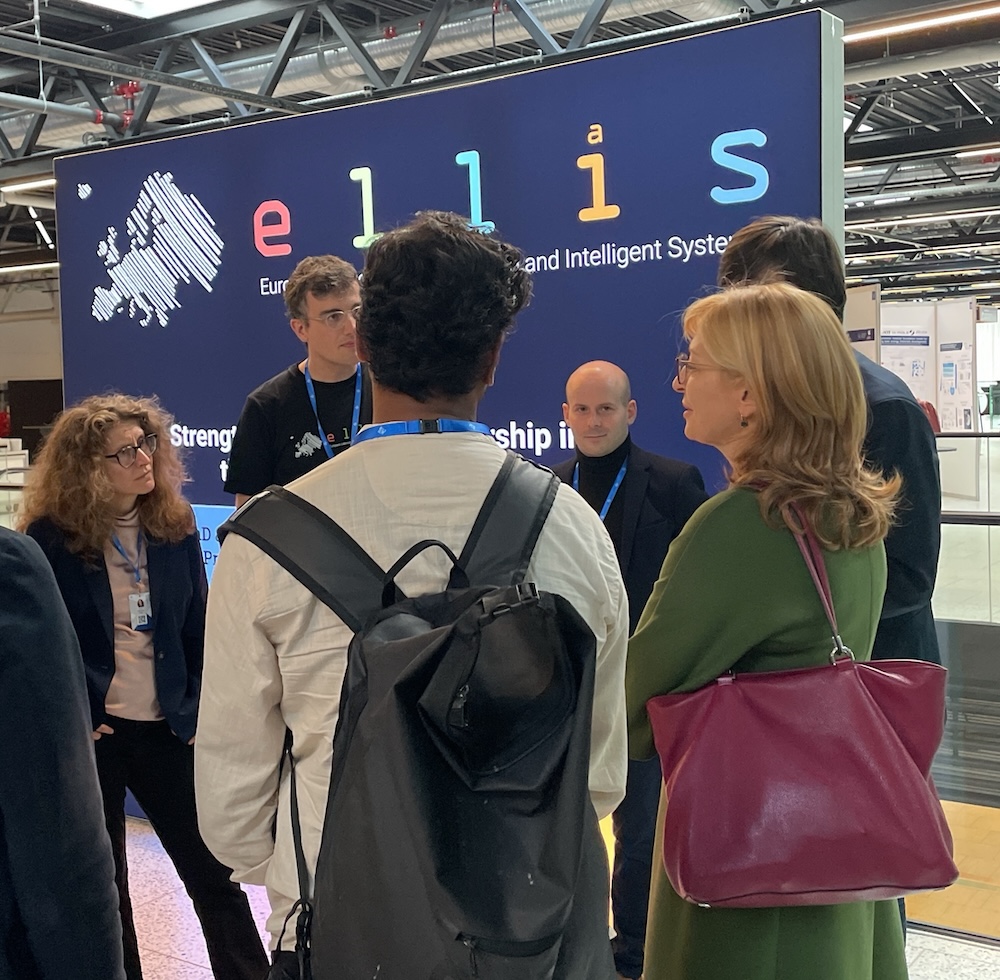
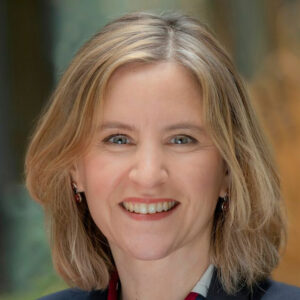
By building advanced AI-based approaches to science and fostering collaboration across Europe, EMBL is paving the way for new discoveries. We look forward to deepening the partnership between EMBL and ELLIS and driving interdisciplinary research.

— Serge Belongie, Professor of Computer Science, University of Copenhagen, and Board President, European Laboratory for Learning and Intelligent Systems (ELLIS)

Developing AI capacity for European life sciences

Alongside the European Commission and other European partners, EMBL explored ways for AI to advance life-science research. EMBL solidified its collaborative role with the European Laboratory for Learning and Intelligent Systems. And the Hector Foundation committed important new support to transformative key EMBL AI initiatives.

I think true collaboration means you actually get together, and you use each other’s expertise to achieve something more – one plus one equals three. Europe is an amazing place for science. There are many places with unique expertise. I think EMBL has a central role there because it’s a Europe-wide institute with a mission across all its member states.

– Geert Kops, director of the Hubrecht Institute

Strengthening science through global collaboration

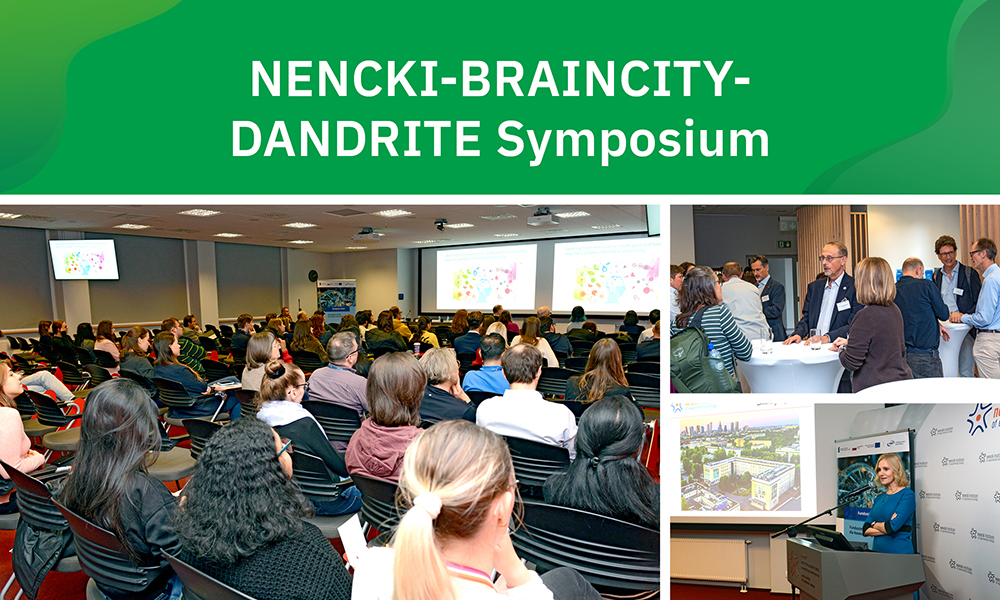
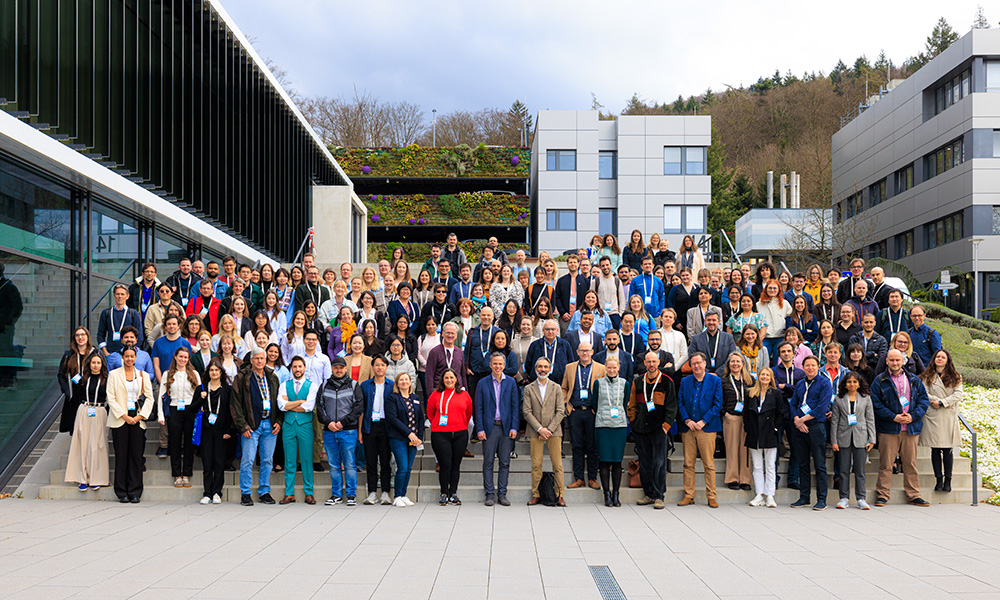
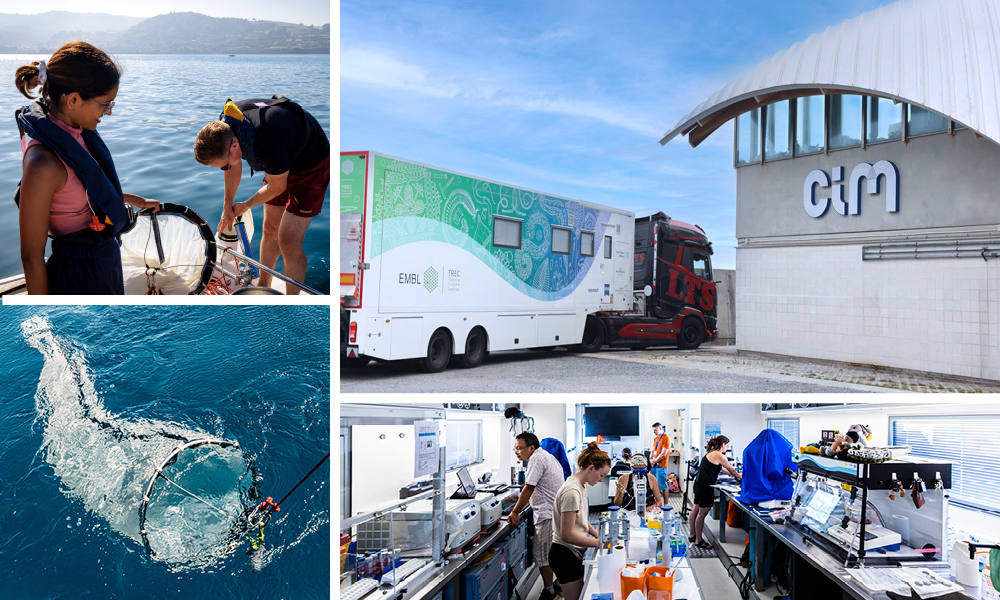
EMBL and the Marine Research Centre at the University of Vigo, Spain, came together for a project that includes red tide research. EMBL’s Polish partners, along with Nordic collaborator DANDRITE, met jointly to explore ways to strengthen scientific networks. The fifth EMBL Partnership Conference brought together EMBL partners specifically to explore how AI can drive innovation in One Health.

Connecting deeper, reaching further

A new initiative will empower scientists in Poland with more opportunities to benefit from EMBL membership, including with Denmark’s researchers.

“We aim to work with EMBL to capture the complex effects of various pollutants on biodiversity and ecosystems in the Rhine. Our goal is to understand exactly what happens at the microbial level so that protective measures can be tailored in a more targeted and evidence-based way – embedded within a European scientific framework.”

– Katrin Eder, Climate Protection Minister of Rhineland-Palatinate

Fortifying ties to member states

EMBL’s TREC initiative began a pilot project on the Rhine River. EMBL formalised its relationships with Australian research entities to encourage collaboration in bioinformatics and related activities. An event with prospect member state Bulgaria showcased collaborative opportunities.

A stronger Australia-Europe link

Australian BioCommons, Bioplatforms Australia, and EMBL signed a formal agreement to encourage collaboration in bioinformatics and related activities.

TREC heads down the Rhine

Through its TREC programme, EMBL initiated sampling in the Rhine River to investigate undetermined microbial diversity, the impacts of pollutants, and antibiotic resistance.


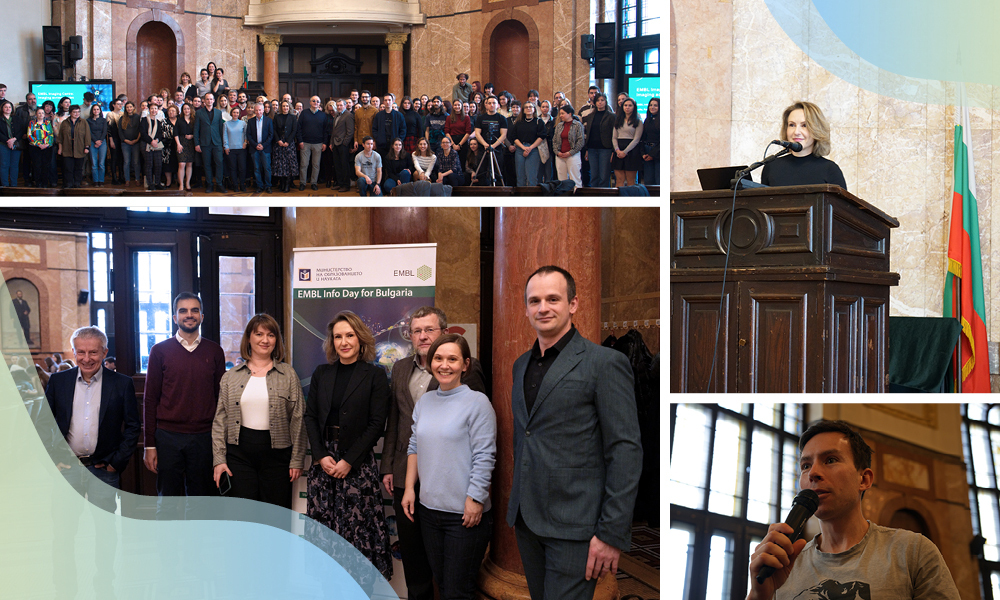
It’s EMBL Day in Bulgaria!

An info-sharing event showcased increasing opportunities available to Bulgarian scientists in EMBL’s newest prospect member state.

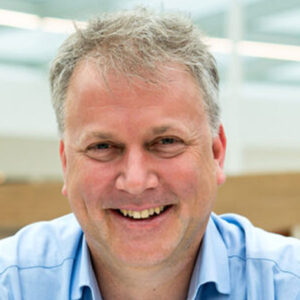
“We highly value collaborative work with our partner organisations, which is more important for European and global science than ever before. We look forward to steering fruitful discussions and actions that reaffirm the importance of EIROforum as a critical asset for European discovery-driven research, innovation, and competitiveness.”

– Ewan Birney, while serving as EMBL Interim Executive Director, on EMBL assuming the role of EIROforum Chair

Leading the way in European science

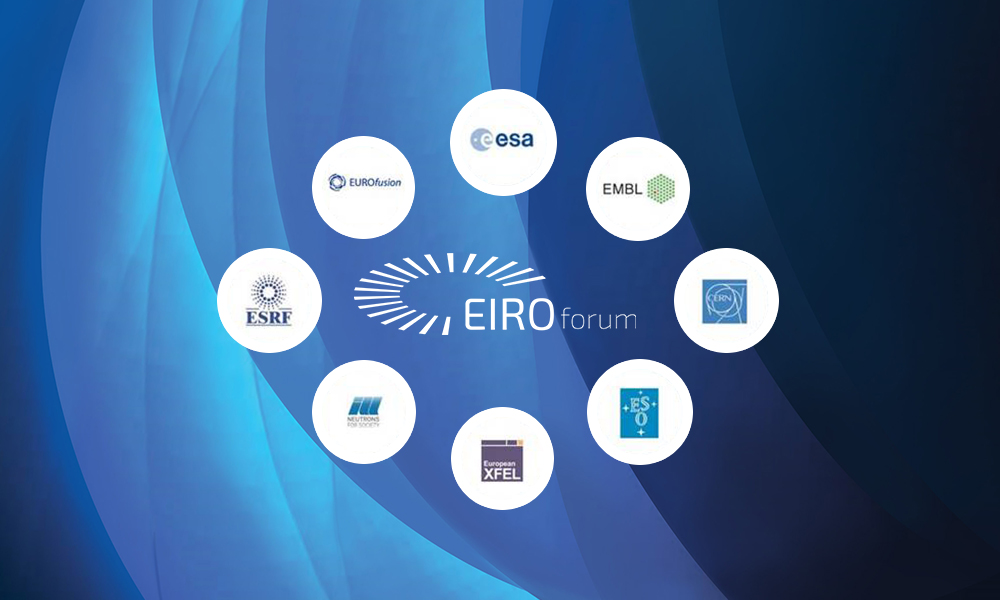
In 2025, EMBL started its term of chairing the EIROforum presidency. EMBL also submitted expert advice on key priorities to the European Commission’s strategies for research infrastructures and life sciences.

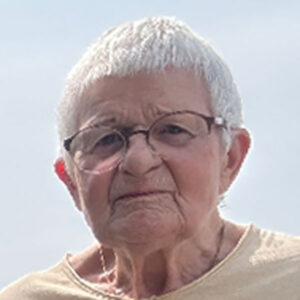
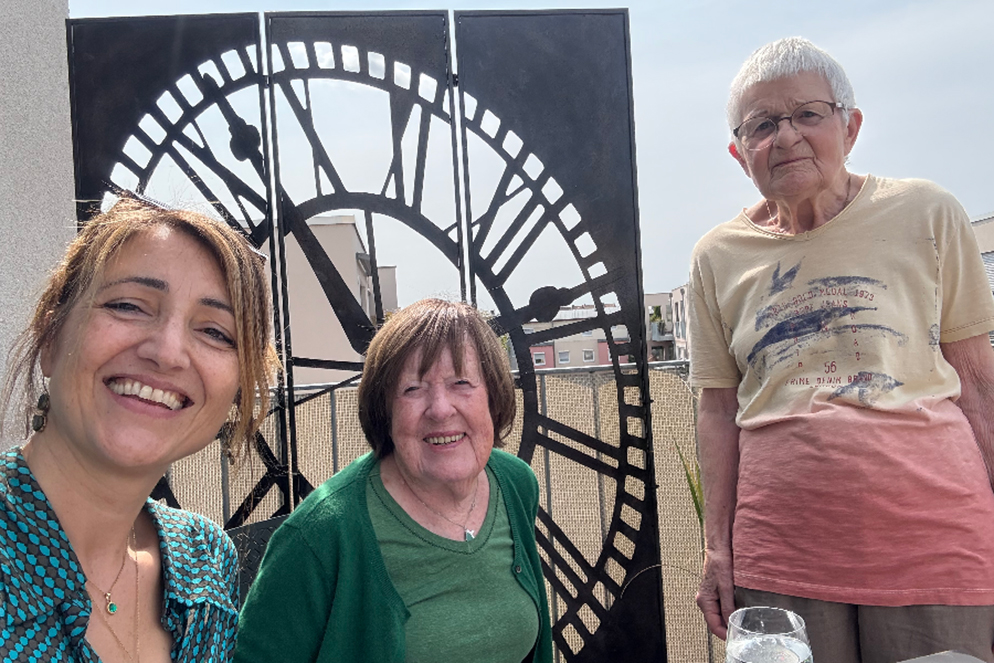
Supporting a Lecture in the name of Fotis Kafatos is deeply personal and a way to give something back to the community that shaped my life.”

— Waltraud Ackermann, former Personal Assistant to EMBL’s first three Directors General — Sir John Kendrew, Lennart Philipson, and Fotis Kafatos. In 2025, she made a generous donation to sustain the Kafatos Lecture while EMBL seeks a long-term donor.

Demonstrating EMBL’s impacts in alumni actions

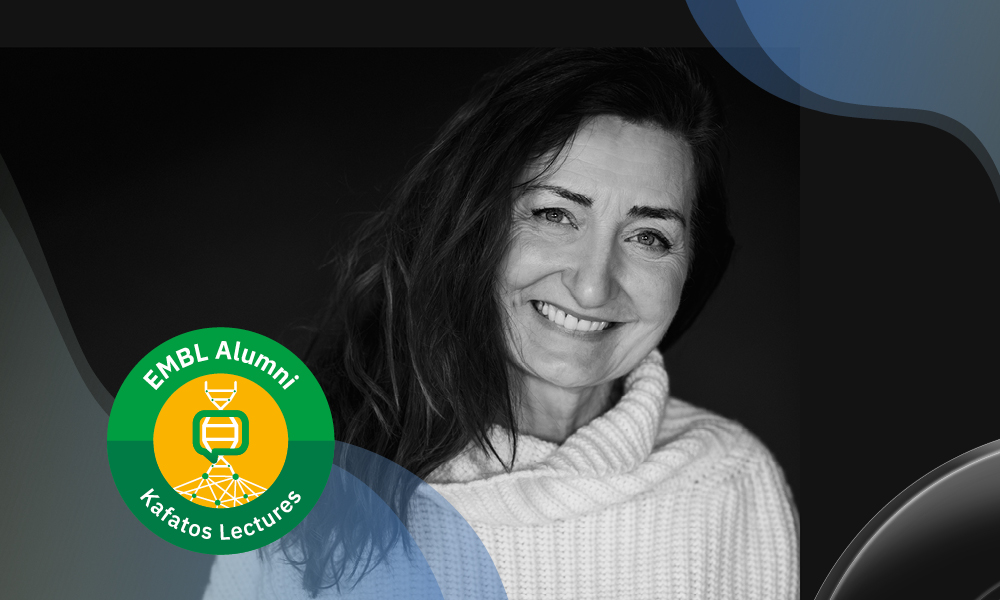
A new donation from alumna Waltraud Ackermann supported the Kafatos lecture this year, which once again brought world-class life sciences and scientists to the wider public, such as the 2025 speaker, Nobel Laureate May-Britt Moser. The 2025 alumni award recipients represented the continuing excellence seen in the work of EMBL alumni.

Integrating European Life Sciences in numbers

EMBL Alumni Relations 

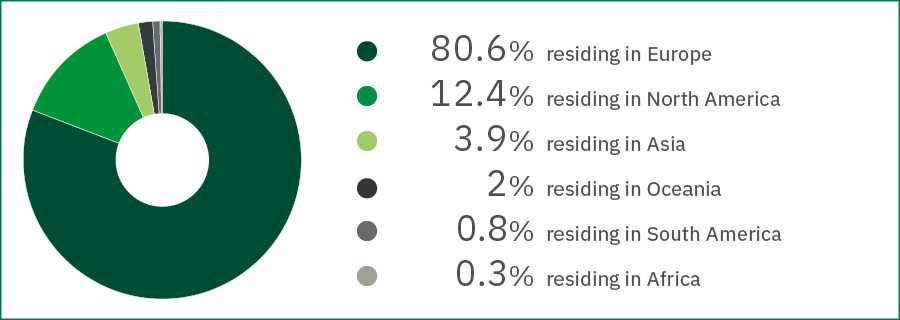
EMBL’s 6,006 alumni are a network of highly trained scientists and other professionals who bring the EMBL model of research to other institutions and help connect local scientific communities to EMBL. Approximately 2,212 of whom engaged in activities and initiatives across EMBL sites as ambassadors, participants, volunteers, and donors.

Pie chart showing: 80,6% residing in Europe
3,9% residing in Asia
0,3% residing in Africa
2% residing in Oceania
12,4% residing in North America
0,8% residing in South America
Edit