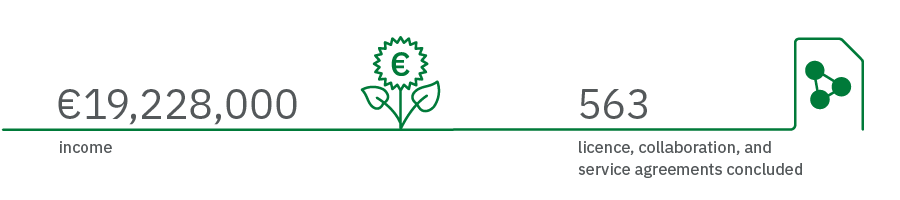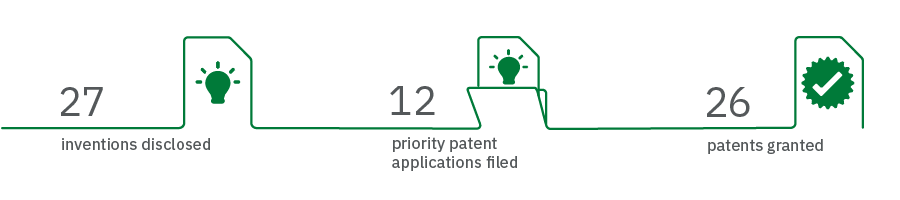
EMBL’s tech transfer arm, EMBLEM, is pivotal to that success as it helps with technology transfer, licensing, and other contracts.

“There is an urgency for safety information on common drugs – those used for hypertension, cancer treatments, epilepsy, migraine, or common cold and flu. Animals are not good substitutes for safety testing on the human placenta, both for ethical and physiological reasons. A human model is desperately needed, and we aim to provide that with Model-MI.”
– Marta Cherubini, former research scientist of the Haase Group at EMBL Barcelona, now Lead Scientist of Model-MI, a project aiming to address the drug-safety gap in pregnancy
A new spin-off, Cerelexis, from EMBL Grenoble leveraged new insights into plant biology for more efficient crop protection. Umlaut.bio, an EMBL start-up from EMBL Heidelberg, has found an important niche in drug development. And EMBL Barcelona researchers were awarded a BII foundation grant that enabled them to further develop their placenta-on-chip technology.
A new EMBL spin-off leverages new insights into plant biology for more efficient crop protection.
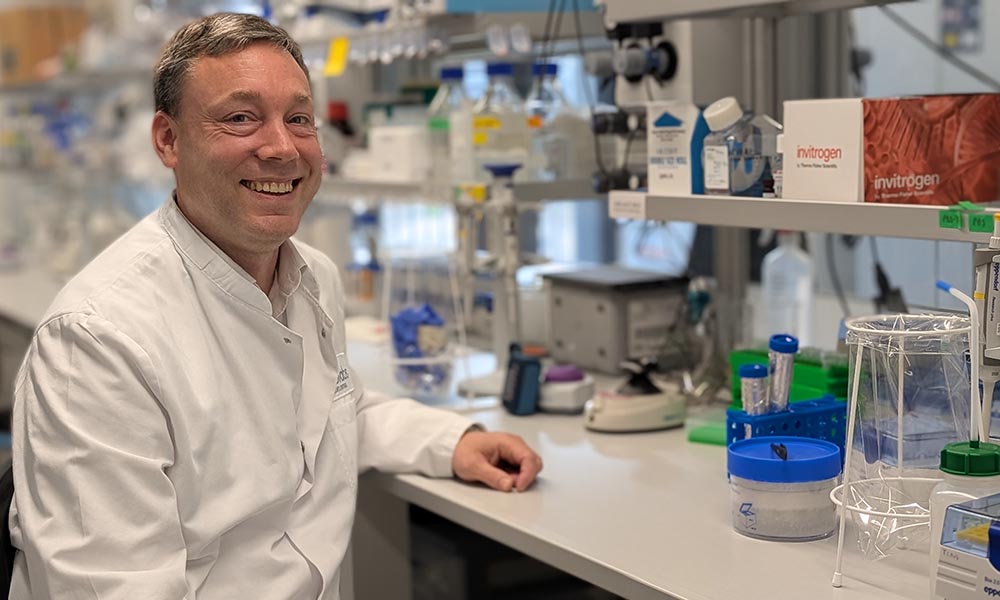
Alumnus Bastian Linder discusses his start-up’s origin and how a tRNA mechanism could play a role in treating disease.
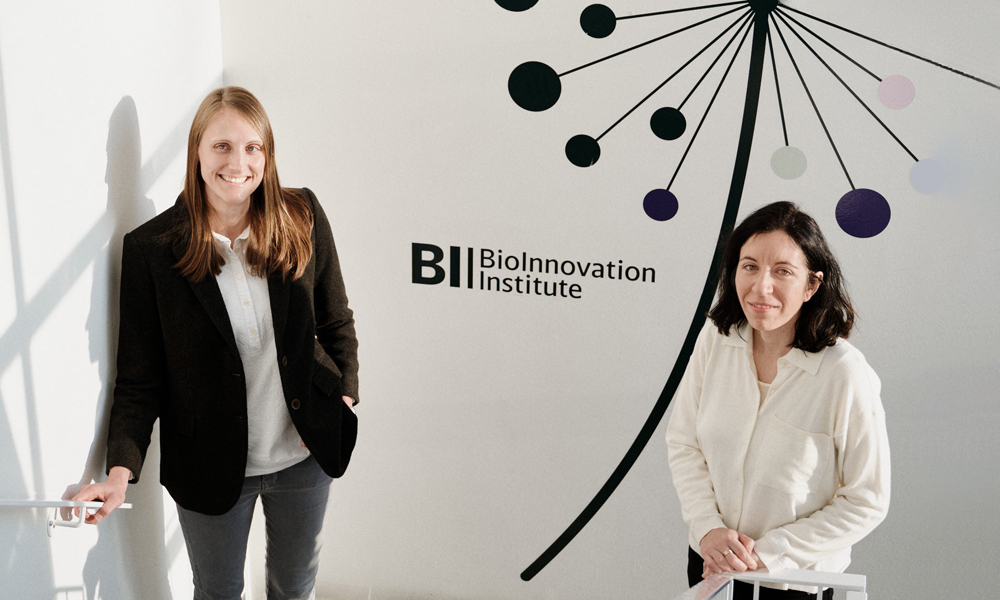
With a BII foundation grant, EMBL Barcelona researchers developed an in vitro model that offers a safer way to test drugs and vaccines during pregnancy.
“What makes EMBL-EBI’s Industry Programme so valuable is that it helps accelerate innovation, not just for our industry partners but also for EMBL-EBI and the wider scientific community, all while reducing duplication of effort.”
– Jana Broecker, EMBL-EBI Senior Scientific Officer in the Industry Partnerships team
EMBL-EBI and Google DeepMind renewed their partnership and released an update to the AlphaFold Database. EMBL-EBI’s Industry Partnerships team continued to facilitate impactful bioinformatics collaborations and knowledge exchange with the commercial sector, and the EMBL Corporate Partnership Programme welcomed Illumina as its 18th member. DECIPHER made available a new method for building growth charts for children with rare diseases to help clinicians and families understand child development.
Working as as ‘matchmakers’, this team brings together the right people from both sides to address shared challenges in bioinformatics and data sciences.
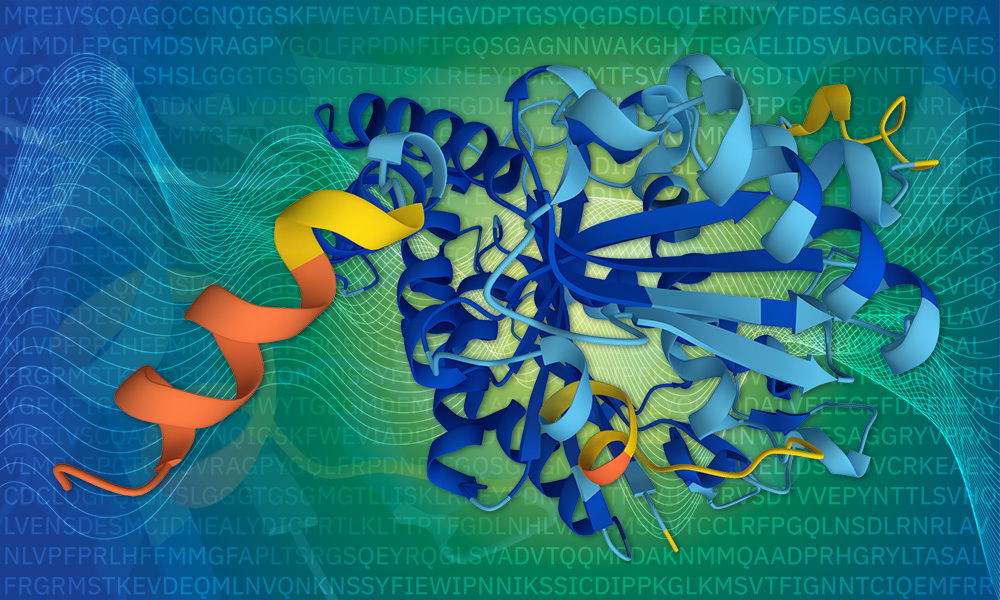
The landmark partnership grew even more with a significant update that synchronises AlphaFold with the latest protein sequence data in EMBL-EBI’s UniProt.
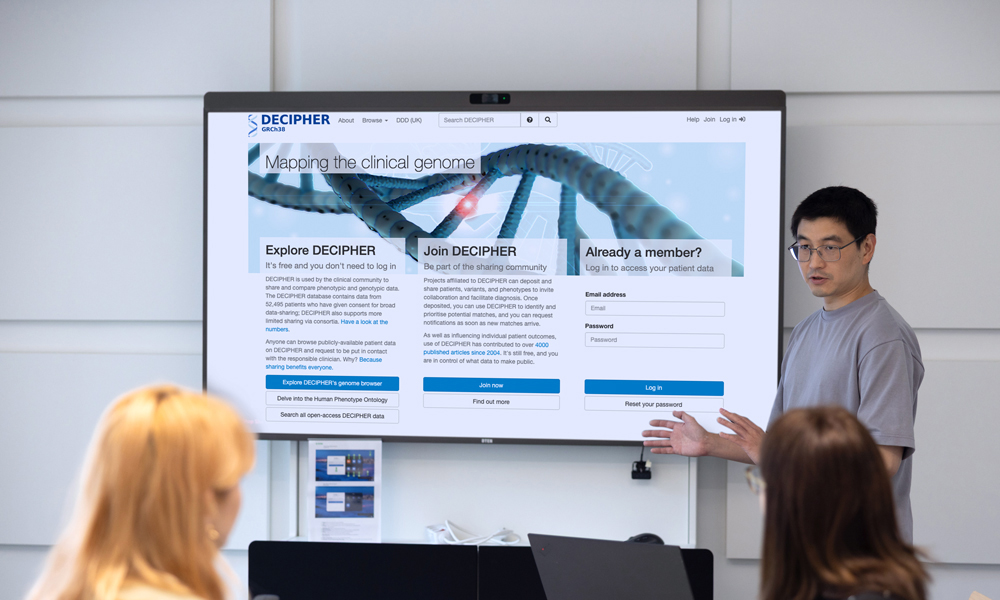
The condition-specific charts reveal how growth patterns differ for children with certain rare diseases and are accessible to clinicians and researchers.
EMBL’s innovation and translation activities include industry collaborations, public-private partnerships, forums for knowledge exchange, invention disclosures, and creation of spin-off companies. EMBLEM, EMBL’s technology transfer arm, enables much of this, and in 2025, it helped develop and conclude collaborations between 49 industry partners and 32 EMBL scientists.