Edit

Annual Report 2025

Research

To perform fundamental research in molecular biology

EMBL’s research aims to understand the basis of life at a molecular level and in the context of different environments.

Its researchers develop innovative techniques and technologies as part of this process. In the current programme, seven overlapping themes facilitate collaborative, impactful work. 

Seven cross-cutting research themes offered significant, diverse findings and milestones in 2025: molecular building blocks, multicellular dynamics, microbial ecosystems, infection biology, human ecosystems, planetary biology, andTheory@EMBL.

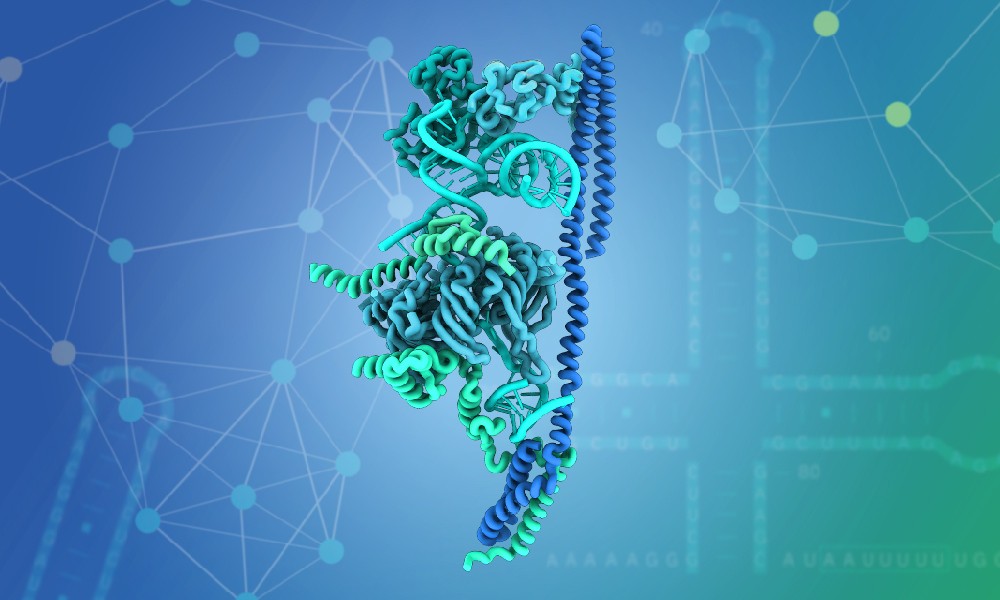
Our long-term goal is to understand how this entire pathway works at the molecular level, and we hope that this and future work will contribute to a better understanding of the molecular basis of genetic disorders associated with the components of the minor spliceosome. This could ultimately lead to new therapeutic applications.

— Wojciech Galej, Group Leader at EMBL Grenoble

Molecular Building Blocks

EMBL research delves into cellular function and subcellular components to systematically determine how responses to a changing environment are mediated at the molecular level. Among the many advances this year within this theme, EMBL Hamburg scientists developed an improved way to measure certain properties of ‘shapeless’ proteins involved in diseases like Alzheimer’s and Parkinson’s.

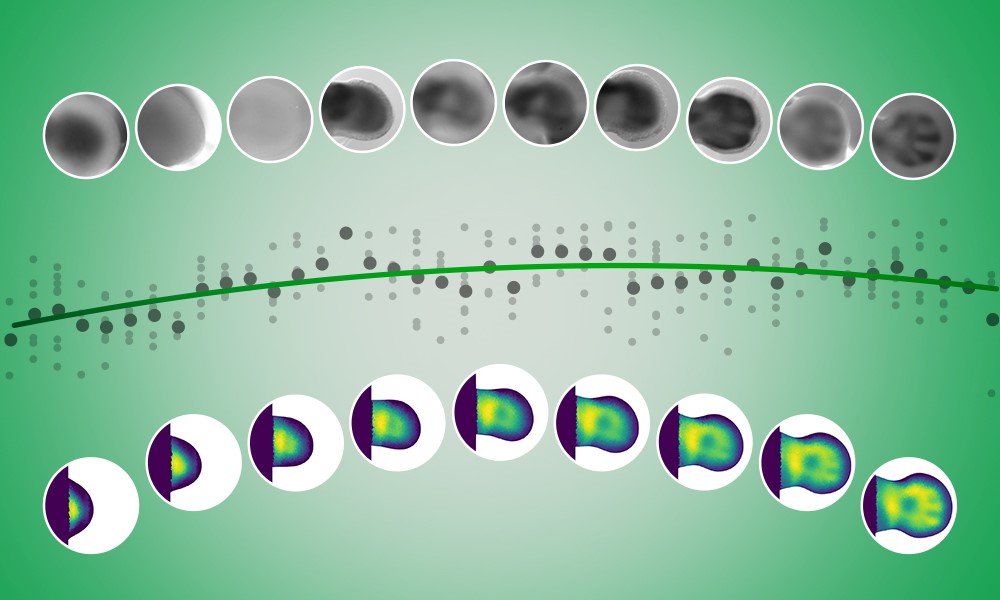
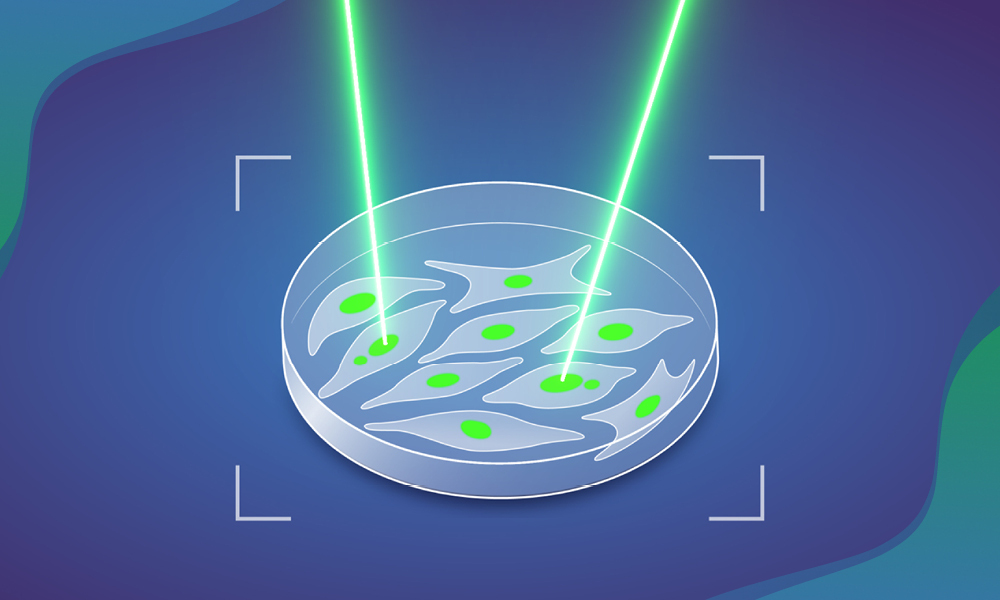
“Our method addresses one of the most frustrating aspects of developmental biology: the inability to visualise gene expression changes dynamically. Even more importantly, we achieved this without requiring additional data collection.”

— Laura Aviñó-Esteban, Predoctoral Fellow of the Sharpe Group, EMBL Barcelona

Cellular and Multicellular Dynamics

EMBL aims to unravel the impact of genetic and environmental variations in living systems and to understand responses at the single-cell and multicellular levels. Applying a technique often used by video game developers, EMBL Barcelona scientists developed a new computational method to reconstruct embryonic development.

Having the ability to search all publicly available bacterial genomes in minutes changes what’s possible. If you’re developing a new antibiotic and discover a resistance mutation, you need to know how common it is in the real world. Now, for the first time, you can search over 2 million genomes – the entire global collection – in minutes to find out.

— John Lees, Group Leader at EMBL-EBI

Microbial Ecosystems

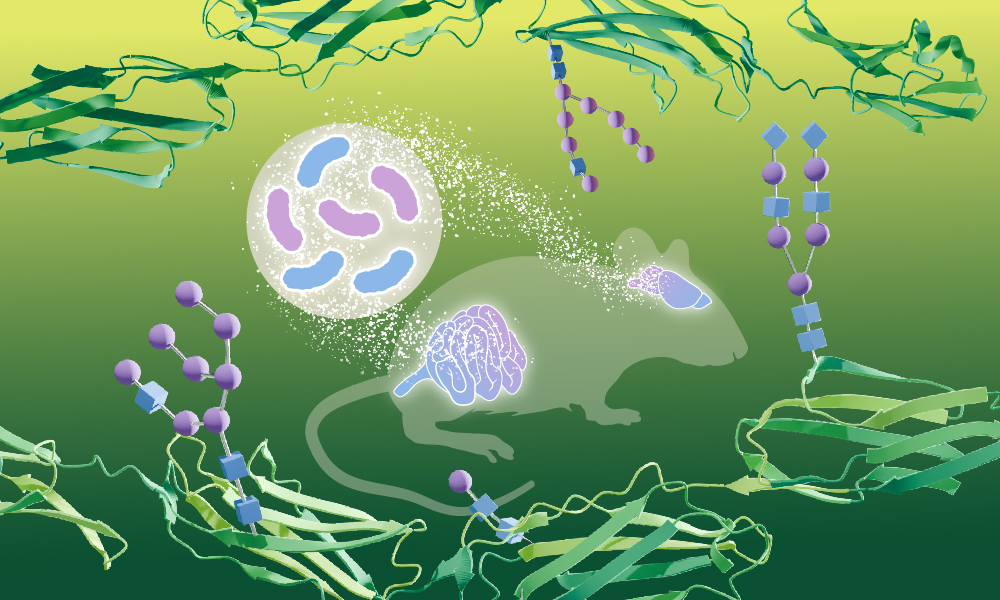
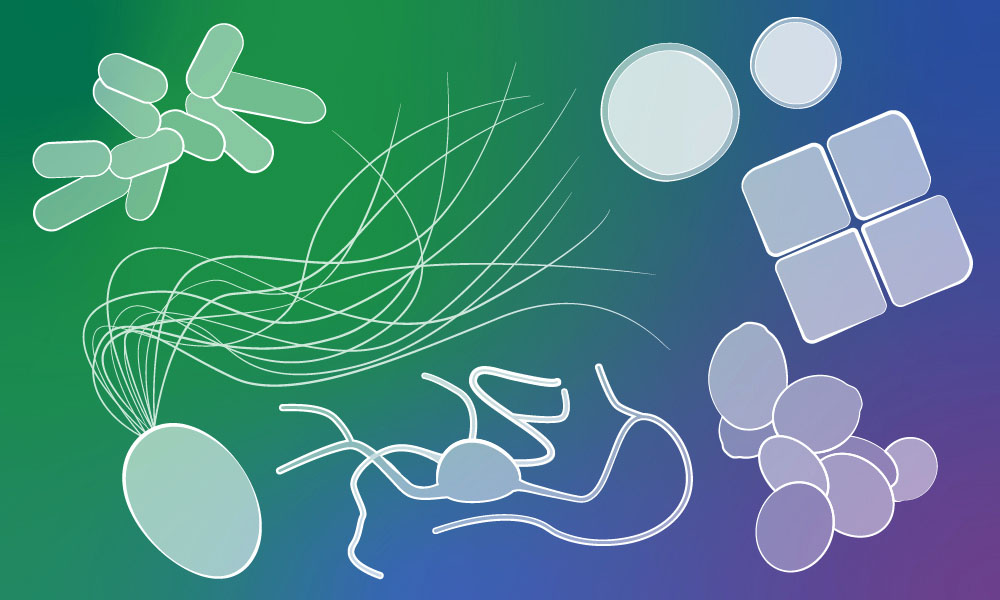
With an eye towards microbes that impact humans, this theme aims to generate the foundational knowledge that will enable us to modulate human microbial communities towards desired traits and compositions rationally. In 2025, scientists continued their intensive work to better understand gut microbiomes, including a new meta-analysis from EMBL Grenoble that utilised machine learning tools to explore the links between the gut microbiome and Parkinson's disease.

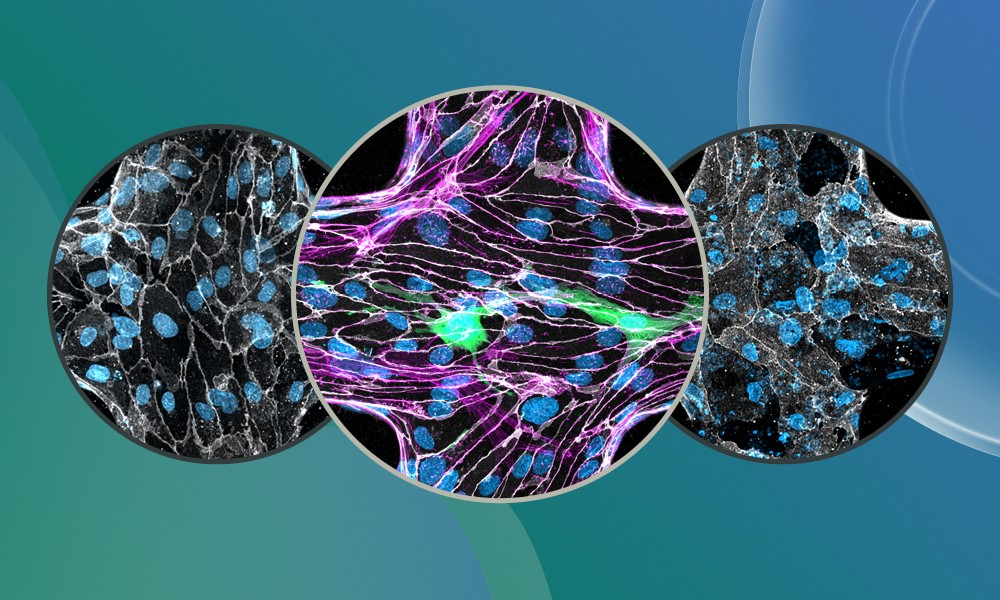
“Our 3D blood-brain barrier model is one of the most advanced to date, but we want to go further. Our next step is to include immune cells and additional cell types present in the brain, like microglia and neurons. This will enhance the complexity of the model to make it as similar as possible to the real brain.”

— Maria Bernabeu, Group Leader at EMBL Barcelona

Infection Biology

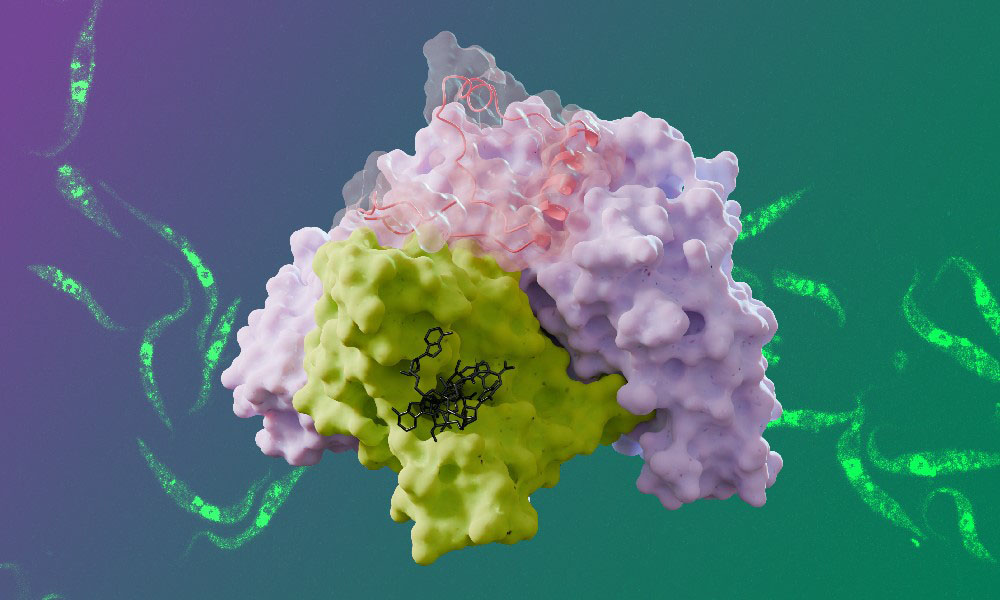
EMBL's Infection Biology theme aims to contribute to research on the biology and mechanisms of infection, as well as on diagnostics and treatment of infectious diseases. One of this past year's highlights came from EMBL Grenoble. Scientists there found new structural insights in trypanosomes, parasites that cause sleeping sickness, Chagas disease, and other animal diseases, that could advance the development of anti-parasitic drugs.

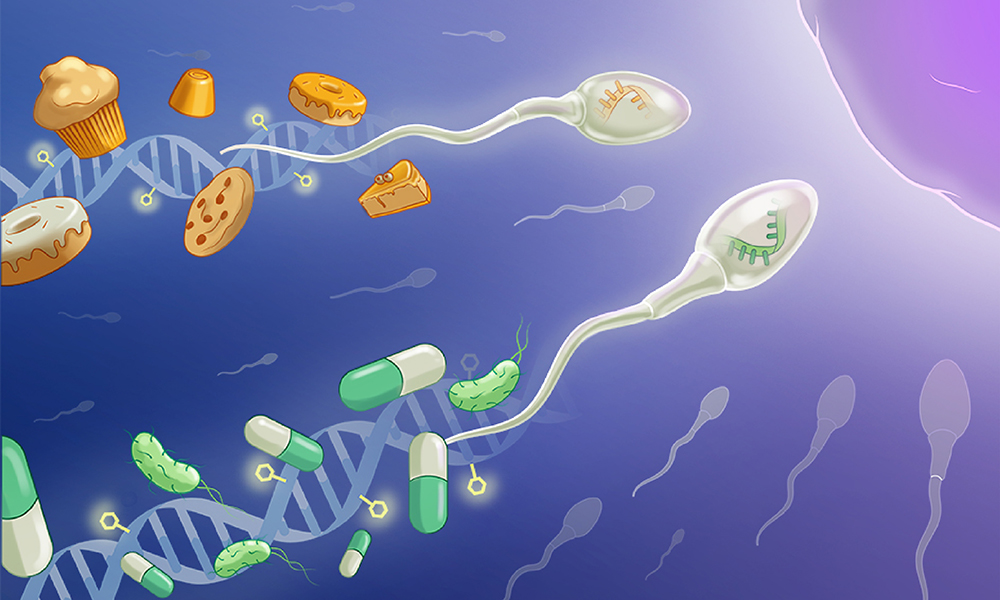
Our study represents a step toward understanding the mechanism of epigenetic inheritance, particularly through the paternal line.

— James Hackett, Group Leader, Deputy Head of Unit (EMBL Rome)

Human Ecosystems

Within this theme, EMBL scientists use rapidly expanding human datasets to explore the gene-environment interplay and its effects on human phenotypes. This transversal theme had some significant findings in 2025. Among them, EMBL-EBI bioinformaticians developed an AI model that can estimate the long-term risk of over 1,000 diseases and forecast human health changes more than a decade in advance.

Our research should help us understand the early evolution of life on Earth. It’s the kind of knowledge that also offers potential clues into our search for life on other planets, revealing how organisms might survive under the extreme conditions found there.

— Federico Vignale, Postdoctoral Fellow in the Garcia Alai Team at EMBL Hamburg

Planetary Biology

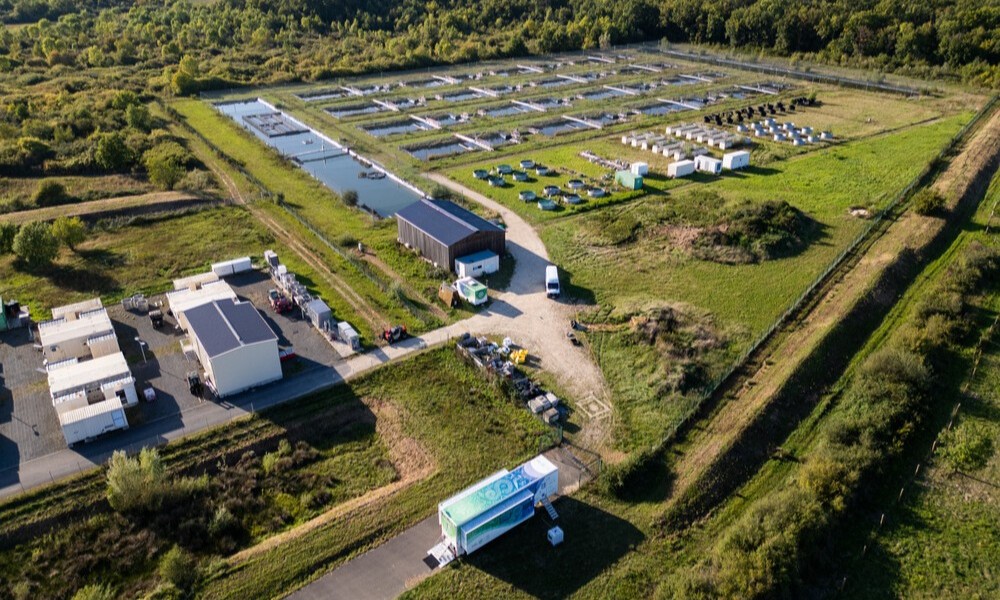
This research theme aims to understand – from molecule to population levels – how microbes, plants, and animals respond to each other and their environment. To this end, its flagship project, the TREC expedition, began a pilot project to move from coastal sampling to freshwater sampling. Additionally, several EMBL research groups became further engaged in using a powerful technique called expansion microscopy to peek deeper inside living organisms to better understand how they function.

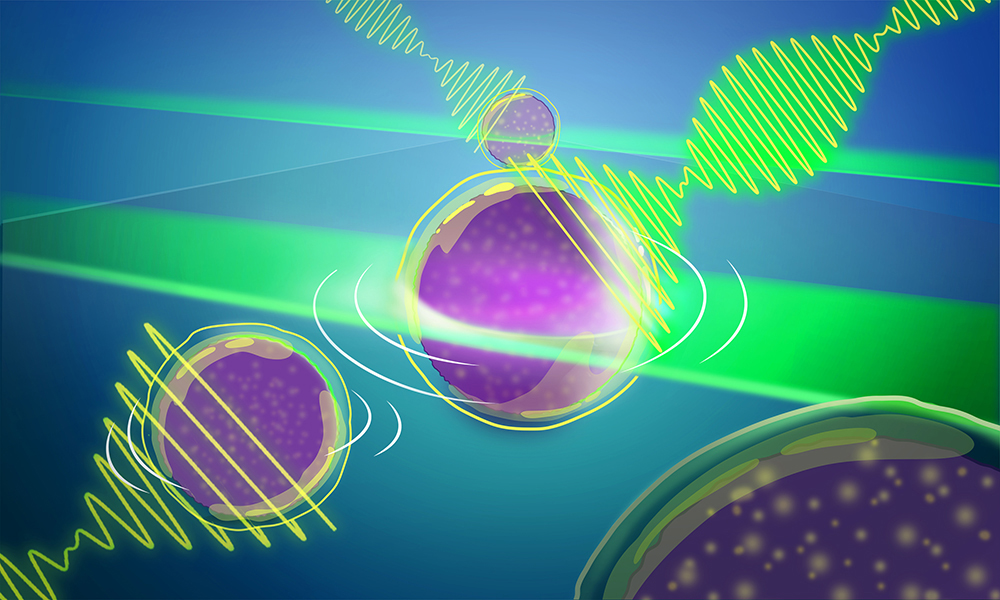
“Biology has solved problems that currently plague synthetic soft matter computation. Living systems can ‘compute’ in noisy, complicated environments without electronics. If we understand these physical rules, we can design synthetic materials that adapt or compute. Soft materials are also much easier to mesh with human tissue for medical applications than silicon chips.”

— Jenna Elliott, Predoctoral Fellow of the Erzberger Group at EMBL Heidelberg

Theory@EMBL

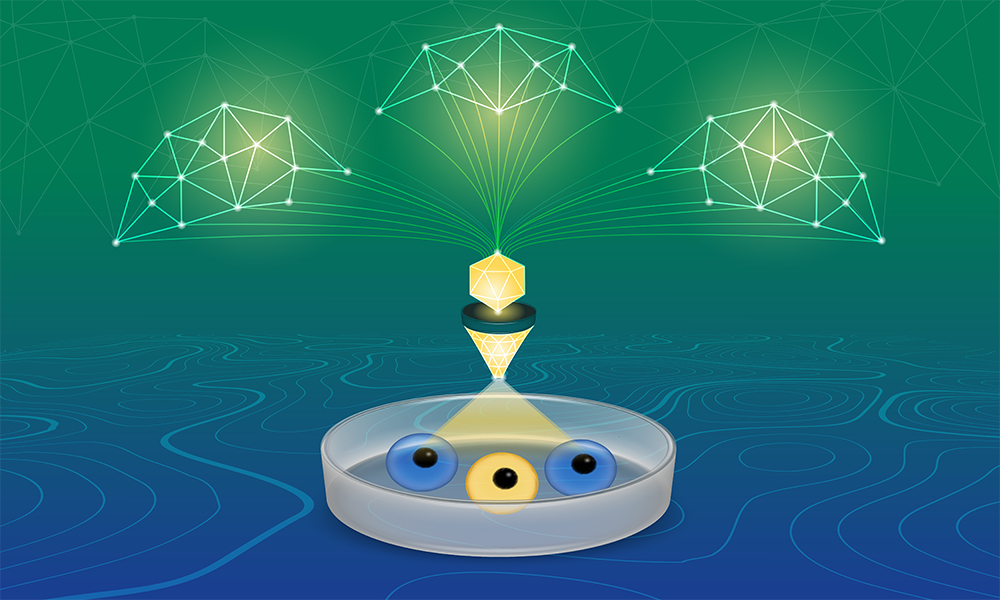
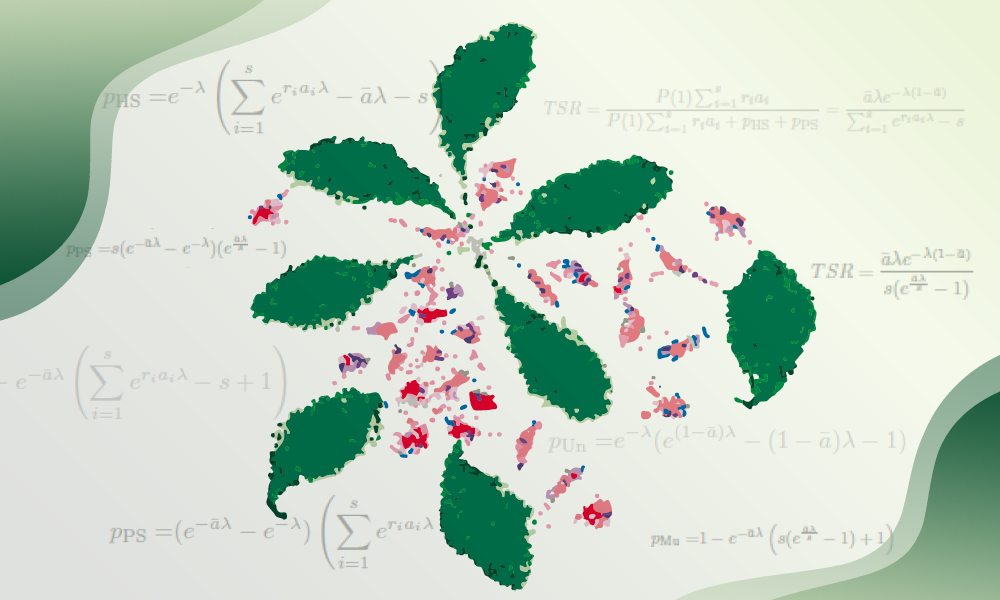
EMBL’s theory research programme promotes theory-guided paths to discovering, understanding, and conceptualising the underlying principles of complex and dynamic biological systems at all scales, from molecules to organisms to ecosystems. Insights from theoretical physics proved helpful for scientists to understand how living cells process information and use it to self-organise.

Research in Numbers

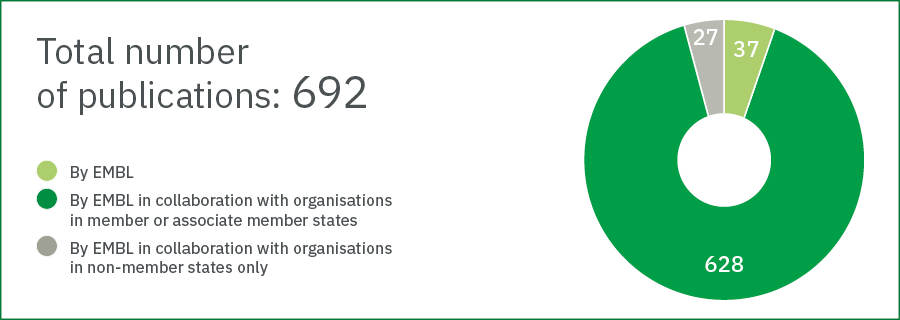
Collaborative scientific publications

In 2025, EMBL researchers produced 692 publications,
mostly in collaboration with scientists within EMBL member
or associate member states, as shown on this chart.

In 2025, EMBL researchers produced 675 publications, 628 in collaboration with Member states.

Collaborative grants

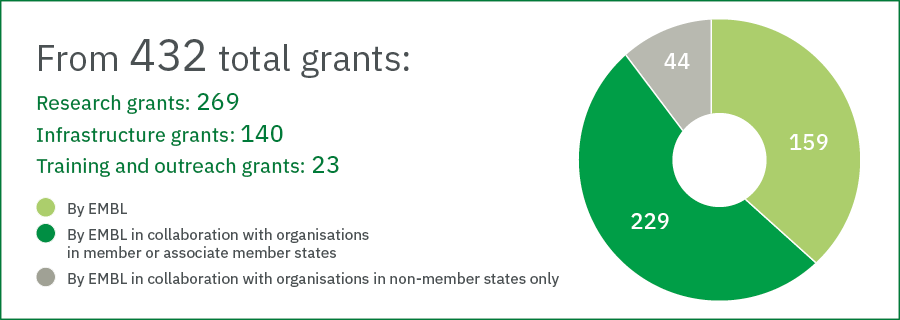
Beyond EMBL’s member state funding, external grants support activities often done in collaboration with scientists beyond EMBL. These charts broadly break down the type of grants EMBL held in 2025. 

432 grants (269 in research, 140 in infrastructure, 23 in training). Pie chart showing 159 grants by EMBL, 229 by EMBL with orgs in member states, 44 with others.

Edit