We are EMBL: Mathieu Schulz on coordinating science, and the music along the way
Mathieu Schulz reflects on his career transitions, his passion for connecting with people and the environment, and the role music plays in his everyday life
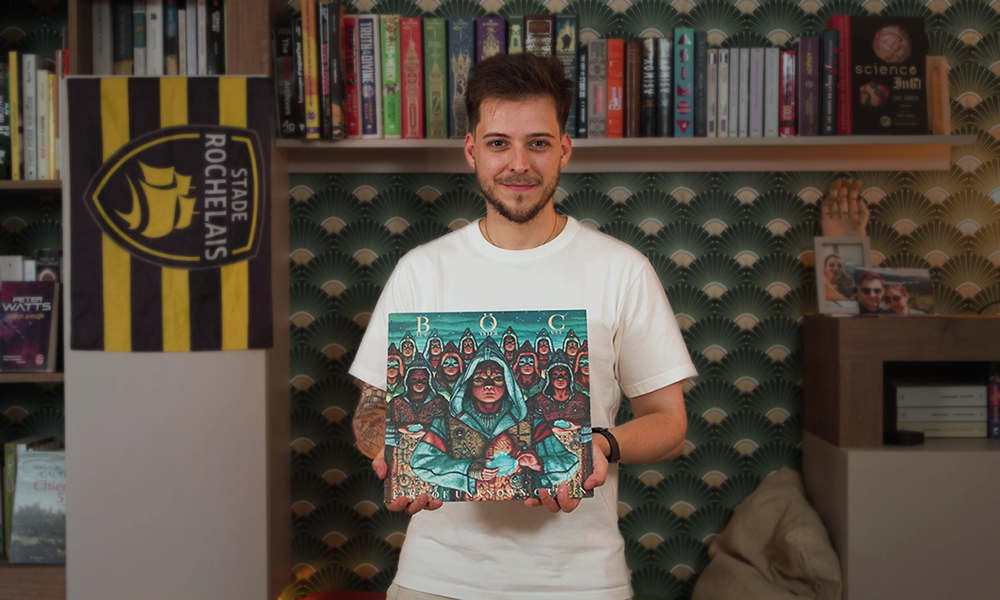
With a background spanning genetics, epigenetics, and computational biology, Mathieu Schulz has joined EMBL Rome as Project Coordinator for Lifecourse, a new EMBL initiative exploring how genes and the environment interact throughout life to shape health and disease.
In this interview, Schulz shares his journey from experimental biology to scientific coordination, his work with Lifecourse, and the role music plays as the soundtrack to his life and an integral part of his daily routine.
What is your professional background?
I originally trained as a geneticist before completing my PhD in Paris, where I studied epigenetic regulation during early development using mouse stem cell models.
I then moved to Montreal, Canada, for a postdoctoral position, where my research became increasingly computational. I focused on understanding how environmental factors, such as paternal health and body weight, can influence epigenetic information in sperm and potentially affect the next generation.
Over time, my interests evolved from experimental biology to data analysis, and eventually to coordinating larger scientific initiatives. As Project Coordinator of Lifecourse, I’m now bringing together many of the scientific questions and collaborative approaches that have shaped my career.
What is your role in the Lifecourse project?
The Lifecourse project sits at the intersection of many different research areas. My role is to help create the framework that allows scientists, facilities, and support teams from different disciplines to work together toward a common goal. That means connecting expertise across EMBL, coordinating new experimental approaches, and helping build resources that can benefit researchers in the future. I see my role as creating the conditions that enable large-scale collaborative science.
What fascinates me most is that biology is never static. Our experiences, environment, and lifestyle continuously influence how we develop, age, and respond to disease.
Through Lifecourse, we’re working to understand these long-term biological trajectories and the environmental factors that shape them.
Why did you choose to work at EMBL?
One of the things that attracted me to EMBL is its uniquely international and interdisciplinary environment. I’ve worked in different countries and across different areas of biology, and I’ve come to believe that science is strongest when it crosses both disciplinary and national boundaries.
Many of the questions that interest me most, particularly those related to health, ageing, and environmental influences, are simply too complex to be addressed from a single perspective. EMBL brings together people with very different expertise and backgrounds, creating an environment where ambitious ideas can flourish.
Tell me something nobody knows about you.
One thing that people might not know about me is that I tend to mark important moments in my life.
Just before starting my PhD, at a time when I felt particularly happy and optimistic about the future, I got a scientific tattoo as a reminder of that chapter of my life. Since then, I’ve always liked the idea of marking important turning points and new beginnings with memories that stay with me.
What are your hobbies?
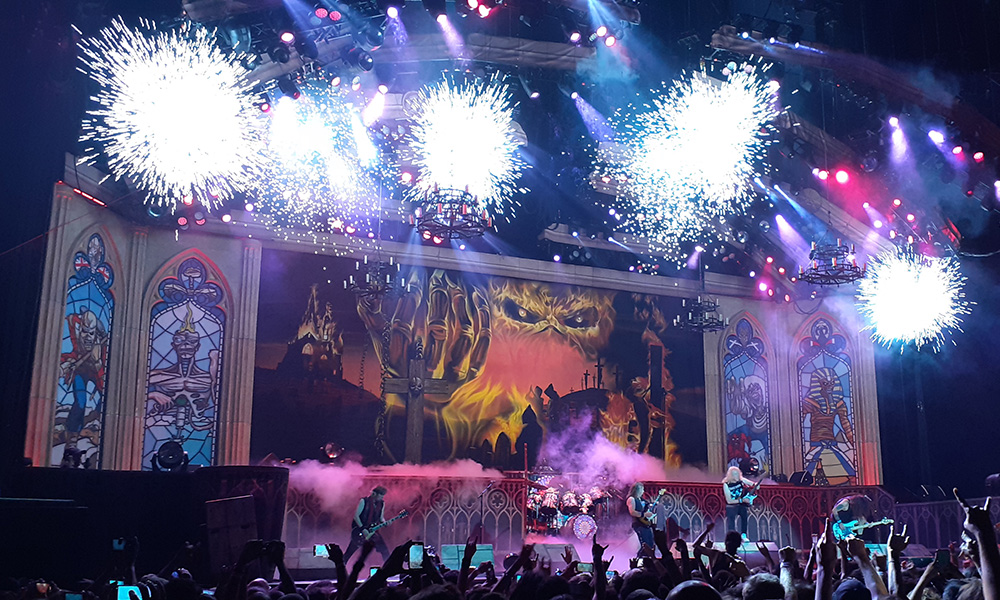
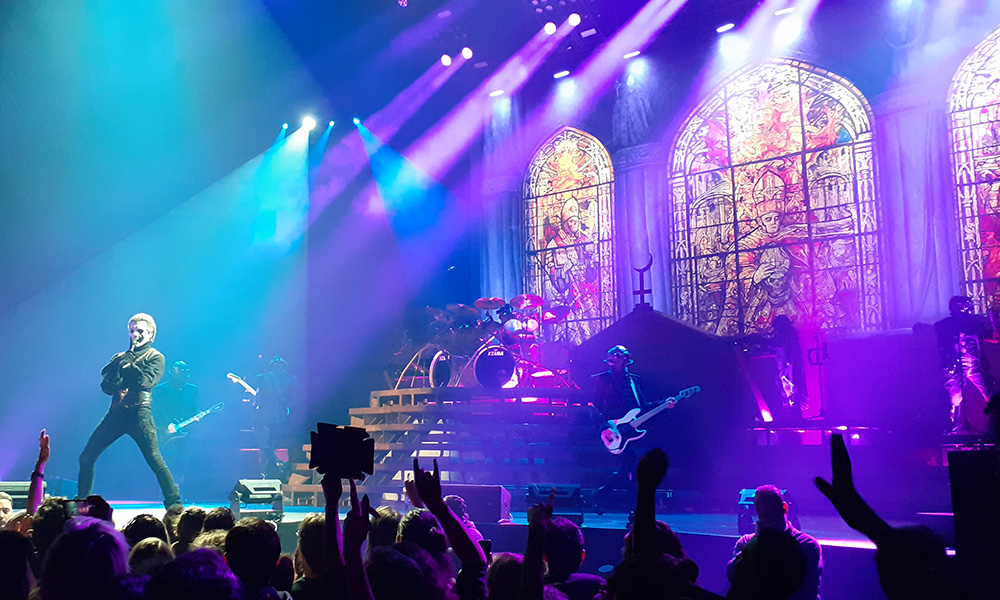
Music plays an important role in my life. I tend to soundtrack different periods of my life through music, and I honestly can’t imagine a day without listening to something. My taste ranges from 70s hard rock and classic heavy metal to much more extreme and obscure subgenres, especially when deadlines start approaching.
Despite being a planner and a bit of an overthinker at work, some of the best decisions I’ve made have been completely spontaneous.
For example, I recently signed up for my first half-marathon almost on a whim. It has since turned into a great excuse to explore Lazio, discover new places, and spend more time outdoors with friends.
Describe working at EMBL in three words
Collaborative, inspiring, and dynamic.