Fellowships expand research horizons
Our 2025 EMBL-UNESCO residency fellows reflect on their experience at EMBL and its role in broadening their research skills, capacity, and professional networks
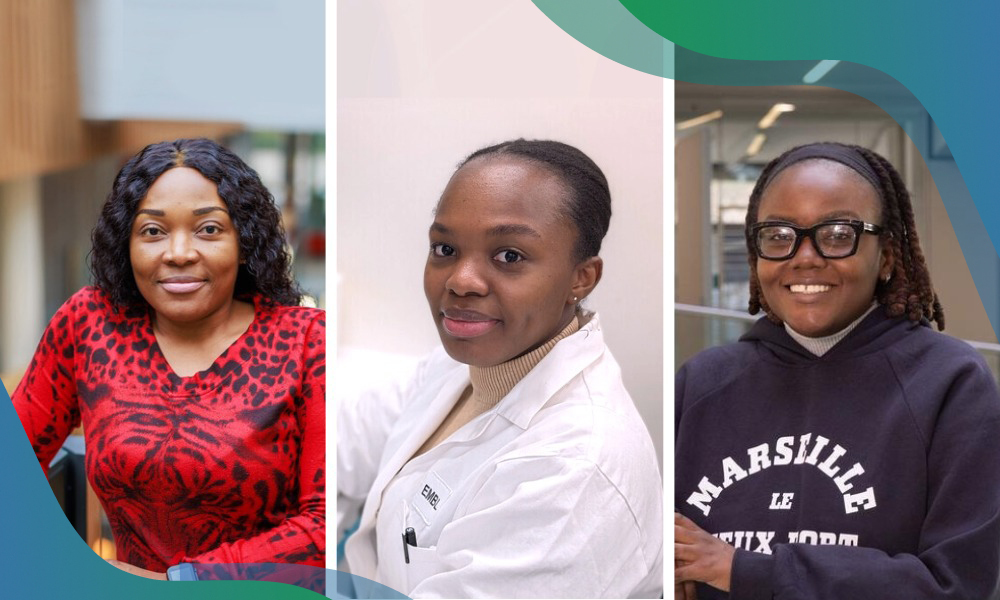
In 2022, EMBL signed an agreement with UNESCO to host women scientists from Africa through its Scientific Visitor Programme to foster gender equality in science and build scientific and knowledge capacity in the fellows’ home institutions and countries.
Three cohorts later, fellows continue to benefit from access to state-of-the-art research, technologies, and mentor networks facilitated by EMBL’s collaborative environment. Importantly, the fellows’ unique perspectives on research happening at the ‘frontlines’ of many globally pressing topics, such as malaria, other infectious diseases, and antimicrobial resistance, have allowed for mutual intellectual enrichment with their hosts at EMBL.
During 2025 and early 2026, three awardees spent between three and six months embedded at EMBL to augment their research back home on return. We recently caught up with these busy scientists based in Tanzania, Cameroon, and the Democratic Republic of Congo to learn more about what’s changed for them by participating in this scheme.
Ines Atuh Ngoh
Home institution: University of Bamenda, Cameroon
Research summary: Using a multidisciplinary approach to understand the spread, evolution, and molecular interaction of the malaria parasite with the human host across Cameroon’s diverse ecological settings.
EMBL host: Lees Group at EMBL’s European Bioinformatics Institute (EMBL-EBI)
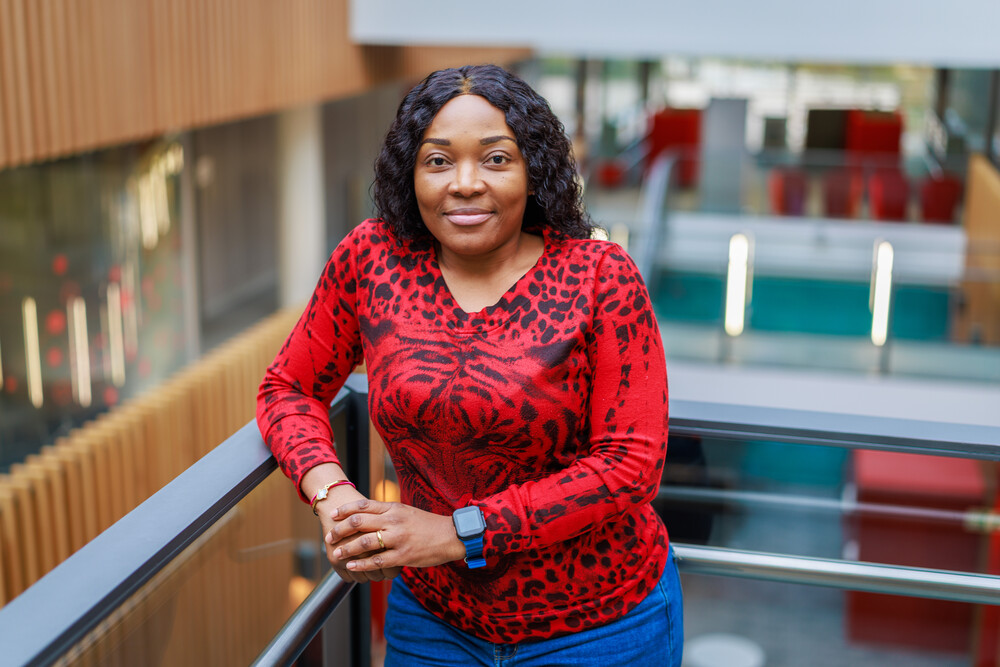
How did the EMBL-UNESCO fellowship contribute to your career development?
I joined the EMBL-UNESCO fellowship with the goal of improving my computational skills and bridging the gap between my wet-lab background and my current research involving omics data analysis and visualisation. I have successfully achieved this by developing bioinformatic workflows tailored to parasite genomic datasets from our lab and building strong collaborations within the Lees Group and the wider EMBL-EBI community.
These connections will support sustained genomics research in Cameroon. More so, I leave EMBL-EBI with broader computational expertise, research confidence, and better competitiveness for future research opportunities and grants, as well as the ability to transfer skills to my home institution while continuing to engage in international collaborations.
What were some highlights from your fellowship?
It’s difficult to narrow it down to just one thing. Overall, the collaborative and intellectually stimulating environment on the campus did the magic. From attending regular weekly seminars and lab group meetings to having informal discussions with scientists across EMBL-EBI exposed me to diverse computational approaches and research perspectives beyond my core field of molecular parasitology.
Living in Cambridge also added to the experience, providing a vibrant academic atmosphere that complemented the professional growth I gained at EMBL-EBI.
Any advice for other scientists considering this programme?
I would say, go for it. Have a clear research plan and trajectory, but remain open to learning new approaches. The EMBL environment offers plenty of avenues to expand your technical skills and scientific perspective, especially if you are willing to step out of your comfort zone. As you engage actively, do so with purpose so that you do not get overwhelmed and leave without accomplishing something.
Tania Bishola Tshitenge
Home institution: University of Kinshasa, Democratic Republic of Congo
Research summary: Working to understand the emergence and dissemination of antimicrobial resistance (AMR) from environmental sources, particularly wastewaters.
EMBL host: Typas Group in Heidelberg
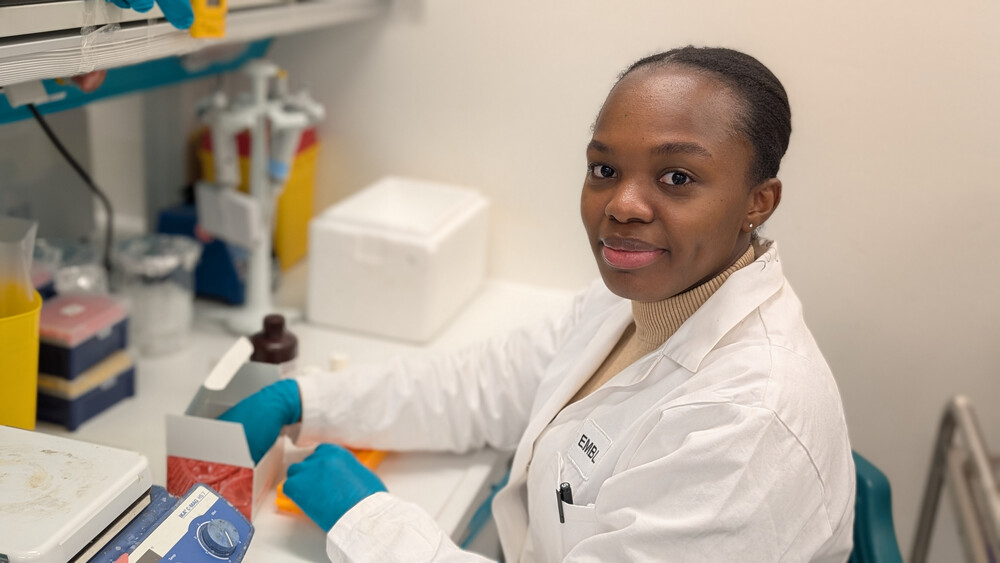
How did the EMBL-UNESCO fellowship contribute to your career development?
The sabbatical visit had a transformative impact on my scientific trajectory and international visibility. Following my work on antimicrobial resistance in wastewater systems, my research was featured by UNESCO, highlighting its importance for global health and environmental surveillance. This visibility has led to concrete opportunities, including an invitation from the UN Environmental Programme to present my work at a continental webinar on AMR in Africa this year. I’m now developing a collaborative research project aligned with the Novo Nordisk Foundation Infectious Disease Catalyst Grant. The project focuses on integrating environmental and clinical genomic surveillance of AMR with rapid diagnostics, deep metagenomics, and advanced bioinformatics tools. This offers near real-time detection of multidrug-resistant pathogens.
What were some highlights from the fellowship?
During my fellowship at EMBL, I explored wastewater as a reservoir for antimicrobial resistance using metagenomics and bioinformatics. I developed a comparative framework showing that hospital-associated wastewater harbours significantly higher diversity and abundance of resistance genes than household sources. I also reconstructed genomes of clinically relevant bacteria carrying these genes. Beyond research outcomes, I gained hands-on experience with advanced sequencing and analysis tools and benefited greatly from interdisciplinary collaborations, which enhanced my scientific perspective and created new international opportunities.
Any advice for other scientists considering this programme?
I would encourage scientists to fully embrace the interdisciplinary environment and actively engage beyond their host lab. Attend seminars, present your work, and seek feedback to refine your research. The fellowship is an excellent chance to gain new technical and computational skills, so take advantage of available expertise. Building strong professional relationships is equally important, as networking with both senior and early-career researchers can lead to lasting collaborations and future opportunities.
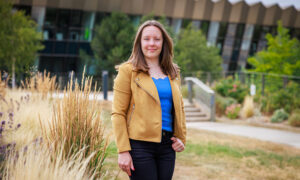
Prisca Asiimwe Kweyamba
Home institution: Ifakara Health Institute: Ifakara, Tanzania
Research summary: Applying genomics to understand how mosquitoes transmit malaria, paving the way for new parasite-blocking strategies.
EMBL host: Huber Group at EMBL Heidelberg
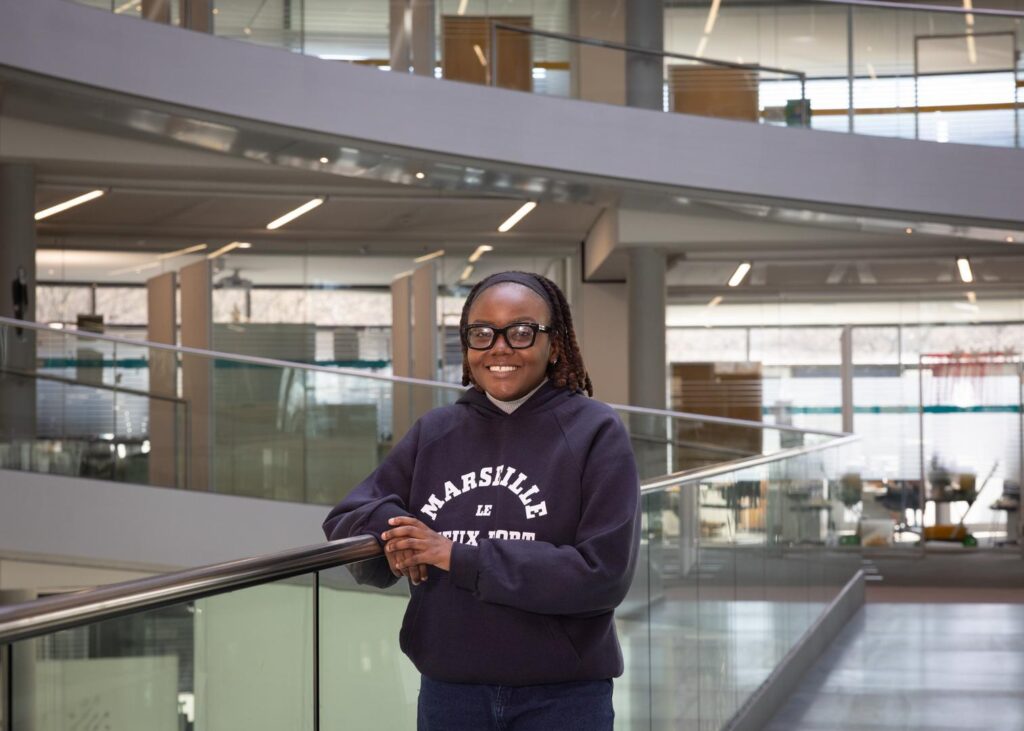
How did the EMBL-UNESCO fellowship contribute to your career development?
I had hoped to gain hands-on training in advanced molecular and computational approaches, particularly in functional genomics and data-driven malaria research. These expectations were fully met. My time at EMBL allowed me to bridge field-based malaria research with cutting-edge laboratory and analytical tools, strengthening both my technical skills and my confidence as an independent researcher.
What were some highlights from the fellowship?
The highlight of my fellowship was working in a highly collaborative research environment where ideas and expertise were openly shared. Being able to connect malaria challenges from Tanzania with advanced technologies and mentorship at EMBL was especially meaningful, as it showed how global collaboration can directly support solutions for local public health problems.
Do you have any advice for other scientists thinking of applying to this programme?
I would encourage applicants to be clear about what they want to learn and how they plan to use those skills beyond the fellowship. The programme is demanding but extremely rewarding for those who are curious, proactive, and open to collaboration. It is also important to think about how the experience can contribute to capacity building and long-term impact at your home institute.