We are EMBL: Aleena Mushtaq on Ensembl
Aleena Mushtaq, Senior Ensembl Outreach Officer at EMBL-EBI, shares her work making the Ensembl genome browser accessible to all
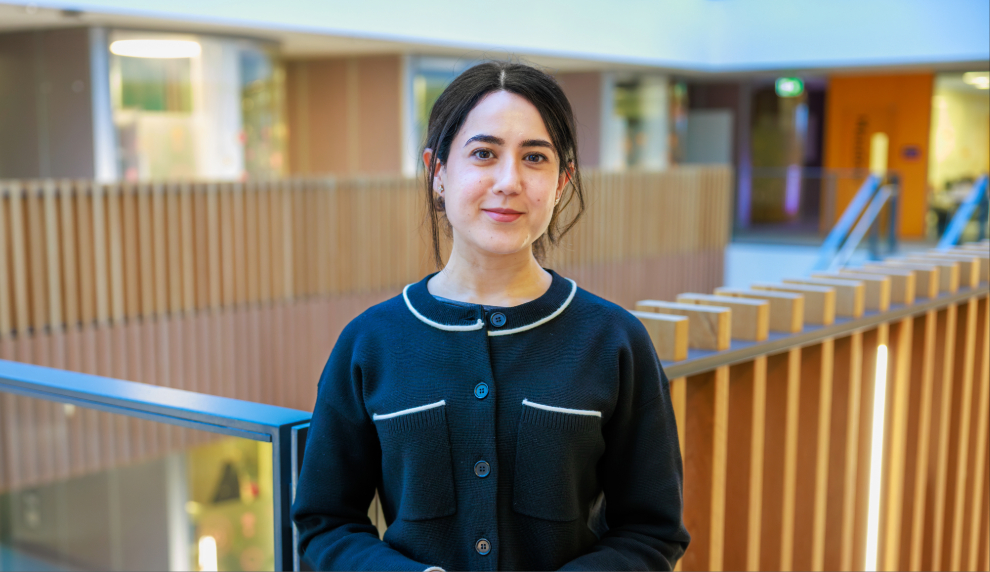
From genomics to travelling the world, Aleena Mushtaq combines science and engagement in her role as Senior Ensembl Outreach Officer. Driven by a passion for discovering new cultures and making new connections, she empowers scientists to use the Ensembl genome browser and tools. In her free time, you might find her learning a new language, recreating local dishes at home, or training towards her next big challenge: the London Marathon.
Tell me about your background.
I’m a molecular biologist with a focus on metabolic diseases. I completed my PhD in molecular nutrition at the Quadram Institute in Norwich. There, I researched the role of different dietary compositions, specifically looking at how different types of fibres interact with the gut microbiota.
As a PhD student, I enjoyed mentoring undergraduates and participating in seminars to share my research. I attended a few courses at EMBL-EBI, and I was always impressed by the solid training programmes the institute delivers.
Towards the end of my PhD, I knew I wanted to move into bioinformatics. When a position opened at Ensembl, I just knew I had to apply.
What is the Ensembl project?
The Ensembl project has been running for 26 years and began with the Human Genome Project. It is a freely accessible data resource that provides high-quality gene annotation as well as a wide range of tools to explore genomics data across all cellular genomes.
Ensembl integrates gene, variation, and regulatory data, as well as genomics analysis tools, all within a user-friendly platform. It also brings together information from EMBL-EBI and external databases, offering researchers a single, comprehensive resource.
What is the most exciting thing about your work?
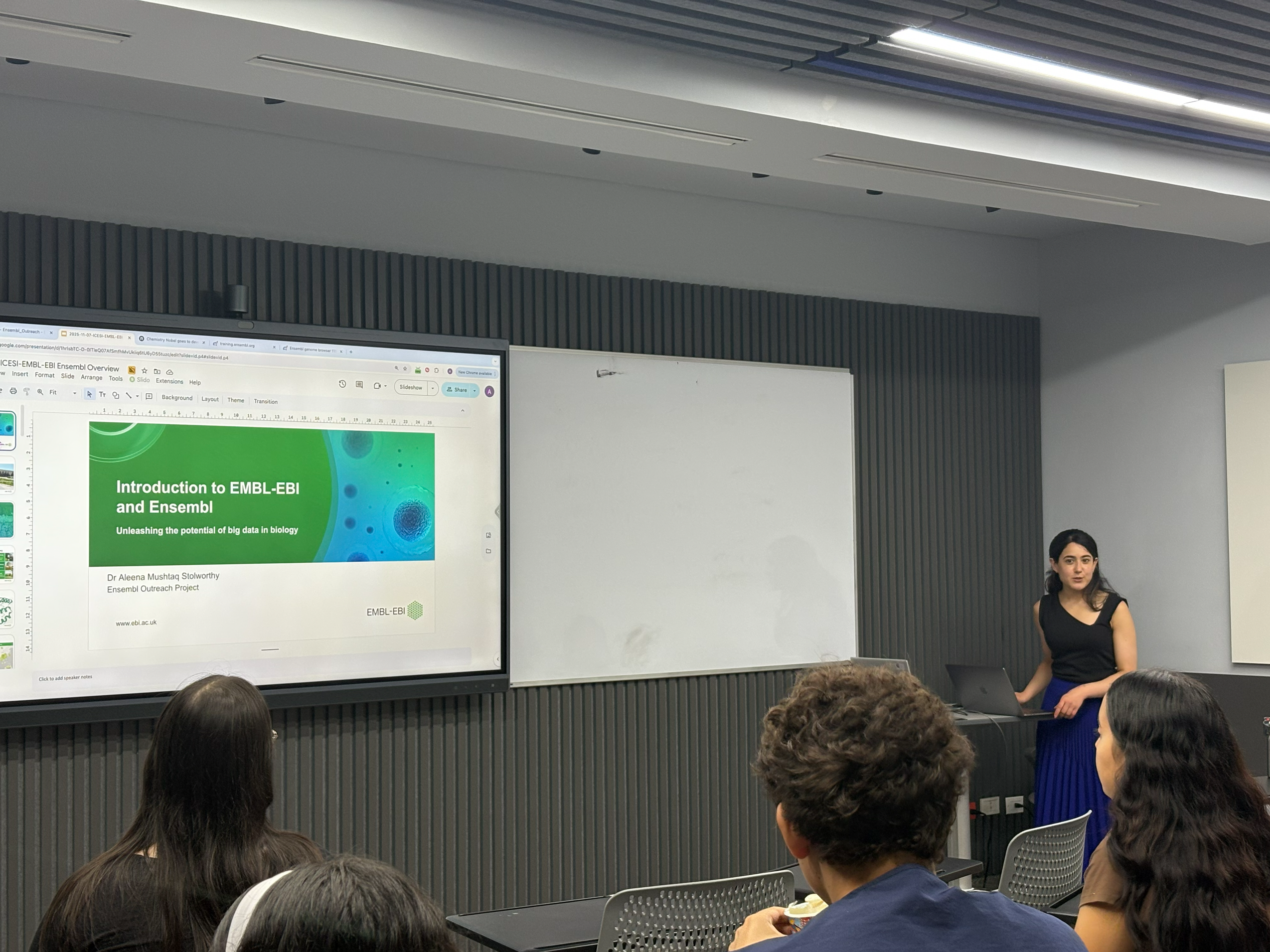
As Senior Ensembl Outreach Officer, I deliver hands-on workshops worldwide, helping scientists integrate high-quality genomic data into their research. Although I don’t work in the laboratory, I never feel disconnected from science.
I really enjoy speaking with users about how Ensembl can support their project – whether by integrating Ensembl data into their analysis or by using tools like Ensembl Variant Effect Predictor – to answer their specific research questions.
It’s exciting because no two days are the same. One week I might be teaching in South America, and the next I’ll be back in the office working on Ensembl documentation.
How is AI changing your work?
We will continue to embrace AI as a powerful tool to enhance efficiency across the Ensembl Outreach team. AI can definitely play a central role in streamlining Ensembl helpdesk support and developing engaging training materials.
Our team currently uses AI tools to create interactive, step-by-step demonstrations and to conduct in-depth analysis of social media engagement data.
Looking ahead, one of our most exciting initiatives will be adapting training materials for different proficiency levels and languages, with the help of AI. We aim to make our training resources more accessible and relevant to a global audience.
How else do you make Ensembl training accessible?
It is essential to tailor Ensembl workshops to the local needs. For example, we may focus on region-specific genomes, such as for local crops or pathogens. We also adapt our learning materials for areas with limited internet connectivity.
All of our demonstrations and presentation slides are shared in advance on the Ensembl training website. Each workshop has its own webpage, with step-by-step demos, including screenshots, exercises, transcriptions and videos, so participants can work through them in their own time.
What impact do you think Ensembl will have in the coming years?
Ensembl is growing rapidly and will continue to have a profound impact on genomic research in the coming years by supporting large-scale initiatives. We are already supporting biodiversity initiatives such as the Darwin Tree of Life and the European Reference Genome Atlas, among others.
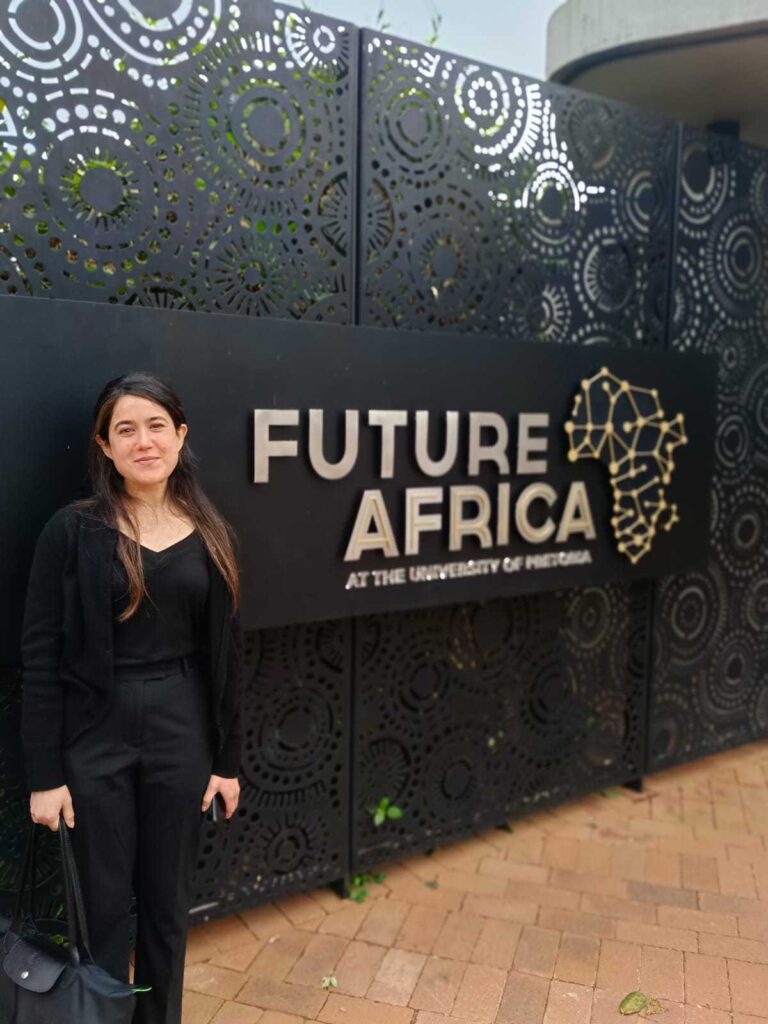
Demand for our training is also increasing. In 2025, we delivered 95 training courses both online and in person, across 16 countries, including India, Zimbabwe, South Africa, and several South American countries. These efforts play a key role in building bioinformatics capacity in under-resourced regions.
All of this aligns with Ensembl’s mission to support global access to genomic resources and training.
What’s something that not many people know about you?
I really like learning languages. I’m currently hopping between Spanish and French. I also enjoy exploring cultures and then recreating recipes from very different countries at home.
It also gives me ideas for public engagement. For example, chatting to colleagues in Colombia sparked the idea to use a local stew called Sancocho as a metagenomics case study to make bioinformatics more relatable and fun for diverse audiences.
And what are your hobbies?
I enjoy hiking, it’s a really nice way to connect with nature. A big personal goal for 2026 is to train for the London Marathon.