Short-read sequencing technology
Produces short, highly accurate reads at high throughput, making it cost-effective for many samples and ideal for applications like variant calling, gene expression profiling, and targeted sequencing.
GeneCore is the in-house genomics service centre at EMBL
Produces short, highly accurate reads at high throughput, making it cost-effective for many samples and ideal for applications like variant calling, gene expression profiling, and targeted sequencing.
The MiSeq i100 Series is a benchtop short‑read sequencing platform designed for fast, simplified operation and scalable output across different project sizes. Depending on the flow cell configuration, it supports an output range of 1.5–30 Gb per run, up to *200 million paired‑end reads per run*, and read lengths up to 2 × 500 bp, making it suitable for many routine and targeted sequencing applications that benefit from flexible throughput.
Available kits:
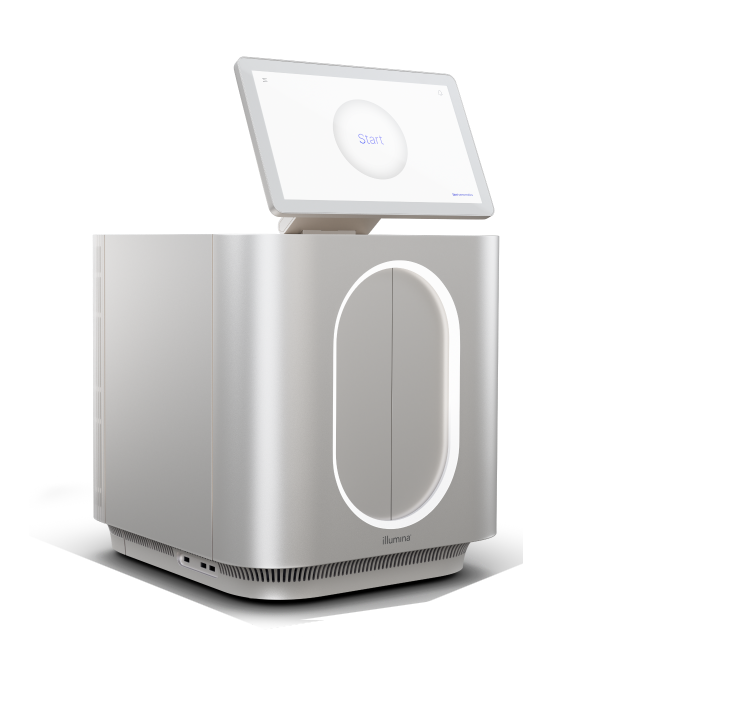
The NextSeq 2000 is a high-throughput benchtop sequencing system built for flexible project scaling. With high-output configurations, it can deliver up to 1.8 billion* single-end reads per run (P4), supporting large batch sizes and data-intensive applications.
Available kits:
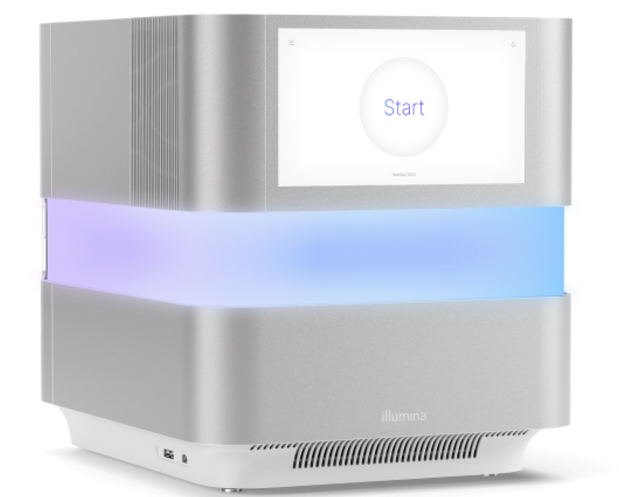
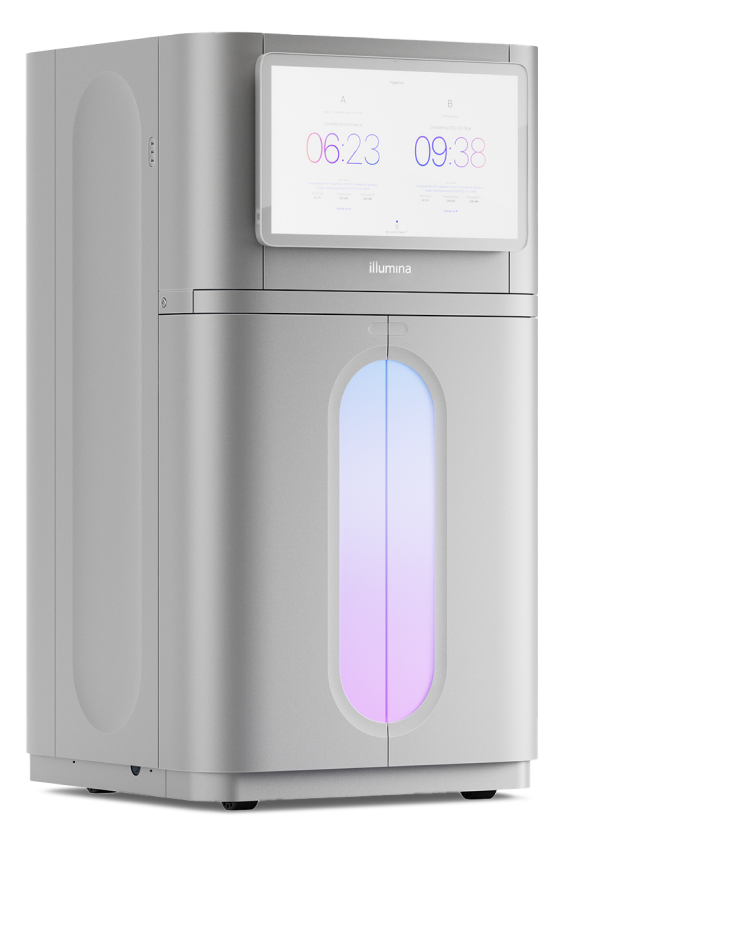
The NovaSeq X Plus, designed for production‑scale, ultra‑high‑throughput sequencing. It supports three flow cell types (1.5B, 10B, 25B) and can generate up to 16 Tb of output per run on the dual flow cell NovaSeq X Plus system, with up to 52 billion single reads per run (up to 104 billion paired‑end reads), depending on configuration.
Available kits:
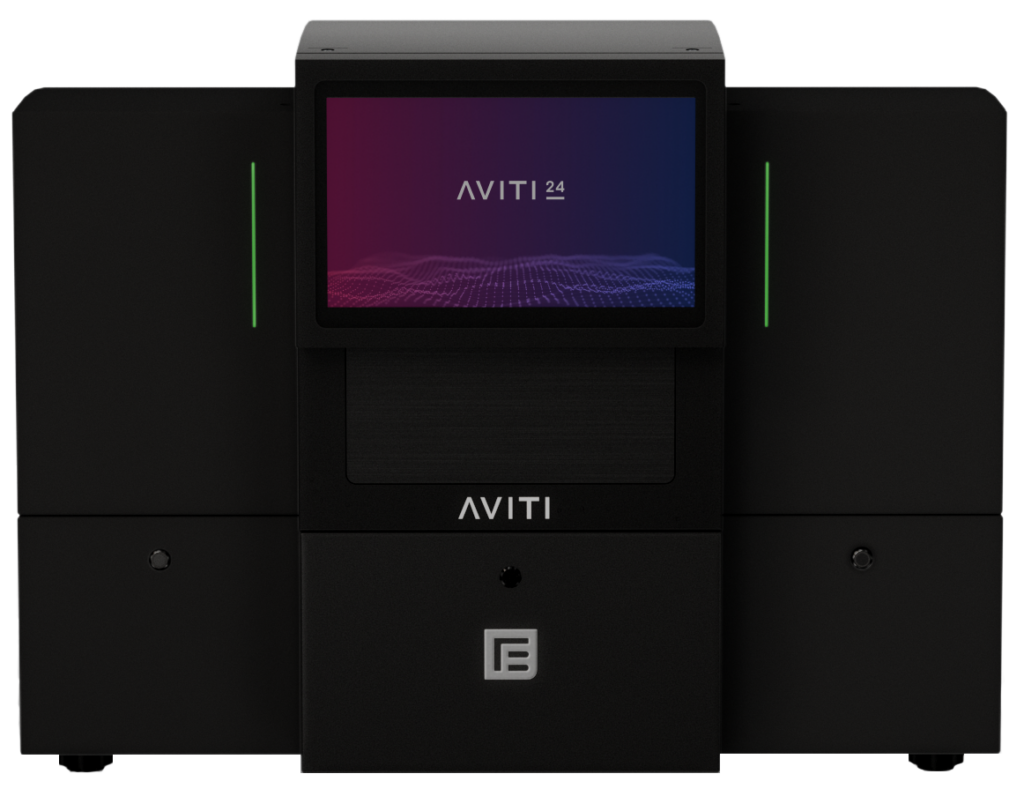
The AVITI24 is an integrated benchtop platform that combines single‑cell multiomics with NGS sequencing in a single run, designed to deliver high data quality with flexible operation via two independent flow cells.
Available kits:
Generates long DNA or RNA reads, which helps resolve repetitive or complex regions, detect larger structural variants, and support more complete genome assemblies and full-length transcript analysis.
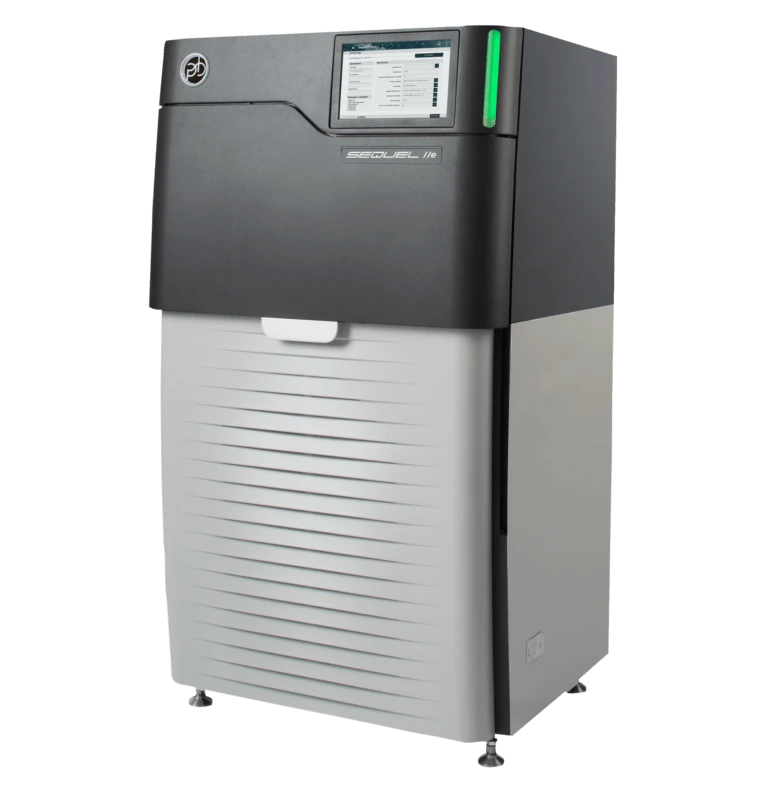
The PacBio Sequel IIe sequencer is a benchtop long‑read platform based on SMRT (Single Molecule, Real‑Time) Sequencing, built to generate highly accurate long reads (“HiFi reads”) for applications where long-read accuracy and completeness matter (e.g., complex genomes and variant detection). A key advantage of the Sequel IIe is on‑instrument processing for HiFi reads, which PacBio says can reduce downstream burden
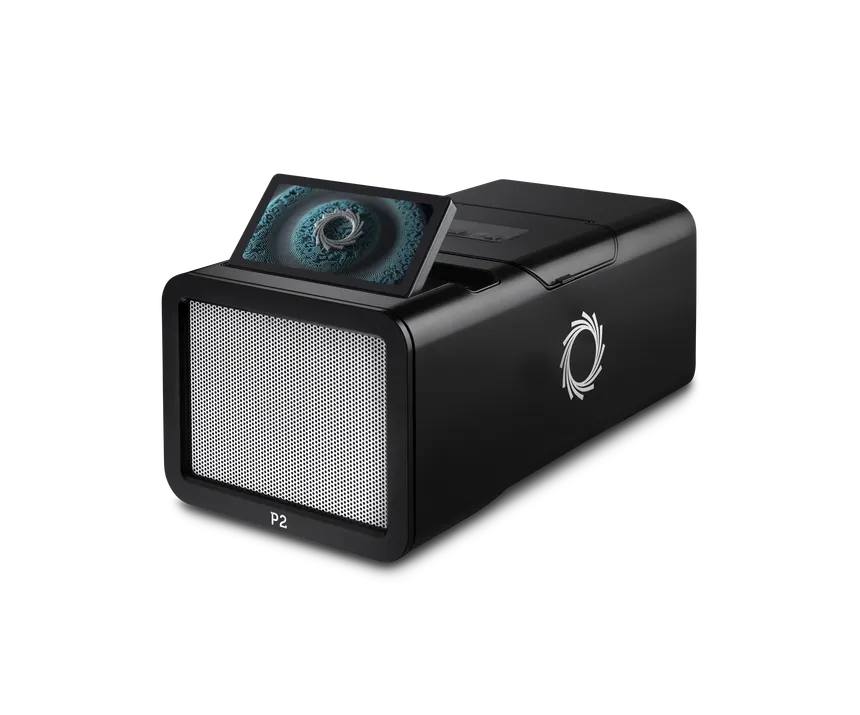
The Oxford Nanopore PromethION 2 Integrated (P2i) is a compact benchtop nanopore sequencing system that can run up to two PromethION flow cells in parallel (independently addressable). It includes integrated compute for sequencing data acquisition and on‑instrument basecalling, and it supports a broad range of long‑read applications such as whole‑genome sequencing, transcriptomics, epigenomics, and metagenomics.
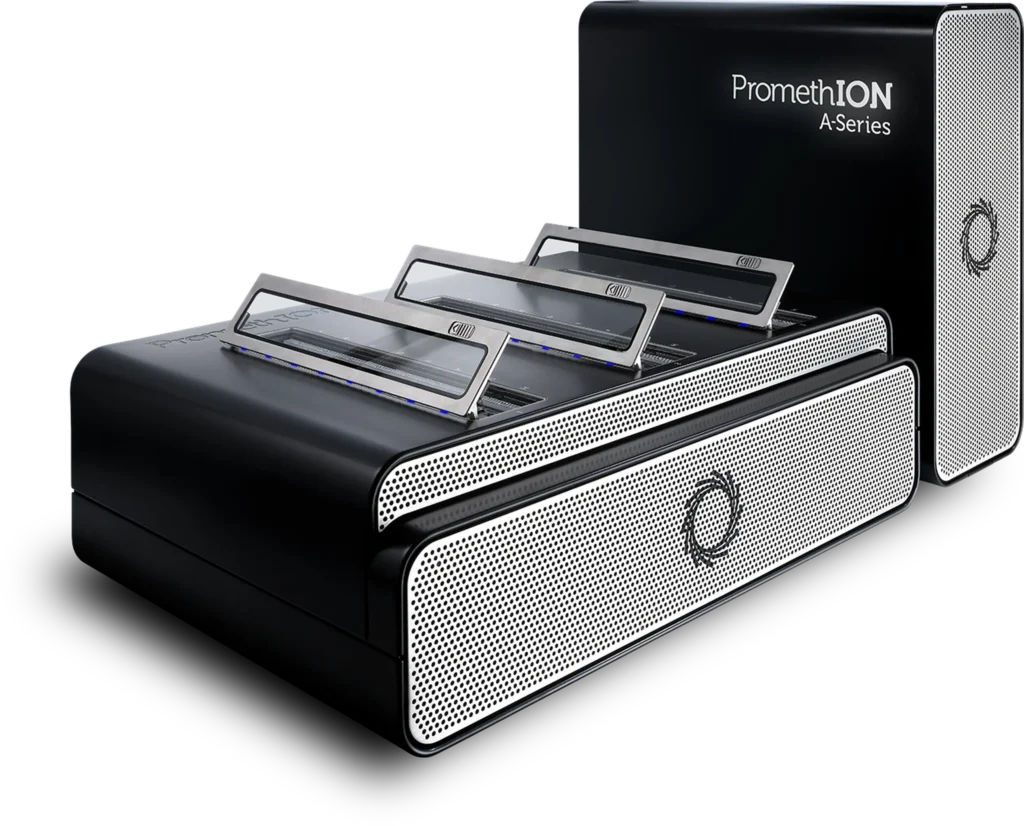
The Oxford Nanopore PromethION 24 (A‑Series) is a high‑throughput nanopore sequencing platform that enables parallel sequencing on up to 24 flow cells. It includes onboard compute (via a Data Acquisition Unit) for device control, data acquisition, basecalling, and data streaming, supporting long‑read applications such as whole‑genome sequencing, transcriptomics, epigenomics (modified bases), and metagenomics.
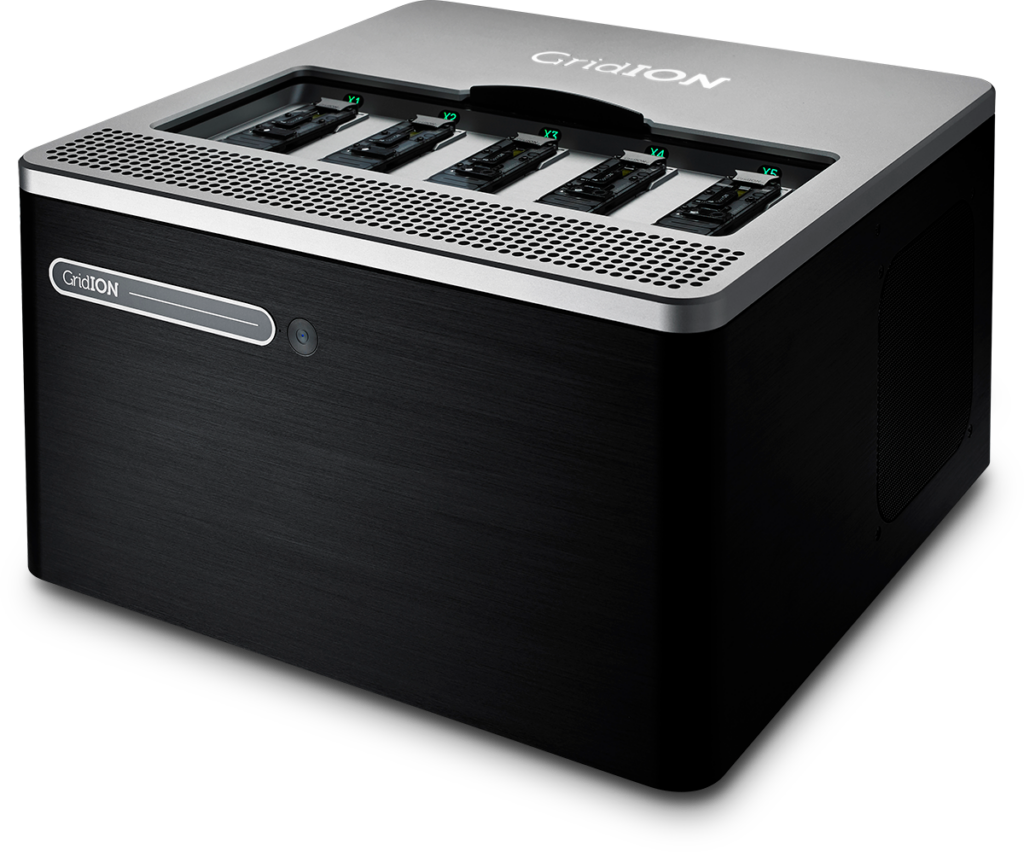
The Oxford Nanopore GridION is a benchtop nanopore sequencing system that supports up to five MinION/GridION flow cells run in parallel. It includes integrated compute for sequencing control and real‑time basecalling, and it is commonly used for flexible long‑read workflows such as whole‑genome sequencing, targeted sequencing, transcriptomics, and metagenomics
Any value followed by an asterisk (e.g “MiSeq™ i100 Series 5M*)” is an estimate. Actual number of clusters per run may be higher or lower than stated. Figures are provided for information only and are not guaranteed.
To book our services, please read the “Rules of Access” and “Sample Instructions” before reaching out to us.