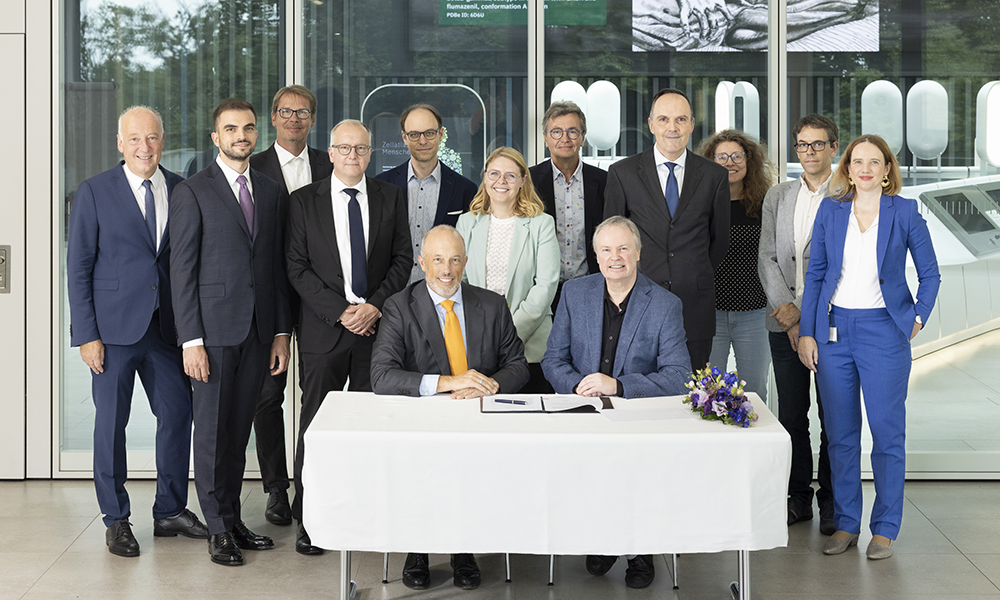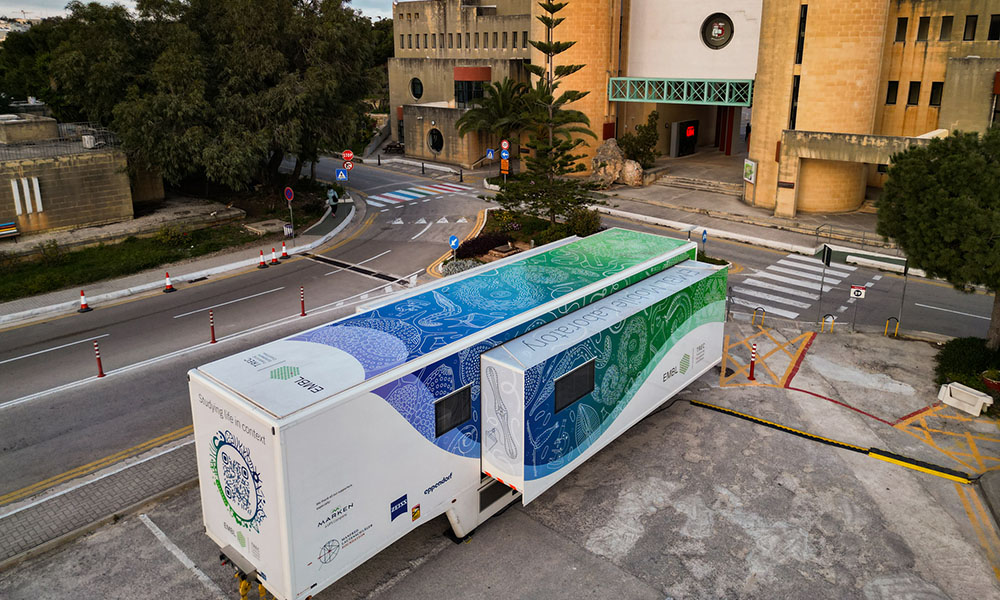
This year, EMBL services drew noteworthy philanthropic attention, recognising EMBL services’ impact on the life science community: Boehringer Ingelheim Stiftung extended new support for the continued successful development of EMBL’s Imaging Centre and new philanthropic support from the Klaus Tschira Stiftung was aimed at EMBL’s mobile lab services, as it began fieldwork in freshwater ecosystems.

“I actually chose to do my postdoc at EMBL Hamburg because of the unique beamline setup that made my project possible. The whole P14 beamline team worked together to tailor the setup to my experiments. I’m very grateful for their help.”
– Kirill Kovalev, Postdoctoral Fellow of the Schneider Group at EMBL Hamburg
This year marked the beginning of EMBL’s Mobile Lab offering its services beyond the TREC mission, and it did so with the University of Malta. The head of EMBL Rome’s Gene Editing and Virus Facility shared thoughts on providing expertise to member states and beyond. Additionally, unique EMBL Hamburg services enabled research that expanded knowledge of novel light-sensing proteins (cryorhodopsins) and served as an excellent demonstration of its beamlines and their adaptability to specific research projects.
A well-established EMBL partner, Boehringer Ingelheim Stiftung renewed its financial support for the EMBL Imaging Centre’s growth.
For one month, EMBL’s Advanced Mobile Laboratory provided advanced technology, expertise, and training to Malta’s scientific community.
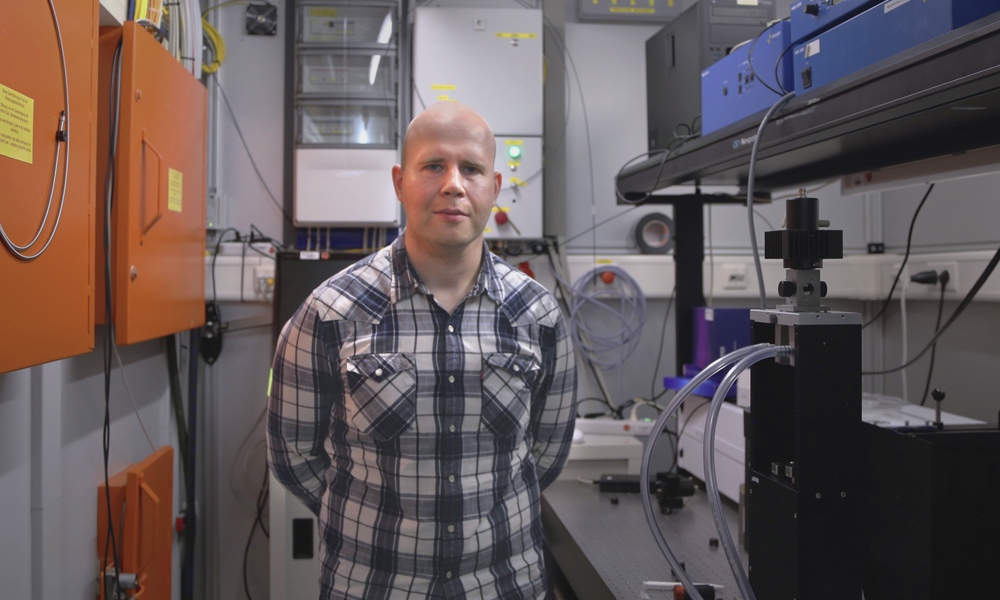
Previously a P12 beamline user, Aleksi Sutinen now supports users and their experiments at that same beamline.
EMBL’s Imaging Centre welcomed an increasingly international community of users in 2025, helping to advance its in-house imaging technologies.
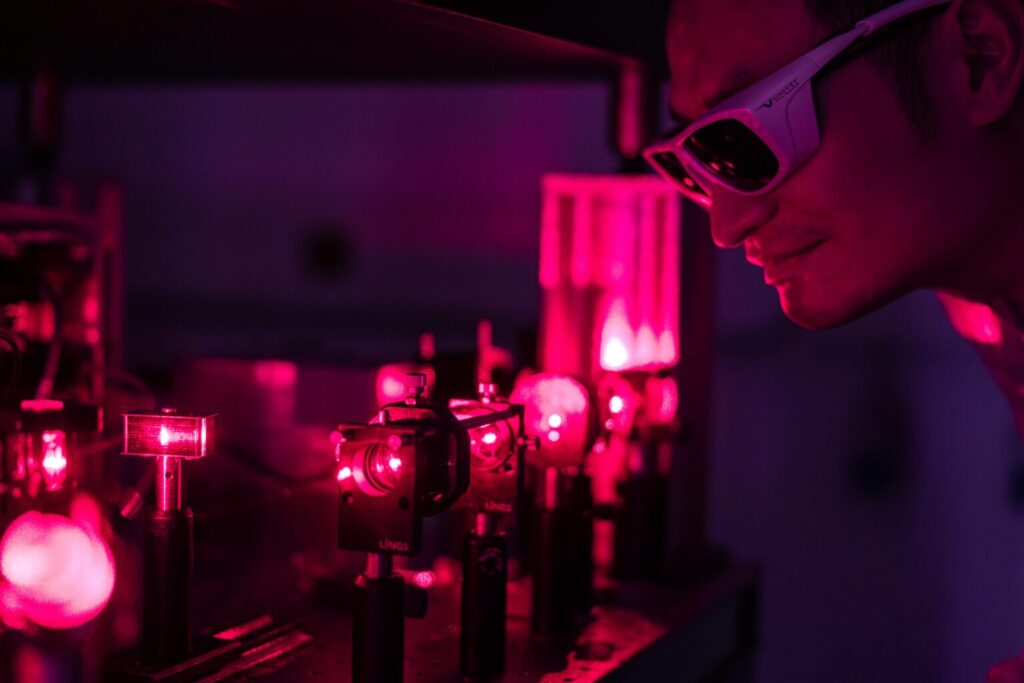
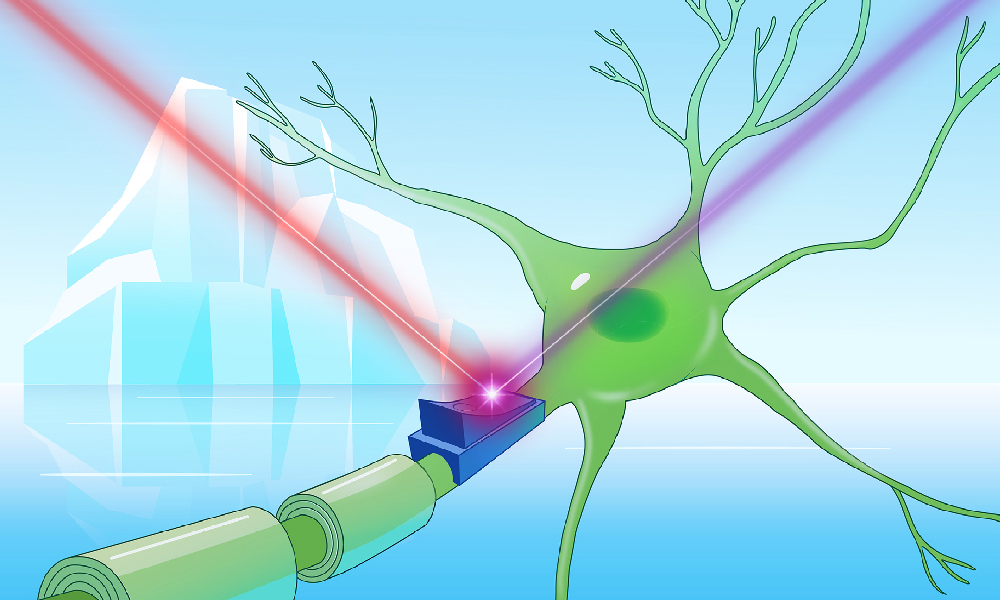
Rare blue proteins from cold-adapted microbes can serve as prototypes to design molecular on-off switches for cells.
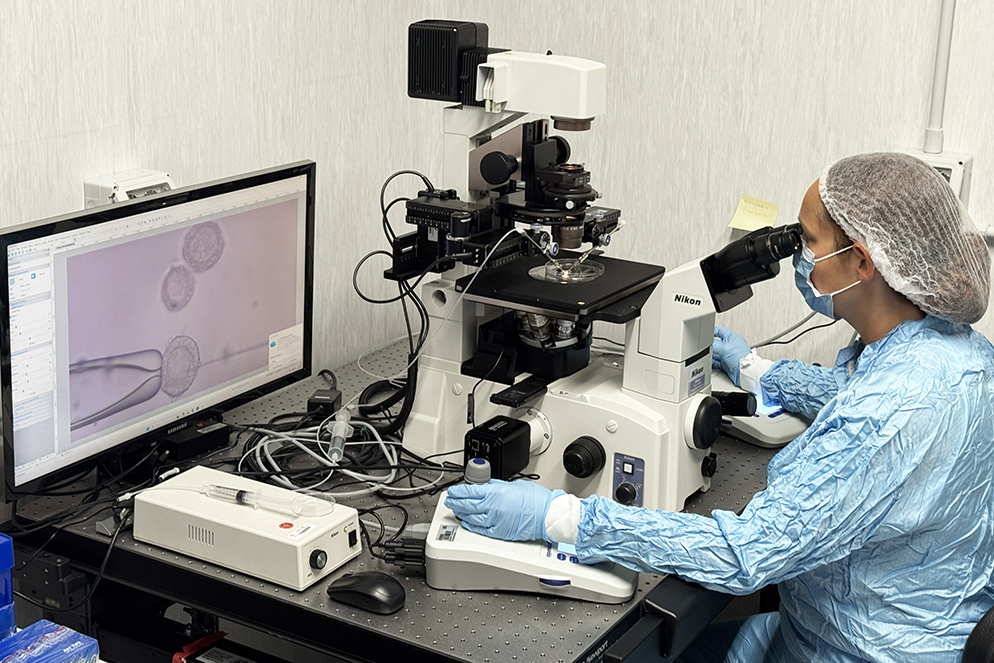
EMBL Rome’s Gene Editing and Virus Facility continued supporting discovery and translational research.
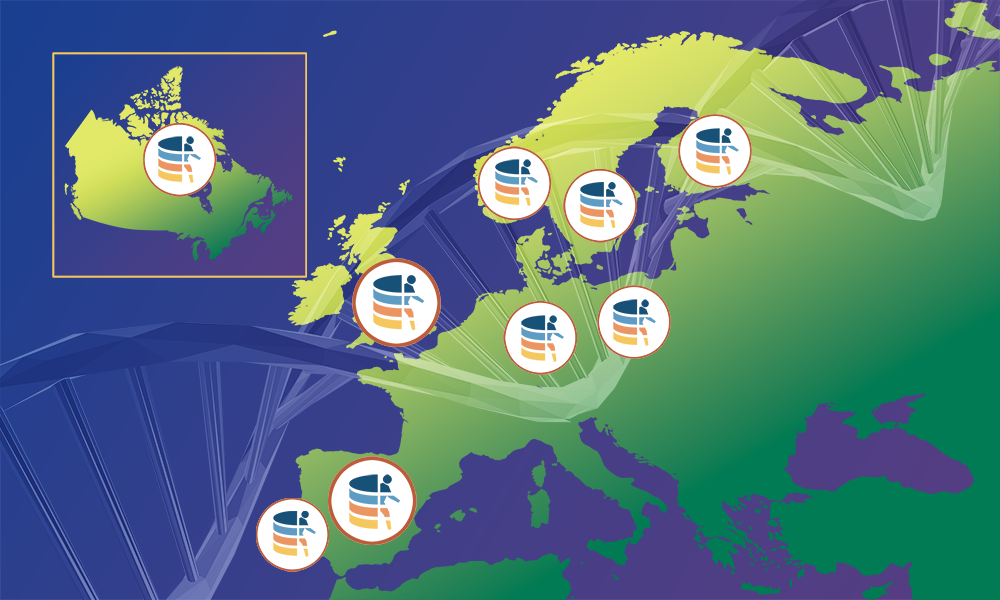
“Global health challenges like pandemics and rare diseases do not respect national borders. By expanding beyond Europe and adding the Canadian node, we consolidate the Federated EGA as the world’s most comprehensive, secure, and diverse resource for genomic and health data to tackle these urgent questions.”
— Arcadi Navarro, ICREA Research Professor at the Universitat Pompeu Fabra and Director of the EGA team at the Centre for Genomic Regulation
EMBL researchers collaborated to build an easy-to-use ‘zoo’ of pre-trained AI models to help biologists and microscopists better analyse biological images. A new online portal now connects bacterial genomes with experimental resistance data to support antimicrobial resistance research. EMBL also released a comprehensive viral genome database that covers diverse ecosystems to advance our knowledge of virus evolution and ecosystem functions.
New online portal now connects bacterial genomes with experimental resistance data to support antimicrobial resistance research.
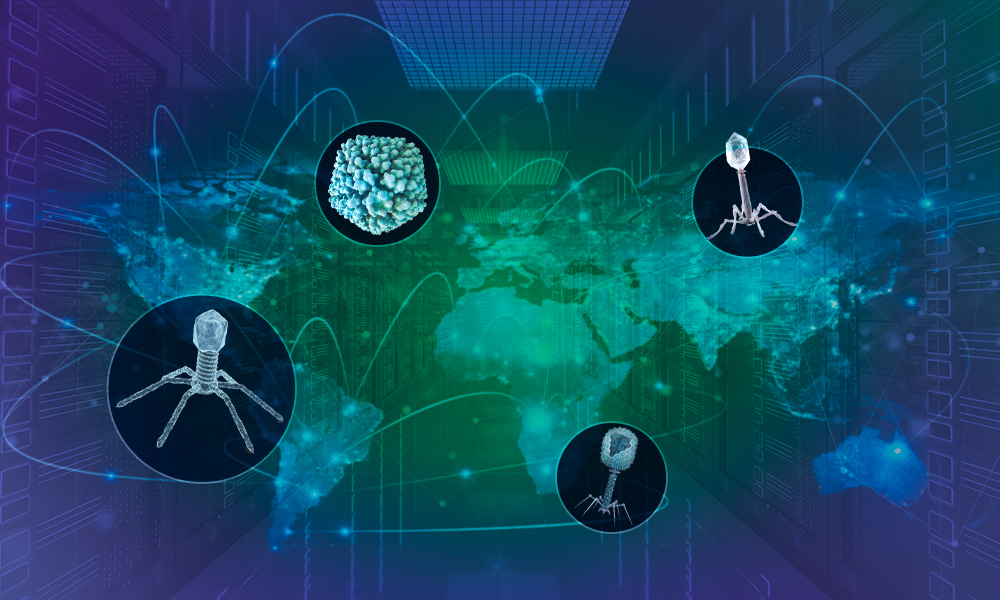
Researchers developed a database that integrates approximately 1.7 million viral genomes that should advance understanding of viral evolution and ecosystem functions.
A new genomic analysis tool developed at EMBL-EBI is helping NHS Scotland tackle antimicrobial resistance and improve outbreak response.
EMBL scientists collaborated to build easy-to-use ‘Zoo’ of pre-trained AI models to help biologists and microscopists better analyse their biological images
The Federated European Genome-phenome Archive expanded its network and continues to evolve by embracing emerging technologies.
A new report reiterated the importance of building and sustaining global biodata partnerships, especially with scientists in low resource settings.
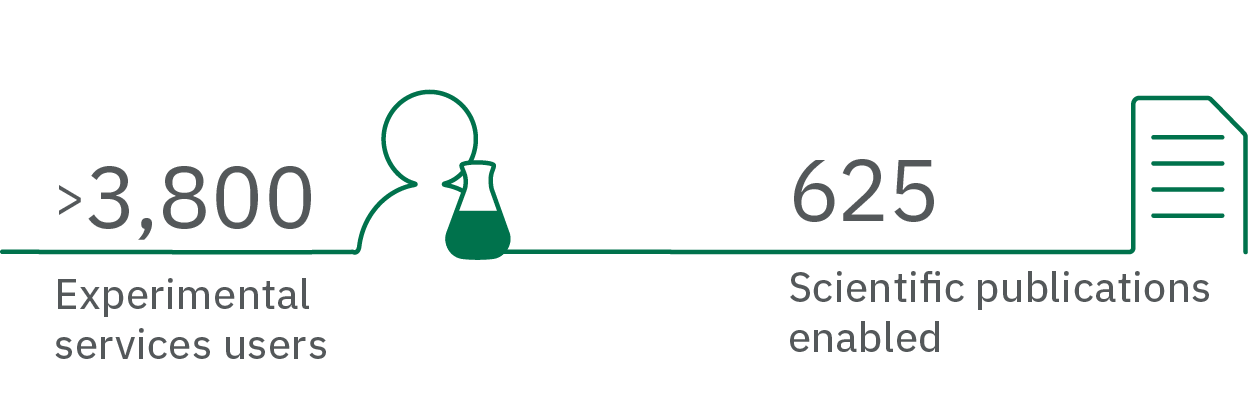
EMBL experimental services support academic and industry users in Europe and beyond.

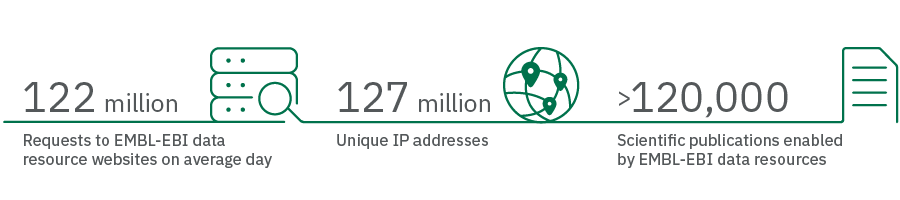
EMBL-EBI maintains the world’s most comprehensive range of freely available and up-to-date molecular data resources. Developed in collaboration with scientists worldwide, these open databases, tools, and software can be accessed by anyone around the world.