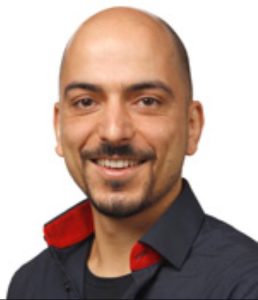
Renato Alves
EMBL Heidelberg
Germany
Course hub: Heidelberg
EMBO Practical Course
Funded by EMBO for excellence in the life sciences.
Metabarcoding and metagenomic sequencing unveil the compositional diversity of microbial communities across habitats, from ocean ecosystems to the human gut. While compositional shifts often correlate with environmental or health states, mechanistic insights into dynamic microbiota-environment interactions are often lacking. Integrative approaches can shed light on these mechanisms in native and synthetic communities, such as metabolic cross-feeding driving subpopulation emergence (Varahan et al. eLife 2019, 2020) and long-term community stability (Blasche, Kim et al. Nat Microbiol 2021), or metabolic cues affecting environmental and gut microbiota structure (Clerc et al. Nat Commun 2023, Wuyts et al. Mol Sys Bio 2023, Adreani-Gerard et al. Env. Microbiome 2025, Deng et al. Nature Microbiology 2025, Kuhlish et al. PNAS 2026).
Metabarcoding and metagenomic sequencing unveil the compositional diversity of microbial communities across habitats, from ocean ecosystems to the human gut. While compositional shifts often correlate with environmental or health states, mechanistic insights into dynamic microbiota-environment interactions are often lacking. Integrative approaches can shed light on these mechanisms in native and synthetic communities, such as metabolic cross-feeding driving subpopulation emergence (Varahan et al. eLife 2019, 2020) and long-term community stability (Blasche, Kim et al. Nat Microbiol 2021), or metabolic cues affecting environmental and gut microbiota structure (Clerc et al. Nat Commun 2023, Wuyts et al. Mol Sys Bio 2023, Adreani-Gerard et al. Env. Microbiome 2025, Deng et al. Nature Microbiology 2025, Kuhlish et al. PNAS 2026).
We will introduce the concepts of top-down and bottom-up approaches (e.g., large-scale metagenomic analysis of environmental samples and experimental design to mimic complex interactions in the lab using synthetic communities under controlled conditions), which are relevant to researchers investigating diverse microbial habitats.
The main goal of the course is to equip participants with state-of-the-art concepts in microbial ecosystems and to introduce key tools for gaining mechanistic insights into community dynamics. The central learning objective is for participants to apply these concepts and tools to their own research. Further, we also aim at enabling scientific networking among the participants (including speakers and trainers) and fostering dialogue between scientists from different areas (microbiology, metabolomics, modelling, ecology).
“The course was a great blend of theoretical knowledge and practical applications. It was very dynamic, allowing for engaging discussions and networking opportunities among participants. From trainers to speakers and organisers, everyone was so helpful and approachable, making it easy to ask questions and seek guidance. The diverse facets and perspectives presented created an ideal environment for learning, hands-on exploration, and collaboration.” – Humberto Castillo González, Université de Franche-Comté, France.
EMBL Heidelberg
Germany
Course hub: Heidelberg
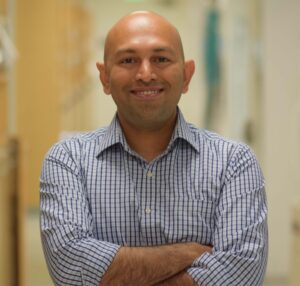
University of Wisconsin
USA
Course hub: Bangalore
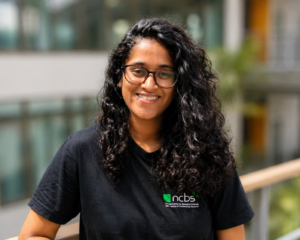
National Centre for Biological Sciences
India
Course hub: Bangalore
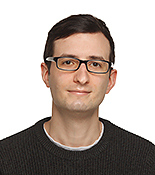
EMBL Heidelberg
Germany
Course hub: Heidelberg
EMBL Heidelberg
Germany
Course hub: Heidelberg
Institute for Stem Cell Science and Regenerative Medicine
India
Course hub: Bangalore
EMBL Heidelberg
Germany
Course hub: Heidelberg
Institute for Stem Cell Science and Regenerative Medicine
India
Course hub: Bangalore
EMBL Heidelberg
Germany
Course hub: Heidelberg
Indian Institute of Science
India
Course hub: Bangalore
Inria
France
Course hub: Heidelberg
CNRS, Roscoff Marine Station
France
Course hub: Bangalore
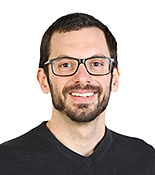
EMBL Heidelberg
Germany
Course hub: Heidelberg
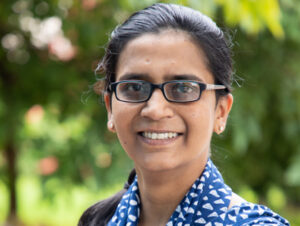
IISER, Pune
India
Course hub: Heidelberg
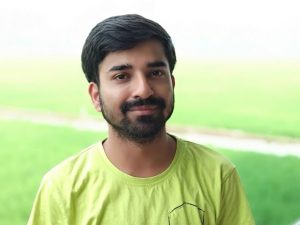
University of California, Irvine
USA
Course hub: Bangalore
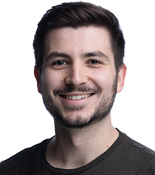
EMBL Heidelberg
Germany
Course hub: Heidelberg
Institute for Stem Cell Science and Regenerative Medicine
India
Course hub: Bangalore
EMBL Heidelberg
Germany
Course hub: Heidelberg
MRC Toxicology Unit
UK
Course hub: Bangalore
Indian Institute of Technology Madras
India
Course hub: Bangalore
Institute for Stem Cell Science and Regenerative Medicine
India
Course hub: Bangalore
EMBL Heidelberg
Germany
Course hub: Heidelberg
University of Western Cape
South Africa
Course hub: Heidelberg
Max Planck Institute for Chemical Ecology
Germany
Course hub: Heidelberg
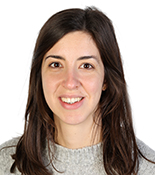
EMBL Heidelberg
Germany
Course hub: Heidelberg
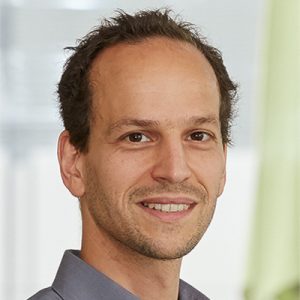
Leiden University
The Netherlands
Course hub: Heidelberg
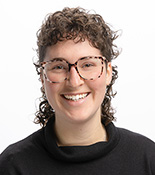
EMBL Heidelberg
Germany
Course hub: Heidelberg
Institute for Stem Cell Biology
and Regenerative Medicine
India
Course hub: Bangalore

Sorbonne University
France
Course hub: Bangalore
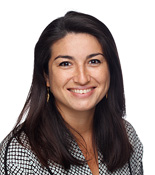
EMBL Heidelberg
Germany
Course hub: Heidelberg
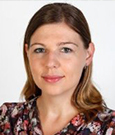
EMBL Heidelberg
Germany
EMBL Heidelberg
Germany
Course hib: Heidelberg
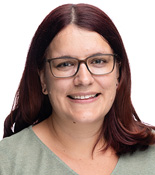
EMBL Heidelberg
Germany
Course hub: Heidelberg
EMBL Heidelberg
Germany
Course hub: Heidelberg
Are you on social media? Post using #EMBOMicroCom and don’t forget to tag @EMBLEvents
| Time Europe/Berlin | Speaker | Time India/Bangalore |
|---|---|---|
| 10:30 – 11:00 | On-Boarding Day: Welcome and short introduction | 14:00 – 14:30 |
| 11:00 – 11:30 | Course overview on eCampus /introduction to pre-course work | 14:30 – 15:00 |
| 11:30 – 12:00 | Software test for pre-course work: followed by speed networking | 15:00 – 15:30 |
| Time Europe/Berlin | Speaker | Time India/Bangalore |
|---|---|---|
| Zoom link for the day shared in eCampus | ||
| 09:45 – 10:30 | Bangalore Hub: arrival and light lunch upon arrival followed by registration Heidelberg Hub: bus from ISG to EMBL, coffee upon arrival followed by registration Technical set-up at both hubs | 12:45 – 14:00 |
| 10:30 – 10:45 | Welcome and house notes (shared via Zoom) at both sites – joint | 14:00 – 14:15 |
| 10:45 – 11:15 | Course overview (Introduction to format, expectations, timelines) | 14:15 – 14:45 |
| 11:15 – 12:00 | Flash Talks by participants | 14:45 – 15:30 |
| 12:00 – 12:15 | Coffee break | 15:30 – 15:45 |
| 12:15 – 12:45 | Flash Talks by participants | 15:45 – 16:15 |
| 12:45 – 13:30 | Lecture: Understanding of microorganisms in their environment for white, green and blue biotechnology exploitation Marla Trindade – University of the Western Cape, South Africa | 16:15 – 17:00 |
| 13:30 – 14:30 | Bangalore Hub: Practical session 1: Community culture inoculation Ashita Bala – Institute for Stem Cell Science and Regenerative Medicine, Bangalore, India Aabha Deshpande – Institute for Stem Cell Science and Regenerative Medicine, Bangalore, India Priscill Priscillia Gourvil – CNRS, France Ian Probert – Sorbonne University, France Heidelberg Hub: Lunch break | 17:00 – 18:00 |
| 14:30 – 15:15 | Lecture: The impact of phage and metabolic interactions on human host health, environmental ecosystem change, and biogeochemistry Karthik Anantharaman – University of Wisconsin, USA | 18:00 – 18:45 |
| 15:15 – 16:15 | Interactive lecture: Capturing microbial interactions in the wild and in the lab: expeditions, sample collections and experimental design Ian Probert – Sorbonne University, France Flora Vincent – EMBL Heidelberg, Germany | 18:45 – 19:45 |
| 16:15 – 17:15 | Bangalore Hub: Dinner Heidelberg Hub: Practical session 1: Community culture inoculation Dragana Despotovic – EMBL Heidelberg, Germany Matthias Gross – EMBL Heidelberg, Germany Kevin Moog – EMBL Heidelberg, Germany | 19:45 – 21:15 |
| 17:15 – 18:15 | Heidelberg Hub: Challenges and expectations Elisabeth Zielonka – EMBL Heidelberg, Germany Maria Zimmermann – EMBL Heidelberg, Germany | |
| 18:15 – 18:30 | Heidelberg Hub: Bus from EMBL to ISG Hotel | |
| 18:30 – 20:30 | Heidelberg Hub: Dinner at ISG Hotel followed by networking |
| Time Europe/Berlin | Speaker | Time India/Bangalore |
|---|---|---|
| Zoom link for the day shared in eCampus | ||
| Bangalore hub: Overview of the day Ganesh Muthu – Institute for Stem Cell Science and Regenerative Medicine, India | 09:00 – 9:15 | |
| Bangalore hub: Networking: Challenges and Expectations Aabha Deshpande – Institute for Stem Cell Science and Regenerative Medicine, India Ganesh Muthu – Institute for Stem Cell Science and Regenerative Medicine, India | 09:15 – 10:15 | |
| Bangalore hub: Coffee break | 10:15 – 10:45 | |
| Bangalore hub: Practical session 1: Experimental design and culture set-up and sampling Ashitha Bala – Institute for Stem Cell Science and Regenerative Medicine, India Aabha Deshpande – Institute for Stem Cell Science and Regenerative Medicine, India Priscillia Gourvil – CNRS, France Ganesh Muthu – Institute for Stem Cell Science and Regenerative Medicine, India | 10:45 – 12:30 | |
| Bangalore hub: Lunch break | 12:30 – 13:45 | |
| 08:40 | Heidelberg hub: Bus from ISG Hotel to EMBL | |
| 08:55 – 09:00 | Heidelberg hub: Overview of the day Dragana Despotovic – EMBL Heidelberg, Germany Kevin Moog – EMBL Heidelberg, Germany | |
| 09:00 – 10:15 | Heidelberg Hub: Practical session 1 continued: Experimental design and culture set-up Dragana Despotovic – EMBL Heidelberg, Germany Kevin Moog – EMBL Heidelberg, Germany Matthias Gross – EMBL Heidelberg, Germany | |
| 10:15 – 11:00 | Lecture: Predicting structures of microbial communities Narendra Dixit – Indian Institute of Science, Bangalore, India | 13:45 – 14:30 |
| 11:00 – 11:30 | Coffee break | 14:30 – 15:00 |
| 11:30 – 12:15 | Lecture: Identifying chemical cues exchanged by the hosts and their symbionts with omics tools Marine Vallet – Max Planck Institute of Science, Bangalore, India | 15:00 – 15:45 |
| 12:15– 13:15 | Heidelberg hub: Lunch break | |
| Bangalore Hub: Practical session 1 continued: Experimental design and culure set-up and sampling Ashitha Bala – Institute for Stem Cell Science and Regenerative Medicine, India Aabha Deshpande – Institute for Stem Cell Science and Regenerative Medicine, India Priscillia Gourvil – CNRS, France Ganesh Muthu – Institute for Stem Cell Science and Regenerative Medicine, India | 15:45 – 17:45 | |
| 13:15 – 14:15 | Heidelberg hub: Practical session 4: Interaction mapping plating experiment – experimental design and image acquisition Dragana Despotovic – EMBL Heidelberg, Germany Matthias Gross – EMBL Heidelberg, Germany | |
| 14:15 – 15:00 | Moderated discussion on responsible conduct of research in computational analysis (whole group discussion followed by breakout groups) Renato Alves – EMBL Heidelberg, Germany | 17:45 – 18:30 |
| 15:00 – 16:00 | Cross-Hub Networking: Heidelberg and Bangalore hubs connected via zoom: group work on responsible conduct of research exercise Heidelberg: Renato Alves – EMBL Heidelberg, germany Bangalore: Sabuj Bhattacharya – Institute for Stem Cell Science and Regenerative Medicine, Bangalore, India Nitish Malhorta – University of California, Irvine, USA Ganesh Muthu – Institute for Stem Cell Science and Regenerative Medicine, Bangalore, India | 18:30 – 19:30 |
| Bangalore hub: Dinner | 19:30 – 20:45 | |
| 16:00 – 16:30 | Heidelberg hub: Coffee break | |
| 16:30 – 18:00 | Heidelberg Hub: Practical session 1 continued: Sampling of community cultures Dragana Despotovic – EMBL Heidelberg, Germany Matthias Gross – EMBL Heidelberg, Germany Kevin Moog – EMBL Heidelberg, Germany | |
| 18:00 – 19:15 | Heidelberg Hub: Pizza dinner and networking | |
| 19:15 | Heidelberg Hub: Bus from EMBL to ISG Hotel |
| Time Europe/Berlin | Speaker | Time India/Banglore |
|---|---|---|
| Zoom link for the day shared in eCampus | ||
| Bangalore hub: Overview of the day Aabha Deshpande – Institute for Stem Cell Science and Regenerative Medicine, India | 09:00 – 09:15 | |
| Bangalore Hub: 16S analysis of communities using Nanopore sequencing technology Practical session 2: DNA extraction, normalization, quantifications Ashitha Bala – Institute for Stem Cell Science and Regenerative Medicine, India Aabha Deshpande – Institute for Stem Cell Science and Regenerative Medicine, India Priscillia Gourvil – CNRS, France With flexible coffee break during session | 09:15 – 12:45 | |
| 08:40 | Heidelberg hub: Bus from ISG Hotel to EMBL | |
| 08:55 –09:00 | Heidelberg Hub: Overview of the day Dragana Despotovic – EMBL Heidelberg, Germany Matthias Gross – EMBL Heidelberg, Germany | |
| 09:00 – 12:30 | Heidelberg Hub: 16S analysis of communities using Nanopore sequencing technology Practical session 2: DNA extraction, normalization, quantifications Mathias Boulanger – EMBL Heidelberg, Germany Matthias Gross – EMBL Heidelberg, Germany Mireia Osuna Lopez – EMBL Heidelberg, Germany Jessica Sutter – EMBL Heidelberg, Germany Laura Villacorta – EMBL Heidelberg, Germany | |
| Bangalore hub: Lunch break | 12:45 – 13:45 | |
| Bangalore Hub: Practical sessions 2: 16S analysis Ashitha Bala – Institute for Stem Cell Science and Regenerative Medicine, India Aabha Deshpande – Institute for Stem Cell Science and Regenerative Medicine, India Priscillia Gourvil – CNRS, France Sequencing facility led by Dr. Awadhesh Pandit Practical session 3: Metabolomics (LC-MS) Sunil Laxman – Institute for Stem Cell Science and Regenerative Medicine, Bangalore, India Ganesh Muthi – Institute for Stem Cell Science and Regenerative Medicine, Bangalore, India Janhavi Sathe – Institute for Stem Cell Science and Regenerative Medicine, Bangalore, India | 13:45 – 15:45 | |
| Bangalore hub: Coffee break | 15:45 – 16:00 | |
| 12:30 – 13:45 | Heidelberg hub: Lunch break | |
| Bangalore Hub: Practical sessions 2 continued: 16S analysis Ashitha Bala – Institute for Stem Cell Science and Regenerative Medicine, India Aabha Deshpande – Institute for Stem Cell Science and Regenerative Medicine, India Priscillia Gourvil – CNRS, France Sequencing facility led by Dr. Awadhesh Pandit Practical session 3 continued: Metabolomics (LC-MS) Sunil Laxman – Institute for Stem Cell Science and Regenerative Medicine, Bangalore, India Ganesh Muthi – Institute for Stem Cell Science and Regenerative Medicine, Bangalore, India Janhavi Sathe – Institute for Stem Cell Science and Regenerative Medicine, Bangalore, India | 16:00 – 17:30 | |
| 13:45 – 15:15 | Heidelberg hub: Metabolomics (MCF Facility tour, sample extractions) | |
| 15:15 – 17:15 | Heidelberg Hub: Practical session 2+3 continued: 16S analysis + GeneCore tour (rotating groups) Mathias Boulanger – EMBL Heidelberg, Germany Matthias Gross – EMBL Heidelberg, Germany Mireia Osuna Lopez – EMBL Heidelberg, Germany Jessica Sutter – EMBL Heidelberg, Germany Laura Villacorta – EMBL Heidelberg, Germany Metabolomics (sample acquisition, LC-MS data preprocessing) Dragana Despotovic – EMBL Heidelberg, Germany MCF (TBD) | |
| 17:15 – 17:30 | Heidelberg hub: Coffee break | |
| Bangalore hub: Free time before dinner | 17:30 – 19:00 | |
| 17:30 – 19:30 | Heidelberg Hub: Practical session 2+3 continued: 16S analysis + GeneCore tour (rotating groups) Mathias Boulanger – EMBL Heidelberg, Germany Matthias Gross – EMBL Heidelberg, Germany Mireia Osuna Lopez – EMBL Heidelberg, Germany Jessica Sutter – EMBL Heidelberg, Germany Laura Villacorta – EMBL Heidelberg, Germany Metabolomics (sample extractions, LCMS injection) Dragana Despotovic – EMBL Heidelberg, Germany MCF (TBD) | |
| Bangalore hub: dinner followed by networking and drinks | 19:00 – 20:30 | |
| 19:00 – 20:30 | Heidelberg hub: vegetarian dinner followed by networking and drinks | |
| 20:30 | Heidelberg hub: Bus from EMBL to the ISG Hotel |
| Time Europe/Berlin | Speaker | Time India/Banglore |
|---|---|---|
| Zoom link for the day shared in eCampus | ||
| Bangalore hub: Outing including hike | 07:00 – 12:00 | |
| Bangalore hub: Lunch break | 12:00 – 13:00 | |
| 09:10 | Heidelberg hub: Bus from ISG Hotel to EMBL | |
| 09:25 – 09:30 | Heidelberg hub: Overview of the day Maria Zimmermann – EMBL Heidelberg, Germany | |
| 09:30 – 10:15 | Lecture: Metagenomics, metabolic modelling and optimisation methods to investigate microbial community functions Clémence Frioux – Inria, France | 13:00 – 13:45 |
| 10:15 – 11:00 | Lecture: Microbial interations determined by vitamine exchange Amrtia Hazra – IIS€R, Pune, India | 13:45 – 14:30 |
| 11:00 – 11:30 | Cross-Hub Interaction: Heidelberg and Bangalore Hub connected via Zoom and continued discussions | 14:30 – 15:00 |
| 11:30 – 12:15 | Lecture: Investigating structure and ecology of microbial communities with metagenomics taxonomic profiling Georg Zeller – Leiden University, The Netherlands and EMBL Heidelberg, Germany | 15:00 – 15:45 |
| 12:15 – 13:30 | Heidelberg hub: Lunch break | |
| Bangalore hub: Coffee break | 15:45 – 16:00 | |
| Bangalore Hub: Practical session 4: Interaction mapping plating experiment – experimental design and image acquisition Ashitha Bala – Institute for Stem Cell Science and Regenerative Medicine, India Aabha Deshpande – Institute for Stem Cell Science and Regenerative Medicine, India Ian Probert – Sorbonne University, France | 16:00 – 17:00 | |
| 13:30 – 15:30 | Computational Practical 5: 16S data analysis Main trainers: Sara Benito Vaquerizo – EMBL Heidelberg, Germany Ganesh Muthu – Institute for Stem Cell Science and Regenerative Medicine, Bangalore, India Bangalore trainers: Ashitha Bala – Institute for Stem Cell Science and Regenerative Medicine, Bangalore, India Aabha Deshpande – Institute for Stem Cell Science and Regenerative Medicine, Bangalore, India Nitish Malhotra – University of California, Irvine, USA Heidelberg trainers: Bartosz Jan Bartmanski – EMBL Heidelberg, Germany | 17:00 – 19:00 |
| 15:30 – 16:00 | Heidelberg hub: Coffee break | |
| Bangalore hub: Dinner followed by networking | 19:00 – 20:30 | |
| 16:00 – 18:00 | Heidelberg hub: Computational Practical 6: Metabolomics data analysis Sara Benito Vaquerizo – EMBL Heidelberg, Germany Maria Zimmermann – EMBL Heidelberg, Germany | |
| 18:00 – 18:40 | Heidelberg hub: bus to downtown Heidelberg via ISG Hotel | |
| 18:40 – 19:40 | Heidelberg hub: Heidelberg Old Town city tour | |
| 20:00 – 22:00 | Heidelberg hub: Heidelberg downtown dinner and networking |
| Time Europe/Berlin | Speaker | Time India/Bangalore |
|---|---|---|
| Zoom link for the day shared in eCampus | ||
| Bangalore hub: Overview of the day Ganesh Muthu – Institute for Stem Cell Science and Regenerative Medicine, India | 08:55 – 09:00 | |
| Bangalore Hub: Computational practical 6: Metabolomics data analysis Ashitha Bala – Institute for Stem Cell Science and Regenerative Medicine, Bangalore, India Sunil Laxman – Institute for Stem Cell Science and Regenerative Medicine, Bangalore, India Nitish Malhotra – University of California, Irvine, USA Ganesh Muthu – Institute for Stem Cell Science and Regenerative Medicine, Bangalore, India Janhavi Sathe – Institute for Stem Cell Science and Regenerative Medicine, Bangalore, India | 09:00 – 11:00 | |
| Bangalore hub: Treasure hunt | 11:00 – 11:45 | |
| Bangalore hub: Lunch break | 11:45 – 12:45 | |
| 08:40 | Heidelberg hub: Bus from ISG Hotel to EMBL | |
| 09:00 – 09:15 | Heidelberg hub: Overview of the day Sara Benito Vaquerizo – EMBL Heidelberg, Germany | |
| 09:15 – 10:15 | Lectures: Young investigators: Field, laboratory and computational approaches to investigate and design metabolic functions of microbial communities 2 x 25 minute talk following by 5 minute discussion Sara Benito Vaquerizo – EMBL Heidelberg, Germany Soraya Zwahlen – EMBL Heidelberg, Germany | 12:45 – 13:45 |
| 10:15 – 11:00 | Lecture: Modelling microbial community interactions Kiran Patil – University of Cambridge, UK | 13:45 – 14:30 |
| 11:00 – 11:30 | Coffee break | 14:30 – 15:00 |
| 11:30 – 13:00 | Computational Practical 7: Metabolic modelling of community interactions Main trainers: Sara Benito Vaquerizo – EMBL Heidelberg, Germany Ganesh Muthu – Institute for Stem Cell Science and Regenerative Medicine, Bangalore, India Bangalore trainers: Ashitha Bala – Institute for Stem Cell Science and Regenerative Medicine, Bangalore, India Aabha Deshpande – Institute for Stem Cell Science and Regenerative Medicine, Bangalore, India Nitish Malhotra – University of California, Irvine, USA Heidelberg trainers: Bartosz Jan Bartmanski – EMBL Heidelberg, Germany | 15:00 – 16:30 |
| 13:00 – 14:00 | Heidelberg hub: Lunch break | |
| Bangalore coffee break | 16:30 – 16:45 | |
| Bangalore hub: Practical session 4: Interaction mapping plating experiment – image analysis Ashitha Bala – Institute for Stem Cell Science and Regenerative Medicine, Bangalore, India Aabha Deshpande – Institute for Stem Cell Science and Regenerative Medicine, Bangalore, India Priscillia Gouvril – CNRS, Roscoss Marine Station, France Nitish Malhotra – University of California, Irvine, USA Ganesh Muthu – Institute for Stem Cell Science and Regenerative Medicine, Bangalore, India | 16:45 – 17:30 | |
| 14:00 – 15:45 | Computational Practical 7 continued: Metabolic modelling of community interactions Main trainers: Sara Benito Vaquerizo – EMBL Heidelberg, Germany Ganesh Muthu – Institute for Stem Cell Science and Regenerative Medicine, Bangalore, India Bangalore trainers: Ashitha Bala – Institute for Stem Cell Science and Regenerative Medicine, Bangalore, India Aabha Deshpande – Institute for Stem Cell Science and Regenerative Medicine, Bangalore, India Nitish Malhotra – University of California, Irvine, USA Heidelberg trainers: Bartosz Jan Bartmanski – EMBL Heidelberg, Germany | 17:30 – 19:15 |
| 15:45 – 16:15 | Coffee break and continue discussion and exercise on responsible conduct of research | 19:15 – 19:45 |
| 16:15 – 17:00 | Heidelberg hub: Practical session 4: Interaction mapping plating experiment: Image analysis Sara Benito – EMBL Heidelberg, Germany Matthias Gross – EMBL Heidelberg, Germany | |
| 17:00 – 18:00 | Heidelberg hub: EMBL campus treasure hunt | |
| Bangalore hub: Dinner followed by networking | 19:45 – 21:15 | |
| 18:00 – 19:30 | Heidelberg hub: Tapas dinner followed by networking | |
| 19:30 | Heidelberg hub: Bus from EMBL to the ISG Hotel |
| Time Europe/Berlin | Speaker | Time India/Bangalore |
|---|---|---|
| Zoom link for the day shared in eCampus | ||
| Bangalore hub: Core facility tours | 09:00 – 10:15 | |
| Bangalore hub: Coffee break | 10:15 – 10:30 | |
| Bangalore hub: Practical presentation preparation time | 10:30 – 11:30 | |
| 07:50 | Heidelberg hub: Bus from ISG Hotel to EMBL | |
| 08:00 – 09:00 | Cross site – preparation time in teams for practical presentations | 11:30 – 12:30 |
| Bangalore hub: Lunch break | 12:30 – 13:30 | |
| 09:00 – 10:00 | Heidelberg hub: Group work continued | |
| 10:00 – 11:45 | Cross site team presentations 10 minute presentation + 10 minute discussion per team | 13:30 – 15:15 |
| 11:45 – 12:45 | Bangalore hub: coffee break Heidelberg hub: Lunch break Opportunity to network on specific topics | 15:15 – 16:15 |
| 12:45 – 13:30 | Lecture: Learning and predicting novel metabolic pathways and interactions Karthik Raman – Indian Institute of Technology, Madras, Chennai, India | 16:15 – 17:00 |
| 13:30 – 14:15 | Discussion round on responsible conduct of research All trainers and organisers, Renato Alves – EMBL Heidelberg Sabuj Bhattacharya – Institute for Stem Cell Science and Regenerative Medicine, Bangalore, India | 17:00 – 17:45 |
| 14:15 – 14:45 | Joint summary (take home messages, principles of responsible conduct of research) and closing remarks, treasure hunt challenge results | 17:45 – 18:15 |
| Bangalore hub: Course dinner | 18:15 – 19:45 | |
| 14:45 | Heidelberg hub: Bus from EMBL to downtown Heidelberg for free time in the city |
The course is limited to 20 participants. For selection purposes, please note that your application will not be considered without a letter of motivation.
Your registration for the event includes:
For this EMBO course, the fees include accommodation and transportation to and from the ISG Hotel to the venue
| EMBL Heidelberg site (Germany) | Bangalore Life Science Cluster campus site (India) | |
| Academia | €500 | €150 |
| PhD Student | €500 | €150 |
| Industry | €1100 | €250 |
The registration fee should be paid only after acceptance to the course. The results will be announced approximately 2-3 weeks after the application deadline.
If you are no longer able to take part in the course, please inform your course contact responsible for this event. Your registration and the submitted motivation letter will be deleted.
Please also check our Terms and Conditions for the cancellation policy.
After you have logged in and successfully registered, you will receive an email asking you to submit your motivation letter. Click on the link provided and enter your motivation letter in the text box provided. Alternatively you can submit your motivation letter by clicking on the link on the confirmation page directly after registering.
Instructions
Please note:
For detailed instructions, please watch our video on how to submit a course motivation letter.
Please note it is not possible to apply after the motivation letter deadline!
The selection results will be announced by email to all applicants. We aim to announce 3 weeks (21 days) after the motivation letter submission deadline but delays may occur.
For further information about registration and motivation letter submission please refer to the FAQ page.
Limited financial assistance is provided by the EMBL Advanced Training Centre Corporate Partnership Programme and EMBO in the form of travel grants, childcare grants, and accessibility grants.
Your place in the meeting is only confirmed by paying the registration fee, which is mandatory even when receiving a fee waiver.
The travel grant will cover the cost of travel (airfare, train, bus, taxi, and visa) and/or registration fees and is provided up to specified caps which are normally as follows:
The organisers may reduce the grant cap to accommodate more participants. Recipients will be notified of their travel cap amount when they are informed of the outcome of their application. Original receipts must be provided with your signature for all costs incurred within two months of completion of travel. Scanned copies cannot be accepted.
There is the possibility to apply for a childcare grant to offset child care costs incurred by participants, speakers, trainers, and organisers when attending a course. Eligible costs include (but are not limited to) fees for a babysitter, child-care facility, or travel costs for a caregiver. Please note that priority will be given to early-stage researchers. There is a limited amount of funding available for the childcare grants and funds will be distributed amongst eligible applicants.
Applies to selected courses only. Availability will be indicated during the abstract or motivation letter submission process.
This grant covers costs related to your attendance to the course (registration, travel, and accommodation costs). The grant is restricted to PhD students and postdocs who conduct basic biomedical research.
Whether you are eligible to apply for a travel grant, depends on when you received your university entrance qualification (e.g. Abitur, A-Levels, High School Diploma, Final State Examination):
For EMBO Practical Course participants with accessibility needs, there is the possibility to apply for an accessibility grant to offset costs incurred by participants or speakers when participating at a course. Eligible costs include costs incurred for equipment or adaptations to the course environment, or travel costs for an event companion to assist the participant or speaker during the course where necessary. While we do our best to accommodate needs, please note that extensive changes to the course environment might not be possible. Priority will be given to early-stage researchers.
A maximum amount of €500 can be awarded per participant applying for an EMBO accessibility grant. In order to apply for this grant for EMBO Practical Courses, you must be registered by the application deadline.
Whether you are attending onsite or virtually, to apply for financial assistance, please follow the steps in the application system. During the process of submitting your motivation letter to the system, you will be asked which type of grant you want to apply for.
Applications for financial support will not influence the outcome of the selection results.
Grant allocations are announced by email to all applicants after the selection results.
Selection for financial assistance is based on scientific merit, your current work or study location, the reasons for needing financial support, and the impact this event will have on your career.
Please note that for childcare grants, priority will be given to early-stage researchers.
Check out this list of external funding opportunities.
For further information about financial assistance please refer to the FAQ page.
We can send you a registration confirmation to support your visa procedure (not an official invitation letter). Please contact the Conference Officer responsible for your event. Read our FAQ for more information.
If you are travelling to Heidelberg via aeroplane, train, car, or long-distance bus, you can find useful information on our travel information page.
EMBL Heidelberg site participants
Accommodation for participants attending the course at EMBL Heidelberg has been pre-booked for you at the ISG Hotel for the default dates of 03 October to 9 October (6 nights). Please note that the course registration fee includes coverage of accommodation costs in twin rooms, including breakfasts, for your stay at the ISG but that you will be required to pay an additional cost of 24 EUR per night for a single room. This should be paid by you directly to the ISG during your stay. Any additional nights need to be booked and paid for by you. We recommend that all course participants for the EMBL Heidelberg site stay at the ISG Hotel which is the dedicated hotel for the course.
Bangalore Life Science Cluster site participants
Accommodation for participants attending the course in Bangalore will be on site, located at the venue of the course from 03 to 10th October. The course registration fee will include accommodation in twin rooms, and breakfast, lunch and dinner, starting with a light lunch on the 3rd and ending with dinner on 9th October. Additional nights can only be provided under exceptional circumstances. We recommend that all course participants stay at the campus hotel which is the dedicated hotel for the course.
EMBL Heidelberg site participants
Shuttle buses will go from the ISG Hotel to EMBL and back, mornings and evenings. A bus schedule and location of the bus stops will be made available prior to the meeting.
Bangalore Life Science Cluster site participants
The accommodation is on campus, within walking distance of the laboratory space where the course will be conducted. The campus is well connected to/from the Bangalore International airport, train stations or bus stations, and can easily be reached using any pre-paid or post-paid taxi options.”
EMBL Heidelberg, Meyerhofstraße 1, 69117 Heidelberg, Germany
BRIC inStem, GKVK Post, Bellary Road, Bangalore 560065. Web: https://instem.res.in/
For further information on getting to EMBL Heidelberg visit our Travel Information page.
Further information on getting to Bangalore Life Science Cluster Campus will be provided to selected course participants.
For EMBL Heidelberg only: for enquiries about accommodation and local transportation please refer to the FAQ page.
The below information applies to the EMBL Heidelberg hub. Information about on-site facilities at BLiSC will be shared with participants upon arrival
All meals and coffee breaks are included in the registration fee. Our catering staff will prepare a variety of vegetarian meals, meat and fish dishes, soups, pasta, fresh fruit and vegetables, as well as a variety of desserts.
Please wear your badge at all times when serving yourself.
No food or drinks are allowed in the computer training lab or wet labs.
Wi-Fi is available on campus using the EMBL-Events network and the event specific password, which will be provided on site. The eduroam network (secure, worldwide roaming access service developed for the international research and education community) is also available.
During the conference, an EMBL Photographer may be taking photos. If you would not like to appear in these, please inform the photographer or a member of the Course and Conference Office.
There are lockers available next to the stairs leading down into the Auditorium. You will find some of those equipped with sockets to charge your smartphone/tablet etc.
In most places the electricity is 220 volts AC (50 cycles). An adaptor and a plug that fits the German socket may be needed for your appliances/laptop (i.e. American, Japanese, etc.). A USB charging station for electronic devices is available at the registration desk.
We can help to print your boarding pass/train ticket. Please send it to events@embl.de and collect your print-outs at the registration desk.
There are lockers available on-site to store your luggage, which require a 2 EURO coin to operate. There is another luggage room on level E0, which is free to use but remains unlocked during the course.
‘’Lost and Found’’ items are kept at the registration desk until the end of the course.
There is a nursing room available in the ATC Rooftop Lounge on level A29.
There is a room for prayer, yoga, and meditation, located on level E0 behind the Auditorium. Please be respectful of others using the room.
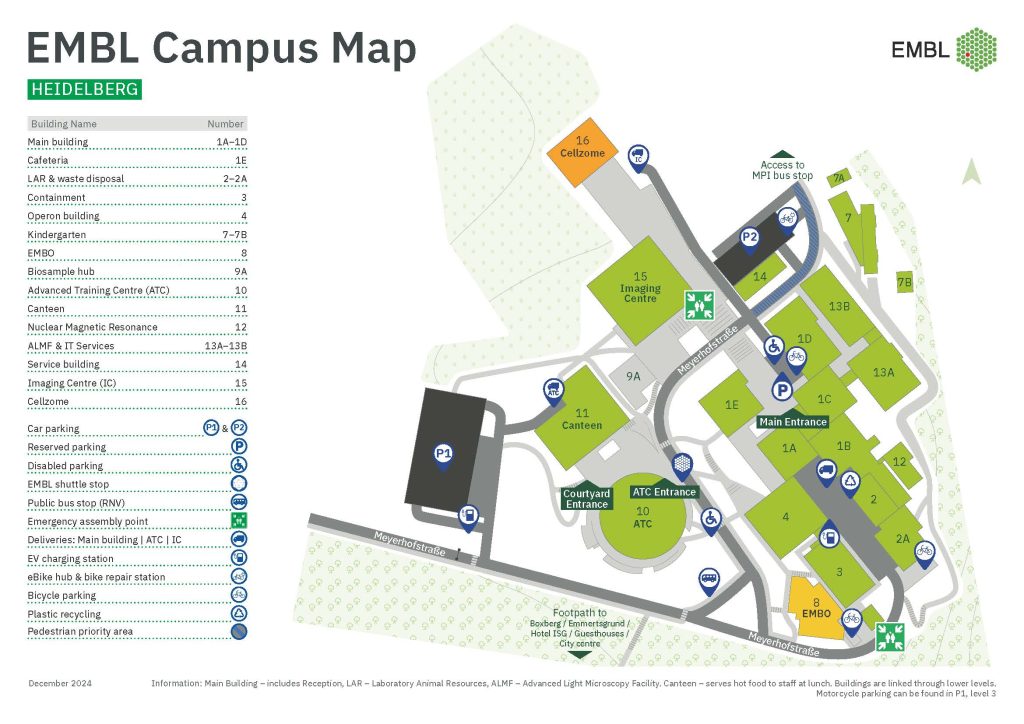
Please take a moment to read our health and safety policy.
If first aid is required
In case of fire
Beyond first aid
The Heidelberg University Hospital or ‘Universitätsklinikum‘ has a 24 hour accident and emergency facility and is at ‘Im Neuenheimer Feld 672’. It is a 8km or a 20 minute taxi ride away from EMBL. In a medical emergency, the ambulance service generally transports patients to this hospital.
Please remember to bring your own medication, if needed, to the conference. Note that the next pharmacy is a 4-minute drive from the EMBL, but for many medications you will be required to see a doctor to get a prescription.
Ensure in advance that your medical insurance will cover you during your visit in the event that you do need to see a doctor while in Heidelberg.
The EMBL course and conference office team are able to advise you on where to turn for emergency or non-emergency medical treatment in Heidelberg and can assist you in making appointments and / or arranging transport to get to the pharmacy or a doctor of your choice if necessary. Please note, we are not however permitted to personally accompany you off-campus.
A variety of activities in Heidelberg can be found on the website of Heidelberg Marketing.
(delete if no technical requirements for this course!)
The EMBL eCampus learning platform will be used to collaborate, communicate and network with all of the course participants. All participants will receive information on how to join shortly before the course. We recommend using Chrome, Safari or Mozilla Firefox browsers for eCampus.
Zoom will be used for the live talks and Q&A sessions. More information will be provided closer to the start of the course.
While using the software during the course, please make sure you have nothing else using your bandwidth. We recommend using a wired connection.
Please find additional information including FAQs and terms and conditions on our Information for Participants page.
Course partners

Course sponsors


Sponsorship opportunities
We offer a variety of event sponsoring possibilities, with the flexibility to select a set sponsorship package or combine individual sponsorship options to suit your event budget. Discounts are available for companies sponsoring multiple events at EMBL Heidelberg. View other conferences, or contact sponsorship@embl.org. for further information.
If you are interested in becoming a media partner of this event, please visit our media partnerships webpage.
EMBL advises sponsors to beware of fraudulent schemes falsely offering sponsorship opportunities. All legitimate communication about sponsorship for EMBL conferences, symposia, and courses comes directly from EMBL via official EMBL email accounts. EMBL does not use third parties for sponsorship acquisition.
– EMBL does not sell attendee lists.
– EMBL will never ask for credit card details or direct payments.
– All payments are processed by invoice only.
If you receive a suspicious message claiming to be from or on behalf of EMBL, please report it to sponsorship@embl.org.
Want to let others know you’re attending this event? Take a look at our shareable media and feel free to use them in your social media channels or presentations.

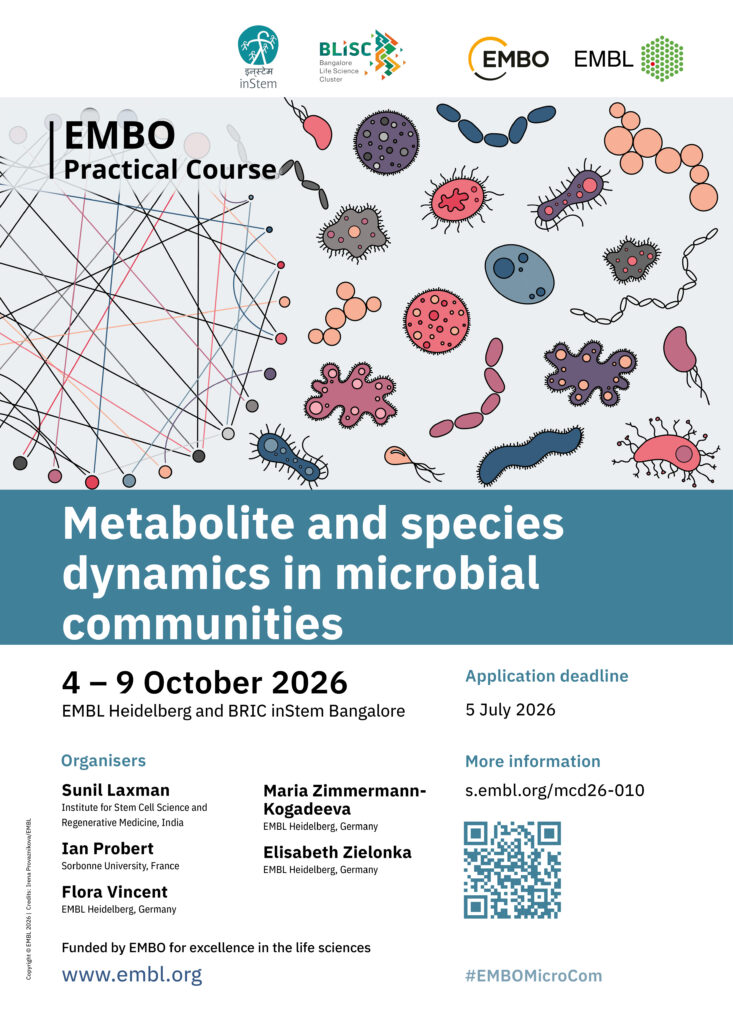
Date: 4 - 9 Oct 2026
Location: EMBL Heidelberg and Bangalore
Venue: EMBL Advanced Training Centre and BRIC inStem, Bangalore (a part of the Bangalore Life Science Cluster)
Deadline(s):
Application: 5 Jul 2026
Organisers:
Contact: Sophie Dutzi
Download event poster
empty