Science AI Strategy
We are pleased to announce EMBL’s AI Science strategy. The strategy outlines how EMBL can harness the potential of AI while fostering collaboration within and beyond the organisation.
EMBL has played a decisive role in some of the most influential AI breakthroughs in biology. Now we are building a European hub for ambitious AI experts to tackle complex interdisciplinary problems in biology.
Artificial intelligence is reshaping how we explore and understand life.
EMBL AI is EMBL’s ambitious new initiative that aims to make the most of the vast potential of AI-based approaches to advance scientific discovery.
A major boost to this ambition comes from a visionary long-term donation of more than €40 million by the German Hector Foundation. This funding together with EMBL’s investment in this area will enable the creation of dedicated AI research groups, data engineering teams, and state-of-the-art infrastructure, along with fellowship and skills development programmes that bridge AI and life sciences. These initiatives aim to attract top talent, foster collaboration across academia and industry, and embed AI firmly in the delivery of research infrastructures.
EMBL is creating a dynamic environment for AI-driven science in Europe. Our six sites host state-of-the-art experimental facilities and unparalleled open data resources. Dedicated AI research groups, new fellowships, and next-generation infrastructure will make EMBL an exceptional place for AI experts to contribute to fundamental discovery and real-world impact.
If you are passionate about pushing the boundaries of AI and its role in science, EMBL AI is the place to do it. Join us in shaping the future of biology.
EMBL has already played a decisive role in some of the most influential AI breakthroughs in biology. The AlphaFold revolution was powered by data resources from EMBL-EBI, making protein structure prediction freely available worldwide. EMBL scientists have pioneered AI-based methods in cellular and tissue imaging, enabling adaptive microscopy and advanced image analysis. Our researchers use machine learning to interpret genomic and proteomic data at scale, to discover biomarkers for disease, and to integrate diverse datasets across health and environment. EMBL is also advancing theory and modelling, building new AI-driven approaches to understand dynamic biological processes.
This strength is the foundation of EMBL AI: scaling up from key successes to a fully integrated strategy that advances AI methodology, builds AI-ready infrastructure, and embeds AI directly into experimental practice.
We are pleased to announce EMBL’s AI Science strategy. The strategy outlines how EMBL can harness the potential of AI while fostering collaboration within and beyond the organisation.
Join us to shape AI at EMBL to exploit the full potential of AI-based approaches to advance scientific discovery.
The Data Science Centre supports the AI community at EMBL by facilitating solutions for data related challenges across EMBL research and services.
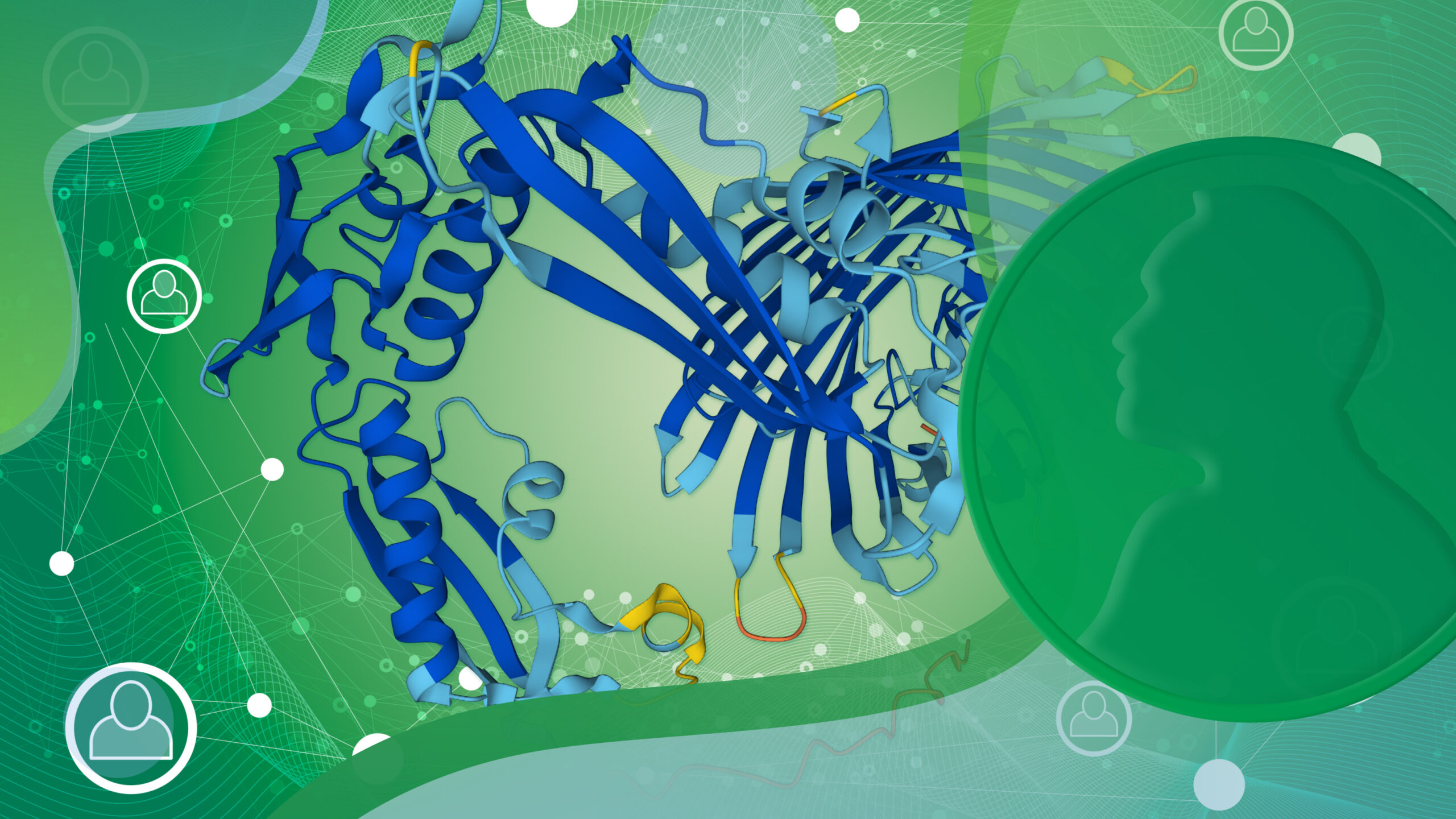
EMBL partnered with Google DeepMind to make the AlphaFold 2 predictions freely and openly available to all, through the AlphaFold Protein Structure Database.
The award recognised EMBL’s groundbreaking achievements in the research and development od AI and applying it to life science research.
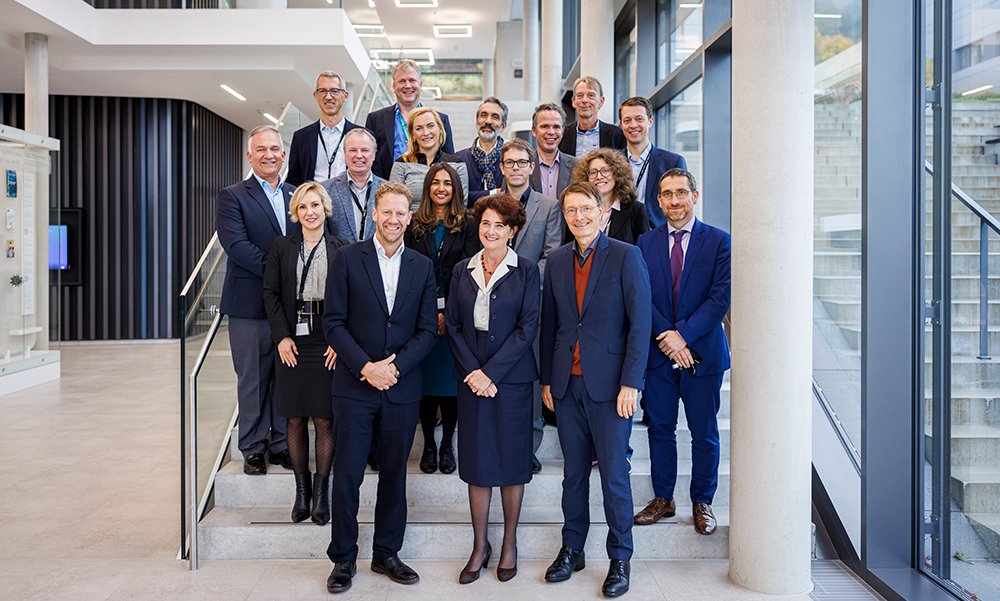
EMBL rountable brought together highlevel representatives from government, industry, and academia to explore how to leverage the power of AI for life sciences.
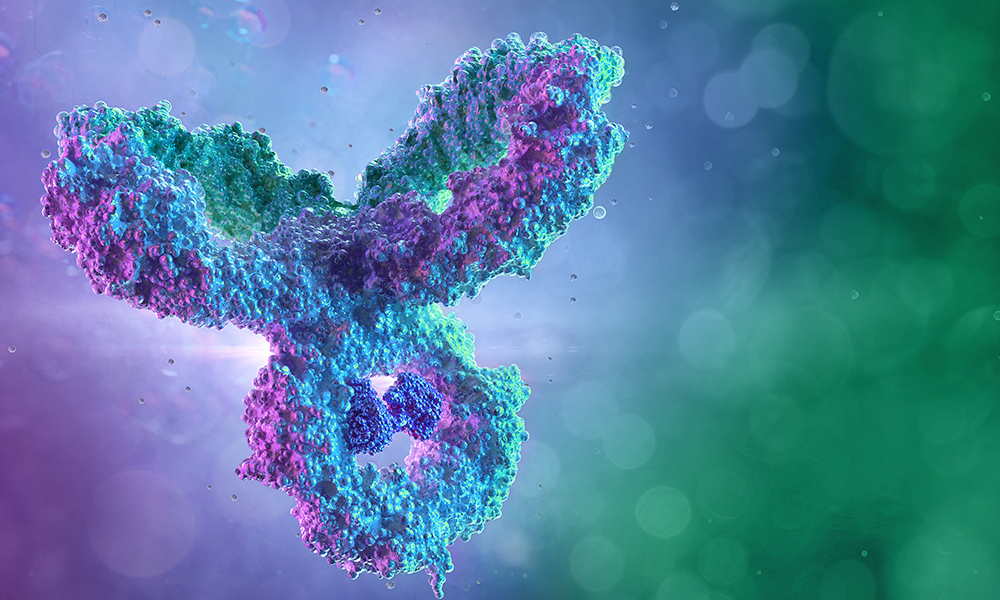
Former EMBL staff scientist founds a start-up – DenovAI – for broader, faster and cheaper antibody discovery using advanced machine learning and computational biophysics.
Research groups at EMBL have been increasingly incorporating AI in various areas of research and services. EMBL’s expertise in AI spans several key areas, including structural biology, image analysis, and genomics.
If you have any questions or want to speak with one of our experts, please do get in touch. We would be delighted to hear from you.
Contact us at: ai[at]embl.org
The Huber group develops statistical and computational methods for the analysis of new data types and novel, large systematic datasets.
The Kreshuk group develops machine learning-based methods and tools for analysis and interpretation of biological images, across scales and modalities.
The Stegle group develops and applies statistical and machine learning methods for deciphering molecular variation across individuals, space, and time.
The team combines computational and experimental approaches to unravel determinants and consequences of germline and somatic genetic variation with a special focus on disease mechanisms.
The group aims to understand how cellular networks are deregulated in diseases like cancer, integrating ‘Omics’ data and mechanistic molecular knowledge using machine learning.
Sameer Velankar oversees the teams that manage the Protein Data Bank in Europe and the AlphaFold Protein Structure Database, two essential resources for structural biology.
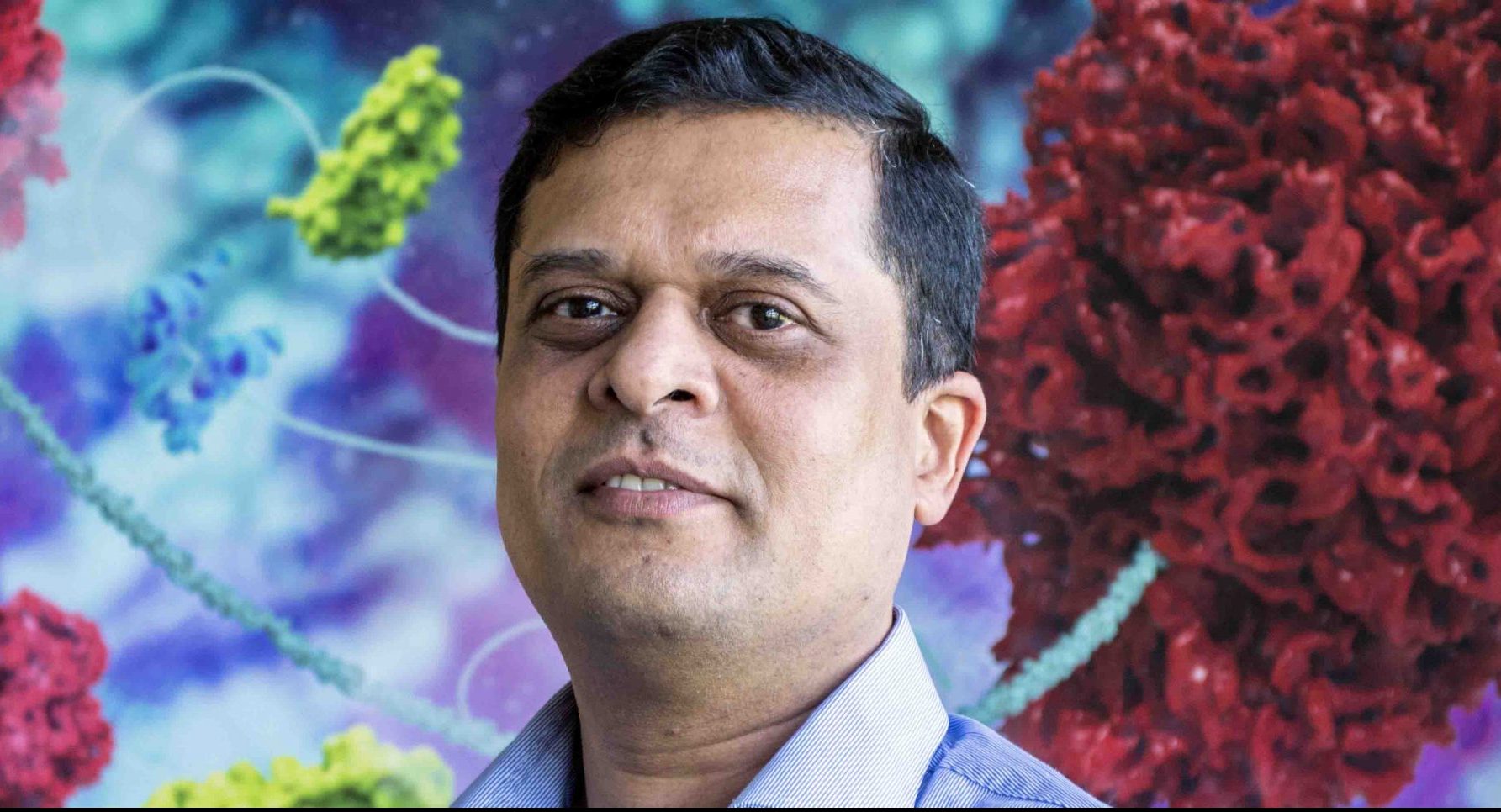
EMBL Team Leader Sameer Velankar and colleagues across EMBL discuss the applications that AlphaFold DB could enable.

EMBL group leader Oliver Stegle explains how AI tools have the potential to transform our ability to study and better understand the complexity of life.

Ewan Birney, Executive Director of EMBL, reveals the key factors that enabled AlphaFold to change the world of biology.
EMBL is an established player in the development and application of AI tools for life-sciences research, with research spanning all the biological scales, from the molecular, cellular, organismal and population levels. EMBL advances and uses AI methods for data analysis in three primary research areas: structural biology, omics, and imaging.
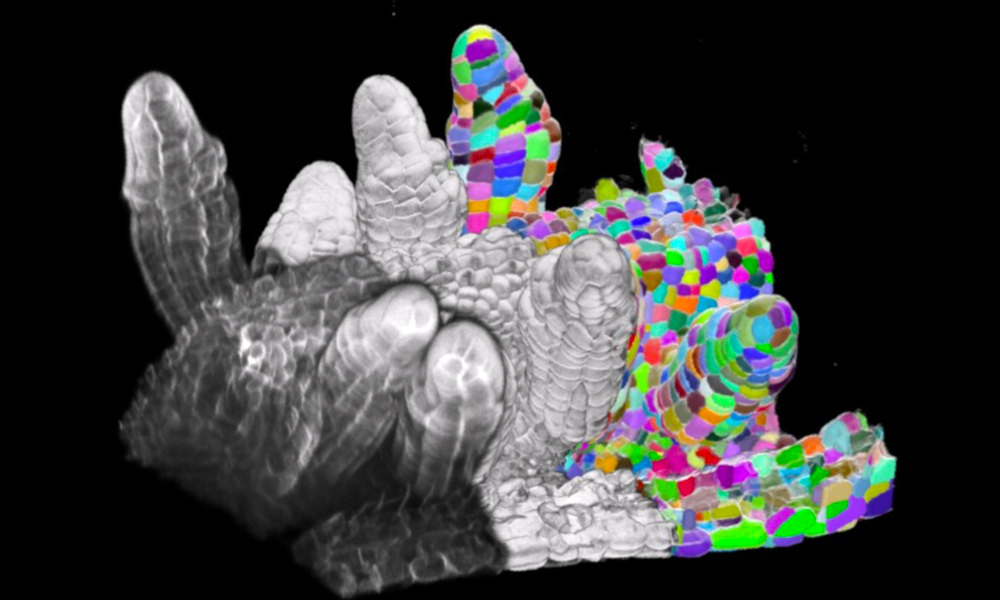
PlantSeg, a deep learning-based pipeline, allows for segmentation of dense plant tissues at single-cell resolution
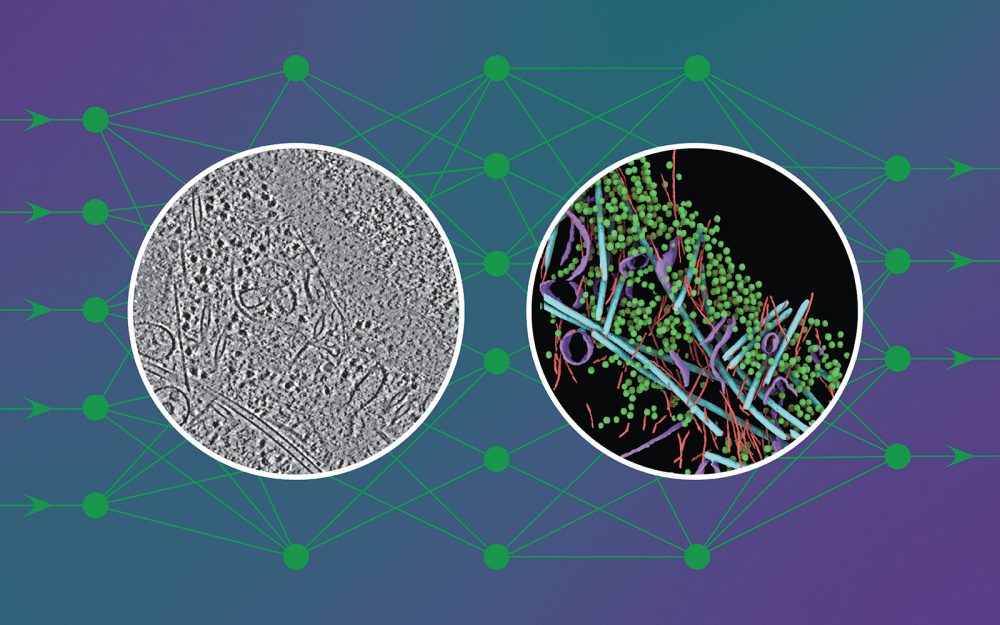
New artificial intelligence tool adds speed and detailed cellular information to analysis of cryo-electron tomography to aid researchers’ understanding of inner cell workings.
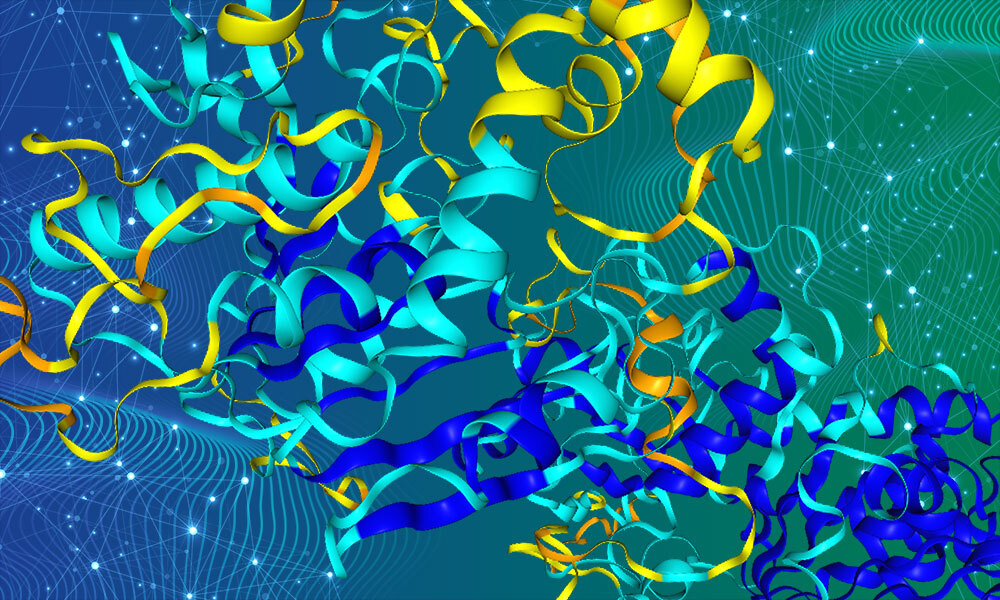
Researchers use the AlphaFold database and Foldseek Cluster algorithm to analyse millions of predicted protein structures and offer new insights into protein evolution.
The predictive power of AI approaches is dependent on the availability of high volumes of high-quality data. For more than three decades, EMBL’s European Bioinformatics Institute (EMBL-EBI) has been storing, curating, enriching, and making life science data generated by the scientific community openly available to everyone.
Our service teams also evaluate the use of machine learning techniques to build links between resources, improve efficiency and close gaps in knowledge. Examples include data curators at EMBL-EBI using machine learning (ML) approaches to accelerate the creation of knowledge bases by allocateing function to genes at an unprecedented rate, and a collaboration with Google Research to annotate uncharacterised proteins, giving millions of proteins a functionally relevant name.
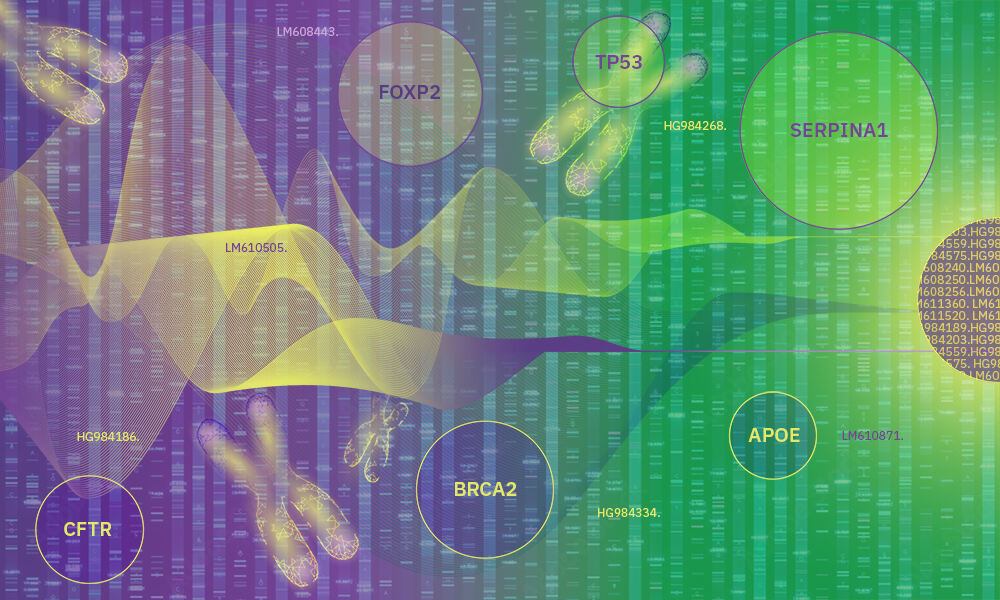
Researchers in the Ensembl team are making the most of machine learning methods to speed up genome annotation pipelines.
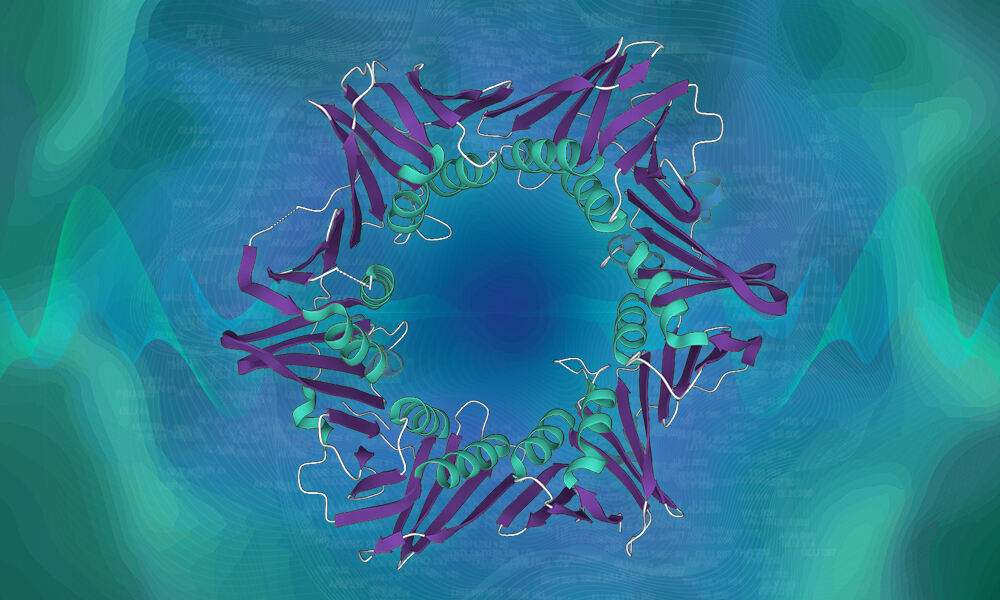
Over 40 million protein annotations have been added to the UniProt database using a Google Research natural language processing model.

How text mining collaborations benefit our research, data resources, and the wider scientific community.
EMBL delivers world-class courses, conferences and workshops at the forefront of molecular life science including the field of AI to provide knowledge and skills in this fast growing field and to connect the local and global AI community.
To truly tap into the benefits of technology, users need to understand how it works, grasp its limitations, and employ it responsibly.

This conference aimed to catalyse synergistic interactions between AI researchers in different subfields of biology by exploring shared theoretical approaches, cross-domain experiments, and data integration.

The EMBL-EBI Training Team works with experts in the field of AI to deliver training that can help you build your own machine learning models and understand how to interpret the AI features in our data resources.
As Europe’s only international life sciences research organisation, EMBL also aims to foster new collaborations to connect the life science and AI communities in Europe. EMBL is highly active in bringing together research communities around the topic of AI and its applications to the life sciences.
ELLIS supports AI in the life sciences, linking EMBL’s activities with international partners. This includes a strategic partnership to drive AI advancements in European life science research and training

AIH was established as part of the Heidelberg-Mannheim Health and Life Science Alliance to combine excellence and expertise and foster collaboration on cutting-edge research for AI applications.
The Barcelona Collaboratorium for modelling and predictive Biology is coordinated by EMBL and CRG, to promote theory, mathematical modelling and AI in biology.
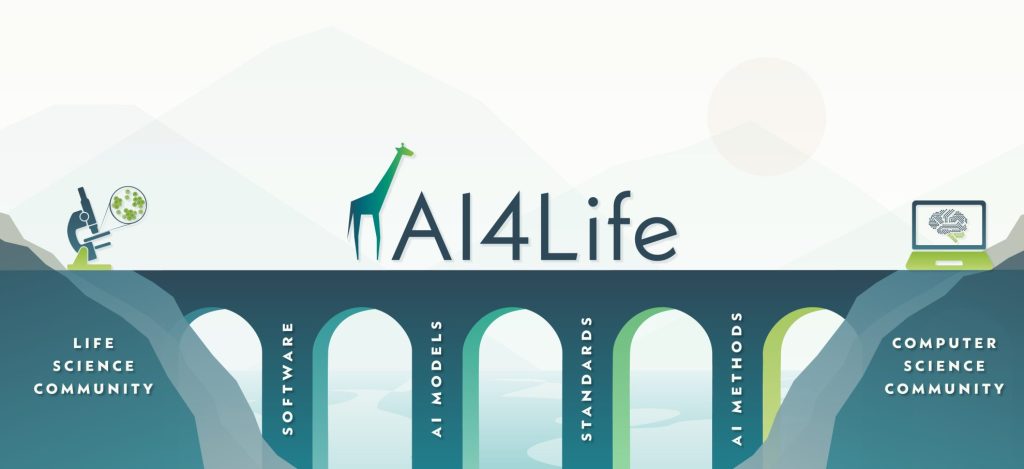
Researchers across EMBL are helping to make artificial intelligence (AI) models for bioimaging analysis interoperable and openly available to the scientific community.
Science, technology, and ethics have always been closely intertwined concepts. The ethics surrounding scientific research, form part of the bedrock of modern research endeavours and ensure that the highest standards are maintained as we extend the frontiers of human knowledge. EMBL’s Bioethics Services provides the organisation with guidance on ethical issues arising through the rising the role of AI within the life sciences in research. It coordinates training via the Ethics Academy, and delivers an external engagement programme on the ethical, legal, and social implications of EMBL’s research via Science & Society.
EMBL’s 2023 Science & Society conference set the stage for a deep dive into the ethical considerations surrounding the use of technology and organoids in life science research.
We always welcome enthusiastic people to join our growing AI community. We are open to varying areas, career stages and levels of AI expertise. Contact us at: ai[at]embl.org if you would like to learn more!