19 August 2026
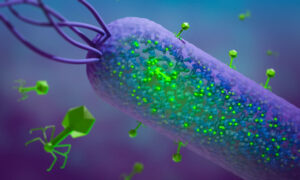
Scientists have found how phages, viruses that infect bacteria, effectively set off an explosion of protein modifications inside host cells that helps them evade the bacteria’s immune system.
SCIENCE & TECHNOLOGY
10 July 2024
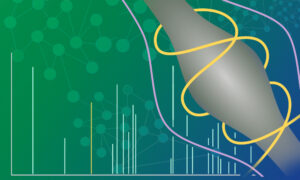
The dynamic world of proteomics is shaping the future of personalised medicine, but some obstacles stand in the way
SCIENCE & TECHNOLOGY
2024
perspectivesscience-technology
25 January 2024
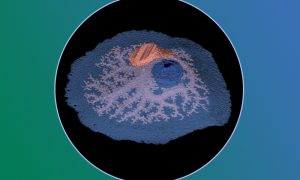
Sponges lack muscles and neurons. Yet, they make coordinated movements. Scientists at EMBL Heidelberg have discovered that sponge movement is controlled by an ancient ‘relaxant-inflammatory’ response that is also present in vertebrate blood vessels. The findings shed light on sponge physiology…
SCIENCE & TECHNOLOGY
2024
sciencescience-technology
8 September 2021
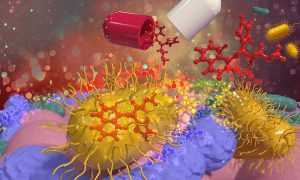
A new collaborative study led by EMBL group leaders Kiran Patil, Nassos Typas, and Peer Bork has found that common medications accumulate in human gut bacteria. This process reduces drug effectiveness and affects the metabolism of common gut microbes, thereby altering the gut microbiome.
SCIENCE & TECHNOLOGY
2021
sciencescience-technology
7 July 2021
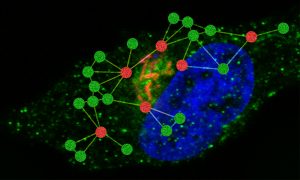
Research in the Typas group uncovers new details of the strategies Salmonella uses to survive in infected cells.
SCIENCE & TECHNOLOGY
2021
sciencescience-technology
16 February 2021
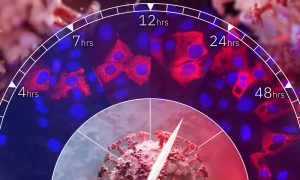
A team of EMBL scientists and colleagues have analysed how the novel coronavirus affects proteins in human cells. They identified several human proteins as potential drug targets to prevent viral replication.
SCIENCE & TECHNOLOGY
2021
sciencescience-technology
No results found