Nobel laureate Svante Pääbo to deliver 2026 Kafatos Lecture
Talk by evolutionary geneticist to explore how traces of Neanderthal DNA shape human biology and health today
By Tom Furnival-Adams, Alumni Engagement Officer
EMBL will host its 2026 Kafatos Lecture on Friday 9 October, at 18:00 at IMBB-FORTH in Heraklion, Crete – returning the flagship public event to Fotis Kafatos’s birthplace for the first time since its inaugural year.
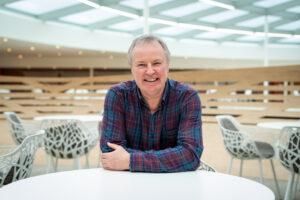
The lecture will be delivered by Svante Pääbo, Director at the Max Planck Institute for Evolutionary Anthropology in Leipzig, and recipient of the 2022 Nobel Prize in Physiology or Medicine.
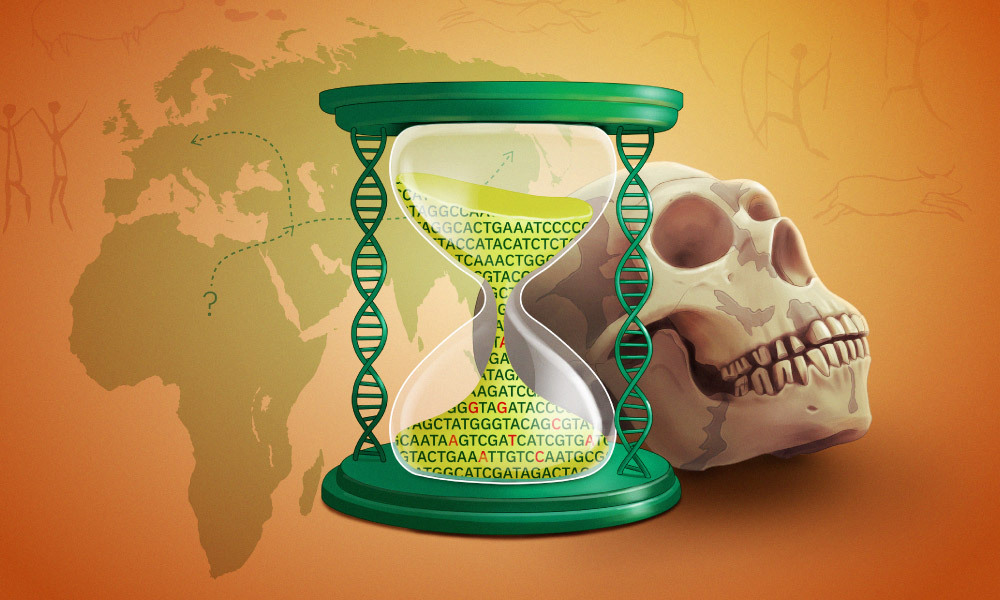
Widely regarded as the founding father of paleogenomics – the study of ancient DNA – Pääbo led the Neandertal Genome Project, achieving the first sequencing of a Neanderthal genome and revealing that Neanderthals and modern humans interbred. His team later discovered a previously unknown hominin group, Denisovans, identified through DNA extracted from a small bone fragment found in Siberia. These breakthroughs fundamentally transformed our understanding of human evolution and the genetic legacy shared with our extinct relatives.
In his Kafatos Lecture, titled ‘A Neandertal Perspective on Human Origins and Health: How Ancient DNA is Revealing New Insights into Disease and Biology’, Pääbo will explore how genetic material inherited from Neanderthals and Denisovans continues to influence modern humans. His research has shown that people of non-African ancestry carry around 1–2% Neanderthal DNA, with some of these ancient variants shaping our immune responses, metabolism, and vulnerability to disease. Remarkably, certain Neanderthal-derived genes increase susceptibility to severe COVID-19 while also offering protection against HIV infection.
Drawing on recent work from his lab, Pääbo will also describe how these ancient genes are now being studied using gene-editing technologies and organoid models, effectively turning back the genetic clock to observe evolution in real time. His discoveries continue to redefine what it means to be human – and how our distant evolutionary past still influences our biology, health, and resilience today.
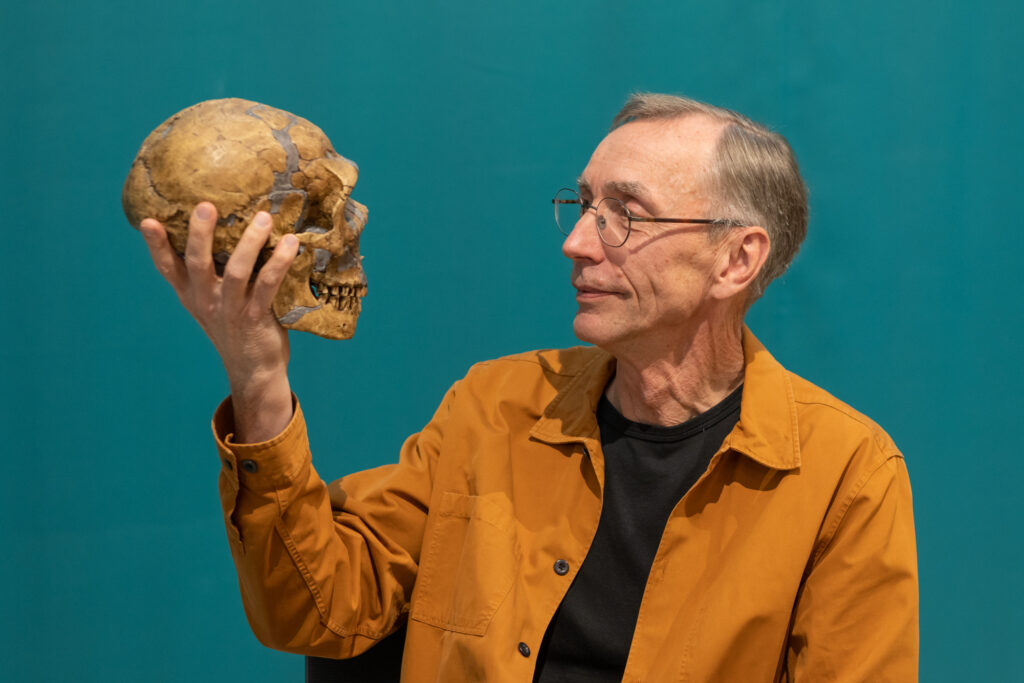
Pääbo said: “I feel very moved to give the 2026 Kafatos Lecture. It is especially moving to do it on Crete, the place where Fotis Kafatos was born and raised. I only met him a few times, but I am well aware how his positive influence lives on at EMBL, the ERC, and elsewhere. To give this lecture in his honour is both an honour and a pleasure.”
Now in its fifth year, the Kafatos Lecture series is organised by EMBL’s Alumni Relations Office to bring groundbreaking and socially relevant life sciences research to the public, especially to students and young scientists worldwide. The 2026 lecture is once again generously supported by the Bodossaki Foundation.
Admission is free, but registration is mandatory. The hybrid event will also be streamed live, with advance registration available online, and a recording will be made available afterwards.
Previous Kafatos Lectures have featured May-Britt Moser (2025), Hans Clevers (2024), Elena Conti (2023), and Denis Duboule (2022).
Nominations for future Kafatos Lecture recipients are open all year round.