Reflections from the EMBL Conference ‘Cancer genomics’ by our event reporter, Ankita Murmu
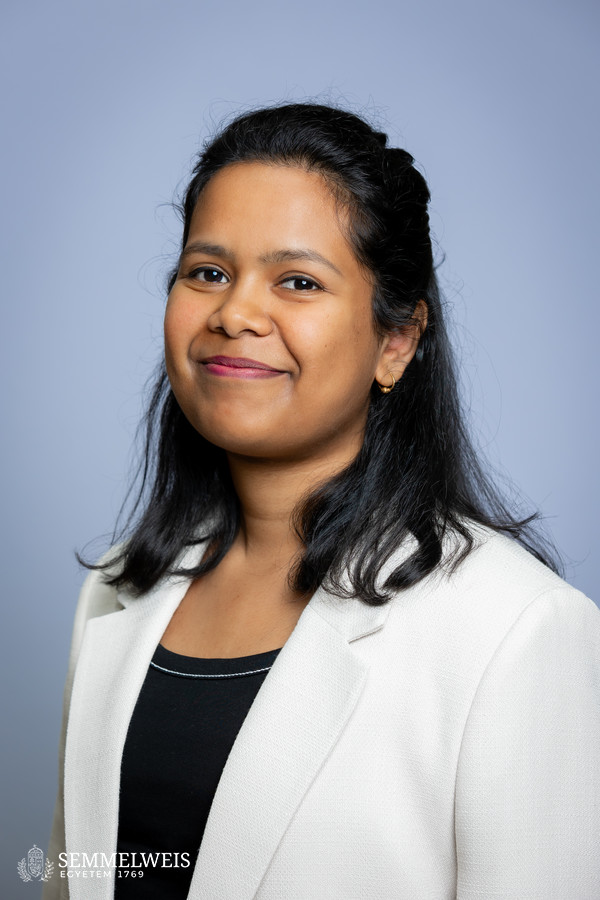
Written by Ankita Murmu, PhD student at the Semmelweis University, Hungary
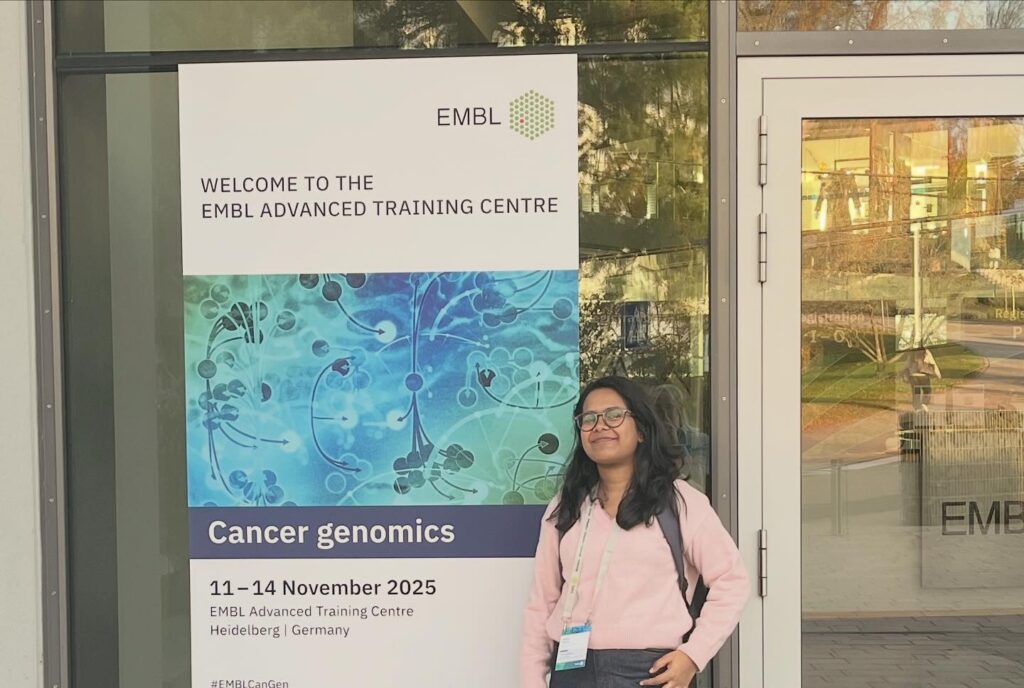
The ‘Cancer genomics‘ conference took place from 11 – 14 November 2025 at EMBL Heidelberg, Germany. It was an incredible experience. Huge thanks to EMBL for giving me the opportunity to be part of this vibrant scientific conference. Over four days and six sessions, scientists from around the world shared exciting new advances in cancer genomics. I was fortunate to listen to these talks, so here is a summary of the highlights and my overall experience as an event reporter.
Key highlights
The conference kicked off with a fascinating keynote on extrachromosomal DNA, highlighting its emerging role in generating and amplifying oncogenic fusions and its potential significance as a predictor of cancer patient survival.
Session 1 on “AI and machine learning in cancer genomics” showed how computational innovation is transforming cancer research. Talks ranged from modelling the spatial ecology of cancer hallmarks to genome-wide predictions of somatic mutation probabilities. Advances in cancer genome-foundation models capable of stratifying human cancers from whole-genome sequencing data were presented, along with an intriguing question: can morphology alone predict driver mutations from histological images? Although the session was short, it highly emphasised how the integration of AI is accelerating precision oncology.
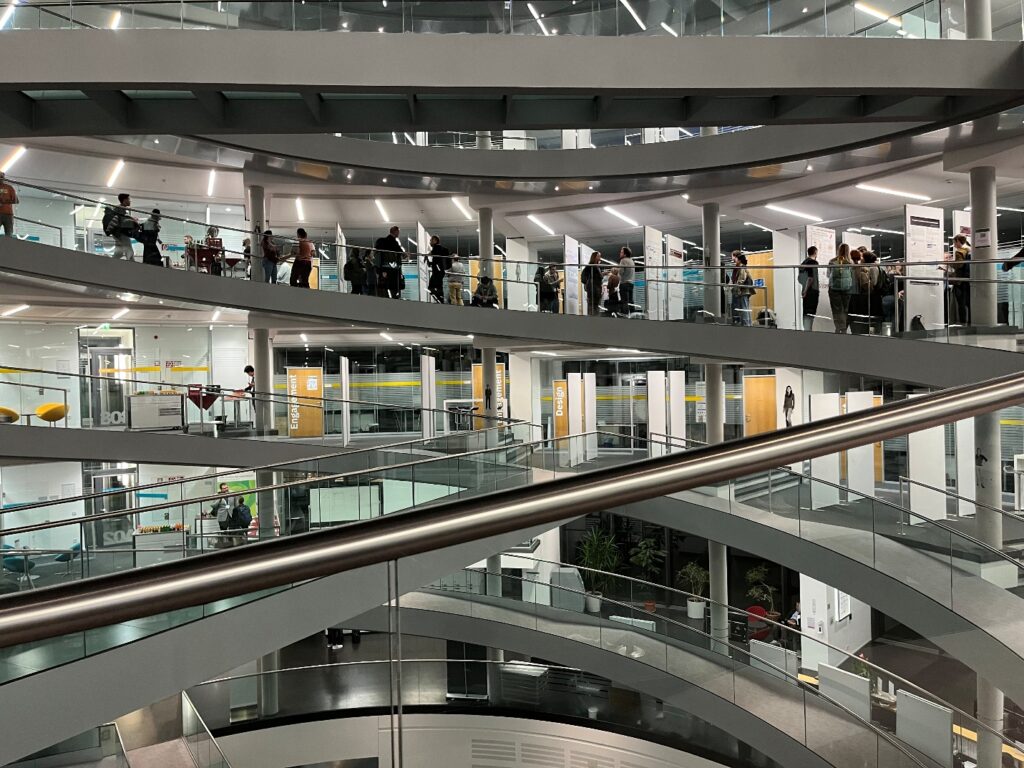
Day 2 began with Session 2 on “Clonal Evolution and Tumorigenesis”, highlighting the role of clonal hematopoiesis of indeterminate potential in evolution and its association with survival in solid tumours. Additional talks offered insights into tumour transmission in monozygotic twins, the evolutionary history and dynamics of cancer. During the coffee break, I also enjoyed discussing and connecting with fellow participants.
Session 3 started with a talk on methylation dynamics in acute myeloid leukaemia, followed by several interesting discussions, including UV-mutational signal metrics as predictors of melanoma-specific survival and 3D modelling of pancreatic intraepithelial neoplasia. This session also highlighted the development of tools for chromatin-compartment-based patient stratification and for detecting copy-number aberrations from cell-free DNA. The session ended with an interesting talk on the Dutch Childhood Cancer Genome Project and its progress in identifying key pathogenic gene fusions using RNA-Seq and whole-genome sequencing, and in predicting early tumour driver genes.
On day 3, Session 4 focused on copy-number gains from chromosome breakage, de novo chromosomal abnormalities, the landscape of Y chromosome loss in pediatric malignancies, and variation in centromere structure and its impact on cancer translocations. This was followed by talks focusing on the analysis of mutational signatures in colorectal and bladder cancer across countries.
Further, Session 5 covered cancer microenvironment, immunology, and other topics. It was interesting to learn how the analysis of multi-omics data, such as genomics and transcriptomics, was advancing understanding of cancer and immune cells. The session wrapped up with a talk focusing on the pan-cancer analysis of patient-specific gene regulatory landscapes and on the MYC gene as a potential target for osteosarcoma. Following these talks, I also enjoyed the super exciting poster session!
On the final day of the conference, the talks addressed the genomic underpinnings of cancer disparities, showcasing how integrative single-cell and spatial analyses help to understand the generality and specificity of the tumour microenvironment. A very interesting high-throughput SYNGN platform for screening cancer-specific drug sensitivities in glioblastoma was also presented. Talks exploring genetic ancestry shed light on the biological determinants of racial and ethnic disparities in endometrial cancer. Finally, the conference concluded with an amazing talk on cancer susceptibility genomics from a public health perspective, emphasising the growing role of polygenic risk scores in breast cancer screening and early detection strategies.
Social activities
Who says scientists can’t have fun?
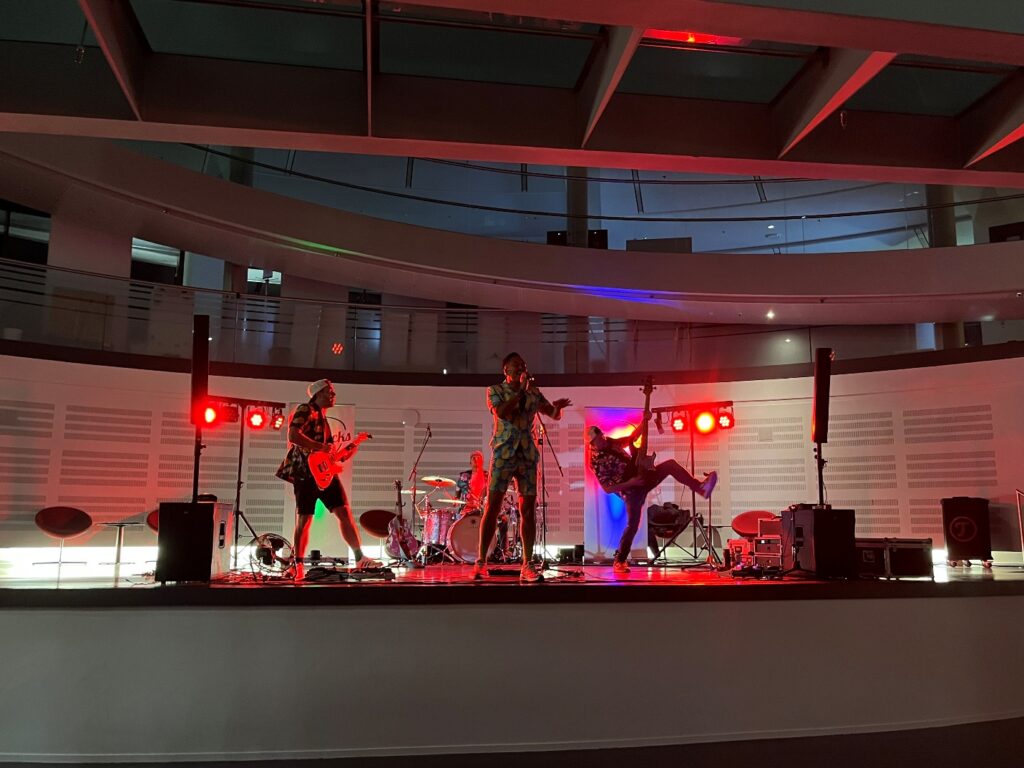
Apart from the scientific sessions, the lively social events were a great opportunity for me to engage with the speakers and the participants. The pub quiz and after-dinner drinks provided a fun, relaxing environment for me to exchange ideas and unwind after the intense scientific sessions. An evening party with live music was the perfect way to connect informally and enjoy the music.
Final thoughts
Across all four days, the discussions emphasised a clear message: the future of cancer research lies in integrating -omics data at different levels, computational frameworks, and diverse patient populations. The conference highlighted both the remarkable progress achieved and the challenges that still remain in cancer research.
I want to express my gratitude to EMBL for offering me the opportunity to attend the ‘Cancer genomics’ conference as an event reporter. This experience not only broadened my scientific perspective but also strengthened my understanding of ongoing cancer research. I truly enjoyed the conference, met wonderful people and had an amazing overall experience!
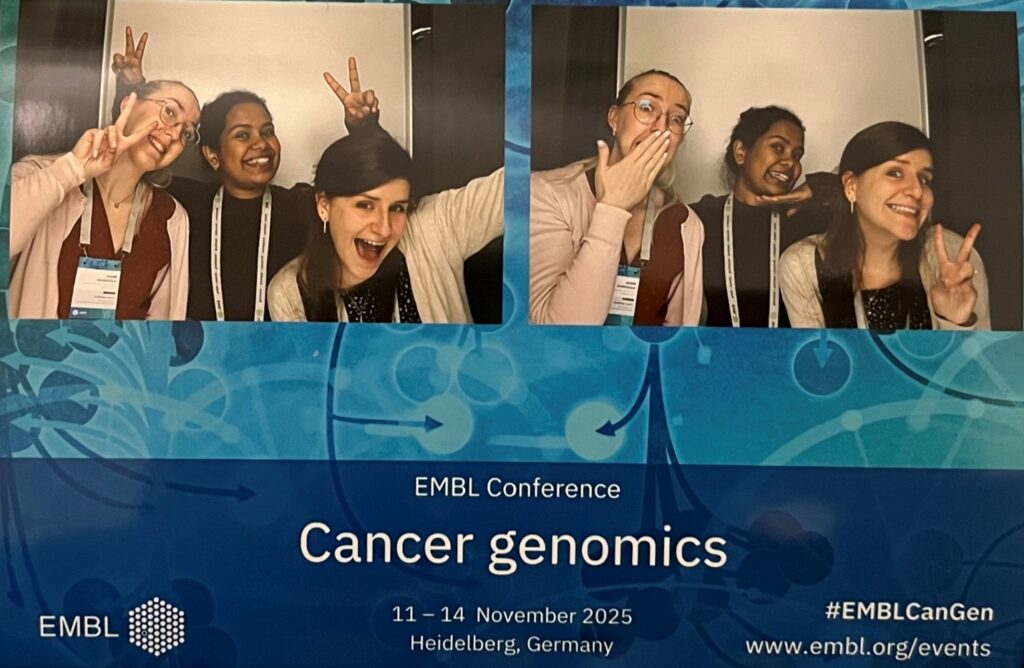
The EMBL Conference ‘Cancer genomics’ took place between 11 – 14 November 2025 in Heidelberg, Germany, and virtually.
Did you know that you can become an event reporter and receive a conference fee waiver in exchange? Find out how to do that by visiting our Become an event reporter page.