Decoding the Epigenetic Clock
Hands-on resource on epigenetics
Introduction
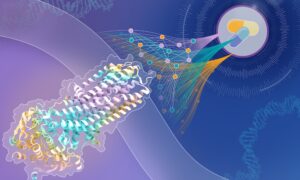
Although most cells in a multicellular organism have the same DNA, they can look and function very differently. This resource introduces students to epigenetics: reversible changes in gene activity that do not alter the DNA sequence itself. Students will learn about two key epigenetic mechanisms: histone modifications and DNA methylation. The primary focus of this resource is on how epigenetic changes, particularly DNA methylation patterns, can serve as powerful tools in ageing research. Through analysing simplified datasets, students will investigate epigenetic clocks and discover how these molecular patterns change predictably over time, allowing scientists to estimate biological age.
Overview
This flexible resource is designed for secondary school teachers and students aged 16–19. It supports both traditional classroom teaching and flipped learning. It contains fact sheets on genetics and epigenetics, as well as student worksheets featuring data-driven activities and comprehensive teacher support materials.
Students can explore epigenetic mechanisms such as DNA methylation, analyse real-world datasets and develop their own epigenetic clock model. The resource reinforces basic knowledge of DNA and gene expression while developing data analysis skills.
Aligned with major curricula (GCSE, A-Level, IB and AP), it enables students to evaluate the role of epigenetics in understanding biological ageing.
Resource package
Click the buttons below to access the PDF resource in your preferred language.
We welcome your and your students’ feedback on the resource, so feel free to share it with us via email at teacher-training@embl.org.
Decoding the Epigenetic Clock_ENGLISHDecoding the Epigenetic Clock_BOSNIAN-CROATIAN-MONTENEGRIN-SERBIAN
Decoding the Epigenetic Clock_CATALAN
Decoding the Epigenetic Clock_DUTCH
Decoding the Epigenetic Clock_FRENCH
Decoding the Epigenetic Clock_GERMAN
Decoding the Epigenetic Clock_GREEK
Decoding the Epigenetic Clock_ITALIAN
Decoding the Epigenetic Clock_LATVIAN
Decoding the Epigenetic Clock_POLISH
Decoding the Epigenetic Clock_PORTUGUESE
Decoding the Epigenetic Clock_SLOVAK
Decoding the Epigenetic Clock_SPANISH
Instructor slides
We share an instructor slide deck to support your teaching and make lesson prep easier.
Originally developed by EMBL, please feel free to download, translate, and adapt them to fit your classroom’s needs—we just ask that you credit EMBL as the source.
Video guide on Activity 1
Step-by-step video guide to Activity 1 of the “Decoding the Epigenetic Clock” resource. Watch in order as you work through the activity.
Access the video guide here: https://www.youtube.com/playlist?list=PLaAV5NFyk3nM

Topic area: Epigenetics & Neurobiology
Type of resource: Hands-on
Age group: 16-19
Contact: SEPE team
Author: Katherine Barry and Teodora Dobreva
Share: