Beyond DNA: 2026 Teacher Ambassadors Explore Epigenetics
Written by: Livia Klostermann
Edited by: Katherine Barry and Teodora Dobreva
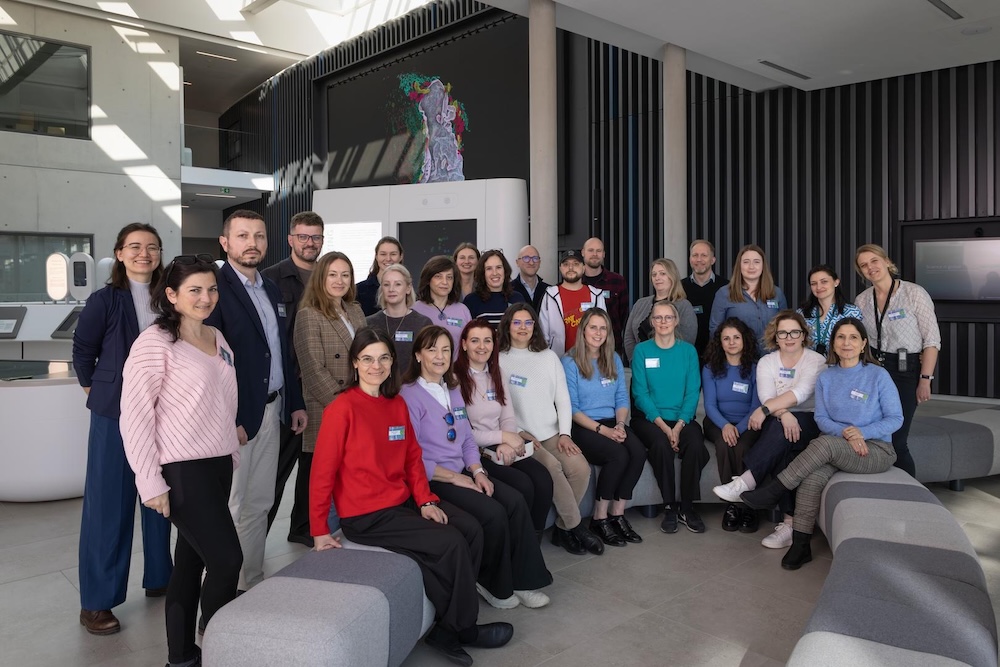
This March, bathed in spring sunshine, the EMBL Heidelberg campus welcomed a new cohort of STEM educators, as SEPE launched the Teacher Ambassador Programme for the fourth time. The 2.5-day training course marked the start of a programme designed to bring cutting-edge epigenetics research into classrooms across Europe.
This year’s train-the-trainer course titled “Epigenetics Explained” invited 20 participants to explore this exciting area of research. Alongside scientific insights from EMBL researchers, participants got introduced to EMBL’s newly designed epigenetics resource, ready-to-use in the classroom. The course also offered networking opportunities and very practical workshops on planning courses, preparing participants to share their knowledge, skills, and teaching materials with colleagues. With continued EMBL support, they will go on to deliver their own training sessions, based on the EMBL teacher training model, maximising their impact as EMBL Teacher Ambassadors in their home countries.
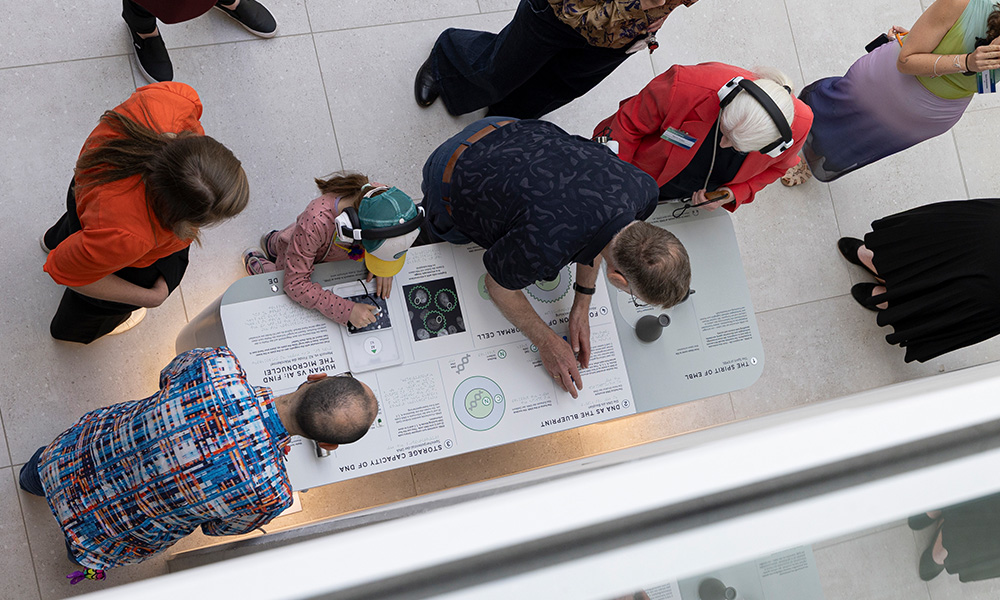
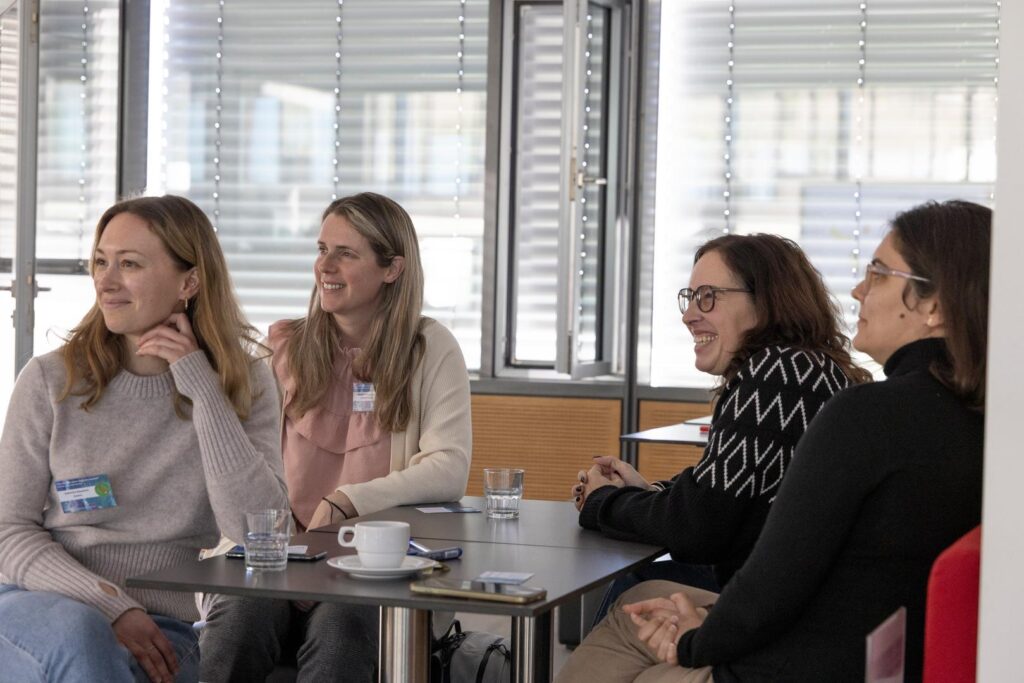
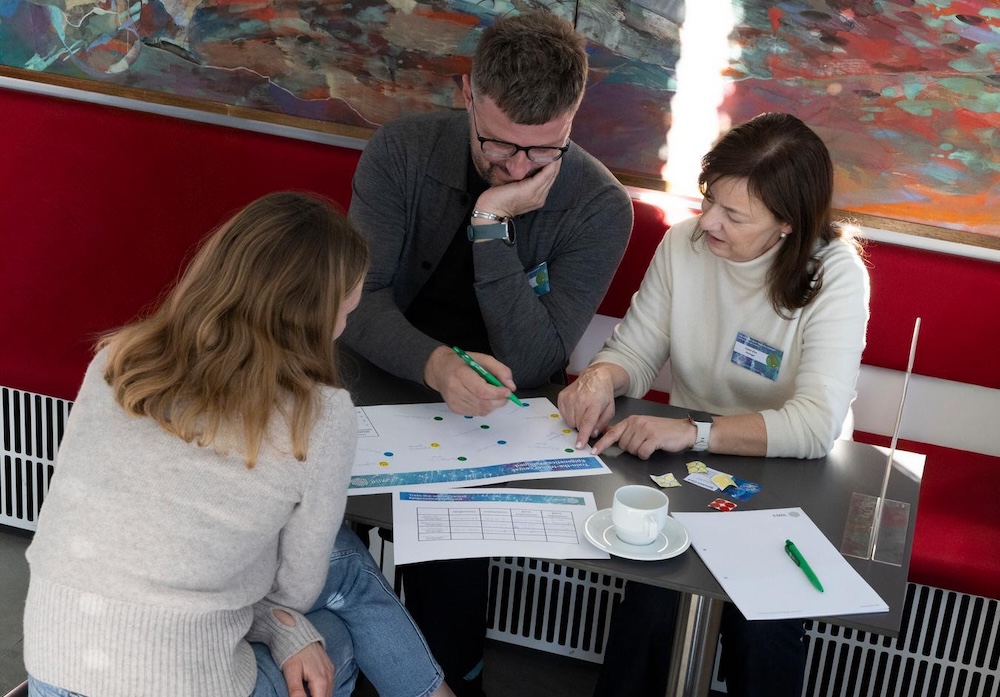
The course began with an afternoon dedicated to networking and orientation, providing participants with an opportunity to connect with each other and find out more about their shared interests and the programme ahead. Participants had the opportunity to get to know one another through lively exchanges and games, while sharing their existing knowledge of epigenetics and exchanging ideas on teaching approaches and useful classroom resources.
Copyright: CC BY SA 3.0 IGO
Credit: EMBL Photolab/Joseph Franciosa
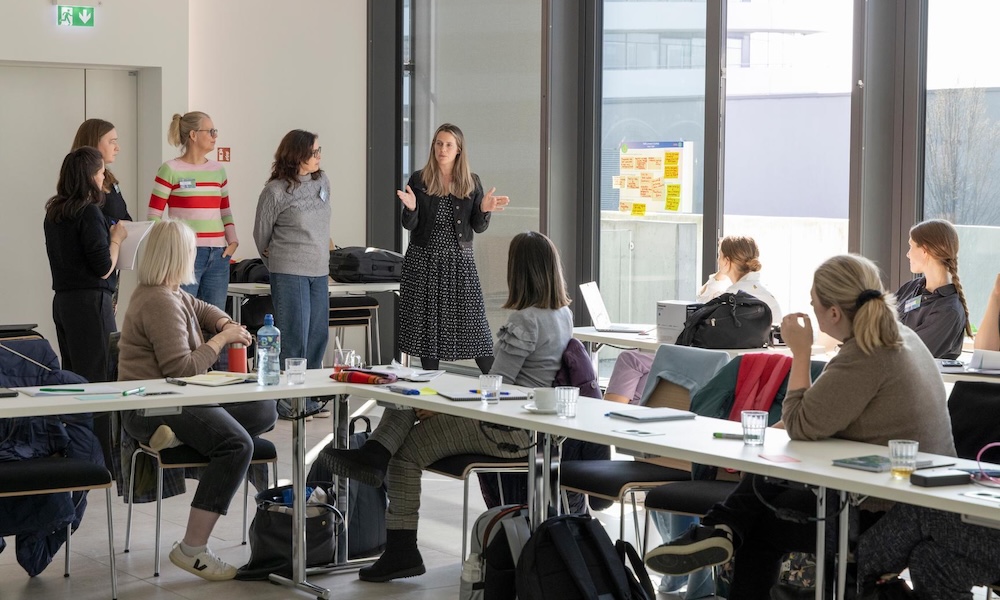
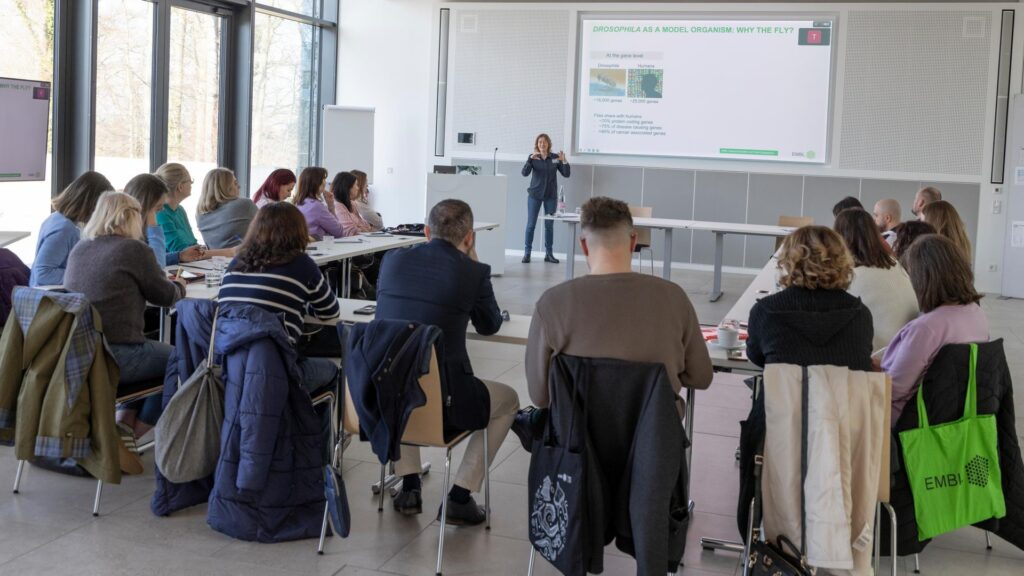
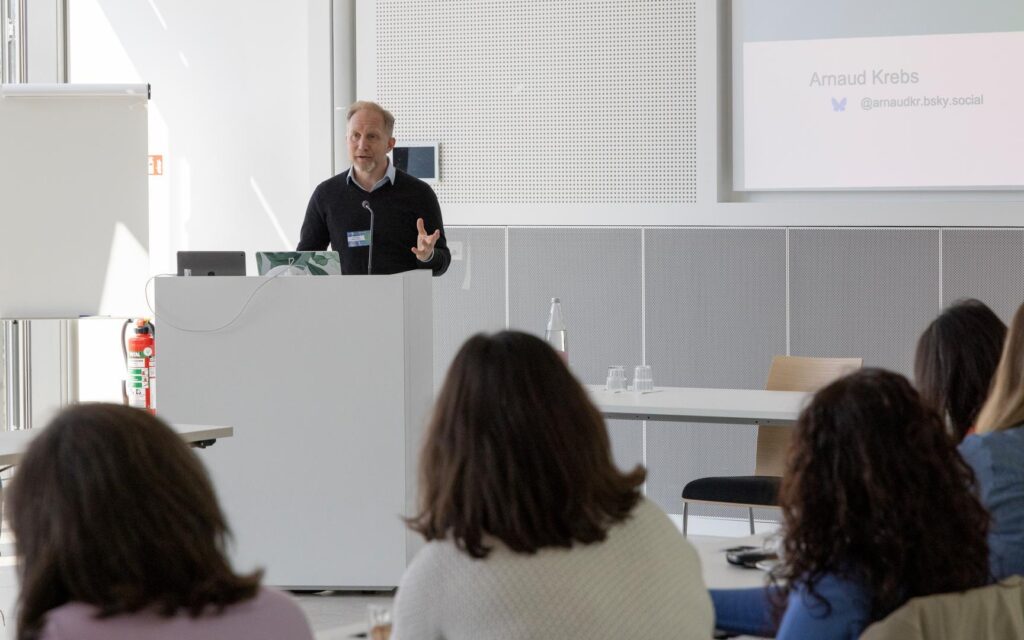
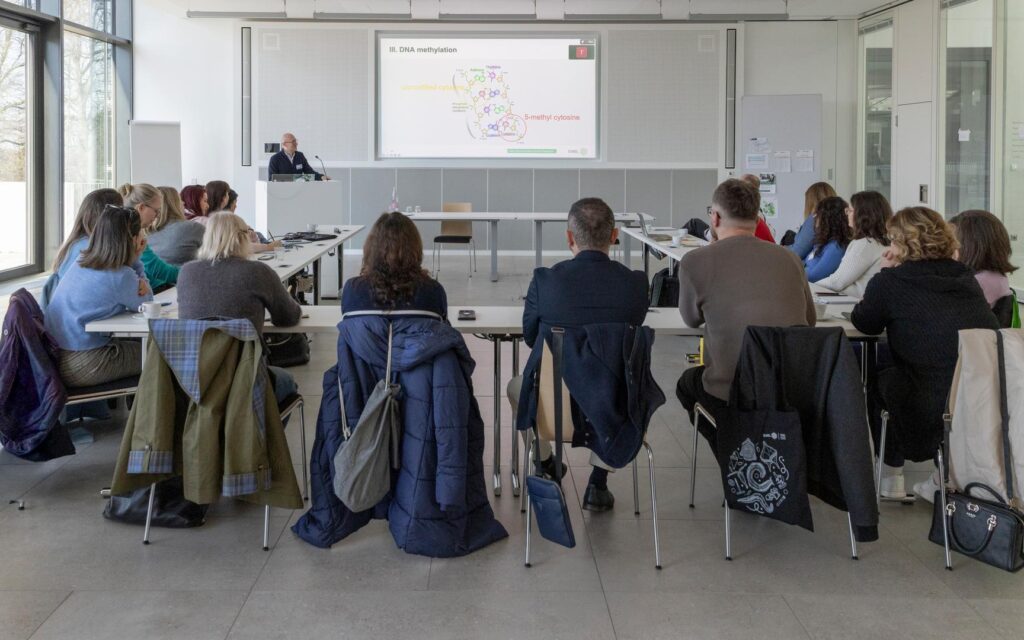
The second day of the course focused on science and teaching resources. Through a series of lectures, participants were introduced to current epigenetics research by scientists from EMBL Heidelberg and Rome. These lectures provided insights into key concepts and ongoing discussions in the field, covering topics such as gene regulation, epigenetic silencing, inheritance and environmental influences. Eileen Furlong provided an overview of genome organisation and regulation, while Matthieu Boulard gave an overview of epigenetics, including some controversial studies that are widely discussed in the field. Ana Boskovic then explained whether the environment can impact phenotype across generations, and Arnauld Krebs concluded the series by summarising the role of epigenetics in gene expression over time. Together, these sessions provided participants with an up-to-date overview of this rapidly evolving area of research.
Copyright: CC BY SA 3.0 IGO
Credit: EMBL Photolab/Joseph Franciosa
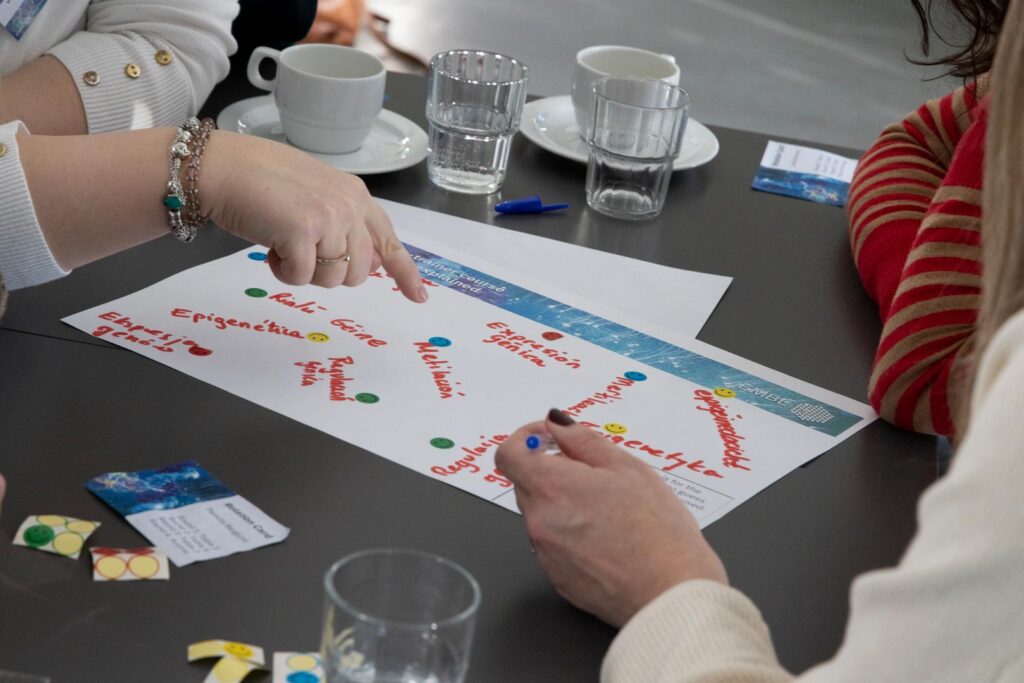
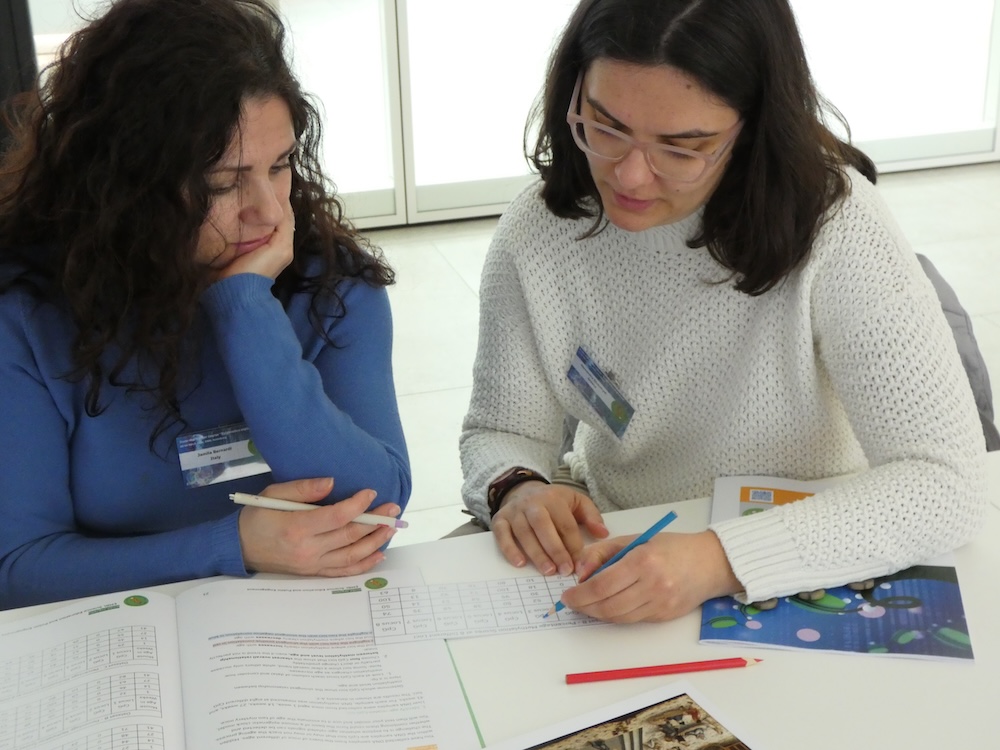
Another key part of the course was the introduction of our new teaching resource, designed to make epigenetics more accessible and engaging for students in the classroom. Participants immersed themselves in the resource by designing an epigenetic clock using simplified datasets inspired by the research of EMBL and its collaborators.
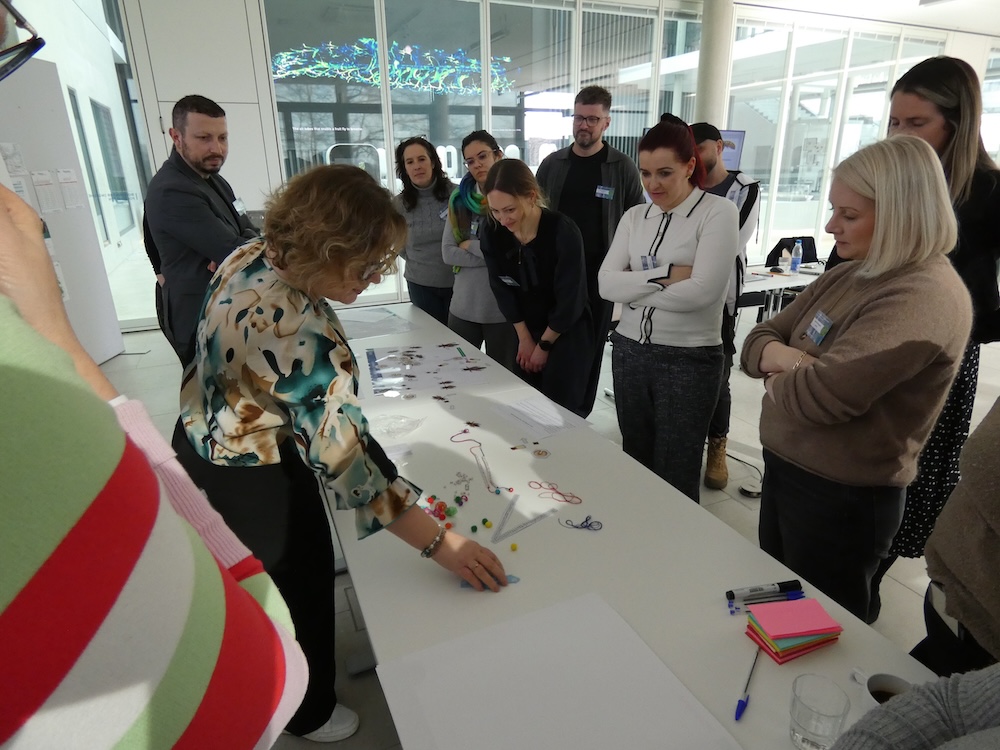
Furthermore, teachers tested optional activities that formed part of the resource, such as creating a tactile model of epigenetic changes using marshmallow ‘histone’ models and asking students to explain a scientific paper in under two minutes. These activities aim to make complex concepts more tangible for students.
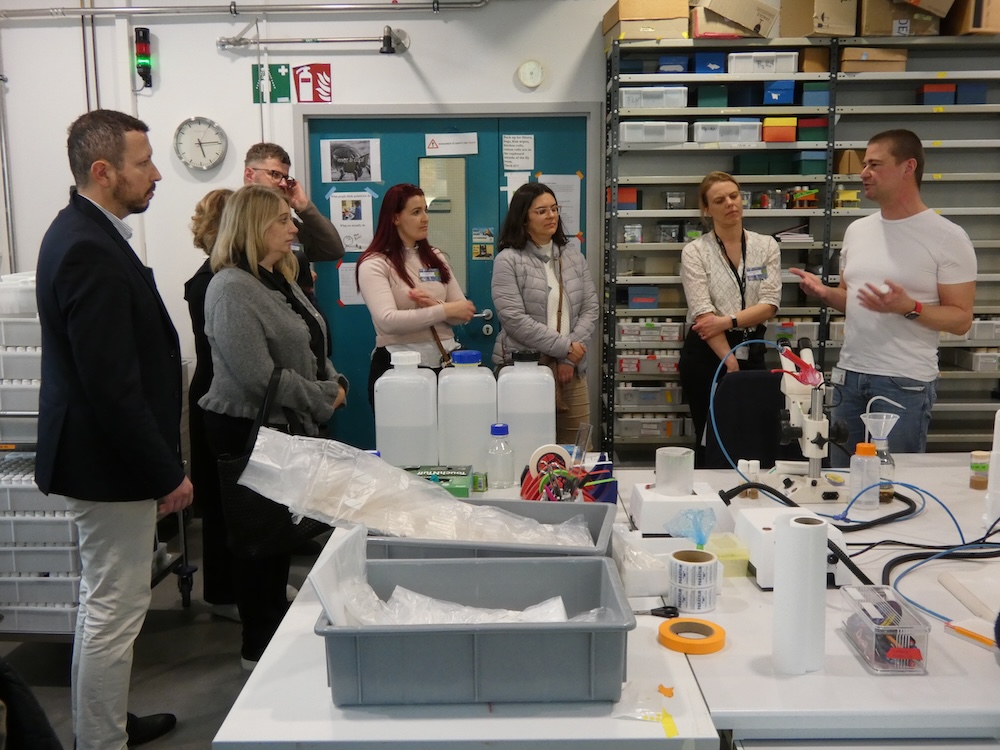
Participants also had the chance to explore EMBL’s research environment during two lab tours. They gained insights into techniques such as sequencing and genomic footprinting with Michela Palamin (Krebs lab) and visited the fly facility with Christoph Schaub (Furlong lab).
Copyright: CC BY SA 3.0 IGO
Credit: EMBL Photolab/Joseph Franciosa
The day ended with lively discussions over dinner, providing an opportunity for participants to connect on both a personal and professional level, sharing stories about travel and discussing the pros and cons of different educational systems.
Copyright: CC BY SA 3.0 IGO
Credit: EMBL Photolab/Joseph Franciosa
On the final day, participants focused on the practical aspects of running their own courses. With guidance on available support from EMBL, they worked through what a course could look like in their local communities.
Participants also shared how they currently teach epigenetics in their school, a session that sparked lively discussions, giving teachers the chance to learn from each other’s experiences.
Now, after the initial course, equipped with new knowledge and tools, participants take on their role as EMBL Teacher Ambassadors. By sharing their expertise with fellow educators, they help bring cutting-edge science into classrooms across Europe, supporting EMBL’s commitment to accessible and high-quality science education.
Reading participants’ comments such as “It is refreshing to see such passion” and “I loved the lab tour and being part of this training, I learnt so much. It was lovely to get to know other participants, and the course hosts were fantastic, very helpful and welcoming. It gave me back my excitement about current research”, reminds us why we are doing this. With this amazing momentum, we are excited about the year ahead and can’t wait to support our Ambassadors in bringing epigenetics to their students and colleagues.