
Flora Vincent
Group Leader
EditUnderstanding life in its natural context
Capturing Arctic change: Advanced imaging and single-cell phenotyping of phytoplankton diversity in warming waters
The SUBCELLARCTIC project aims to use advanced imaging techniques to reveal the phenotypic diversity and adaptive strategies of phytoplankton in the context of global warming in the Arctic.
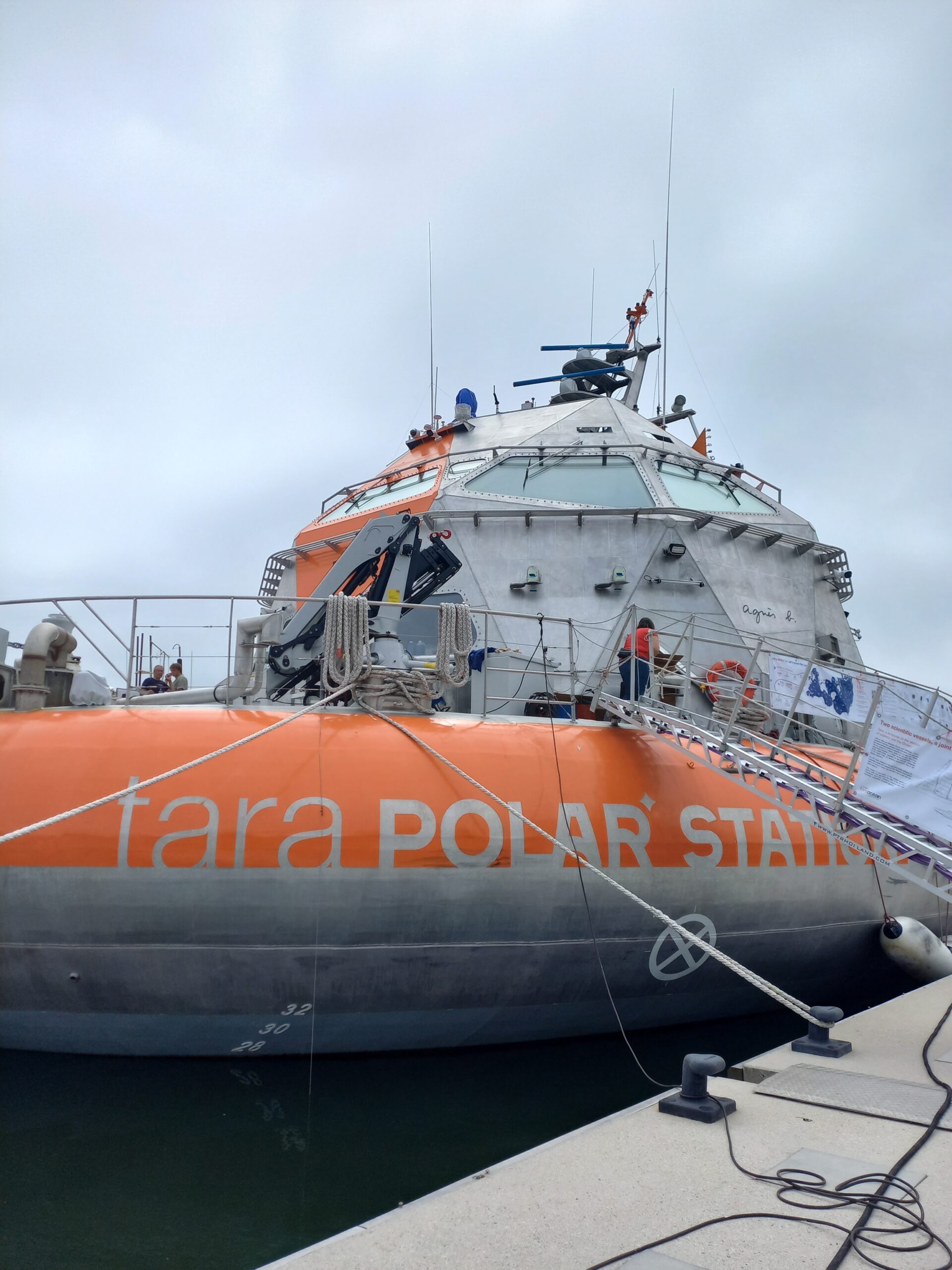
Leveraging the Tara Polar Station as a sampling platform, the project will develop novel X-ray imaging methods to visualise phytoplankton within native sea ice core habitats, establish a biobank of chemically fixed Arctic samples for multiple imaging modalities (high-content microscopy, electron microscopy, expansion microscopy, phenogenomics), and map bacterial-diatom interactions in ecologically critical species. By combining cutting-edge EMBL imaging expertise with Arctic field sampling, this project will provide unprecedented morphological insights into how foundational polar microbes respond to rapid environmental change.
Objectives:
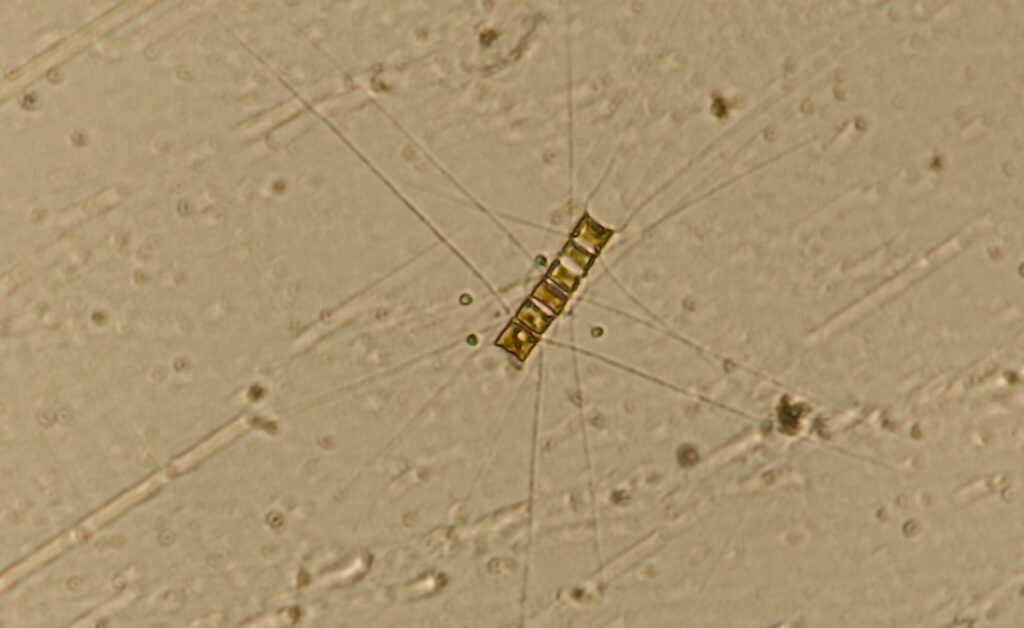
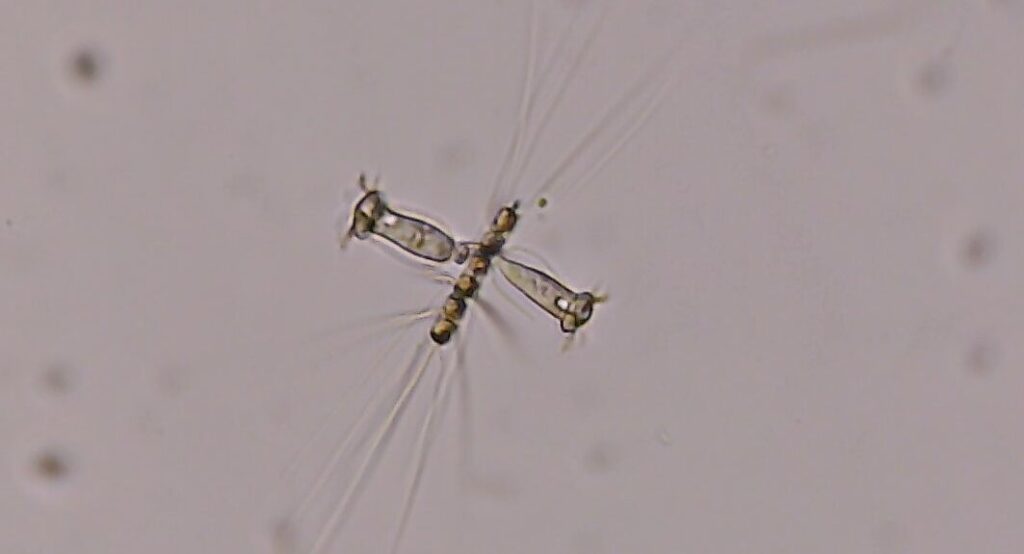
During the tests done in the North of the Baltic Sea, close to Oulu, during the winter 2025, Chaetoceros could already be observed in interactions with different partners. At that time, the sea was already covered with a few-centimeters thick layer of ice.
Group Leader
Edit
Predoctoral Fellow
Edit
Research Team Leader and Senior Scientist/ Deputy Head of EMBL Hamburg
Edit
Team Leader
Edit
Interim Head of CBB
Edit
Head of Mobile Laboratory Services
Edit