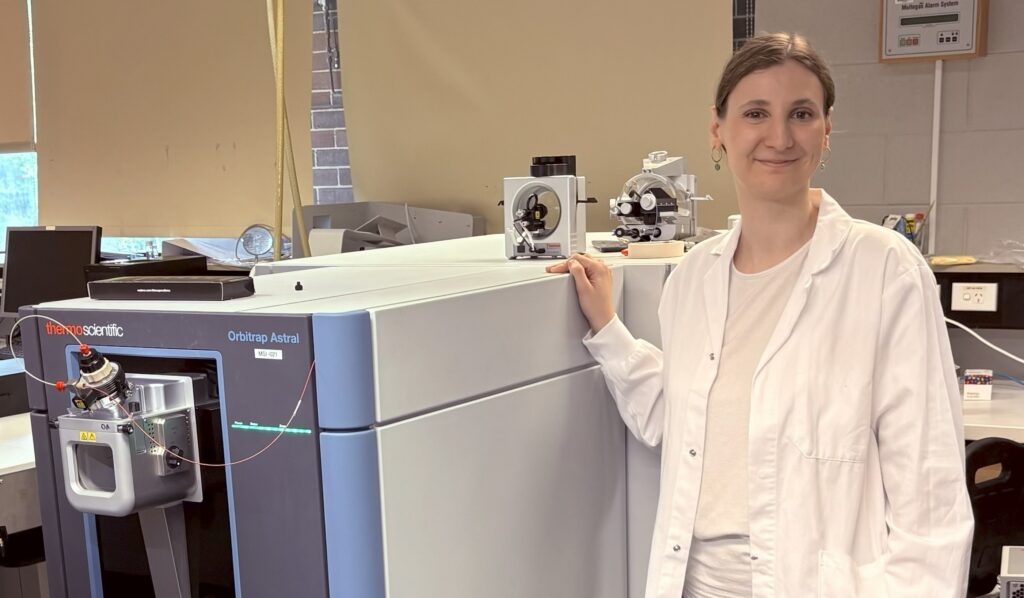
Bacteriophages encode a vast repertoire of uncharacterised genes, many of which are likely enzymes that manipulate host bacteria during infection through protein post-translational modifications (PTMs). PTM enzymes such as kinases, glycosyltransferases and ADP-ribosyltransferases are among the most important regulatory tools in biology, yet very few have been identified in phages due to extreme sequence divergence. During my postdoctoral research, I developed a computational pipeline that detects PTM enzyme-encoding genes through structural rather than sequence similarity. Applied to representative phage genomes, this approach predicted several novel kinase families beyond those previously known. In parallel, I have established that glycoproteomics enrichment pipelines can simultaneously capture both glycosylation and ADP-ribosylation from bacterial proteomes. This project will generate two foundational datasets: (1) experimental validation of predicted phage kinases using phosphoproteomics, and (2) a systematic survey of glycosylation and ADP-ribosylation diversity across a large collection of natural bacterial isolates, which encode a wide diversity of internalised phages (prophages). Together, these will produce an integrated map of PTM enzyme activity across phage and bacterial genomes, establishing essential preliminary data for a future independent research programme on how phages weaponise PTMs.