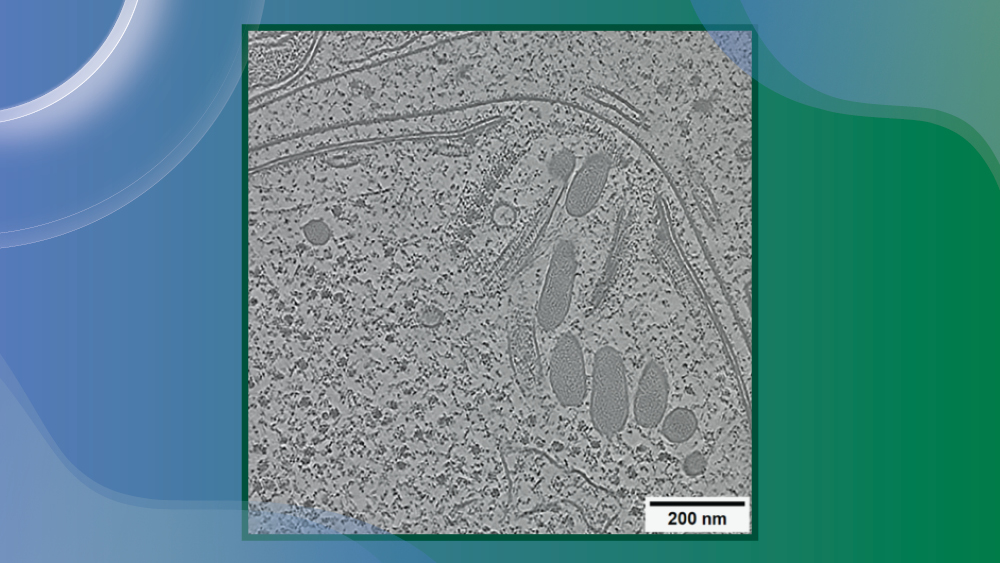
To survive inside the host cell many intracellular pathogens develop within a vacuole that protects them and delimits a space conducive to proliferation. Apicomplexan parasites are obligate intracellular eukaryotic pathogens that cause several diseases important for human health and agriculture.
Many Apicomplexan parasites generate and develop within a vacuole upon host cell infection, including those of the genus of Plasmodium and Toxoplasma. Recent years have seen a rapid increase in our understanding of the molecular mechanisms that underpin these processes in mammalian and Apicomplexan cells. However, there are still many outstanding questions rendering our understanding incomplete. The overall purpose of this project is to delineate the molecular mechanisms of membrane biogenesis and homeostasis in the model intracellular pathogens Plasmodium berghei and Toxoplasma gondii. This project is expected to identify and uncover the molecular mechanism of action of conserved Apicomplexan proteins with critical roles in lipid metabolism or transport during parasite growth and virulence. In addition, the proposed project will establish a powerful platform of methodologies to visualize and study these processes in Apicomplexan parasites, which will power and enable future studies. Taken together this project will serve to move forward the frontline for our collective molecular understanding of membrane biology during parasite intracellular infections.
Simone Mattei (EMBL Heidelberg), Ellen Bushell (MIMS), Richard Lundmark (MIMS)