Neglected Tropical Diseases (NTDs) disproportionately impact impoverished communities, driving up healthcare costs, reducing productivity, and limiting education. Caused by various pathogens, including protozoan parasites, NTDs remain poorly understood due to underinvestment in research, hampering the development of effective treatments. The WHO’s 2021-2030 roadmap and Médecins Sans Frontières stress the urgent need for greater research and innovation, particularly to bridge the gap between basic and pre-clinical research.
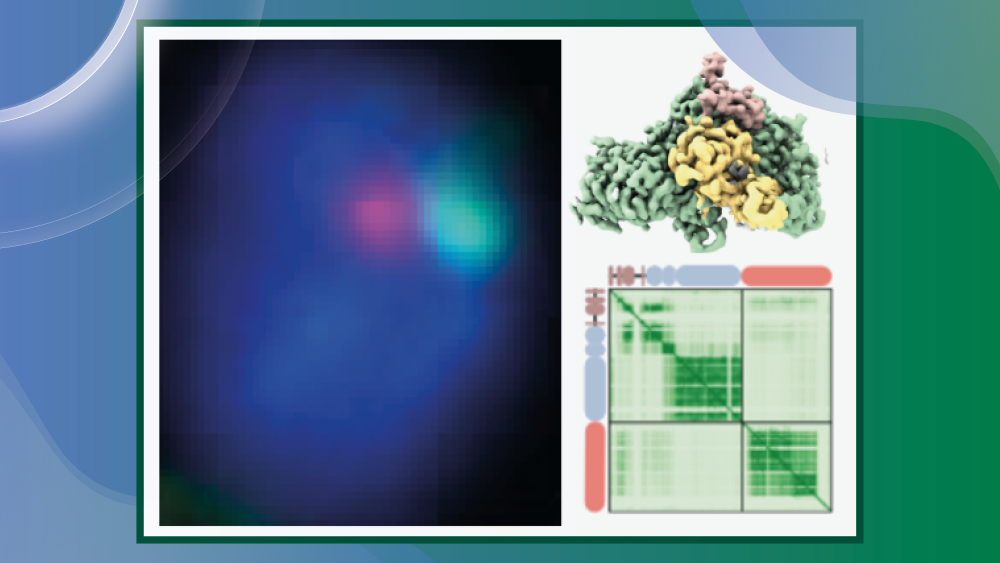
The scale and efficiency ofVariant Surface Glycoprotein (VSG) mRNA transcription and processing in NTD-causing Trypanosoma brucei parasites is unparalleled. The VEX complex, consisting of VEX1 and VEX2, ensures correct subnuclear organisation of VSG mRNA processing and monoallelic exclusion – the expression of a single surface antigen from a single chromosomal locus. The VEX complex also links VSG transcription with extremely efficient mRNA processing through trans-splicing1. The molecular mechanism of how VEX1 contributes to gene expression regulation is unclear, as a molecular function cannot be deduced based on homology and direct molecular interaction partners of VEX1 have not been identified. In EVINCE2, we will combine biochemistry and molecular biology to understand the interactions of the VEX1 protein with chromatin compartments, the transcription apparatus, and trans-spliceosome components. Then, we will functionally characterise the complexes in vivo at critical developmental transitions in the insect vector and mammalian host where the expression of VSGs is initiated.
Eva Kowalinski (EMBL Grenoble), Mikhail Savitski (EMBL Heidelberg), Lucy Glover (Institut Pasteur), Joana Faria (University of York)