Genomic epidemiology plays a central role in combating the spread of infectious diseases, and it has been recognised as a core component of pandemic preparedness by the WHO.
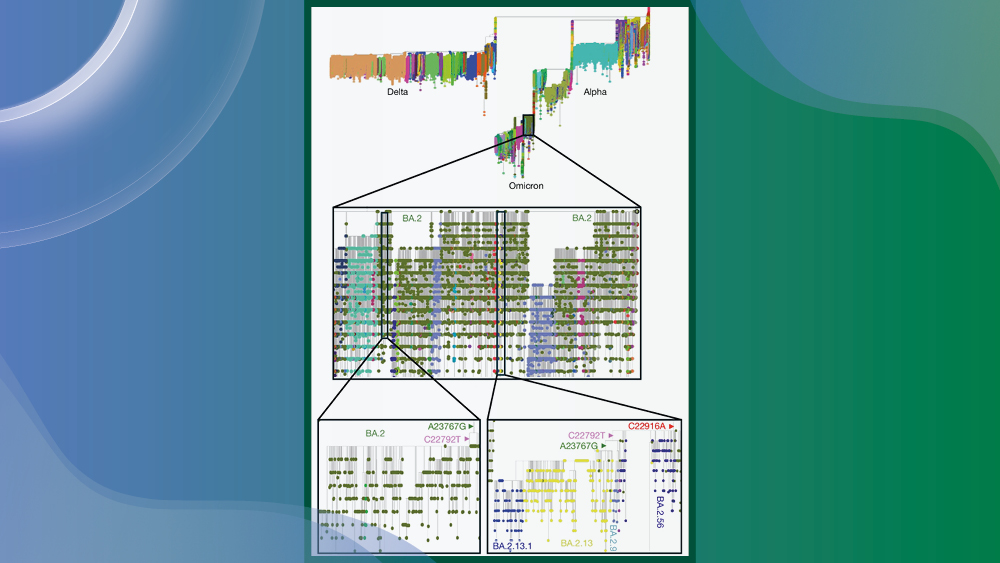
Our current understanding and monitoring of outbreaks is grounded in analyses of genomic data, which reveals detailed transmission chain structure, geographic spread, the evolution of Variants of Concern (VOCs) and the spread and origin of drug-resistant strains. Timely identification of VOCs and detailed reconstruction of transmission within and between national borders relies on dense and widespread sampling, resulting in massive genomic epidemiological datasets. However, computational tools used in genomic epidemiology were developed to study evolution between a limited number of species, such that they are not scalable for the thousands or millions of genomes that are now, and will be in future, routinely sequenced. In fact, popular computational tools often require weeks for analysing a few thousand genomes, representing a major bottleneck for effective pandemic preparedness. This project will create a collaborative nexus between EMBL-EBI, Institut Pasteur and the Helmholtz Centre for Infection Research, and it will produce novel theoretical frameworks and computational tools that will open new avenues of research and applications for genomics of infectious diseases. These outcomes will involve an unprecedented ability to harness genome data for preparing and responding to pandemics and present analysis results to a wide range of users.
Nick Goldman (EMBL-EBI), Nicola De Maio (EMBL-EBI), Sebastian Duchene (Institut Pasteur), Anna Zhukova (Institut Pasteur), Frédéric Lemoine (Institut Pasteur), Alice Carolyn McHardy (HZI)