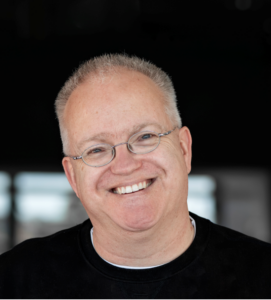
Thomas Barends
Max Planck Institute for Medical Research
Germany
EMBO Practical Course
Funded by EMBO for excellence in the life sciences.
Time-resolved macromolecular serial crystallography has become increasingly accessible in recent years thanks to the availability of XFELs and dedicated synchrotron beamlines for serial crystallography, especially in Europe. This range of X-ray sources, as well as advances in sample delivery methods and data processing, now allow time-resolved crystallography experiments over 15 orders of magnitude (from fs-s), which investigate the atomic details of the biochemical reactions that are crucial for life. The data we can now obtain provide the fundamental basis for the next generation of drug discovery, biotechnology, and medicine.
This course is aimed at students and early-career researchers with a background in structural biology and a strong interest in time-resolved methods using X-rays and electrons. After attending this course, participants will be able to design and successfully perform time-resolved serial crystallography experiments relevant to their own scientific projects.
The course includes a mixture of lectures and hands-on practicals. During the course, you will learn:
i) sample preparation: best practices to obtain homogenous microcrystals and to characterise them prior to loading using different sample delivery methods,
ii) crystal delivery methods and data collection at synchrotron serial crystallography beamlines T-REXX and P11. The training will include hands-on data collection with different sample delivery methods.
iii) data reduction: as well as practical training in using the software for serial data processing, we will also discuss pitfalls and data pathologies specific to serial data.
iv) analysis of the electron density map differences: careful and correct interpretation of the resulting data is the key last step in the serial experiment, and you will gain hands-on experience of current state-of-the-art software as well as an understanding of how these work.
The course is aimed at advanced PhD students and early-career scientists. Some prior acquaintance with X-ray crystallography, and ideally with serial crystallography, is required. Participants should show a direct intent to apply time-resolved serial crystallography to their research projects. The course aims to introduce participants to the forefront of structural biology, from the design and execution of time-resolved serial crystallography experiments to the processing and analysis of the recorded data. This requires the ability to use the Linux command line and basic programming skills.
In selecting participants, we look for scientific merit in presenting their motivation, the applicability of the methods learned in this course to their current/planned research, and a strong background in understanding various aspects of crystallography and of studying biological mechanisms at the molecular level.
Participants should be able to apply what they have learnt to their own projects. For each module, the participants will learn the theoretical and practical aspects of the latest developments in the field. After the course, they will confidently be able to conduct a time-resolved experiment to study enzymatic reactions.
There will be an onboarding session (a few weeks before the course) that will put everyone in a good starting position.
Full-time attendance is required throughout the course.
“The course clarified several scientific gaps in the serial crystallography field. I feel much more confident and secure to design experiments and discuss the technique requirements.” – Hevila Brognaro, University of Hamburg, Germany
Max Planck Institute for Medical Research
Germany

EMBL Grenoble
France
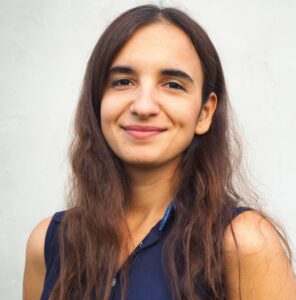
University of Groningen
The Netherlands
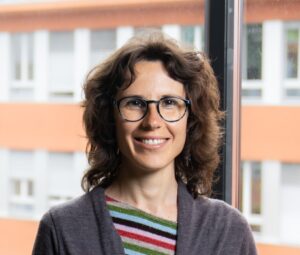
MAX IV Laboratory
Sweden
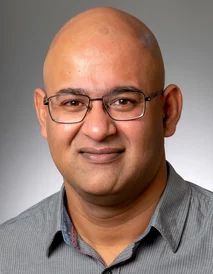
Max-Planck Institute, Gottingen
Germany

ESRF
France
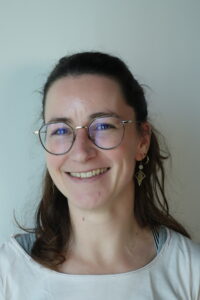
Institut de Biologie Structurale
France
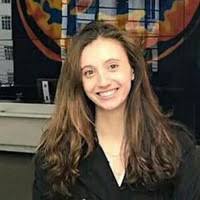
Columbia University
New York
Instituto de Química Física
Spain
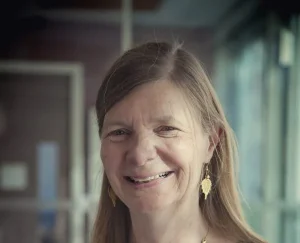
University of Oxford
United Kingdom
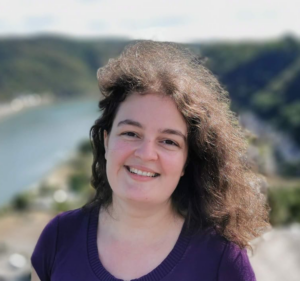
University of Hamburg / DESY
Germany
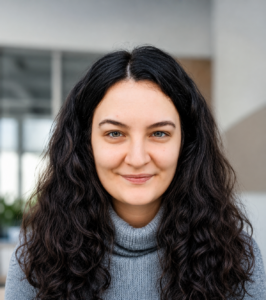
Universitätsklinikum Hamburg-Eppendorf
Germany
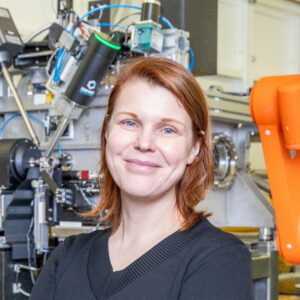
DESY
Germany
RIKEN SPring-8
Japan
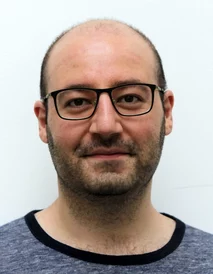
University of Hamburg
Germany
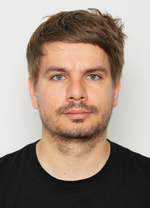
DESY
Germany
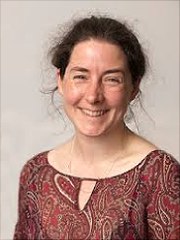
University of Hamburg
Germany
University of Lübeck / DESY
Germany
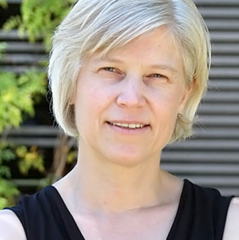
Arizona State University
USA
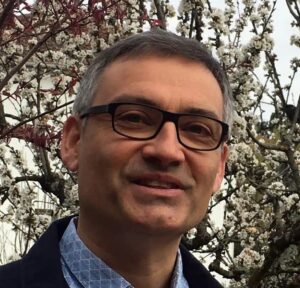
CNRS-IBMC
France
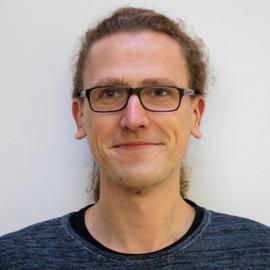
EuXFEL
Germany

University of Hamburg
Germany

EPFL
Switzerland
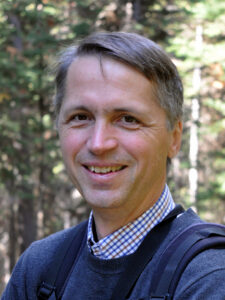
Global Phasing
UK / Germany
EMBL Hamburg
Germany
University College London
UK
DESY
Germany

University of Leeds
United Kingdom

University of Hamburg
Germany
EMBL Grenoble
France
MAX IV Laboratory
Sweden
University of Hamburg
Germany
ESRF
France
EMBL Hamburg
Germany

EMBL Heidelberg
Germany
Are you on social media? Post using #EMBOTRSX (Event hashtag) and don’t forget to tag @EMBLEvents.
| Time (Europe/Berlin) | Speaker |
|---|---|
| 13:00 – 15:00 | Onboarding session (Zoom link will be sent via email) |
| Time (Europe/Berlin) | Speaker |
|---|---|
| 08:00 – 09:20 | Registration / Welcome coffee |
| 09:20 – 09:30 | Official Welcome Overview of the course |
| 09:30 – 10:30 | From static snapshots to molecular movies: An introduction to serial crystallography Jose Martin Garcia – Instituto de Química Física, Spain |
| 10:30 – 11:00 | Coffee break |
| 11:00 – 12:30 | Participant flash talks |
| 12:30 – 13:30 | Lunch |
| 13:30 – 14:30 | Introduction to beamlines for time-resolved serial crystallography Daniele de Sanctis – ESRF, France |
| 14:30 – 15:00 | Exploring innovative methods in time resolved structural biology Sofia Trampari – EPFL, Switzerland |
| 15:00 – 15:30 | Coffee break |
| 15:30 – 16:30 | Fantastic Hypotheses and How to Test Them Thomas Barends – Max Planck Institute for Medical Research, Germany |
| 16:30 – 17:30 | Radiation damage in serial crystallography Elspeth Garman – University of Oxford, United Kingdom |
| 17:30 – 18:30 | Responsible conduct of research session Discussion round FAIR use of data & how this is practically done for serial crystallographic data Experimental design and development of community standards for serial data quality Sustainability in experimental design and data archiving |
| 18:30 – 19:30 | Dinner |
| 19:30 – 20:30 | Poster session |
| Time (Europe/Berlin) | Speaker |
|---|---|
| 08:55 – 09:00 | Overview of the day |
| 09:00 – 10:00 | Crystal quality/homogeneity/density – what is a good sample? Ashwin Chari – Max Planck Institute for Multidisciplinary Sciences, Germany |
| 10:00 – 10:30 | Going serial: new challenges in biocrystallogenesis Claude Sauter – CNRS-IBMC, France |
| 10:30 – 11:00 | In cell crystallization for serial crystallography Lars Redecke – University of Lübeck / DESY, Germany |
| 11:00 – 11:30 | Coffee break |
| 11:30 – 12:00 | Goniometer based protein crystallography at SACLA Kunio Hirata – RIKEN SPring-8, Japan |
| 12:00 – 12:30 | Time-resolved crystallography using Hadamard encoding (HATRX) Briony Yorke – University of Leeds, United Kingdom |
| 12:30 – 13:00 | Serial Electron Diffraction: Key Differences from X-ray Approaches Andrew Stewart – University College London, United Kingdom |
| 13:00 – 14:00 | Lunch |
| 14:00 – 16:00 | Practicals A-D in parallel (one group of 5 participants per practical; 1 h per practical) Practical A: “Fixed target loading and time-resolved data collection using LAMA at T-REXX” Lead trainer: David von Stetten Practical B: “TapeDrive and time-resolved data collection at P11” Lead trainer: Johanna Hakanpää Practical C: “SpitRobot (HARBOR)” Lead trainer: Pedram Mehrabi Practical D: “Batch micro- and nano-crystallisation (HARBOR)” Lead trainer: Dominik Oberthür |
| 16:00 – 16:30 | Coffee break |
| 16:30 – 18:30 | Practicals A-D in parallel (one group of 5 participants per practical; 1 h per practical) Practical A: “Fixed target loading and time-resolved data collection using LAMA at T-REXX” Lead trainer: David von Stetten Practical B: “TapeDrive and time-resolved data collection at P11” Lead trainer: Johanna Hakanpää Practical C: “SpitRobot (HARBOR)” Lead trainer: Pedram Mehrabi Practical D: “Batch micro- and nano-crystallization (HARBOR)” Lead trainer: Dominik Oberthür |
| 18:30 – 19:30 | Free time and travel to course dinner |
| 19:30 – 22:30 | Course dinner at Fischclub Blankenese |
| Time (Europe/Berlin) | Speakers |
|---|---|
| 08:55 – 09:00 | Overview of the day |
| 09:00 – 10:00 | Best practice for time-resolved experiments Arwen Pearson – University of Hamburg, Germany |
| 10:00 – 11:00 | Mixing and microfluidics for serial crystallography Alexandra Ros – Arizona State, USA |
| 11:00 – 11:30 | Coffee break |
| 11:30 – 12:00 | Fixed-target sample delivery & liquid droplets for reaction initiation (LAMA) Pedram Mehrabi – University of Hamburg, Germany |
| 12:00 – 12:30 | Photochemistry for time-resolved crystallography Gülbahar Bozan – University of Groningen, The Netherlands |
| 12:30 – 13:00 | 2D crystals and dynamic retrieval Cecilia Casadei – MAX IV, Sweden |
| 13:00 – 14:00 | Transfer to European XFEL & buffet lunch in XFEL foyer |
| 14:00 – 15:30 | Tours and Live Demos at European XFEL Robin Schubert – EuXFEL, Germany |
| 15:30 – 16:30 | Transfer back to SCHB & tea break |
| 16:30 – 18:30 | Practicals E and F in parallel (one group of 10 participants per practical; 1 h per practical) Practical E: “Serial electron diffraction” Lead trainer: Günce Göc & Carolin Seuring Practical F: “Advanced sample preparation strategies for serial crystallography” Lead trainers: Robin Schubert & Claude Sauter |
| 18:30 | Free evening |
| Time (Europe/Berlin) | Speaker |
|---|---|
| 08:55 – 09:00 | Overview of the day |
| 09:00 – 10:00 | Theory of data processing for serial crystallography Thomas White – DESY, Germany |
| 10:00 – 10:30 | Coffee break |
| 10:30 – 13:00 | Practicals G and H in parallel (participants to choose one group) Practical G: “Data processing with CrystFEL” Lead trainer: Thomas White + 2 tutors Practical H: “Data processing with DIALS” Lead trainer: Iris Young + 2 tutors |
| 13:00 – 14:00 | Lunch |
| 14:00 – 14:30 | Structural analysis with RoPE Helen Ginn – University of Hamburg / DESY, Germany |
| 14:30 – 15:00 | When quality matters: navigating metrics in crystallographic data Clemens Vonrhein – Global Phasing Ltd., UK/Germany |
| 15:00 – 15:30 | Extrapolating electron density maps with Xtrapol8 Elke De Zitter – Institut de Biologie Structurale, France |
| 15:30 – 16:00 | Data analysis with Negentropy Alisia Fadini – Columbia University, USA |
| 16:00 – 16:30 | Coffee break |
| 16:30 – 18:30 | Practicals I and J in plenum (participants will do both practicals) Practical I: “Data analysis with RoPE” Lead trainer: Helen Ginn + 3 tutors Practical J: “Data analysis with Xtrapol8” Lead trainer: Elke De Zitter + 3 tutors |
| 18:30 – 19:30 | Free time and transfer to Miniatur Wunderland |
| 19:30 – 22:30 | Harbor Boat Tour and visit to Miniatur Wunderland |
| Time (Europe/Berlin) | Speaker |
|---|---|
| 08:55 – 09:00 | Overview of the day |
| 09:00 – 11:30 | Brainstorming session Participant Groups will work together to draft a beamtime proposal for a time-resolved serial crystallographic experiment on one of their own scientific projects at either a synchrotron or XFEL |
| 11:30 – 12:00 | Coffee break |
| 12:00 – 12:15 | Presentation Group 1 and Feedback |
| 12:15 – 12:30 | Presentation Group 2 and Feedback |
| 12:30 – 12:45 | Presentation Group 3 and Feedback |
| 12:45 – 13:00 | Presentation Group 4 and Feedback |
| 13:00 – 14:00 | Course evaluation and closing remarks |
| 14:00 – 14:30 | Packed lunch and departure |
The course is limited to 20 participants. For selection purposes, please note that your application will not be considered without a letter of motivation.
Your registration for the event includes:
| Academia | €500 |
| PhD Student | €500 |
| Industry | €1100 |
The registration fee should be paid only after acceptance to the course. The results will be announced approximately 2-3 weeks after the application deadline.
If you are no longer able to take part in the course, please inform your course contact responsible for this event. Your registration and the submitted motivation letter will be deleted.
Please also check our Terms and Conditions for the cancellation policy.
After you have logged in and successfully registered, you will receive an email asking you to submit your motivation letter. Click on the link provided and enter your motivation letter in the text box provided. Alternatively, you can submit your motivation letter by clicking on the link on the confirmation page directly after registering.
Instructions
Please note:
For detailed instructions, please watch our video on how to submit a course motivation letter.
For further information about registration and motivation letter submission please refer to the FAQ page.
Limited financial assistance is provided by EMBO in the form of travel grants and childcare grants.
Your place in the meeting is only confirmed by paying the registration fee, which is mandatory even when receiving a fee waiver.
The travel grant will cover the cost of travel (airfare, train, bus, taxi, and visa) and/or registration fees and is provided up to specified caps which are normally as follows:
– up to €500 for any participant travelling to an EMBO Practical Course.
– up to €1000 for any participant working in Chile, India, Singapore or Taiwan travelling to an EMBO Practical Course.
The organisers may reduce the grant cap to accommodate more participants. Recipients will be notified of their travel cap amount when they are informed of the outcome of their application. Original receipts must be provided with your signature for all costs incurred within two months of completion of travel.
There is the possibility to apply for a childcare grant to offset child care costs incurred by participants, speakers, trainers and organisers when attending a course. Eligible costs include (but are not limited to) fees for a babysitter or child-care facility and travel costs for a caregiver. Please note that priority will be given to early-stage researchers. There is a limited amount of funding available for the childcare grants, and funds will be distributed amongst eligible applicants.
For EMBO Practical Course participants with accessibility needs, there is the possibility to apply for an accessibility grant to offset costs incurred by participants or speakers when participating in a course. Eligible costs include costs incurred for equipment or adaptations to the course environment, or travel costs for an event companion to assist the participant or speaker during the course, where necessary. While we do our best to accommodate needs, please note that extensive changes to the course environment might not be possible. Priority will be given to early-stage researchers.
A maximum amount of €500 can be awarded per participant applying for an EMBO accessibility grant. In order to apply for this grant for EMBO Courses, you must be registered by the application deadline.
Applies to selected courses only. Availability will be indicated during the abstract or motivation letter submission process.
This grant covers costs related to your attendance to the course (registration, travel and accommodation costs). The grant is restricted to PhD students and postdocs who conduct basic biomedical research.
Whether you are eligible to apply for a travel grant, depends on when you received your university entrance qualification (e.g. Abitur, A-Levels, High School Diploma, Final State Examination):
– for PhD and MD students, as well as graduates, the university entrance qualification must not have been obtained more than 11 years ago at the time of the envisaged course
– for postdocs, the university entrance qualification must not have been obtained more than 13 years ago at the time of the envisaged course
For EMBO Practical Course participants with accessibility needs, there is the possibility to apply for an accessibility grant to offset costs incurred by participants or speakers when participating at a course. Eligible costs include costs incurred for equipment or adaptations to the course environment, or travel costs for an event companion to assist the participant or speaker during the course where necessary, etc. While we do our best to accommodate needs, please note that extensive changes to the conference environment might not be possible.
Please note that priority will be given to early-stage researchers. A maximum amount of €500 can be awarded per participant applying for an EMBO accessibility grant. In order to apply for this grant for EMBO Courses, you must be registered by the application deadline.
A selection process will take place with the results announced by email to all applicants / submitters. We aim to announce 3 weeks (21 days) after the abstract submission deadline but delays may occur.”
Selection results do not impact your admission to the meeting. Selection for registration fee waivers and travel grants is based on scientific merit, your current work or study location, the reasons for needing financial support, and the impact this event will have on your career.
Childcare grants will be allocated in the same timeframe (6-8 weeks before the event start date). Please note that priority will be given to early-stage researchers.
Check out this list of external funding opportunities.
For further information about financial assistance please refer to the FAQ page.
We can send you a registration confirmation to support your visa procedure (not an official invitation letter). Please contact the Conference Officer responsible for your event. Read our FAQ for more information.
Reservations for single room accommodation at the DESY hostel have been made. Note, accommodation is included in the registration fee. The guest house is within a few minutes’ walk from the EMBL laboratories and P12 beamline.
Address: EMBL Hamburg, Notkestraße 85, Building 48e, 22607 Hamburg, Germany
From Hamburg airport take line S1 to Othmarschen (18 stops, 45 min), change to bus number 1 towards Rissen or Schenefelder Holt to Zum Hünengrab (DESY) (5 stops, 10 min).
From Hamburg-Altona train station take bus number 1 to Zum Hünengrab (DESY) (15 stops, 25 min). Ticket costs Public Transport: ca. €3.60 and a taxi will be around €45.
The EMBL eCampus learning platform will be used to collaborate, communicate and network with all of the course participants. All participants will receive information on how to join shortly before the course. We recommend using Chrome, Safari or Mozilla Firefox browsers for eCampus.
While using the software during the course, please make sure you have nothing else using your bandwidth.
Please find additional information including FAQs and terms and conditions on our Information for Participants page.
Sponsorship opportunities
We offer a variety of event sponsoring possibilities, with the flexibility to select a set sponsorship package or combine individual sponsorship options to suit your event budget. Discounts are available for companies sponsoring multiple events at EMBL Heidelberg. View other conferences, or contact sponsorship@embl.org. for further information.
If you are interested in becoming a media partner of this event, please visit our media partnerships webpage.
EMBL wishes to warn sponsors of EMBL conferences and courses of fraudulent schemes purporting to offer sponsorship opportunities on behalf of EMBL or affiliated with EMBL officials. One current scam campaign of which we are aware is conducted using the name ‘Judy Eastman’ (judy@gopcontact.a2hosted.com) and entails approaches to sponsors offering sponsorship opportunities on EMBL’s behalf. Please be kindly advised that all relevant communication regarding sponsorship of EMBL conferences, symposia and courses is handled by EMBL directly and is sent from an official EMBL account. EMBL does not work with any external providers on sponsorship acquisition.
Please also note that:
Suspicious communications purportedly from, for or on behalf of EMBL should be reported to EMBL at the following email address sponsoring@embl.de.
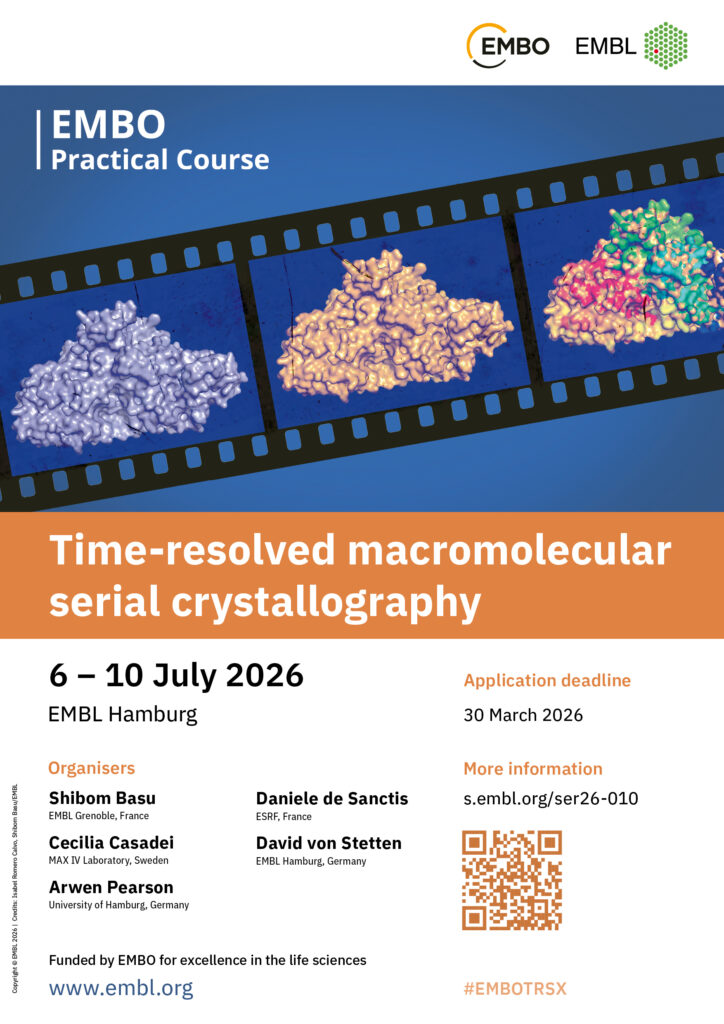
Want to let others know you’re attending this event? Take a look at our shareable media and feel free to use them in your social media channels or presentations.
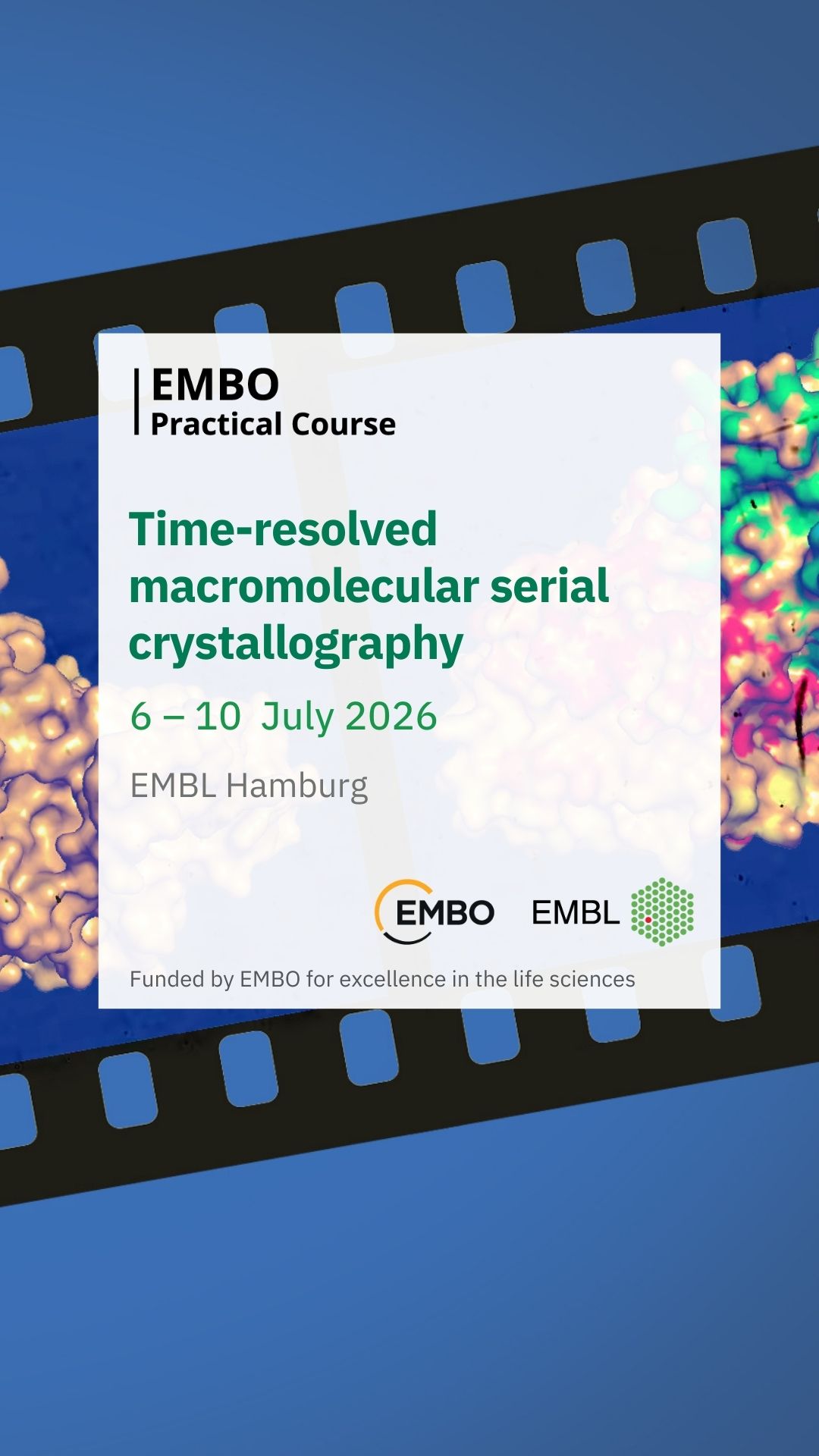

Date: 6 - 10 Jul 2026
Location: EMBL Hamburg
Venue: EMBL Hamburg
Deadline(s):
Application: Closed
Organisers:
Contact: Iva Gavran
Download event poster
empty