Sustainability office
If you have any questions or want to speak with one of our experts, please do get in touch
We conduct research and provide services to understand and preserve biodiversity for the benefit of future generations.
Every organism is part of a complex and dynamic ecosystem, where it interacts with other organisms as well as its physical and chemical environments.
Exploring life in context has become more urgent than ever, as climate change, pollution, and other anthropogenic factors impact our planet at all levels. Molecular biologists can contribute to solving global challenges, such as biodiversity loss, thanks to the most advanced technologies that make it possible to study the mechanisms of life on Earth at unprecedented scale and level of detail. EMBL’s vision is to advance understanding of ecosystems by studying organisms in their environment and across scales, from molecules to ecosystems.
If you have any questions or want to speak with one of our experts, please do get in touch
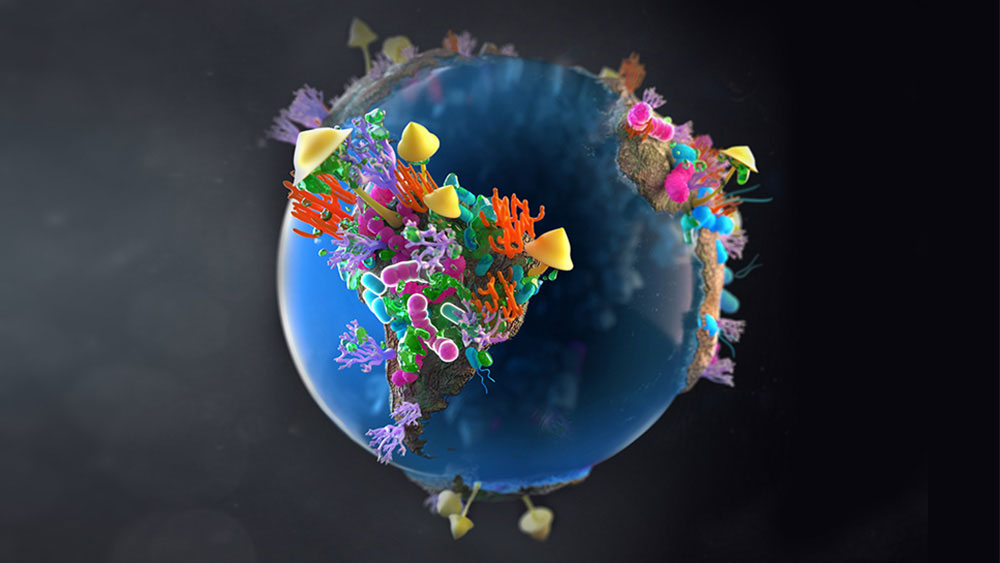
Find out how EMBL’s Planetary Biology theme explores genetic and environmental interactions across ecosystems to enhance our understanding of biodiversity and planetary health
The TREC expedition is EMBL’s flagship project that studies coastal ecosystems and their response to the environment, from molecules to communities
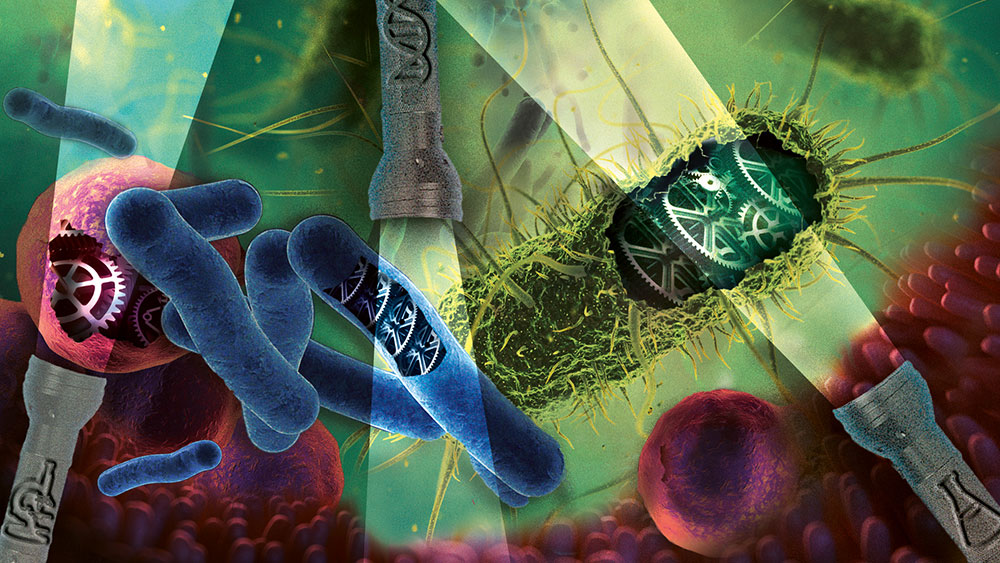
Dissecting microbial functions and communities to understand how microbes interact with their environments
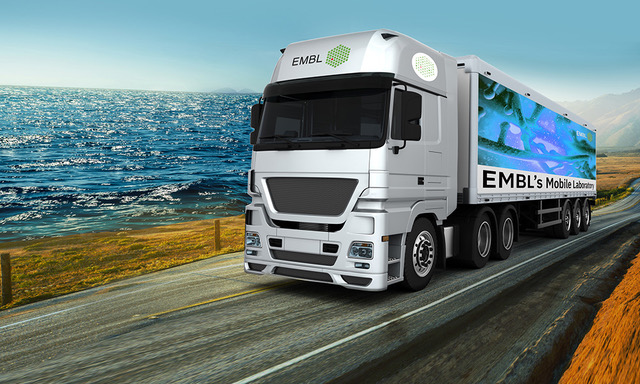
EMBL’s Mobile Laboratory brings cutting-edge technology and methodology to the field to enable unprecedented experimental standardisation, high-end fresh sample processing, and data integration
EMBL-EBI data resources help advance biodiversity and climate change research by enabling scientists to study species interactions, evolutionary processes, ecosystem health, and more
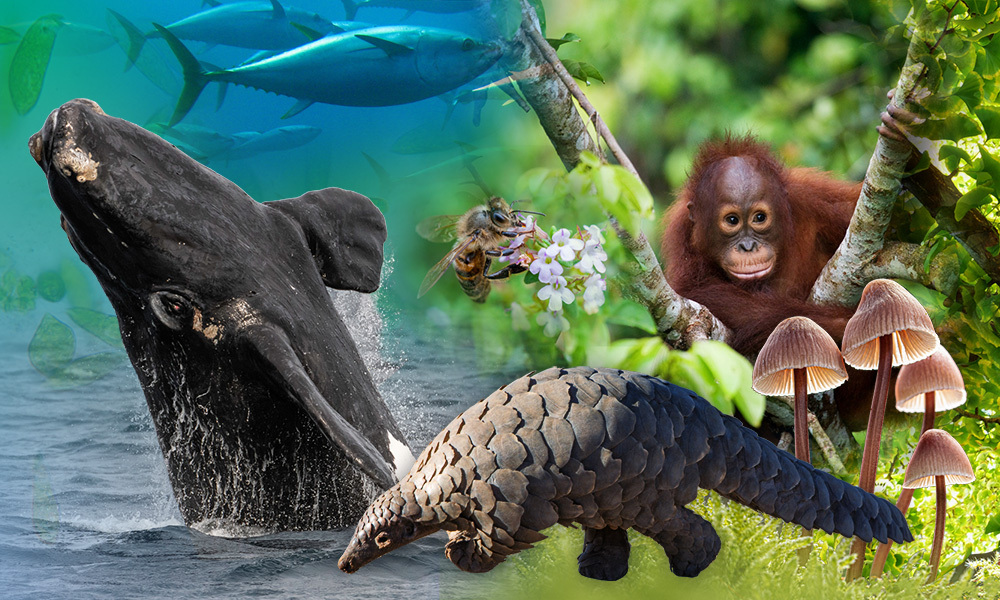
The new initiative brings together genomic data from various biodiversity projects to aid conservation and biodiversity efforts

Our training team is creating biodiversity focused events and training resources to help researchers with a range of bioinformatics methods, from interpreting phylogenetic trees to genome assembly and variant calling
EMBL is involved in different international projects that aim to understand biodiversity. Find out how we support sampling, analysis and data sharing in support of these initiatives.
The TREC expedition is EMBL’s flagship project that studies coastal ecosystems and their response to the environment, from molecules to communities
A European, multidisciplinary project exploring marine life and how it changes with space, time and human impact
A European project developing tools to harness marine microbiome data for biotechnological applications and ecosystem services
Collaborative effort to sequence, assemble, and annotate the genomes of all 70,000 eukaryotic species found in the UK and Ireland
A consortium that aims to characterise and conserve life on Earth using DNA data
The project’s focus in on providing a complete DNA sequence catalogue of known species of plants, animals, and fungi, as well as single-celled eukaryotes
EMBL-EBI is responding to global food security challenges by working with industry and academic partners to optimise the utility and value of publicly available biological data
New technologies are being developed to measure ecosystem components – from molecules to cells, organisms, populations, and communities – in an unprecedented fashion. Some of our thought leaders explain how biodiversity research is embedded across EMBL.

Michael Dorrity studies how different cells respond to environmental stressors and how they build resilience in a changing world
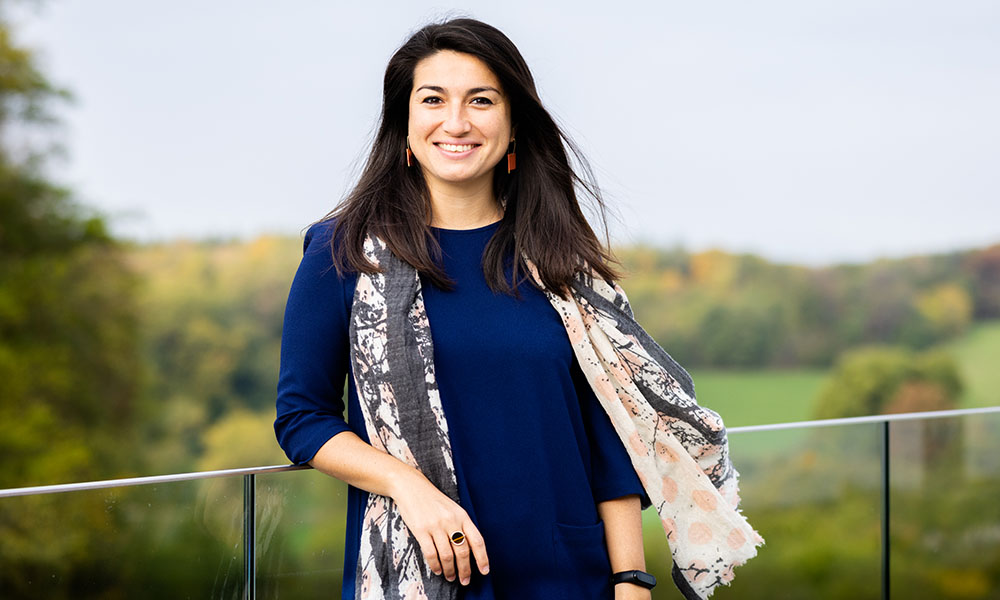
Flora Vincent and her group explore the diversity and impact of marine microbial interactions across different biological scales, with a focus on symbiosis within unicellular eukaryotes
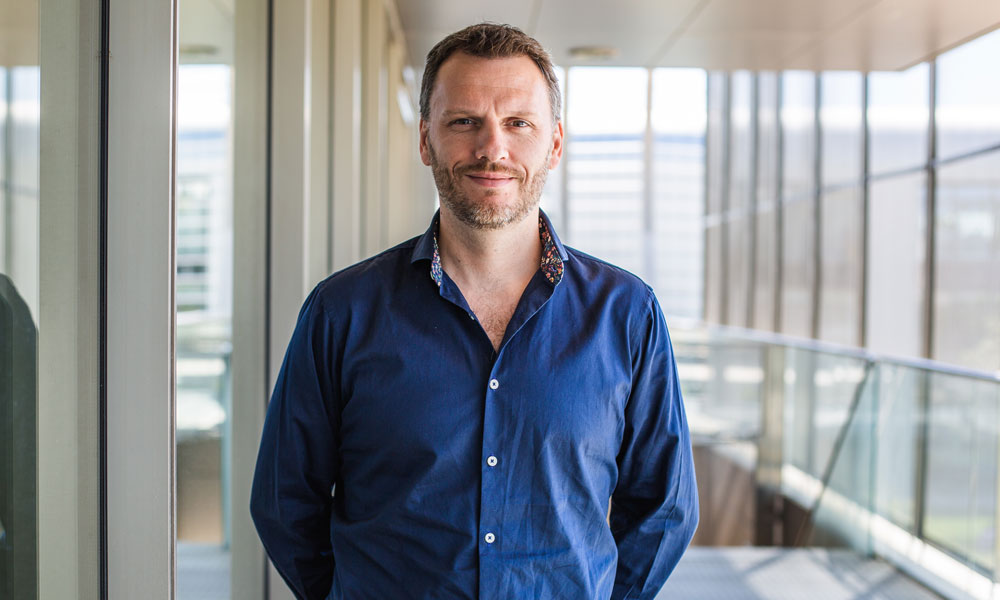
The EMBL Microbial Ecosystems transversal theme focuses on how microbes interact with and influence their environments. Find out more from the theme’s co-chair, Rob Finn
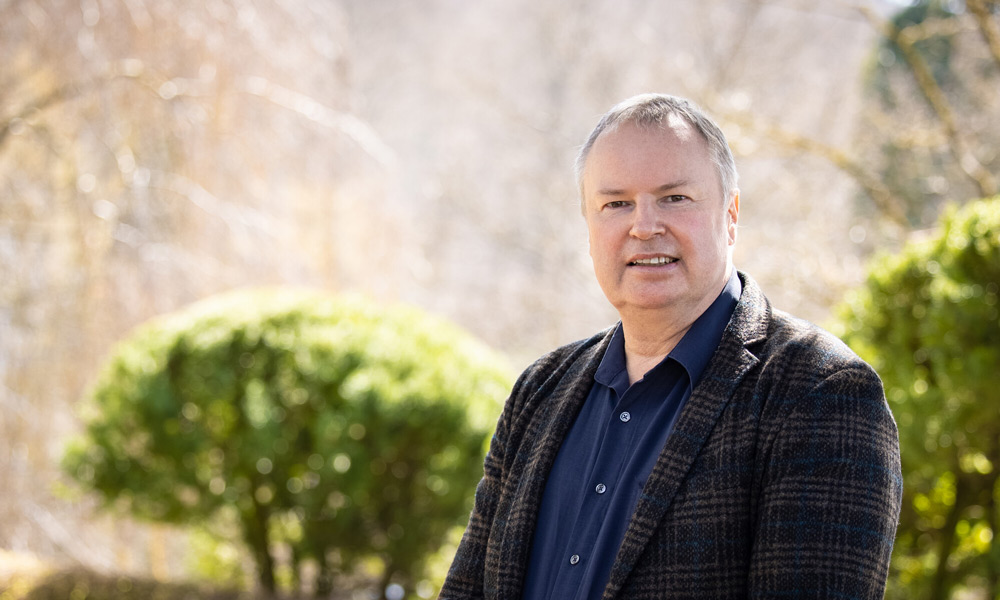
Peer Bork and his group apply computational biology to analyse microbiome data, from both the human gut and the environment
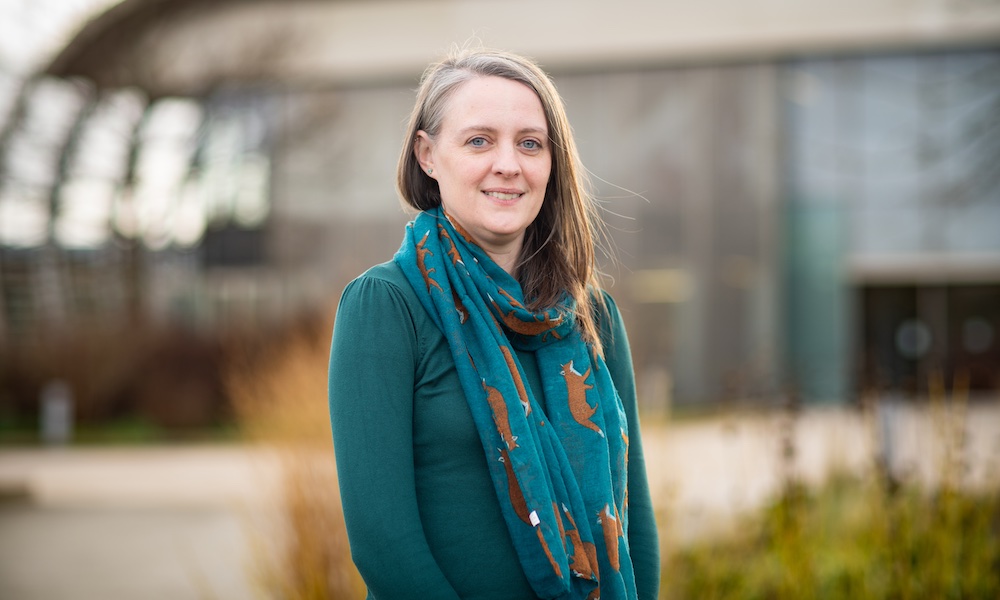
Coming from a background in plant and crop genetics, Sarah Dyer is our expert in plants and food security

Eukaryotic Annotation Team Leader, Fergal Martin, discusses the importance of open access data and his work in different biodiversity initiatives


