Pre-visit Classroom Material
Introduce students to ways in which artificial intelligence is used in life sciences research.
Bridging the gap between secondary school science teaching and cutting-edge research, EMBL’s Science Education and Public Engagement team invites you to join our education programme for the World of Molecular Biology exhibition on the Heidelberg campus.
The education programme is open to school classes or groups taking part in out-of-school activities such as clubs or summer schools. Please note, if you would like to visit the exhibition as an individual, please register via this booking tool.
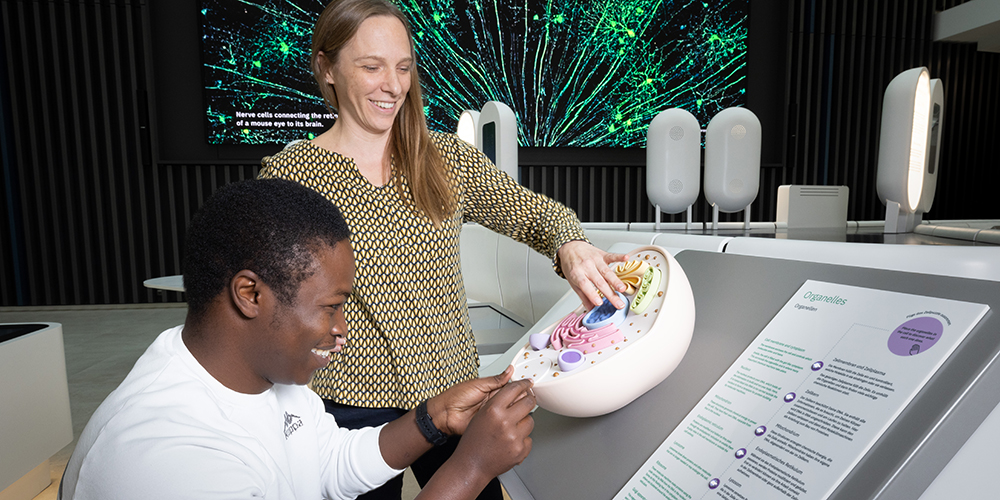
The World of Molecular Biology exhibition offers a school programme conceptualised for 15 -19 year olds. The WMBio Workshops help bring a hands-on element to the visit along with the exploration of the exhibition. The school programme is available secondary schools and school science clubs.
The group size is restricted to 30 students.
While the exhibition tour evokes curiosity about the big and small questions that EMBL research is trying to answer, our WMBio workshops based on the exhibition creatively link the curriculum to the advances in molecular biology in a non-traditional learning environment to enhance the learning experience.
The 2-hour exhibition visit includes either:
OR
The exhibition tour and workshop are offered in English or German.
Three WMBio Courses are available to choose from for an on-site workshop. We also offer educational materials, specific to the chosen theme, to teachers via our online e-learning platform to help them integrate the exhibition visit into their school curricula.
Please refer to the tab for teacher info-sessions (available on-site and online), for more information.
APPLICATION PROCESS:
Teachers can apply to visit the exhibition using the link above. Upon receiving the application, we will review the details and offer dates and times for your school group to visit the exhibition. The selection will be done based on the group size, class level and previous involvement in any of the SEPE programmes. Teachers will then receive a confirmation email along with access to the online educational resources.
Please note that visits for undergraduate students should be directed to vp@embl.org.
Disclaimer: Due to the high volume of visit requests not all of them can be accommodated.
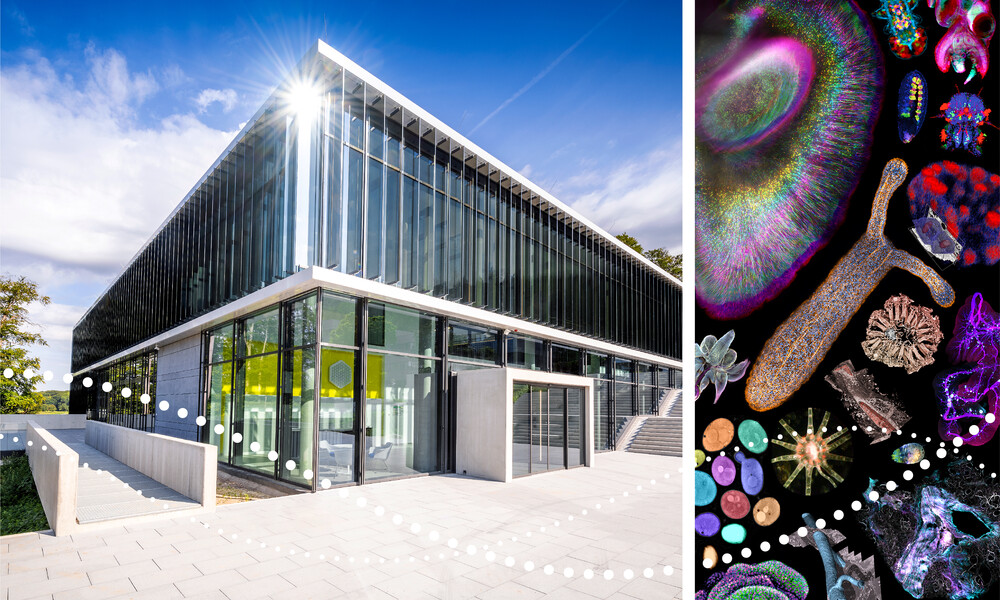
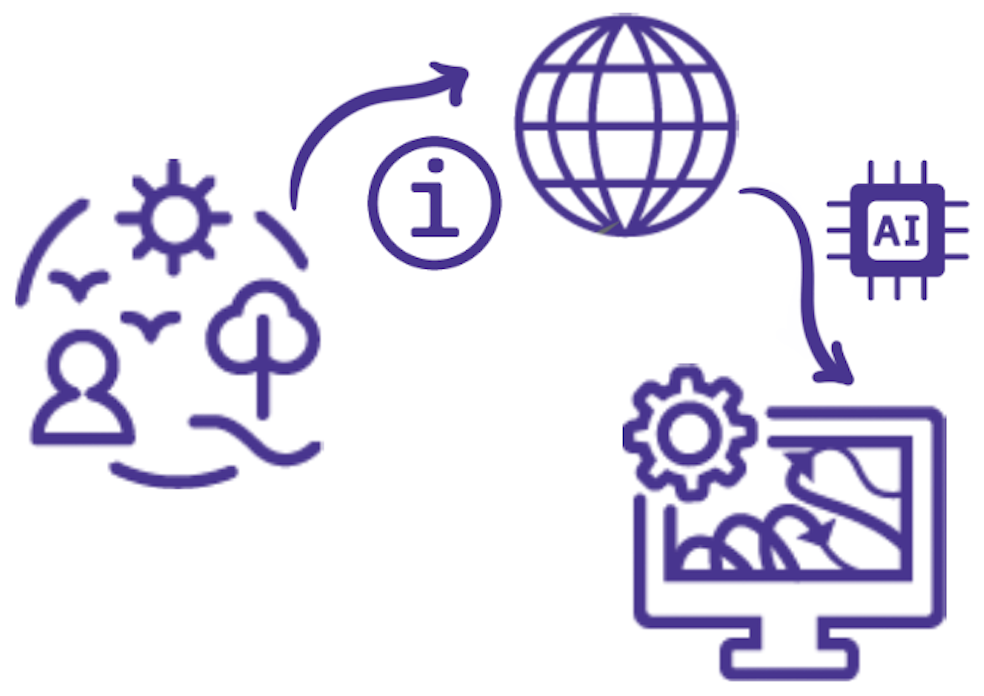
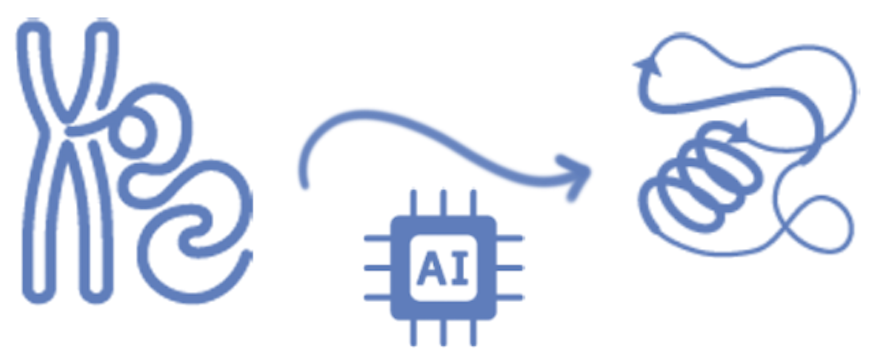
Artificial Intelligence (AI) is a vital component that will define our futures. Our unique modular learning experience invites young learners to explore the mechanisms underlying AI – using image analysis as a basis for enabling their understanding of deep learning models in a meaningful way. We do this by integrating classroom learning, exhibition visit and related workshops.
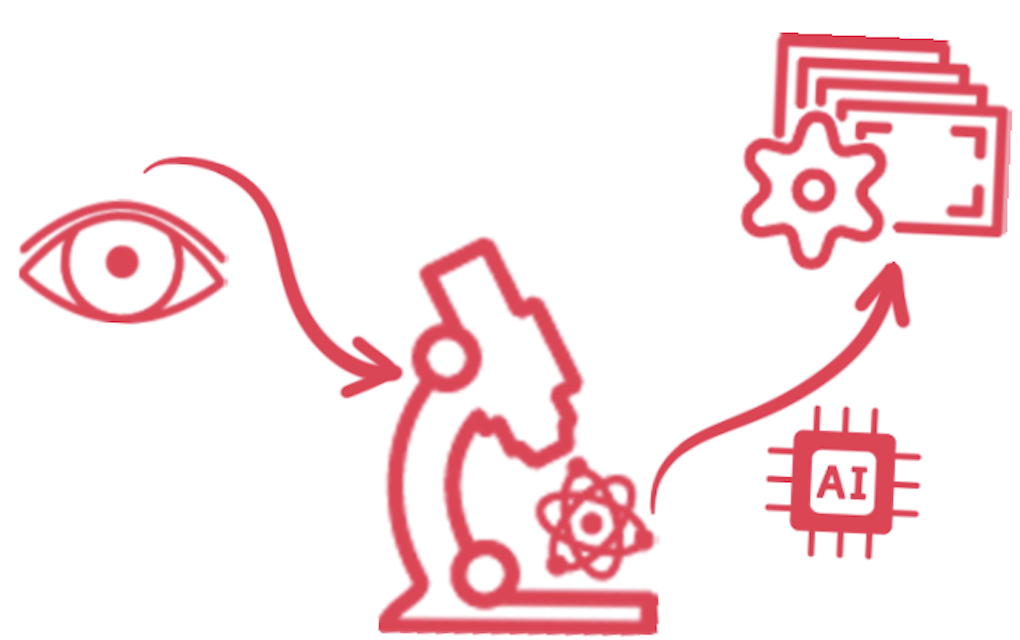
Introduce students to ways in which artificial intelligence is used in life sciences research.
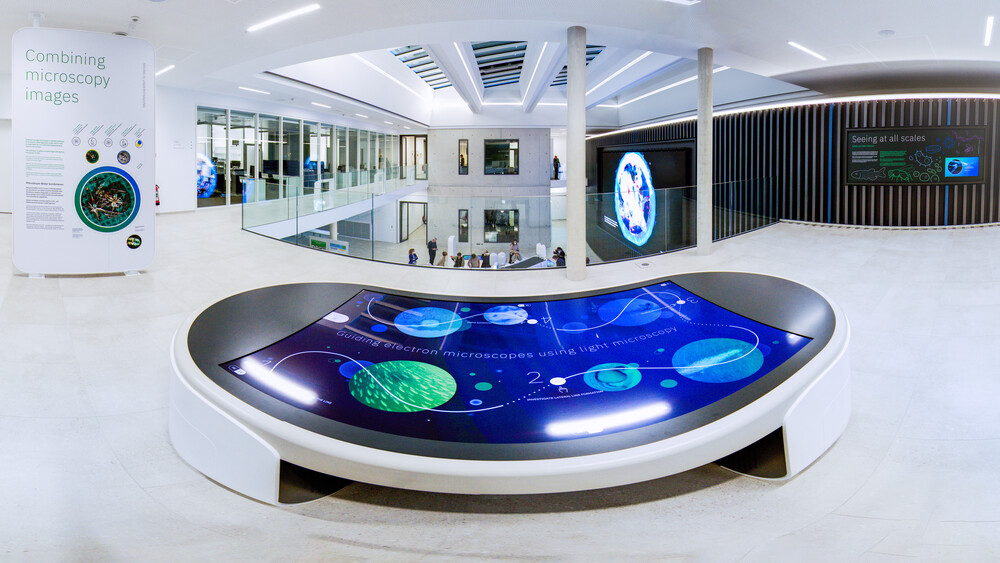
A visit includes a themed guided tour that puts the imaging and machine learning in focus in life sciences research.

WMBio Workshop adds to the visitor experience through a 45 minute on-site activity that enables students to understand the processes involved in the machine learning process in a creative manner.
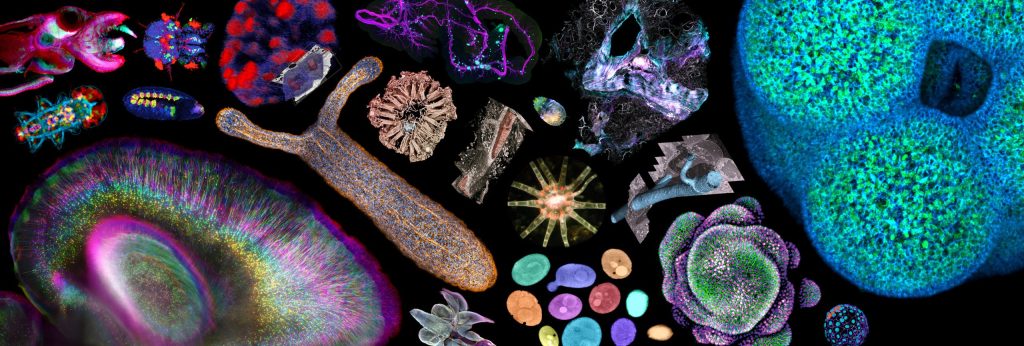
Learning opportunities continue using our resources that link art to science. Students are also encouraged to discuss about the pros and cons of using AI in life sciences research, thus enriching their learning experience.
Some of the big ideas covered in the course include:
Teachers will receive access to supplementary classroom materials to help teach machine learning basics using biological images to students. The materials invoke inquiry-based active learning, collaborative work and helps students understand how technology and research go hand-in-hand. This concept is further emphasised through our workshop that introduces machine learning as a research tool used to improve research.
Additionally, the exhibition virtual tour materials help focus on the interdisciplinary nature of research including informatics, physics, chemistry and biology.
Pre-visit content: We offer students the opportunity to understand how artificial intelligence is shaping life sciences research and how we take inspiration from biology to develop better informatics tools.
Post-visit content: We invite students to create art works in a collaborative project that uses biological images to represent interdisciplinarity in sciences with reference to artificial intelligence. A selection of curated student-artworks would be showcased at our exhibition in the coming year. Additional classroom materials will be provided to introduce the impact of artificial intelligence in life sciences using case study of AlphaFold.
Useful links and guides: Teachers interested in exploring microscopy techniques in the classroom, please check our Microscope in Action project that introduces light and fluorescent microscopy.
Note: Some of the learning materials might only be available in one of the offered languages (English or German).
The workshop links to the following concepts in secondary school curricula:
Microbes are the most ancient, abundant and diverse life forms on our planet and we share an evolutionary history with them. Our unique modular learning experience invites young learners to explore the microbes that we encounter on a daily basis – the ones that live around us and the ones that live inside us. Using DNA sequence analysis as a basis for understanding the link to microbial features, we take students on a journey of discovery of how the microbiome affects us in health and disease. We do this by integrating classroom learning, exhibition visit and related workshops.
Classroom aides and videos that introduce students to the microbiome and the variety that live alongside us.
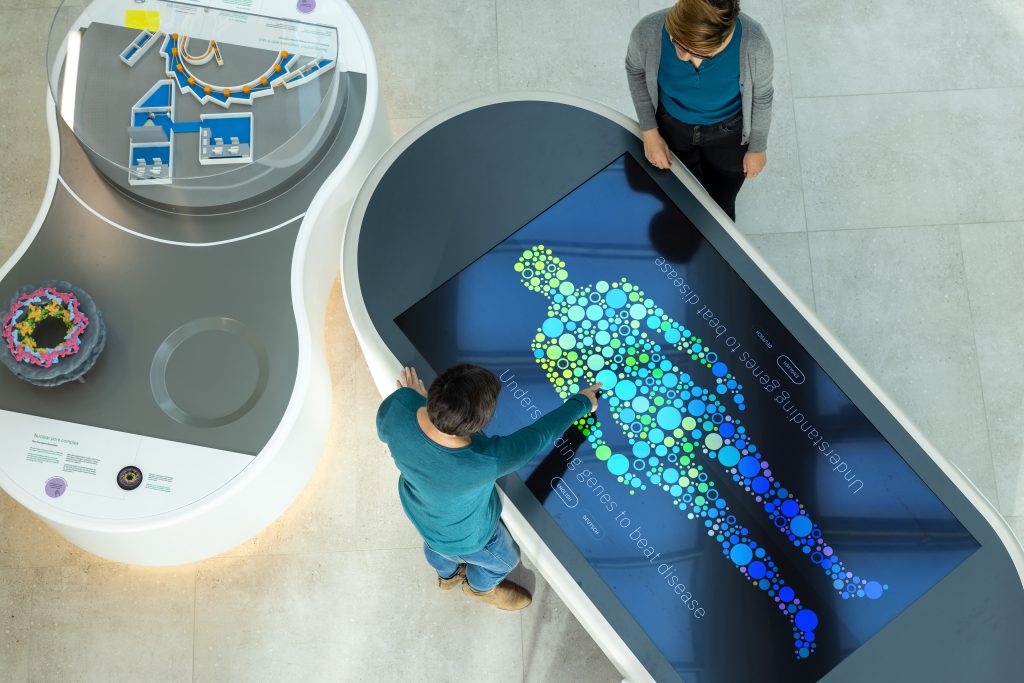
A visit includes a themed guided tour that puts the classroom lessons in wider perspective linking learning to research.
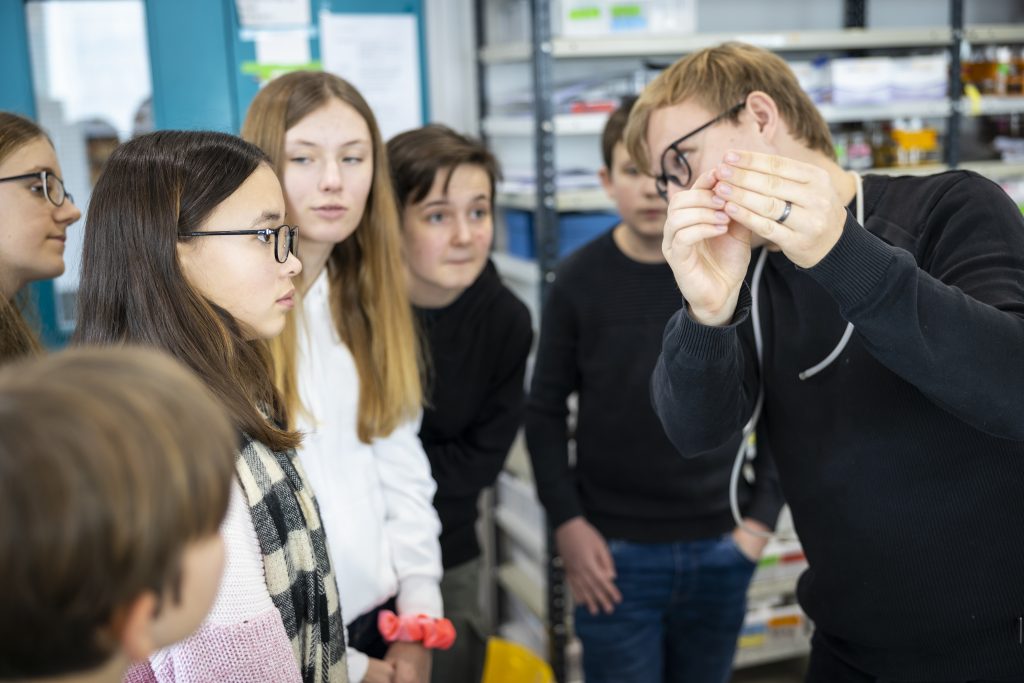
WMBio Workshop adds to the visitor experience through a 45 minute on-site activity that enables students to get-to-know the various microbes that affect us and understand their role in health and disease.
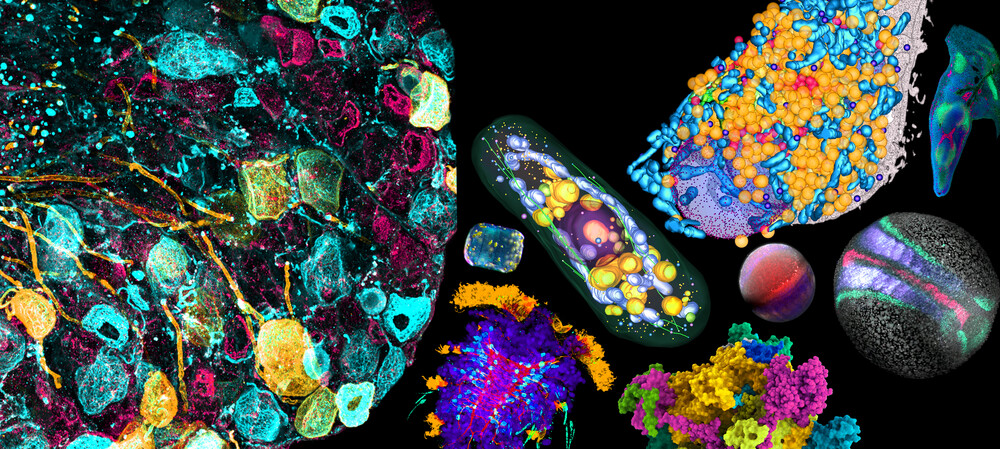
Computational methods now form a major part of research technologies used in life sciences. Students develop their preliminary learning of phylogenetic trees and use a computer-based tool, interactive Tree of Life (iToL), to understand the evolution of the microbiome.
Some of the big ideas covered in the course include:
Teachers will receive access to supplementary classroom materials to help teach microbiome basics to students. The materials invoke inquiry-based active learning, collaborative work and helps students understand how technology and research go hand-in-hand. This concept is further emphasised through the on-site workshop that takes students on an exploration of techniques used in studying the human ecosystems.
Pre-visit content: An introduction to the microbes that live on us and inside us and gain insights into how intimately linked our health and diseases are to these microbes.
Post-visit content: Computational methods now form a major part of research technologies used in life sciences. Students develop their preliminary learning of phylogenetic trees and use a computer-based tool, interactive Tree of Life (iToL), to understand the evolution of the microbiome.
Useful links and guides: Teaching materials and videos from our collaborators and partners that can enhance the classroom learning experience
Note: Some of the learning materials might only be available in one of the offered languages (English or German).
The workshop links to the following concepts in secondary school biology curricula:
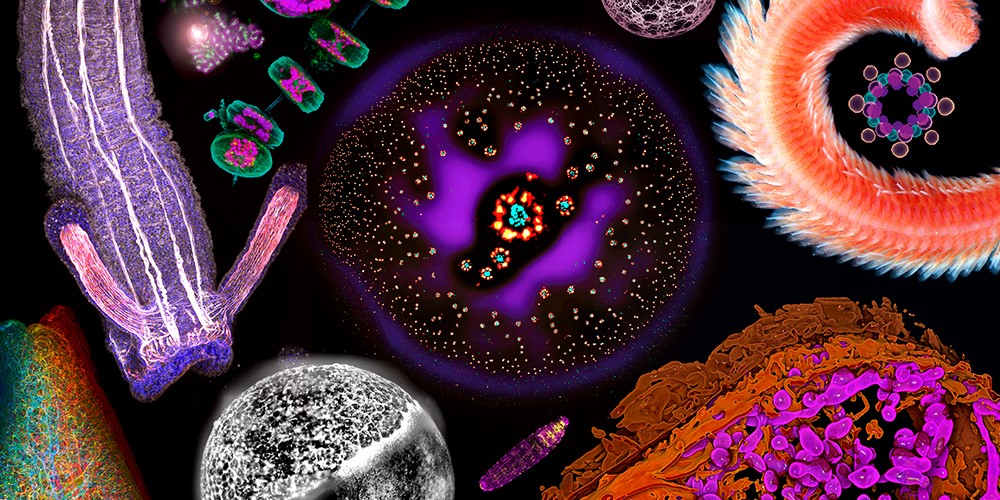
The central dogma – from DNA to protein – defines molecular biology. Our unique modular learning experience invites young learners to explore the basics using haptic and visual aides enabling their understanding and learning in a meaningful way. We do this by integrating classroom learning, exhibition visit and related workshops.
Classroom aides and videos that make teaching the central dogma playful; transcription and translation – from DNA to protein.
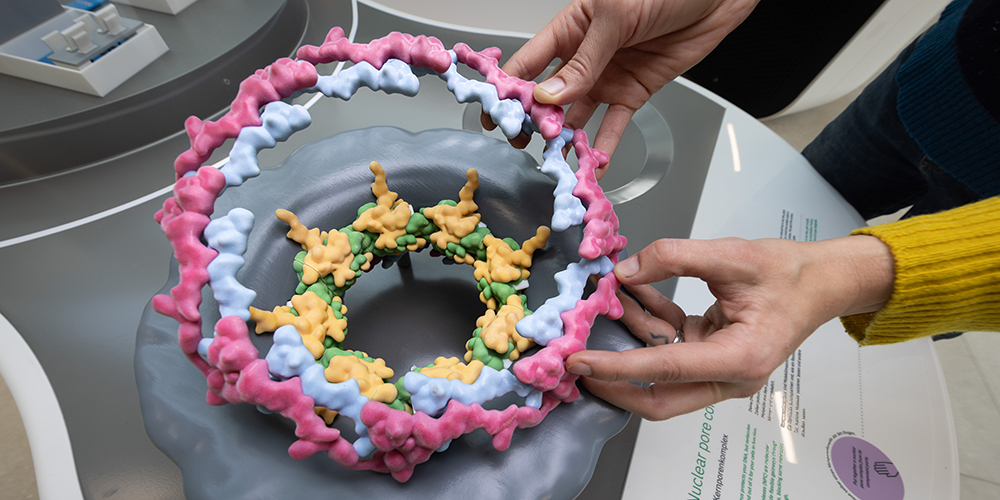
A visit includes a themed guided tour that puts the classroom lessons in wider perspective linking learning to research.
WMBio Workshop adds to the visitor experience through one hour-long on-site activities that enhance deeper learning of the DNA to protein scientific concepts in a creative manner.
Learning opportunities continue using our resources that link ethical topics in scientific research to the wider community. It offers the teacher assessment possibilities on the learning outcomes.
Some of the big ideas covered in the course include:
Teachers will receive access to supplementary classroom materials helping establish key links in molecular biology enabling students to get a holistic approach to scientific concepts underlying the central dogma; from DNA to protein.
This emphasises the interdisciplinary nature of research including chemistry and biology and the ethical dilemmas that emerge from scientific advancements.
Pre-visit content: Educational game to help explain transcription and translation processes, learning materials and video about the importance of proteins
Post-visit content: Crispr/Cas9 Bioethics module (available for assessments), Bioinformatics modules to further understanding of proteins and advances therein
Useful links and guides: Teaching materials and videos from our collaborators and partners that can enhance the classroom learning experience
Note: Some of the learning materials might only be available in one of the offered languages (English or German).
The workshop links to the following concepts in secondary school biology curricula:
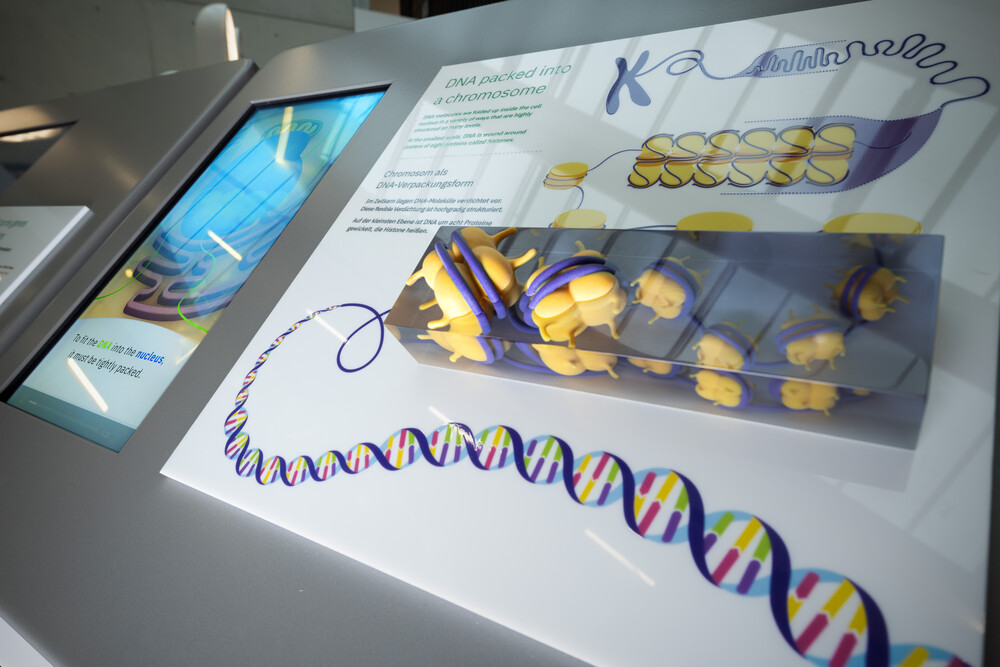
“Changing Ecosystems – Nexus Island” is a game-based learning resource that allows students to explore organisms and their interconnections. It illustrates the intricate web between organisms and the interdependence of various ecosystems.
Schools from the Rhine-Neckar metropolitan region and surrounding areas that participate in the workshop as part of their visit to the exhibition will receive the game mat (4m x 4m) and playing cards free of charge to use in their school.
Important Note: This offer is valid only while supplies last and only once per school. Teachers who take up the offer are kindly asked to sign a declaration of intent in which they agree to share the number of students participating in further workshops using the materials at their school, as well as qualitative feedback, with the Science Education and Public Engagement Team at EMBL.
MORE INFORMATION ABOUT THE WORKSHOP
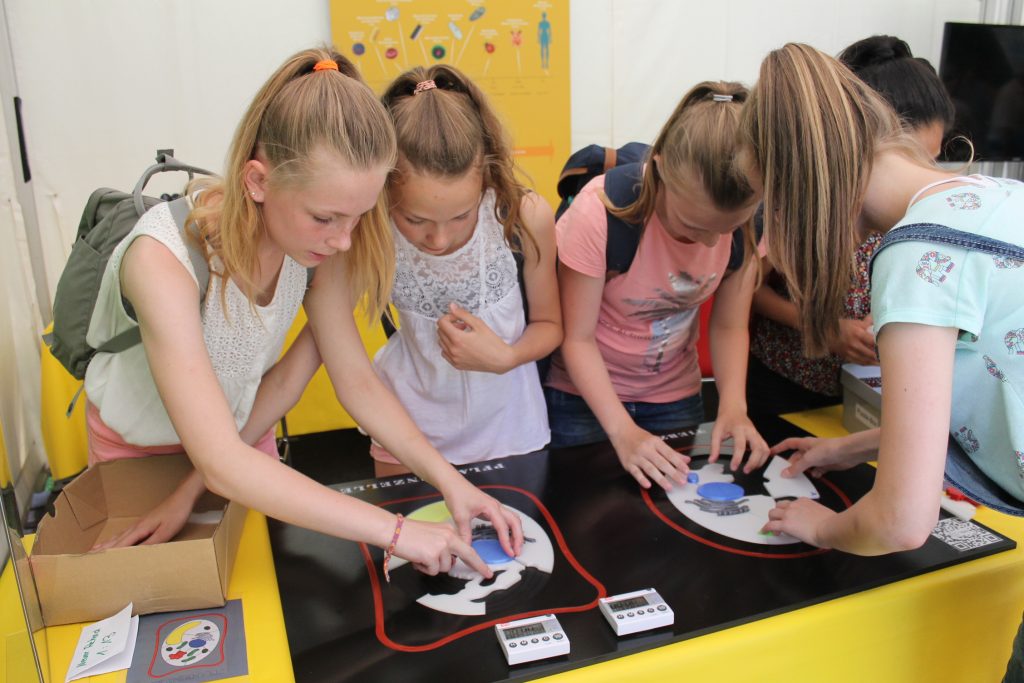
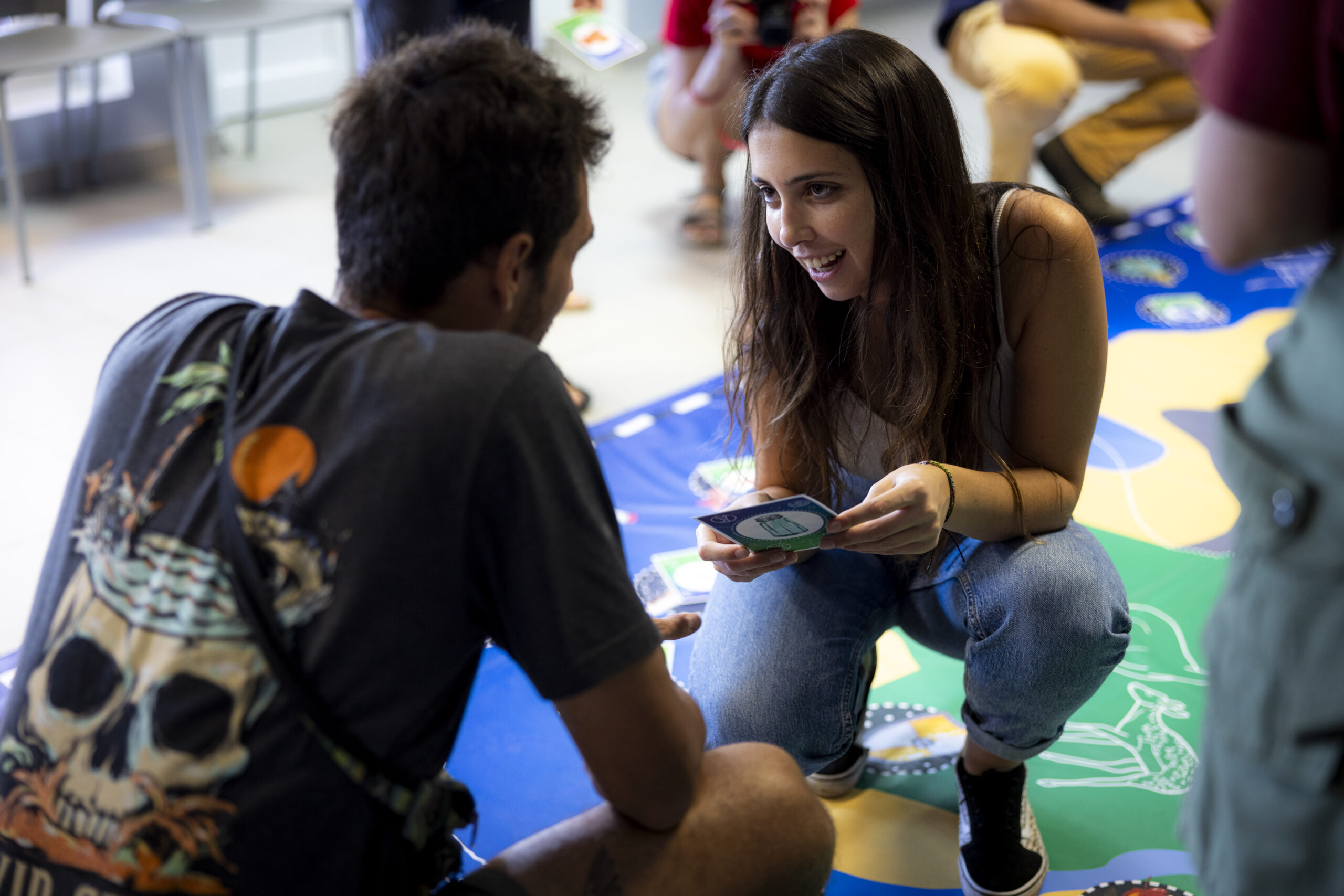
The workshop consists of three parts, all taking place on a 4m x 4m game board:
Part 1: Organisms on Nexus Island
Students divide into four teams. Each team explores one of the island’s ecosystems using the playing cards. In this first part of the game, students will, within their teams:
All teams then come together to:
Part 2: Sudden Environmental Change
In the second part of the game, each team investigates how a change in environmental conditions on the island might affect life in their respective quadrant
Within their teams, students will:
All teams then come together to:
Part 3: Measures to Help Ecosystems Recover
In the third part of the game, all students discuss together measures to mitigate or prevent the effects of sudden environmental change in the future.
This part is only briefly addressed during the workshop and is intended to be completed in the classroom. Students recall what they learned during the visit and discuss their ideas for measures. Additionally, individual teams can be asked to prepare their ideas and arguments in advance for classroom discussions.
The visit and exhibition are designed to enable students to easily link classroom learning to the wider research scope. With this in mind we aim to foster the following:
German schools can now apply for a travel bursary to visit the EMBL exhibition.
Please find our selection criteria listed below. In order to apply for the bursary, please indicate this in your visit request clearly and state your motivation to visit EMBL. Please indicate why your school and students would be best suited to receive the bursary.
The travel bursary is supported by the kind donation from Marie Luise & Jürgen Dietrich-Stiftung.
Criteria:
We are offering teachers an opportunity to visit us at EMBL, Heidelberg Campus to view the exhibition and ask us any questions.
Our aim is to help teachers integrate the exhibition and workshop content into their lesson plans for the coming school year. In addition to a small exhibition tour, we would like to present what we have to offer in the exhibition related workshops in addition to answering any of the specific questions you might have for us prior to your visit with the students.
We will do similar sessions at regular intervals (online and/or in-person) to allow you to visit us and learn about the offers we have for teachers.
Please get in touch with us, if you are interested in visiting us as a teacher for the upcoming visit dates: https://s.embl.org/infosession
We would like to thank the H.W. & J. Hector Stiftung, who has been essential in providing young learners the opportunity to benefit from the World of Molecular Biology through an education programme.