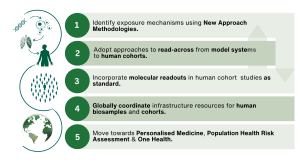
Recent technological advances, both experimental and computational, make it possible to address key questions that will bring a quantitative, mechanistic, and molecular understanding of environmental effects on human biology. Human Ecosystems research and services at EMBL aim to arrive at a molecular understanding of how we interact with our physical, biological, and social environments to identify avenues for the mitigation and treatment of disease.
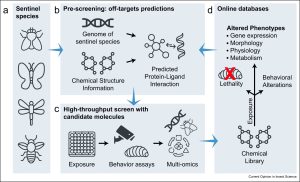
Insect populations are declining globally, and the drivers of this trend are complex and interconnected. Among these, sublethal effects of pesticides—often overlooked in standard environmental risk assessment methods—plays a significant role. The impact of pesticides on human health is also a…
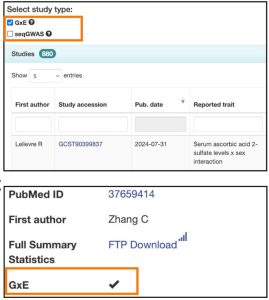
The GWAS Catalog The GWAS Catalog provides an archival and search service for detailed and richly-annotated data from human genome-wide association studies (GWAS). These data can be searched, browsed, visualised and downloaded on the website (https://www.ebi.ac.uk/gwas/). The Catalog includes…
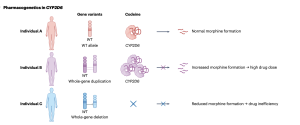
Genome-wide association studies (GWAS) focusing on common single nucleotide polymorphism (SNPs) have advanced our understanding of the genetic causes of many traits and diseases. However, for some conditions, this method is reaching its limits. To better understand the genetic basis of diseases,…
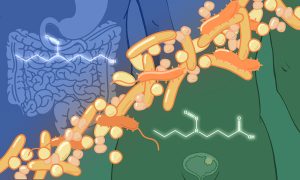
EMBL researchers and collaborators have shown gut bacteria can alter how some carcinogens are metabolised and distributed elsewhere, that leads to bladder cancer. The study can help better understand how individuals' gut microbiota affects tumour growth.
A study from the Hackett group at EMBL Rome shows that disrupting the gut microbiome of male mice increases the risk of disease in their future offspring.