Recent technological advances, both experimental and computational, make it possible to address key questions that will bring a quantitative, mechanistic, and molecular understanding of environmental effects on human biology. Human Ecosystems research and services at EMBL aim to arrive at a molecular understanding of how we interact with our physical, biological, and social environments to identify avenues for the mitigation and treatment of disease.
By Eleonora Mastrorilli, MSc, Scientific Programmer, Zimmermann Group, EMBL Heidelberg The human gut microbiome plays a critical role in human health and disease due to its metabolic interactions with the host and environmental factors, including pharmaceuticals. Although several studies cumulated…
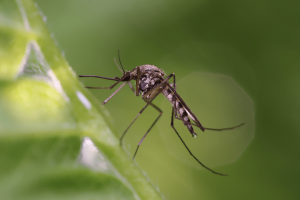
The UniProt Knowledgebase provides users with a comprehensive, high-quality and freely accessible set of protein sequences annotated with functional information. Recent evidence suggests that proteins from the saliva of blood-feeding arthropods, such as mosquitoes, lice, sandflies, bedbugs and…
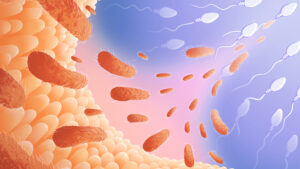
A study from the Hackett group at EMBL Rome shows that disrupting the gut microbiome of male mice increases the risk of disease in their future offspring.