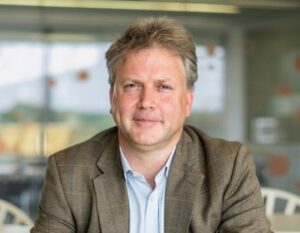
Ewan Birney
EMBL-EBI
Director
EMBL Conference
All EMBL staff, alumni, and colleagues across our networks are warmly invited to EMBL in Poland, taking place on Monday 7 and Tuesday 8 September 2026 at the Nencki Institute, Polish Academy of Sciences.
This free event offers opportunities to explore exciting scientific resources in Poland and at EMBL, while connecting with peers during dedicated networking sessions, coffee breaks, and evening drinks.
EMBL in… events are open to all life scientists. They aim to share EMBL’s latest developments with communities in our member and associate member states, and to highlight innovative research and resources available locally.
By bringing these communities together, we hope to foster dialogue, strengthen collaboration, and broaden access to the many opportunities offered by EMBL, its alumni, and its partners.
Day 1 | Monday 7th September |
| 10:00-10:30 | Welcome coffee and registration |
| 10:30-11:30 | Session 1: EMBL in Europe: A Shared Mission Chair: Leszek Kaczmarek Speaker 1: Agnieszka Dobrzyń, Welcome Speaker 2: Zhanna Ivanova, “EMBL in and for Poland: Strengthening European and Polish Life Sciences” Speaker 3: Monika Lachner, “EMBL Training: Developing Skills and Shaping Future Leaders in the Life Sciences” |
| 11:30-13:00 | Session 2: Cells in Action: From Structure to Function Chair: Marta Miączyńska Speaker 1: Rainer Pepperkok, “Single Cell Biology at Large Scale” Speaker 2: Aleksandra Kołodziejczyk, “Microbial Whispers, Hepatic Echoes” Speaker 3: Oliwia Koczy, “Needle in a haystack: Targeted serial lift-out approach for capturing rare biological targets” |
| 13:00-14:00 | Social lunch and group photo |
| 14:00-15:30 | Session 3: Writing, Erasing, Remembering: The Power of Epigenetics Chair: Aleksandra Pękowska Speaker 1: Eileen Furlong, “Genome Regulation: Going Loopy Dissecting Enhancer-Promoter Interactions” Speaker 2: Adam Kłosin, “Memories on Repeat: Using “Junk DNA” to Store the Experience of Stress” Speaker 3: Urszula McClurg, “Why Would a Cancer Cell Re-Use The Wrong Place, Wrong Time: Fertility Proteins Driving Cancer.” |
| 15:30-16:00 | Coffee break |
| 16:00-17:30 | Session 4: RNA and all That Jazz: Exploring the RNA world Chair: Artur Jarmołowski Speaker 1: Szymon Świeżewski, “Schrödinger’s Seed. How to Stay Alive When You Are 6 feet Underground.” Speaker 2: Andrzej Dziembowski, “A Tale of Tails: Poly(A) Biology in mRNA Vaccines and Beyond” Speaker 3: Wojciech Galej, “The Significant Other: Structural Studies of the Spliceosome’s Long-Separated Twin.” |
| 17:30-18:30 | Poster session and networking |
| 18:30-19:30 | Finger foods |
Day 2 | Tuesday 8th September |
| 9:00-10:00 | Coffee and tour of institute |
| 10:00-11:30 | Session 5: Decoding Biology in the Age of AI Chair: Bartek Wilczyński Speaker 1: Joanna Sułkowska, “From Sequence to Structure: A Journey Through the Unknown Folds of Proteins.” Speaker 2: Paweł Łabaj, “Genomic Reproducibility in the Bioinformatics Era.” |
| 11:30-11:45 | Short break |
| 11:45-12:15 | Closing Plenary Ewan Birney, “Genomics, Imaging and AI: Three Technologies That Are Changing How We Do Research and its Impact.” |
| 12:15-13:00 | Social lunch |
EMBL-EBI
Director
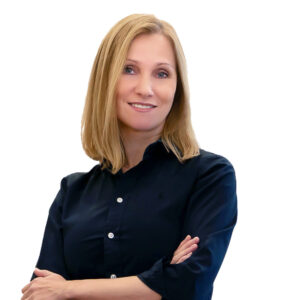
Nencki Institute
Director of Institute, Head of Laboratory of Cell Signaling & Metabolic Disorders
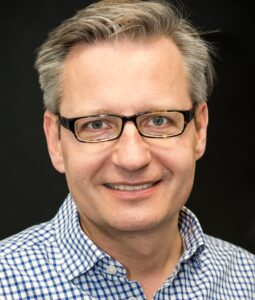
IIMCB
Head of the Laboratory of RNA Biology
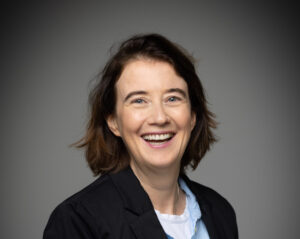
EMBL Heidelberg
Head of Genome Biology Unit
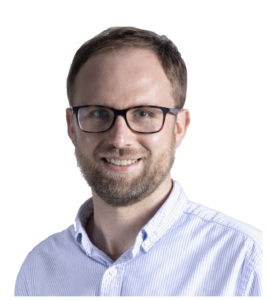
EMBL Grenoble
Group Leader

EMBL Heidelberg
International Relations Officer
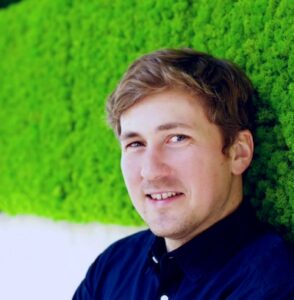
Nencki Institute
Group Leader
EMBL Heidelberg
Postdoctoral fellow
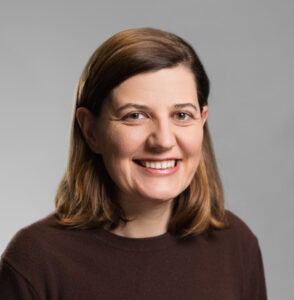
IIMCB
Head of Laboratory of Cellular Genomics
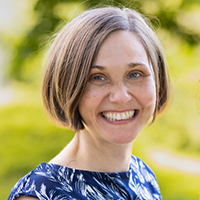
EMBL Heidelberg
Head of EICAT
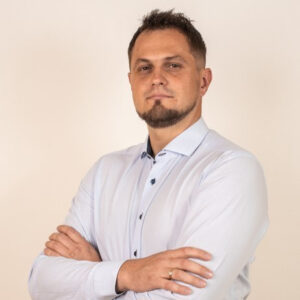
MCB Kraków
Bioinformatics Group Leader and Deputy Director for Science
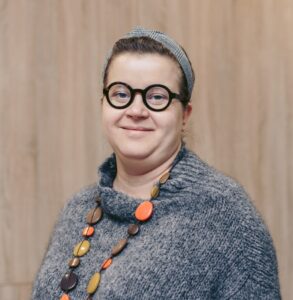
IMB Łódź
Head of Cell Cycle Regulation Laboratory
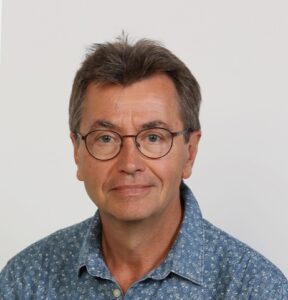
EMBL Heidelberg
Director of Scientific Core Facilities and Services
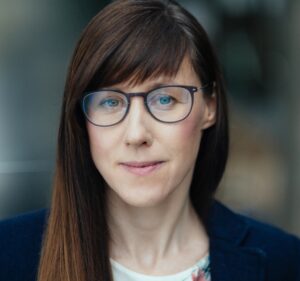
University of Warsaw
Interdisciplinary Laboratory of Biological Systems Modelling Centre of New Technologies
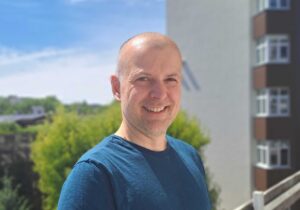
IBB
Professor at Laboratory of Seeds Molecular Biology
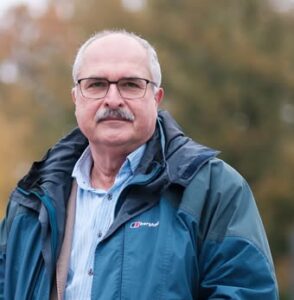
Adam Mickiewicz University
Professor at the Institute of Molecular Biology and Biotechnology
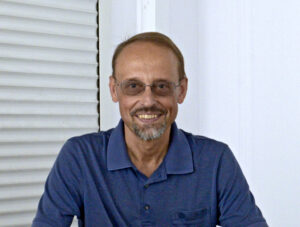
Nencki Institute
BRAINCITY President
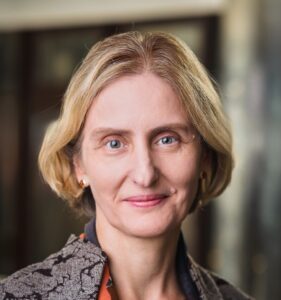
IIMCB
Director of Institute, Head of Laboratory of Cell Biology
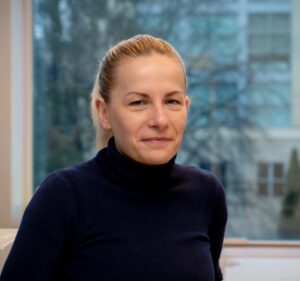
Nencki Institute
Head of the Dioscuri Center of Chromatin Biology and Epigenomics
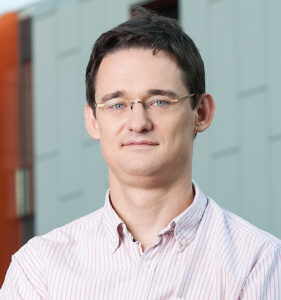
University of Warsaw
Associate Professor
We are pleased to offer an opportunity for life scientists from all career levels to present a poster at the event. The poster session will take place on Monday 7th September, 17:30-18:30hrs CET. If you have any questions, please contact embl_poland@nencki.edu.pl
Information for poster abstract submission:
Note to presenters: please collect your posters at the end of the day on Monday 7 September. The Nencki Institute is not able to safely store posters after the session. Thank you.
The deadline for submission (01.08.2026) has now passed.
| 1. Tomasz Buko, Center of New Technologies (CeNT), University of Warsaw | Exploring circulating tumour cell heterogeneity using a metastatic triple-negative breast cancer xenograft model |
| 2. Chathurika Gamage, Center of New Technologies (CeNT), University of Warsaw | Characterization of invasive tumor cells and their interactions with the lymphatic system in head and neck squamous cell carcinoma using catulin-GFP and Prox-Tomato reporter mouse models |
| 3. Megha Gautam, Center of New Technologies (CeNT), University of Warsaw | Lineage tracing identifies MCAM-positive plastic tumor cells driving breast cancer progression |
| 4. Manish Poojary, Center of New Technologies (CeNT), University of Warsaw | Deciphering tumor–nerve signaling in head and neck squamous cell carcinoma metastasis |
| 5. Laura Turos-Korgul, Nencki Institute of Experimental Biology Polish Academy of Sciences | Contact-dependent horizontal CD44 transfer as a mechanism of stromal support for leukemia cells |
| 6. Zuzanna Żółtowska, Nencki Institute of Experimental Biology Polish Academy of Sciences | CHI3L1 isoform imbalance drives cytoskeletal remodelling and phenotypic plasticity in human glioblastoma cells (U87-MG) |
| 7. Ada Hryniewicka, University of Warsaw | Exploring regulatory sequence features with deep learning |
| 8. Anna Szymik, Univeristy of Warsaw | Deep learning reveals distinct mutational landscapes of Drosophila housekeeping and developmental enhancers |
| 9. Victoria Puzej, Nencki Institute of Experimental Biology Polish Academy of Sciences | Social interactions patterns of female mice in IntelliCage vs Eco-HAB systems |
| 10. Magdalena Rutkowska, Nencki Institute of Experimental Biology Polish Academy of Sciences | Astrocytic IGFBP2 regulates local IGF1 availability and dendritic spine structural plasticity |
| 11. Magdalena Sobień, Nencki Institute of Experimental Biology Polish Academy of Sciences | Social network and addiction-like traits in female mice exposed to alcohol |
| 12. Claudia Nogueira, Institute of Medical Biology of the Polish Academy of Sciences | Beyond synapsis: uncovering non-canonical localisations of synaptonemal complex proteins in meiotic spindle organization |
| 13. Vanessa Linke, International Institute of Molecular and Cell Biology in Warsaw (IIMCB) | Mass spectrometry approaches for exploring protein-protein interactions |
| 14. Oliwia Maniawska, Nencki Institute of Experimental Biology Polish Academy of Sciences | Assessment of dendritic spine morphology after reversal of the iDisco optical clearing procedure of the mouse brain |
| 15. Elzbieta Nowak, International Institute of Molecular and Cell Biology in Warsaw (IIMCB) | IN-MOL-CELL Core Technologies at IIMCB |
| 16. Maksim Serdakov, IMol Polish Academy of Science | LaRNAl: a web platform for RNA structure analysis |
| 17. Behnaz Mirzaei Behbahani, Institute of Biochemistry and Biophysics Polish Academy of Sciences | Structural analysis of complex CowPox Herpesvirus with antigenic peptide transporter (TAP) based on NMR data and molecular dynamics simulations |
| 18. Misbah Abbas, Nencki Institute of Experimental Biology Polish Academy of Sciences | DEAD box helicase 5 (Ddx5) regulates 3D chromatin organization and transcriptome remodeling upon exit from pluripotency |
| 19. Andrew Bates, Institute of Medical Biology of the Polish Academy of Sciences | SYCE3 as a candidate regulator of ALT-mediated telomere maintenance |
| 20. Bondita Dehingia, Nencki Institute of Experimental Biology Polish Academy of Sciences | Pantr1 lncRNA orchestrates nuclear organization through CTCF-anchored chromatin topology and lamina integrity |
| 21. Dharshanbaabu Pennagaram Balaji, Institute of Biochemistry and Biophysics Polish Academy of Sciences | The effect of DNA topology on transcription dynamics: single-molecule approach |
| 22. Michal Bialobrzewski, Institute of Physics, Polish Academy of Sciences | RNA recognition motif, not for RNA: a liquid-liquid phase-separation story in mRNA degradation pathway |
| 23. Małgorzata Cieśla, Institute of Biochemistry and Biophysics Polish Academy of Sciences | Multilayered post-transcriptional regulation of yeast Maf1, a global repressor of tRNA transcription, by a tRNA-like element in the MAF1 gene |
| 24. Zara Naz, International Institute of Molecular and Cell Biology in Warsaw (IIMCB) | The 5′-terminal nucleotide determines the immunogenicity of RNA polymerase III transcripts through RIG-I Activation |
| 25. Agata Jabłońska, Nencki Institute of Experimental Biology Polish Academy of Sciences | IgA-coated bacteria as candidates for next-generation probiotics protecting against allergic asthma |
| 26. Cita Hanif Muflihah, Nencki Institute of Experimental Biology Polish Academy of Sciences | Investigating candidate regulators for mitotic bookmarking in the maintenance of IFNγ-induced epigenetic inheritance |
| 27. Dejan Rajkovski, Nencki Institute of Experimental Biology Polish Academy of Sciences | Identification of regulators involved in establishing and/or maintaining the IFNy-induced transcriptional memory |
| 28. Pilar Rodríguez Viso, Nencki Institute of Experimental Biology Polish Academy of Sciences | Microbiota-dependent bile acids regulate alveolar macrophage and fibroblast immunometabolism to protect against allergic airway inflammation |
| 29. Marko Tomljanović, Nencki Institute of Experimental Biology Polish Academy of Sciences | Sustained accumulation of Interferon-stimulated gene products following IFNγ exposure |
| 30. Alessandra Vittorini Orgeas, Adam Mickiewicz University | Comparative immune profiling of Polish and Japanese women reveals cohort-associated differences in PBMC composition and biological processes – a pilot study |
| 31. Jan Daniluk, Nencki Institute of Experimental Biology Polish Academy of Sciences | Mitochondrial potassium channels as sensors and regulators of redox signaling |
| 32. Krystyna Żyżyńska-Galeńska, International Institute of Molecular and Cell Biology in Warsaw (IIMCB) | Analysis of regulative elements associated with mutations SLC26A4 causing inner ear malformations |
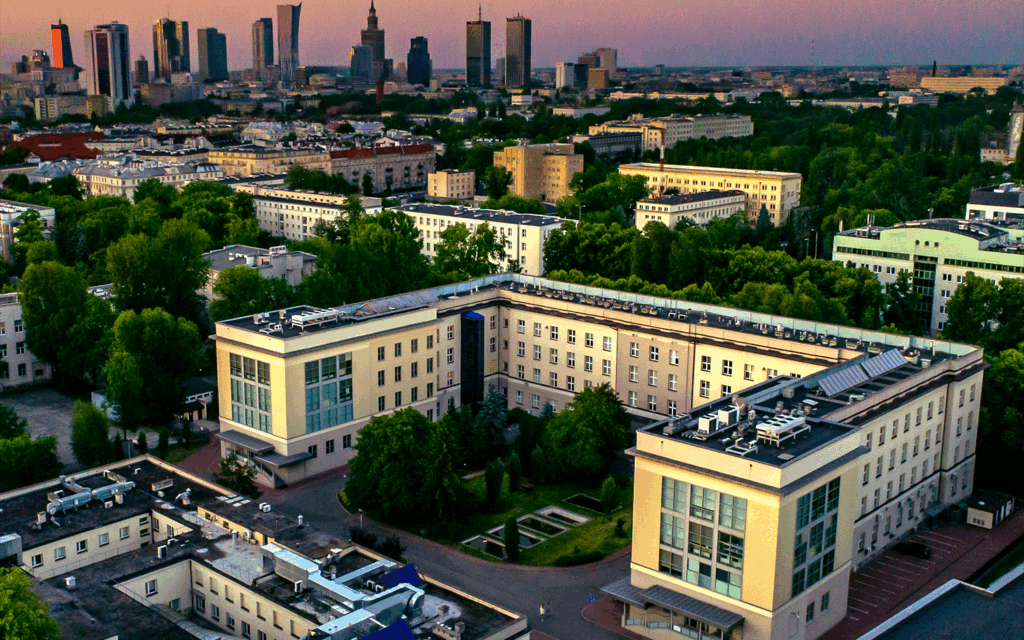
Venue
Conference Hall, Nencki Institute
3 Pasteur Street, 02-093 Warsaw, Poland
How to get to Nencki Institute?
From the airport:
From “Lotnisko Chopina – Przyloty“ bus stop (Airport Chopin Arrivals) you might take a bus 175 (Pl. Piłsudskiego direction) or bus 188 (Gocławek Wschodni direction). Trip should take 16 minutes. Get off at “Szpital Banacha” bus stop at Żwirki i Wigury Street. From there it’s a 10-minute walk to the Institute.
You can buy a ticket from the ticket machine either at a bus stop or in a bus. Only card payments are accepted. A 20-minute ticket costs 3,40PLN.
From the train station:
You might take a bus 517 from “Dw. Centralny 02” bus stop (Ursus-Niedźwiadek direction) and get off at “Plac Narutowicza” bus stop at Grójecka Street. From there it is around 11-minute walk to the Institute.
You might also take a bus 175 (Lotnisko Chopina direction), 128 (Szczęśliwice direction) or 504 (Os. Kabaty direction) from “Dw. Centralny 02” bus stop and get off at “Pomnik Lotnika” bus stop. From there it is around 10-minute walk to the Institute.
By tram:
From the Central Train Station you might take a tram 9 from “Dw. Centralny 08” tram stop (P+R Al.Krakowska direction) and get off at “Och-Teatr” tram stop at Grójecka Street. From there it is less than a 5-minute walk to the Institute.
From the Central Train Station you can also take a trams 7, 25 and 33 from “Dw. Centralny 08” (no. 7 and 25) tram stop or from “Dw. Centralny 09” (no. 33) (Pl. Narutowicza direction) and get off at the last station. From there it is less than a 15-minute walk to the Institute (900m).
By taxi:
You might catch a taxi cab outside the terminal or central train station.
Taxi companies:
Parking
If you are arriving by car, be advised that there is only public parking on Pasteur Street.
Entry to campus
You will have to ring a bell at the gate and provide your name. As long as you are a registered participant, the institute’s security will let you enter.
If you have questions or need any further information, please do not hesitate alumni@embl.org
Suggested Accommodation (information liable to change.)



EMERALD is supported by the Minister of Science and Higher Education of the Republic of Poland grant no. MNiSW/2024/DWM/272.
Date: 7 - 8 Sep 2026
Location: Conference Hall, Nencki Institute, 3 Pasteur Street, 02-093 Warsaw, Poland
Time: 10:00
Deadline(s):
Registration: Closed
Registration: Please note that space is limited, registration will close once capacity is full.
Contact: EMBL in Poland