Molecular Building Blocks
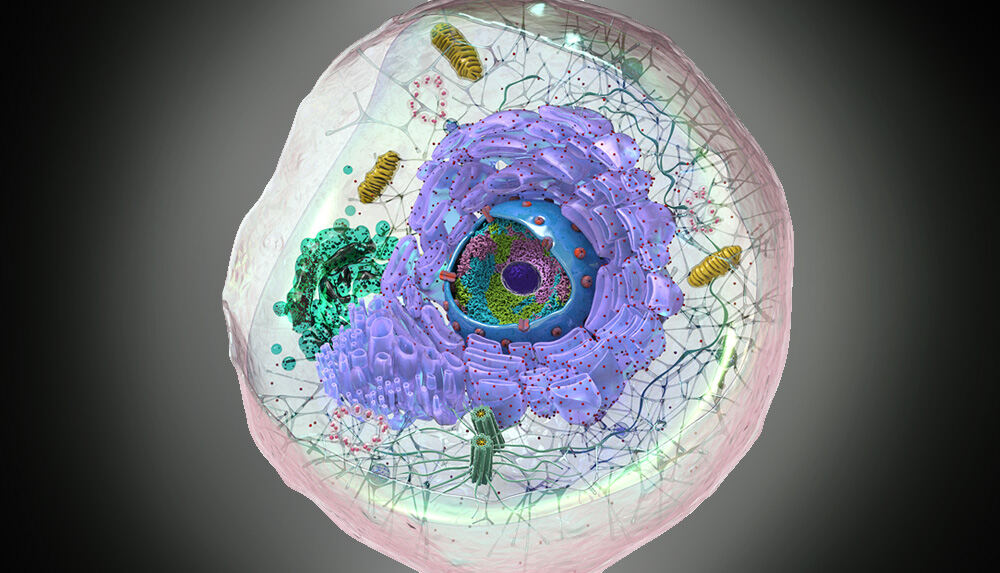
Probing the smallest building blocks of life to understand their role in cells and beyond
Advancing molecular biology research to study life in context
The new Programme expands EMBL’s research purview to further advance our understanding of the molecular basis of life in context.
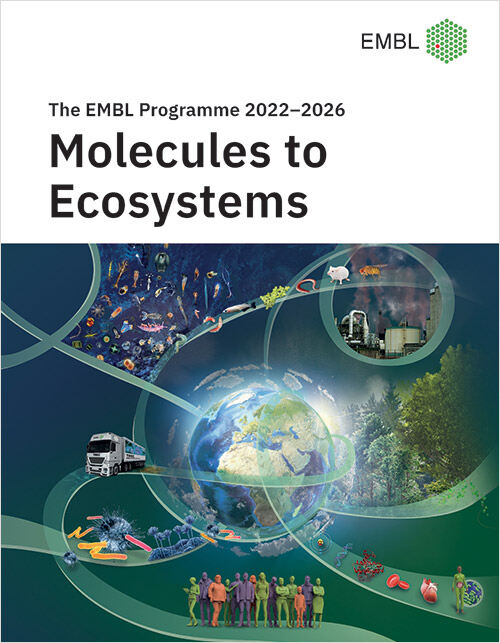
EMBL’s research aims to understand the basis of life, gaining a molecular understanding of organisms in the context of different environments. From exploring the molecular components inside a cell to studying whole populations and ecosystems, EMBL scientists will explore these different scales through eight research themes that foster collaborative, multidisciplinary research: Molecular Building Blocks, Cellular and Multicellular Dynamics, Microbial Ecosystems, Infection Biology, Human Ecosystems, Planetary Biology, Data Sciences, and Theory@EMBL. These new themes build upon EMBL’s existing strengths and expertise, such as structural biology, bioinformatics and computational biology, microbiology, tissue and organ biology, neurobiology, developmental biology, genome biology, cell biology, and molecular medicine.
In order to firmly establish and propel the new research themes, EMBL has introduced a series of new functional structures called transversal themes. Transversal themes will become a formalised, funded structure overlaid on current EMBL units which will deepen the interdisciplinary science at EMBL. The transversal themes align with the new directions outlined within the EMBL Programme and include Planetary Biology, Human Ecosystems, Infection Biology, Microbial Ecosystems, Data Sciences and Theory.
Probing the smallest building blocks of life to understand their role in cells and beyond

Unravelling the impact of variation to understand responses at the cellular and multicellular levels
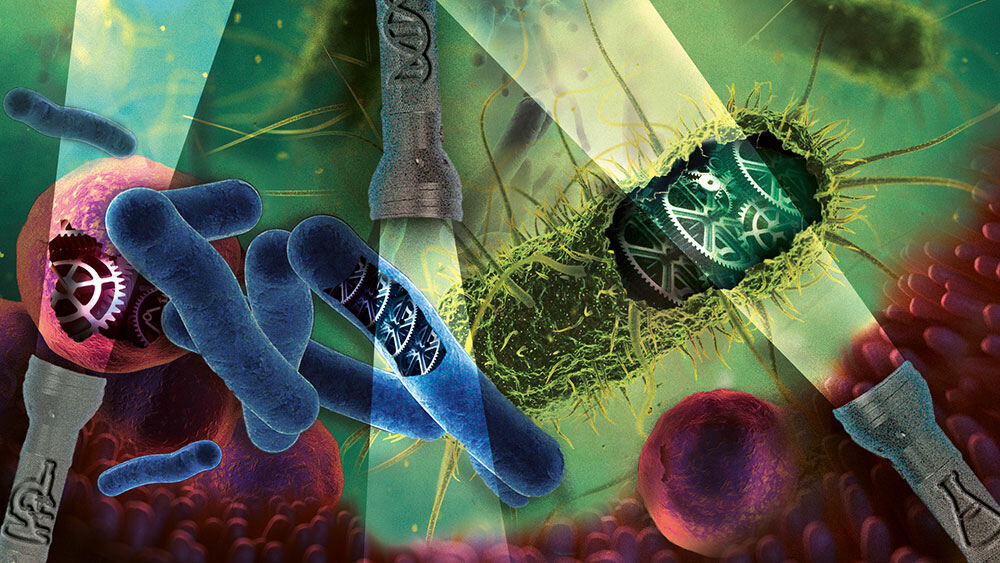
Dissecting microbial functions and communities to understand how microbes interact with their environments
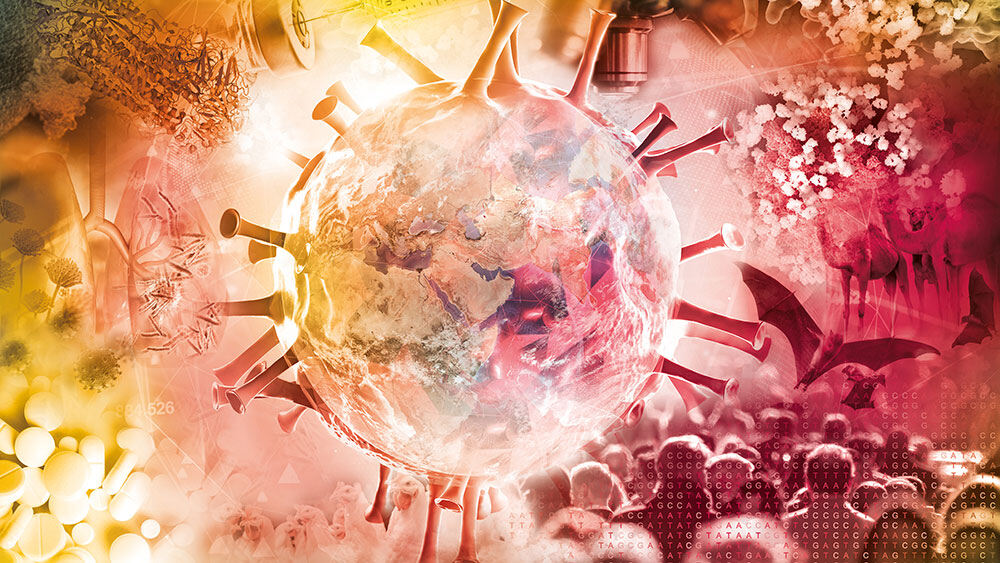
Characterising pathogen interactions with the host at an atomic, molecular, and tissue level to tackle infection and antimicrobial resistance
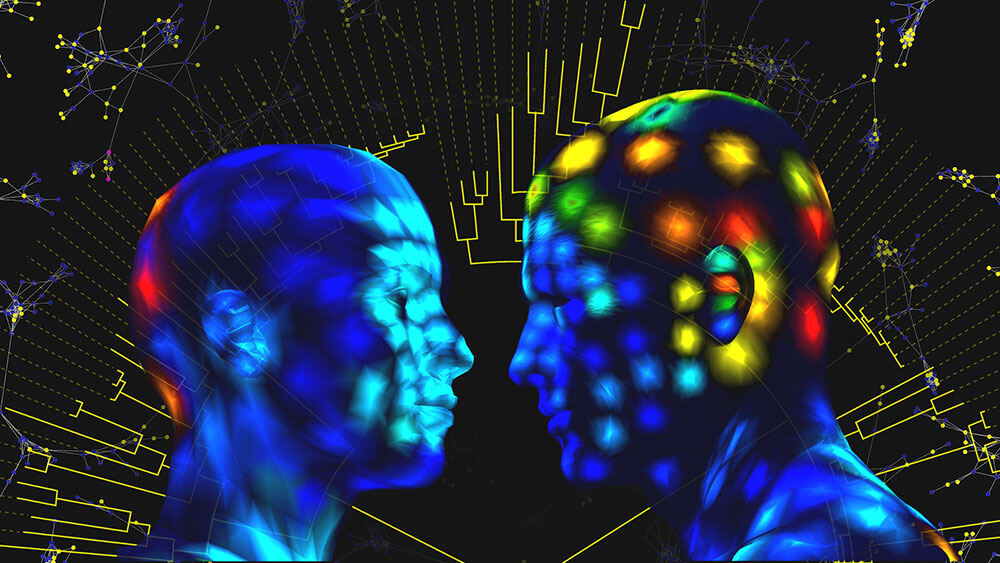
Developing a quantitative, mechanistic, and molecular understanding of environmental effects on human biology
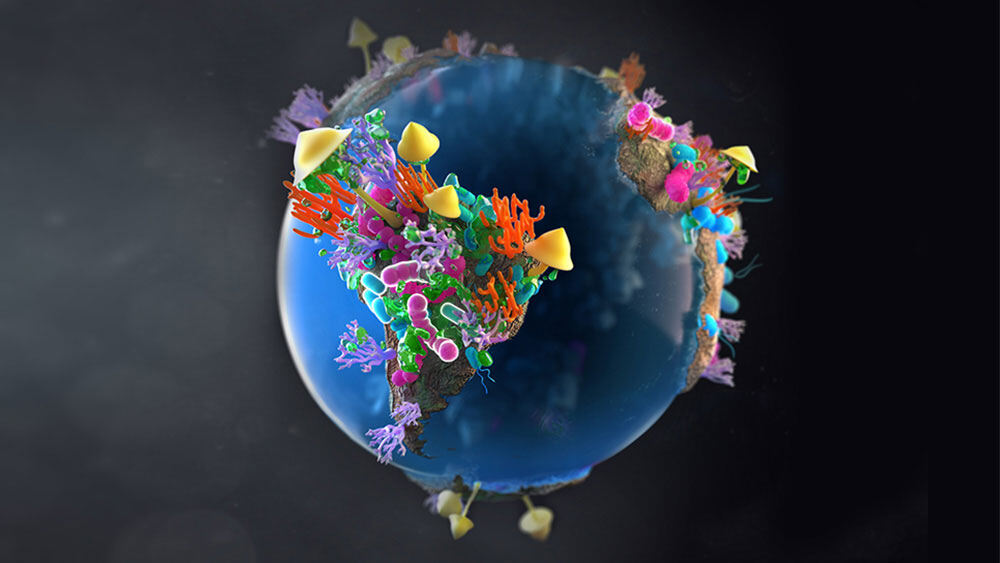
Unravelling genetic and environmental influences in biomes and ecosystems to understand biological processes and improve planetary health

Ensuring research data is expertly curated, annotated, managed, integrated, visualised, and shared

Promoting theory-guided paths to understanding and conceptualising the underlying principles of biological systems
Expanding and integrating experimental and data services
Internal and external trainings in the new directions
Learn more about the technologies referred to in the EMBL Programme (pdf)
EMBL’s vision is to advance understanding of ecosystems at the molecular level and study life in context. The result will be fundamental research that expands what we know about life on earth and provides the means to address major global challenges.
This new Programme will expand EMBL’s scope to study the molecular basis of life in the context of changing environments, transforming our understanding of life on earth and informing potential solutions for some of society’s biggest challenges, such as irreversible loss of biodiversity, antimicrobial resistance, pollution, climate change, food security, and emergent pathogens.