Tissue biology and disease modelling
Scientists at EMBL Barcelona use advanced technologies to observe, manipulate, and model how changes in genes percolate through cells, tissues, and organs, in health and disease.
Understanding how assemblies of cells develop, work, and heal
In multicellular organisms, cells are usually arranged into specialised tissues that perform specific functions. Tissues may also combine to form organs for carrying out certain tasks.
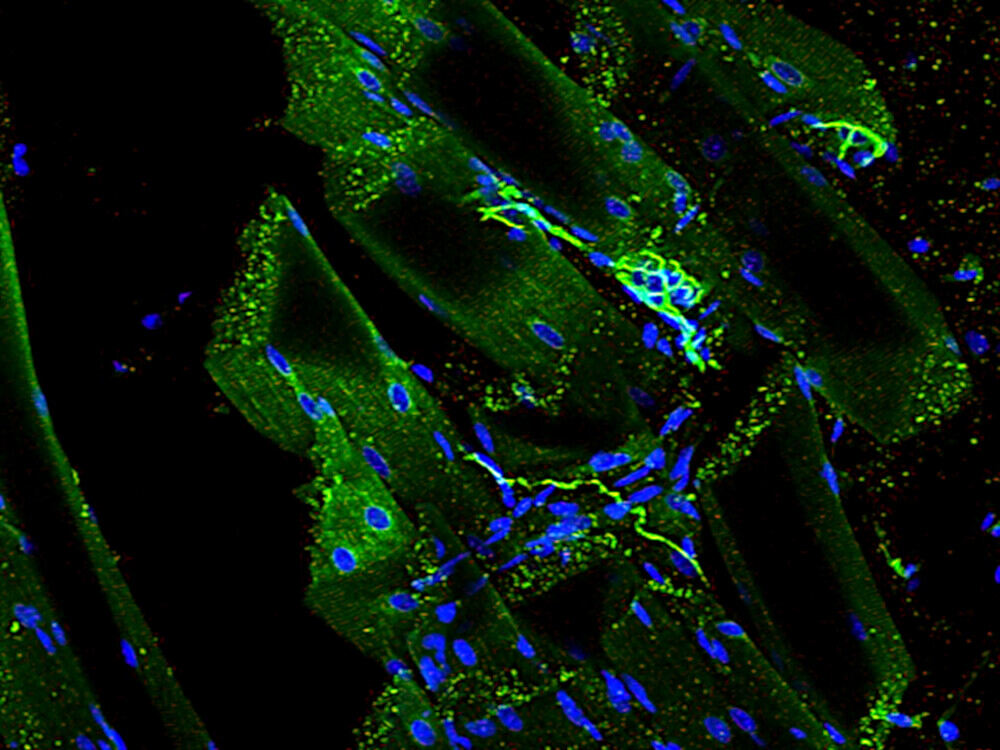
Tissues such as those in the skin, digestive tract, and airways are known as epithelial tissues. They act as barriers between an organ and its environment, controlling the passage of molecules in and out. Connective tissues provide structure and stability, and coordinate cell growth and movement. Muscle tissues allow organisms to perform controlled movements, while nervous tissues provide the signals that regulate these and other activities in the body, and enable organisms to sense and process environmental stimuli.
Tissue biologists at EMBL investigate how tissues and organs form during the development of embryos into mature organisms. They also grow artificial tissues and organ-like structures from individual cells. They investigate how cells within tissues work together, how different tissues interact, and how tissues can heal and regenerate when they have been injured. To understand these processes, EMBL scientists collaborate closely with experts in imaging and bioinformatics. Understanding tissue function and development may lead to new approaches for the treatment of injuries or the replacement of damaged organs.
Scientists at EMBL Barcelona use advanced technologies to observe, manipulate, and model how changes in genes percolate through cells, tissues, and organs, in health and disease.
Tissue biology and disease modelling news

New portal integrates imaging and gene expression data to map gene activity across tissues.
Edit
Here are seven key takeaways from an EMBL | EMBO symposium that brought together scientists from all over the world to discuss the role of AI in the life sciences.
Edit
A new study maps the organisation of immune and stromal cells in lymph nodes and shows how loss of this organisation is associated with prognosis in certain lymphomas.
EditFrom microscopy to mycology, from development to disease modelling, EMBL researchers cover a wide range of topics in the biological sciences.