Subscribe to our SEPE Newsletter
Receive updates on science education events, teaching and learning material and public engagement activities of EMBL!
Discover how life interacts on our planet on this Science Education & Public Engagement page! Explore Planetary Biology at EMBL, dive into the TREC expedition and its science, meet the scientists behind it, and access our Planetary Biology-related resources.
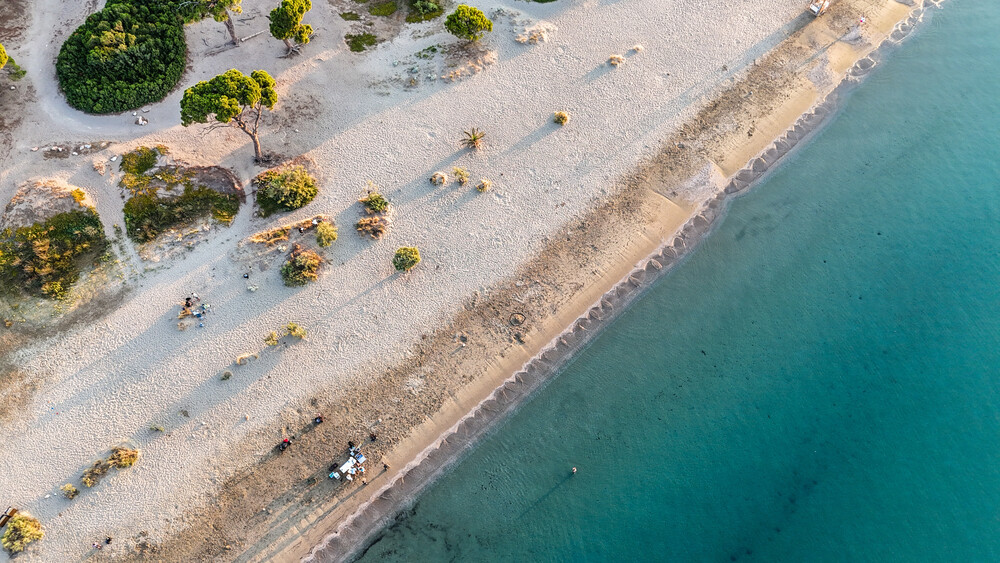
Collecting samples and biological data on our planet’s ecosystems is a crucial part of EMBLs Planetary Biology research topic that helps us to better understand life at a global scale.
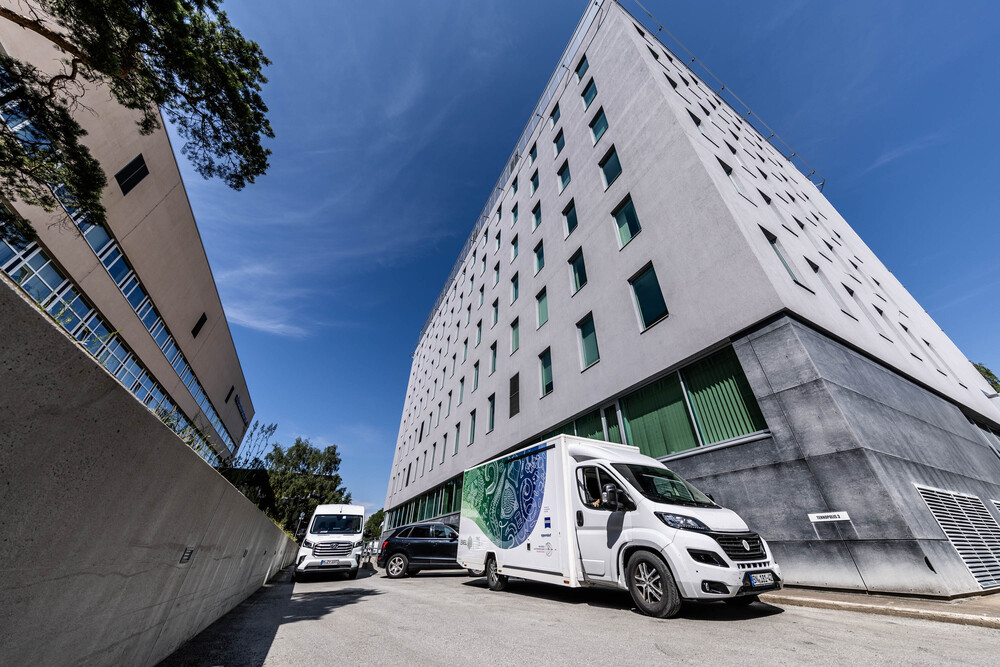
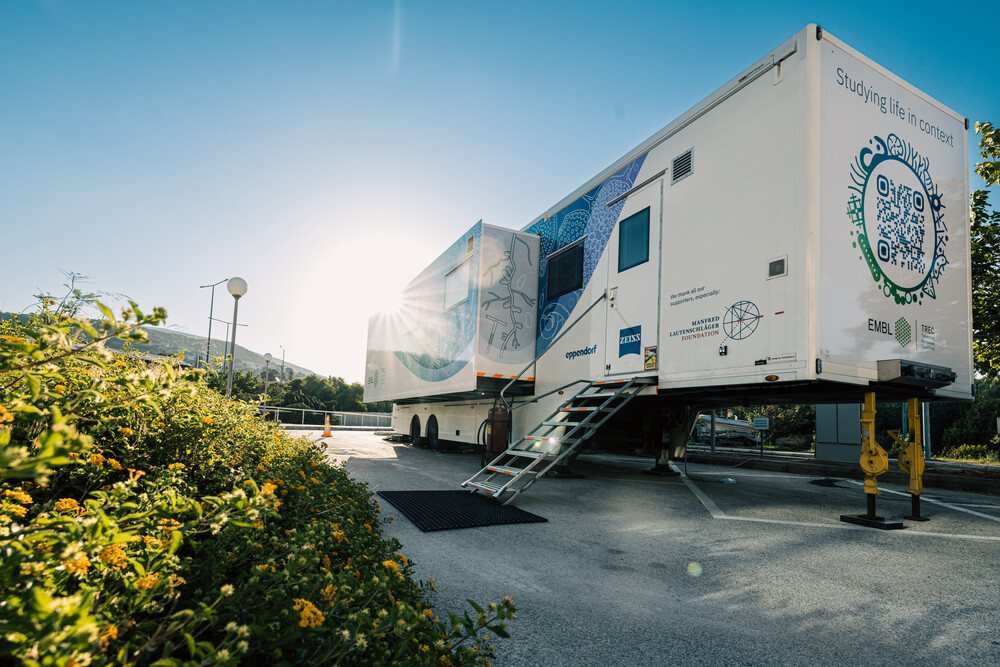
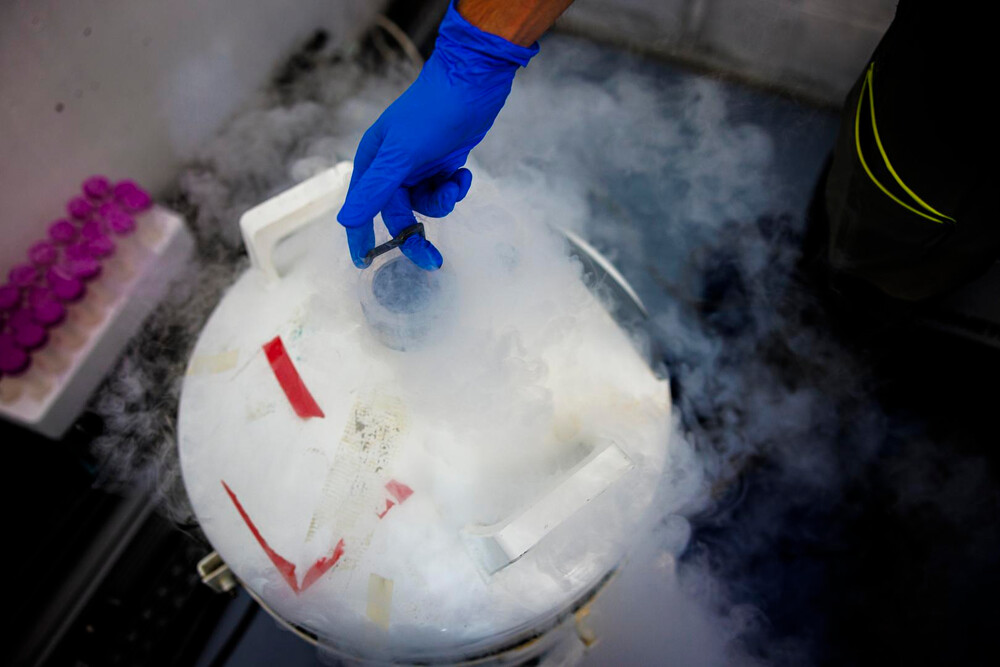
Along Europe’s coastlines, EMBLs flagship initiative in Planetary Biology, TREC, collected over 70,000 samples of mainly water, soil, sediment and aerosols in just shortly over one year’s time! In this section, you can explore a selection of the different sampling methods used by the scientists during the TREC expedition.
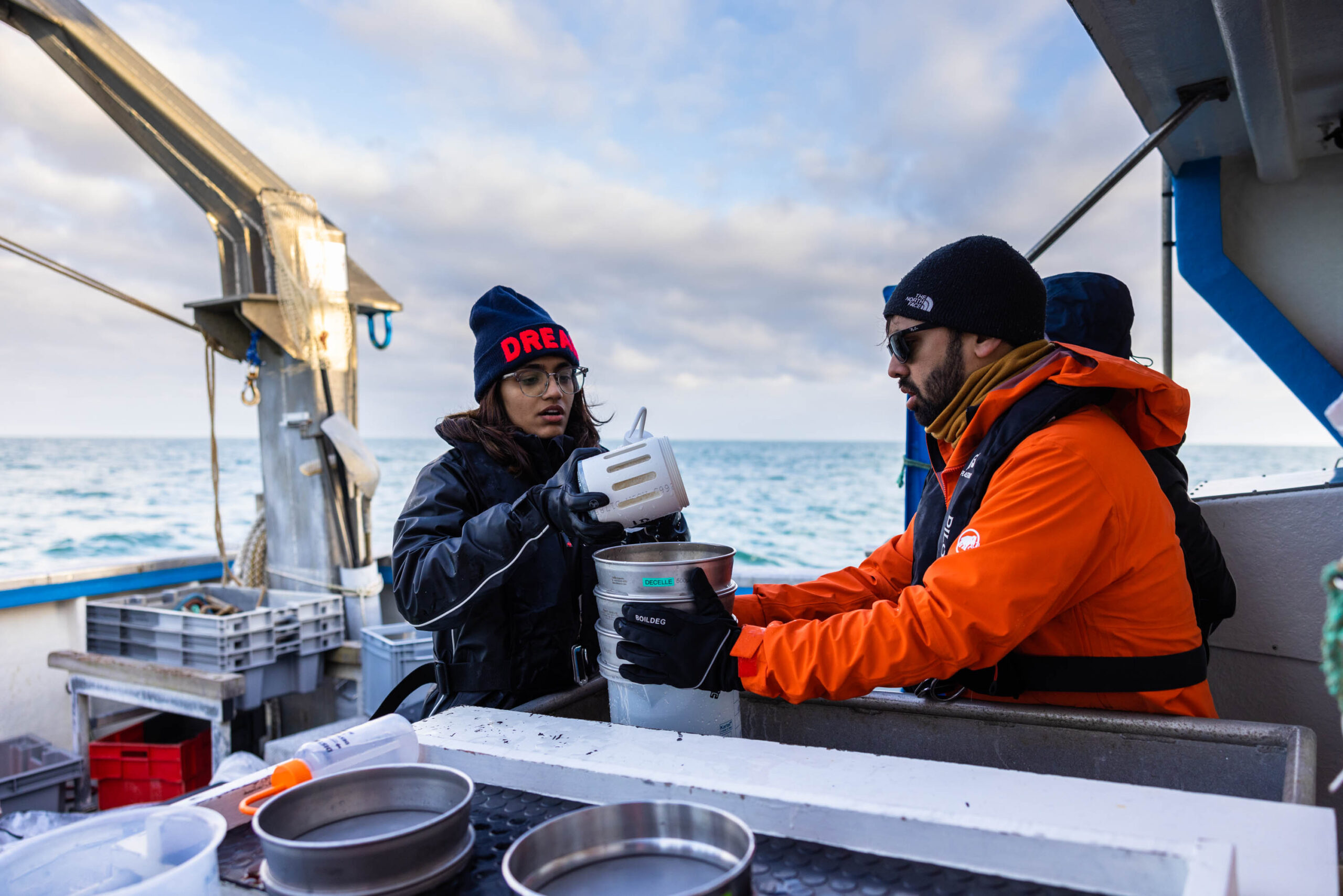
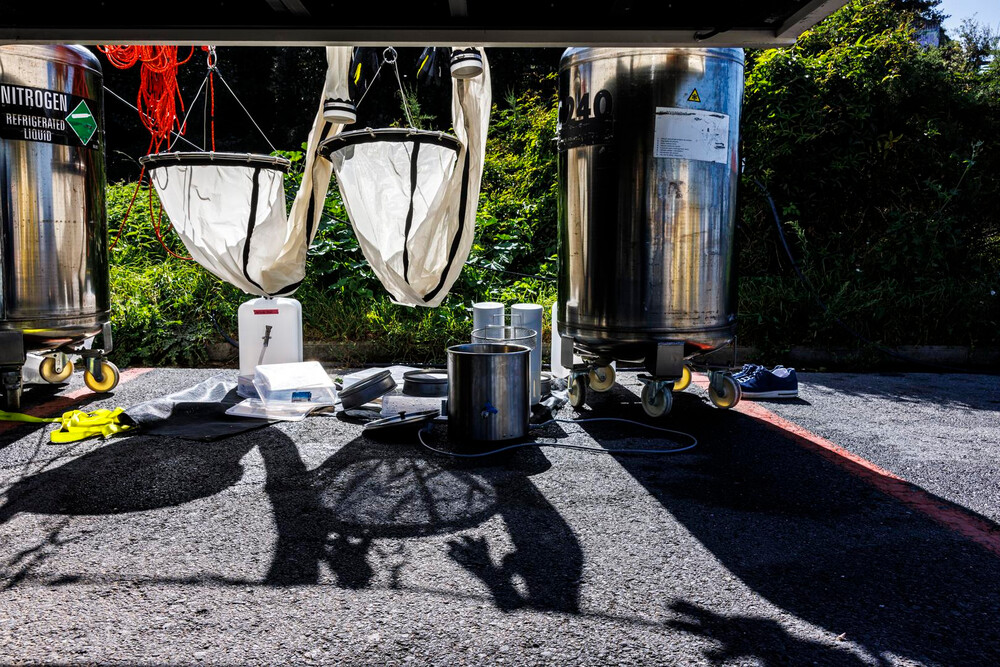
Explore how the TREC scientists collected water, plankton, soil, sediment and aerosol samples in our photo gallery and get an insight into the tasks of the sampling teams!
Das Sammeln von Proben und biologischen Daten aus den Ökosystemen unseres Planeten ist ein zentraler Bestandteil der Planetary Biology am EMBL, und hilft uns, Leben auf globaler Ebene besser zu verstehen.
Entlang der europäischen Küsten wurden durch TREC, EMBLs Flaggschiff-Initiative der Planetary Biology, in etwas mehr als einem Jahr über 70,000 Proben von Wasser, Boden, Sedimenten und Aerosolen gesammelt! In diesem Abschnitt kannst du eine Auswahl der verschiedenen Probenahmemethoden erkunden, die während der TREC-Expedition genutzt wurden.
Entdecke in unserer Fotogalerie, wie die TREC-Wissenschaftler*innen Wasser-, Plankton-, Boden-, Sediment- und Aerosolproben gesammelt haben und erhalte einen Einblick in die Arbeit der Probenahmeteams!
EMBL Heidelberg
Meyerhofstraße 1
69117 Heidelberg
Germany

Receive updates on science education events, teaching and learning material and public engagement activities of EMBL!
Aerosols are tiny particles of a liquid or solid that are floating in the air.
Aerosole sind kleine flüssige oder feste Partikel, die in der Luft schweben.
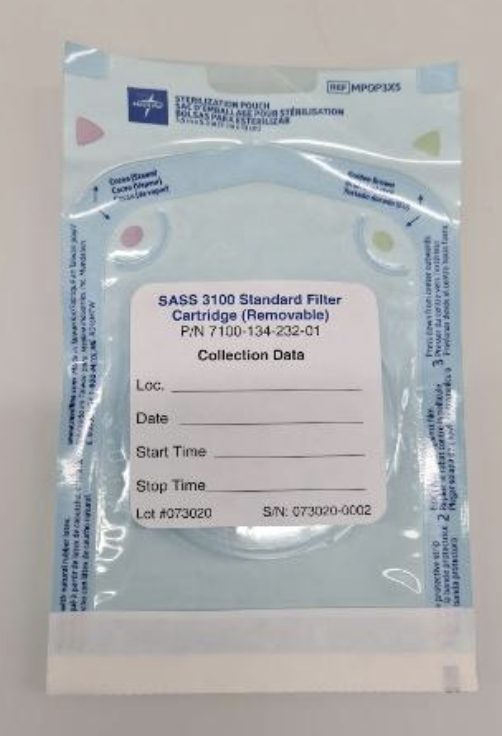
Credit: James O’Brien / ETH Zürich
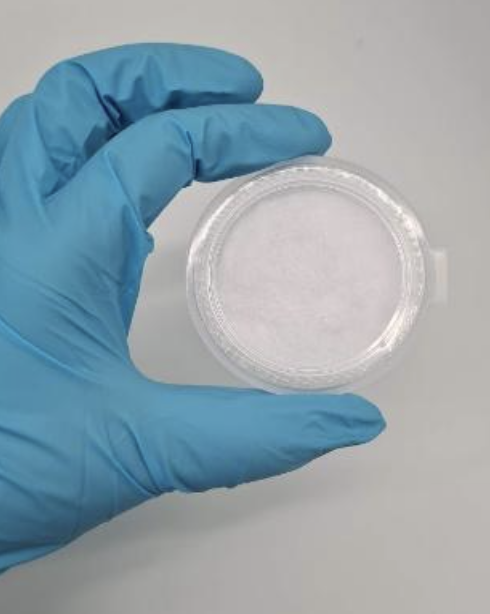
Credit: James O’Brien / ETH Zürich
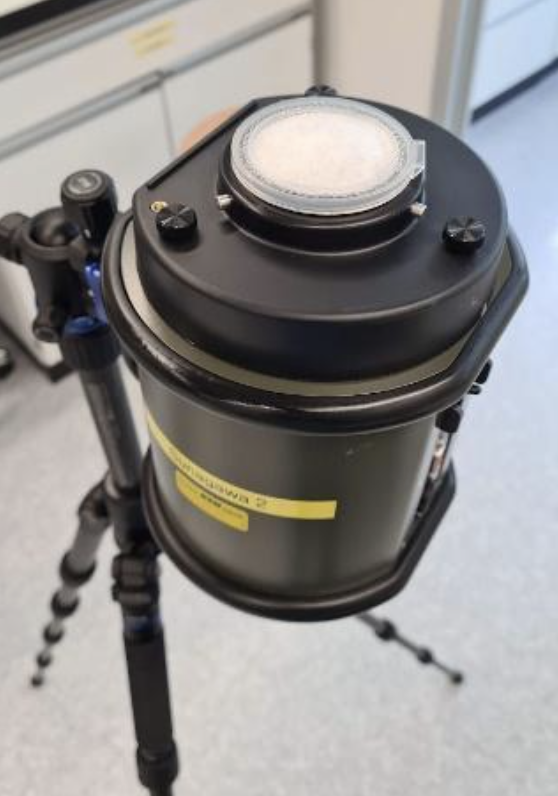
Credit: James O’Brien / ETH Zürich
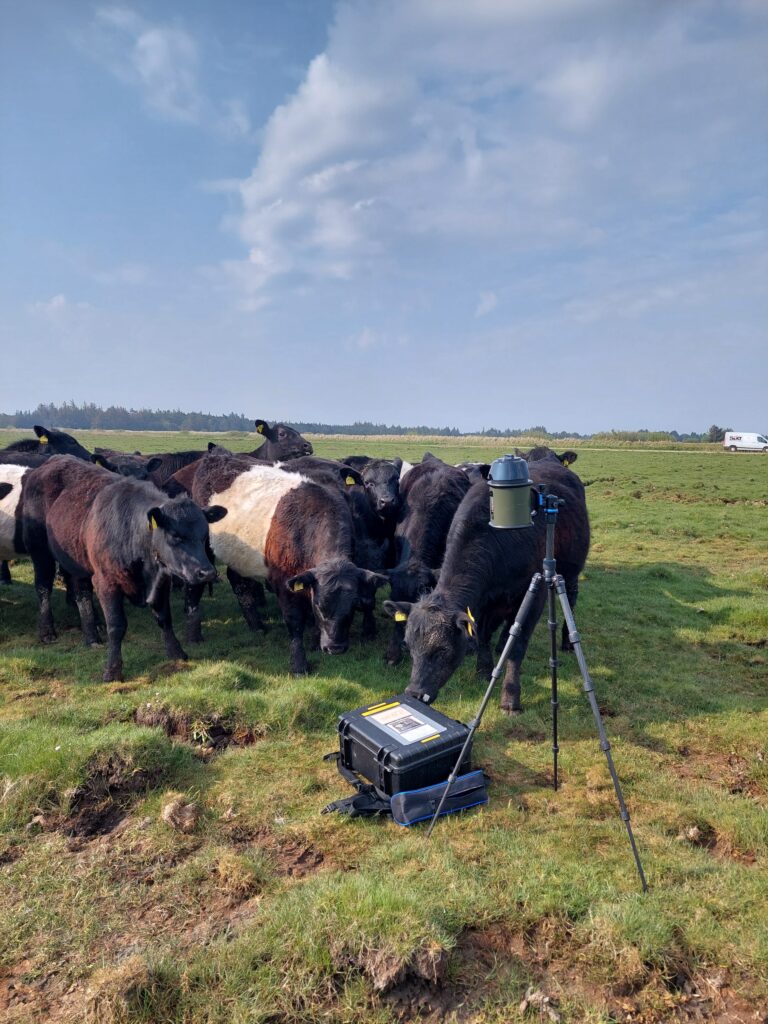
Credit: Valerie Helene Maier / EMBL
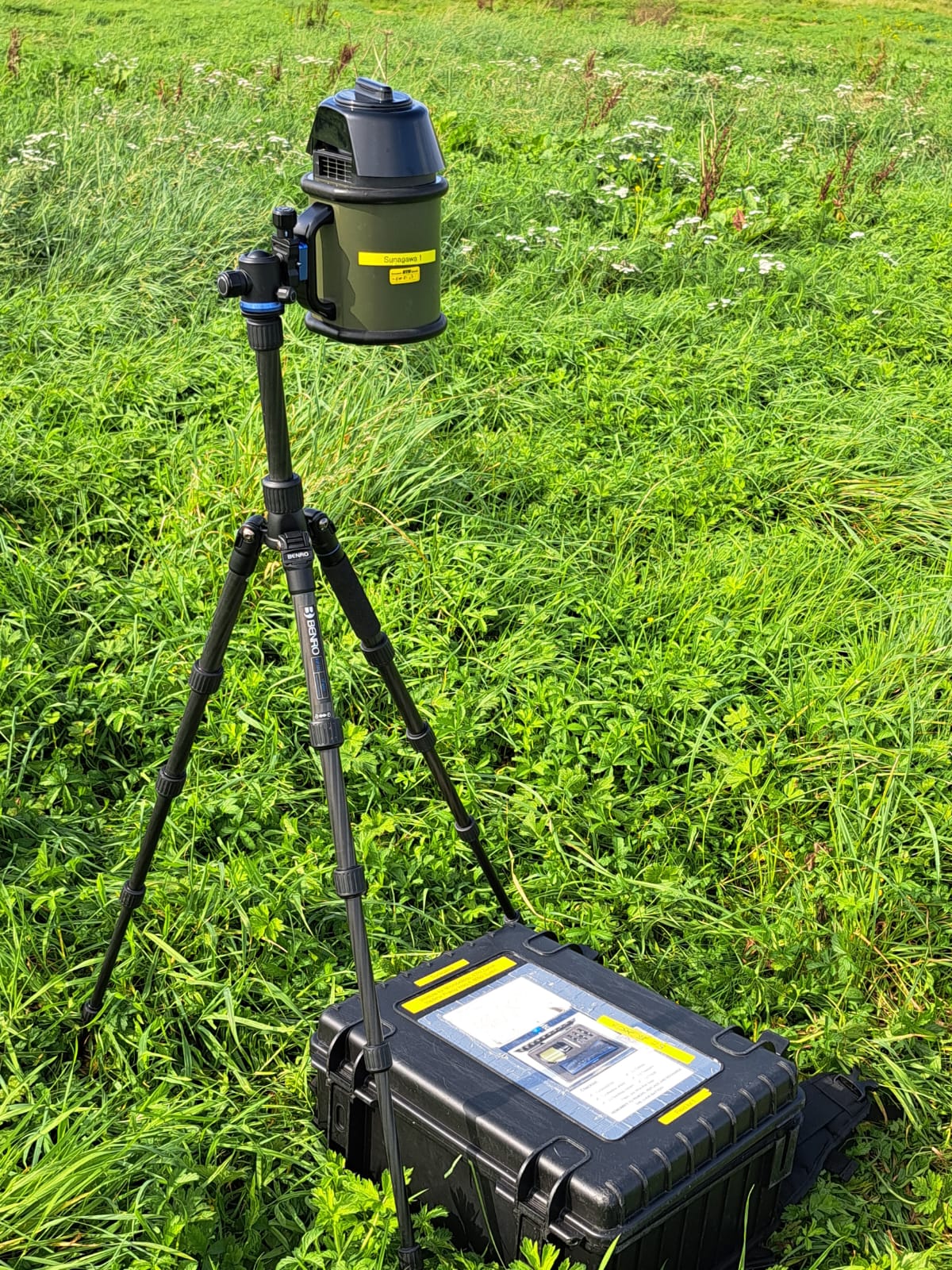
Credit: Valerie Helene Maier / EMBL
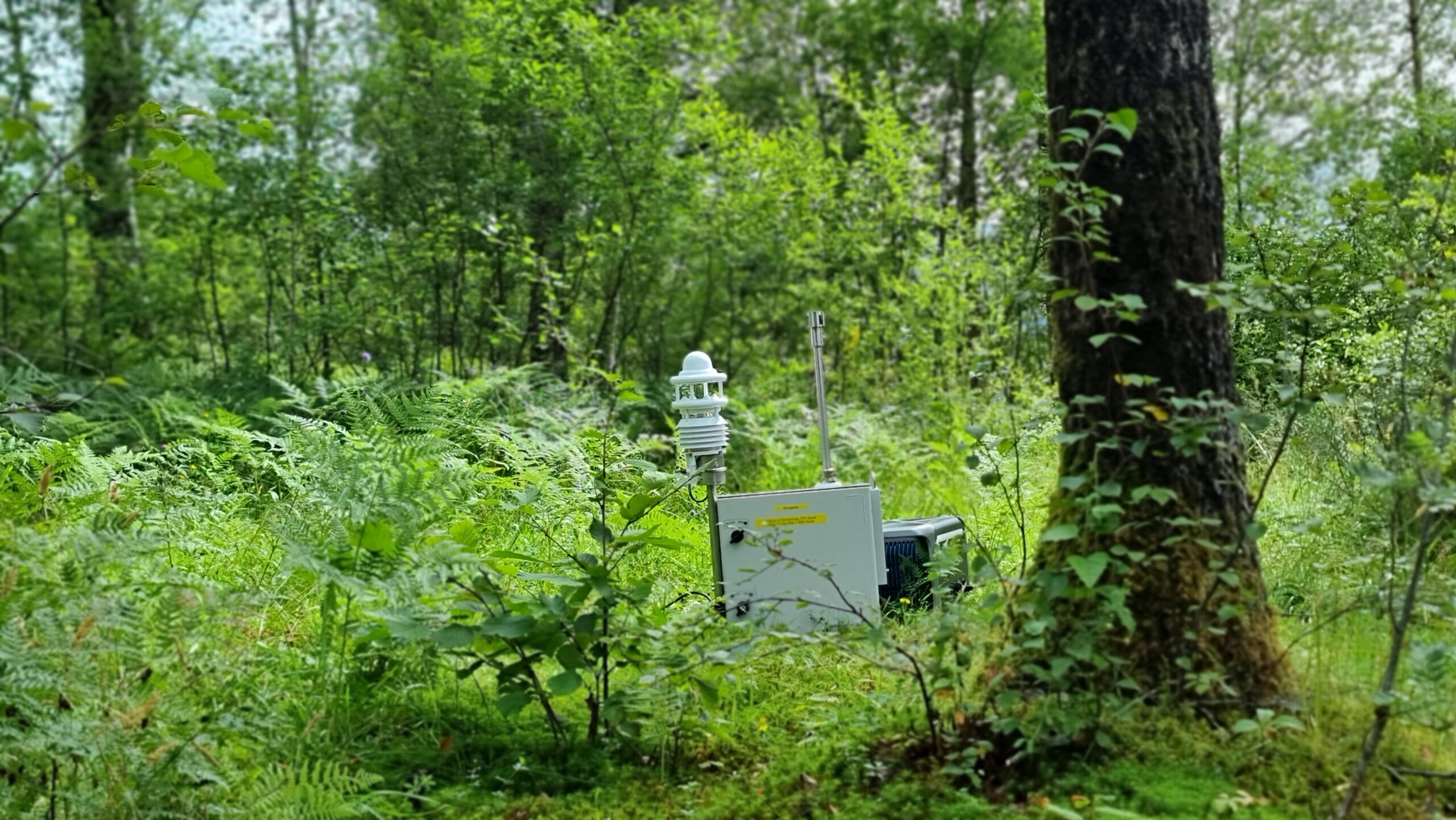
Credit: Joanna Zukowska / EMBL
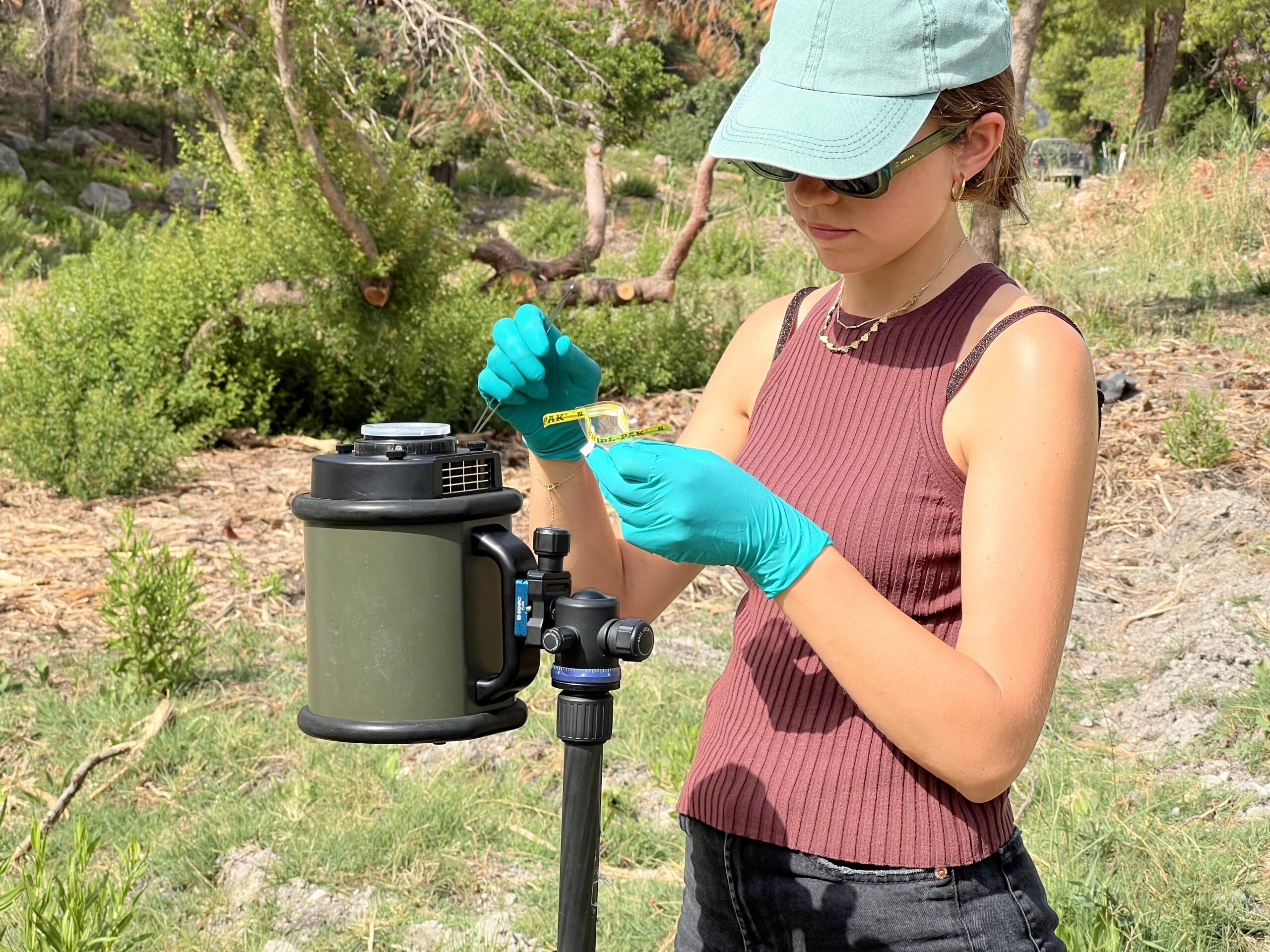
Credit: Savvas Paragkaminan / HCMR
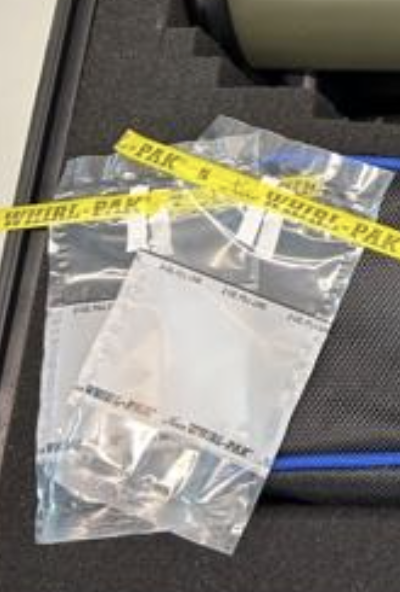
Credit: James O’Brien / ETH Zürich
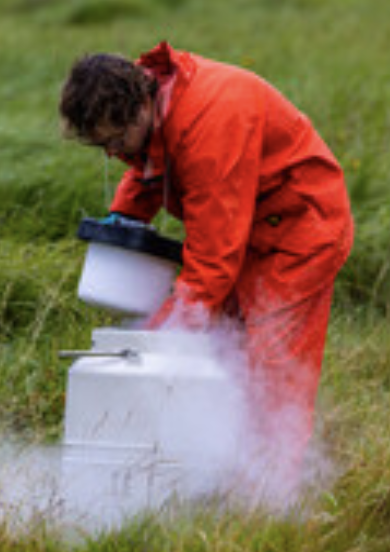
Credit: Kiley Seitz
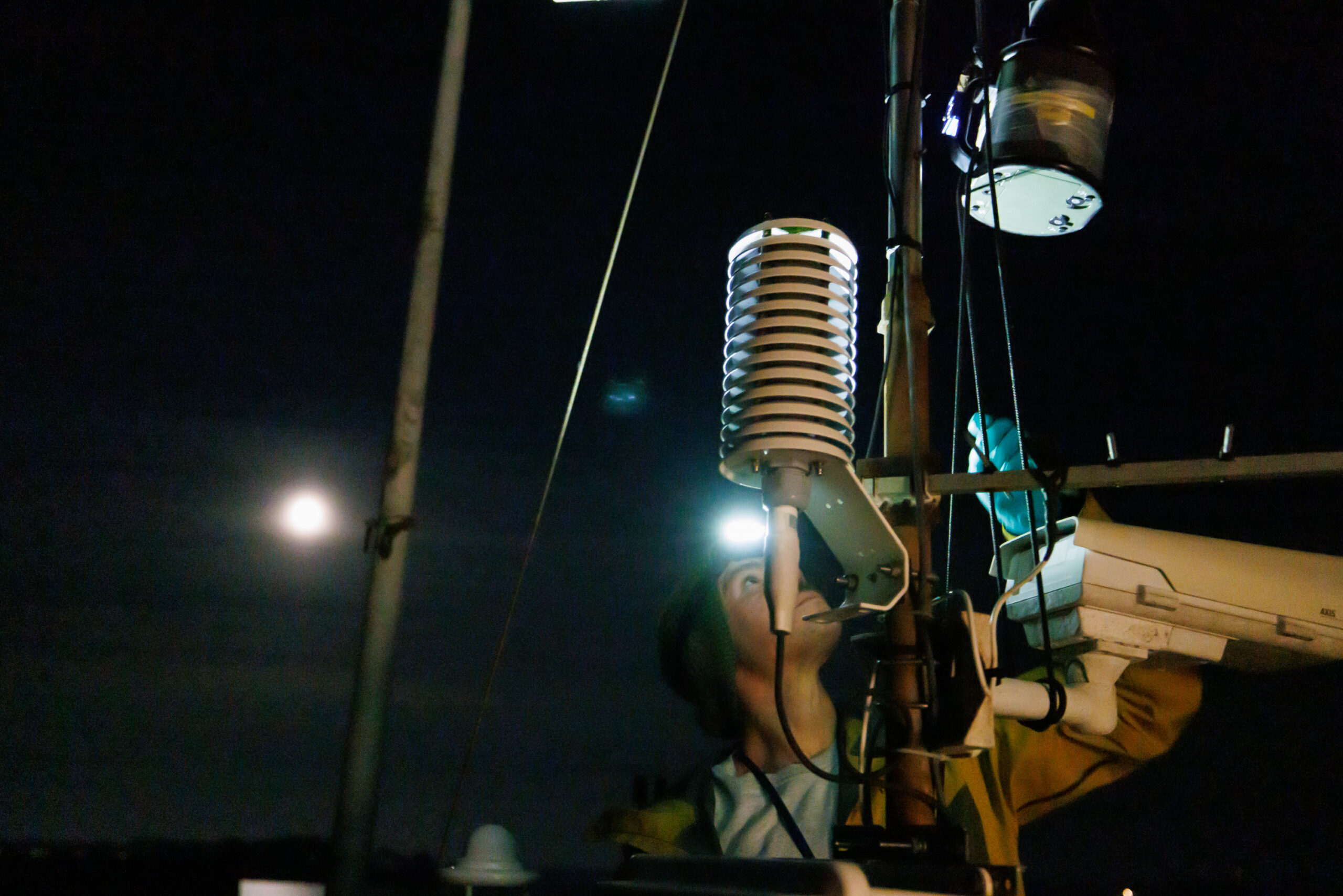
Credit: Vincenzo Lullo / EMBL
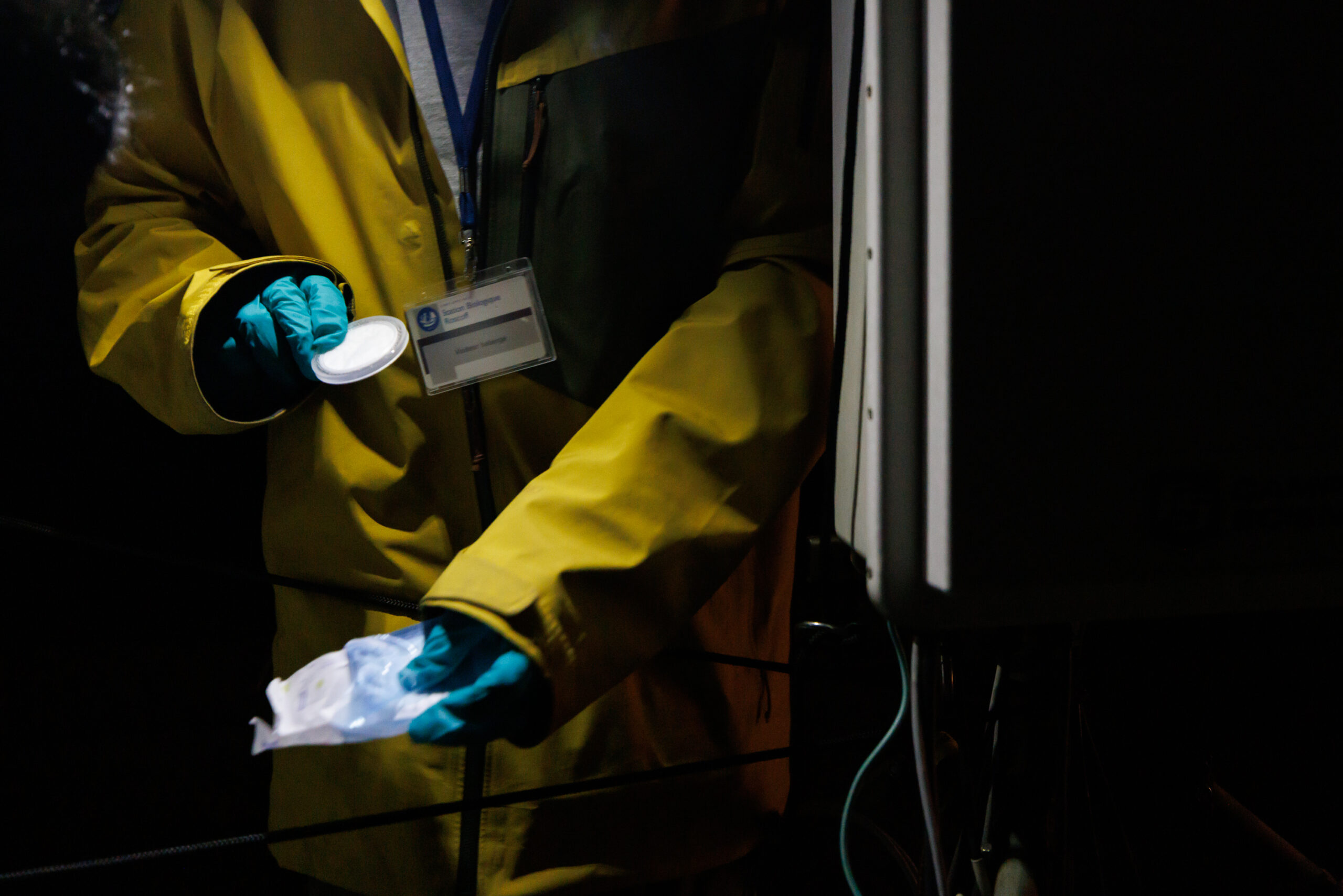
Credit: Vincenzo Lullo / EMBL
Sediments are solid matter like sand or pebbles that settles at the bottom of a body of water.
Sedimente sind feste Stoffe wie Sand oder Kieselsteine, die sich am Grund eines Gewässers absetzen.
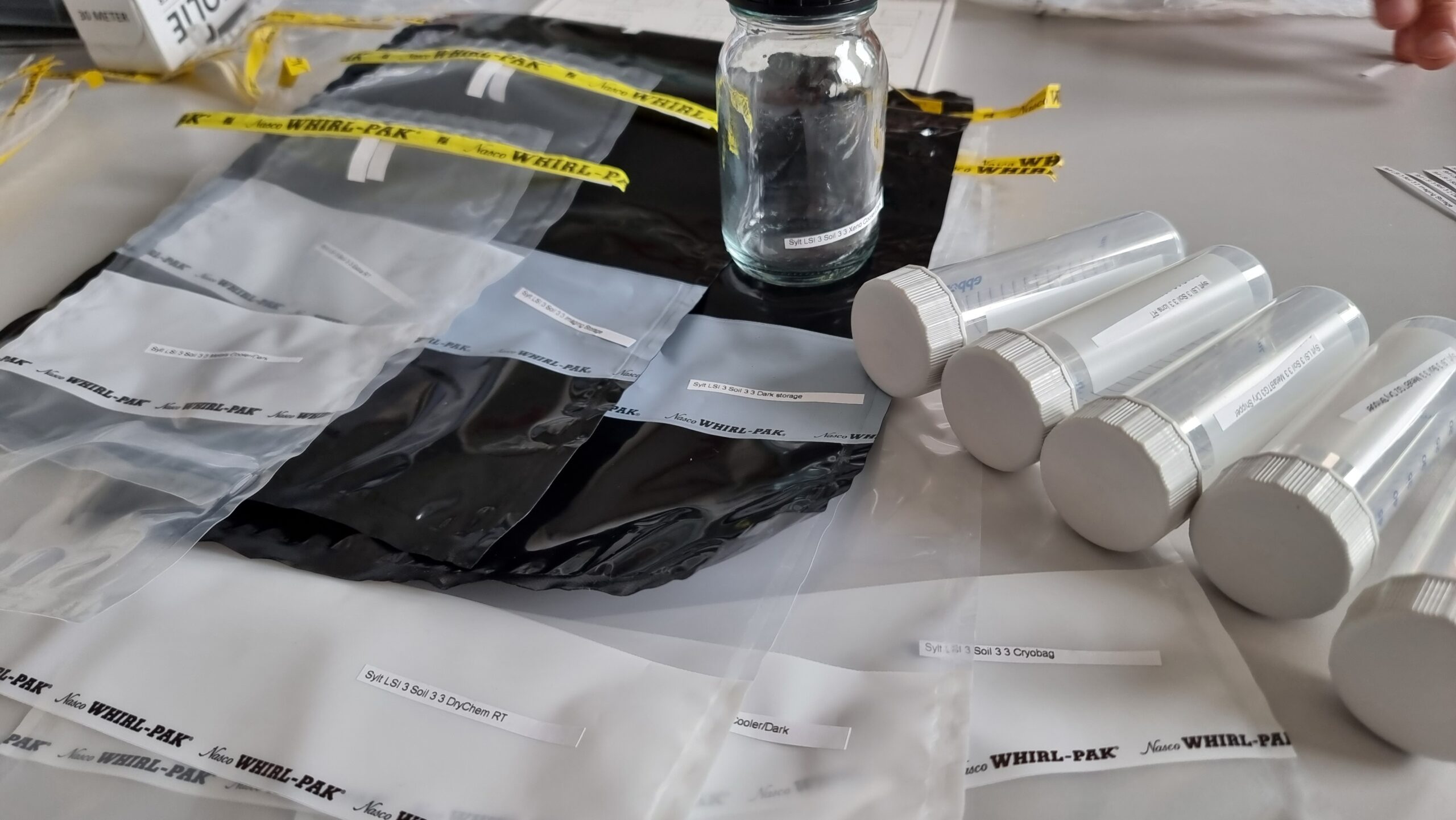
Credit: Joanna Zukowska / EMBL
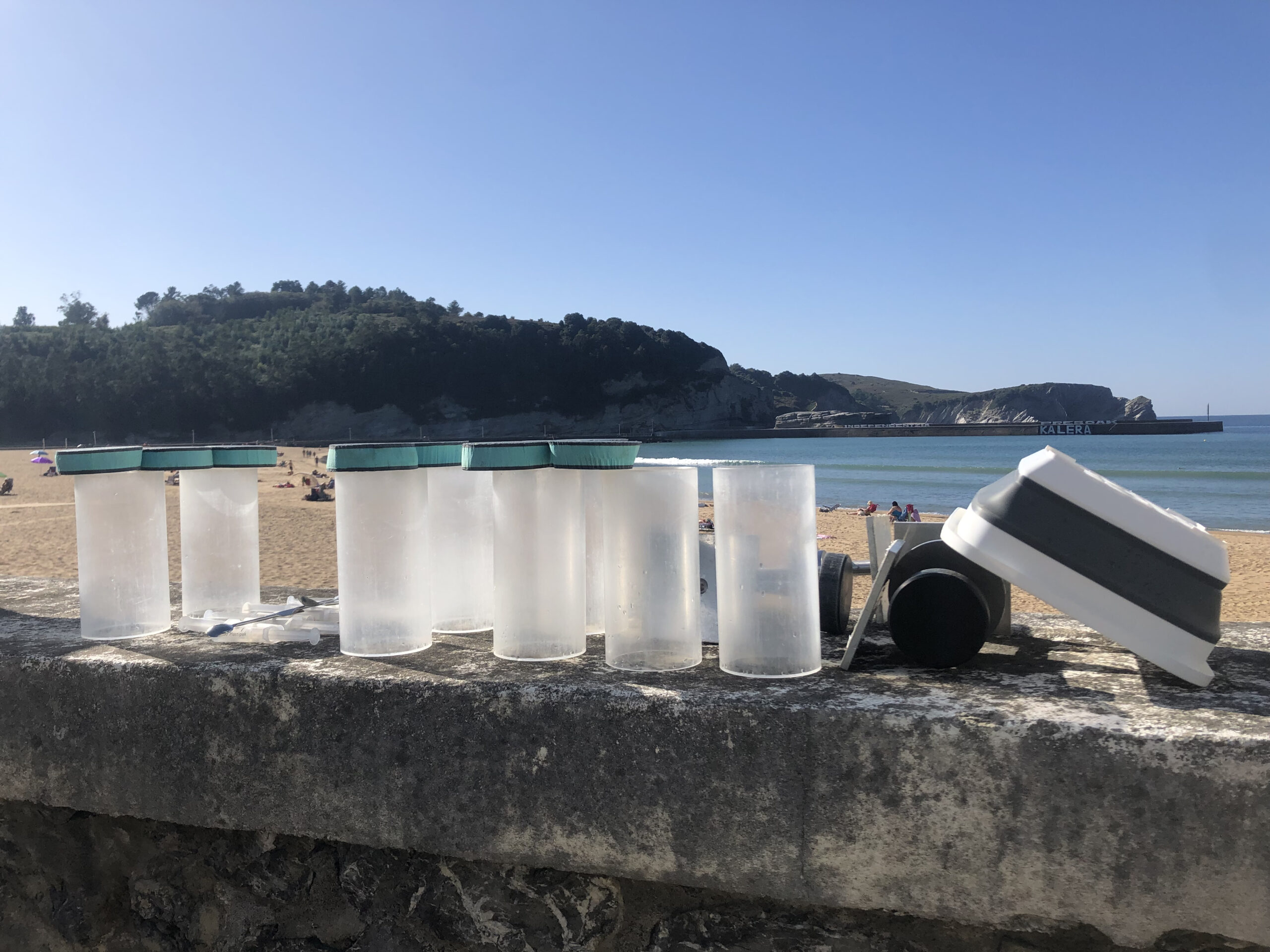
Credit: Annika Grandison / EMBL
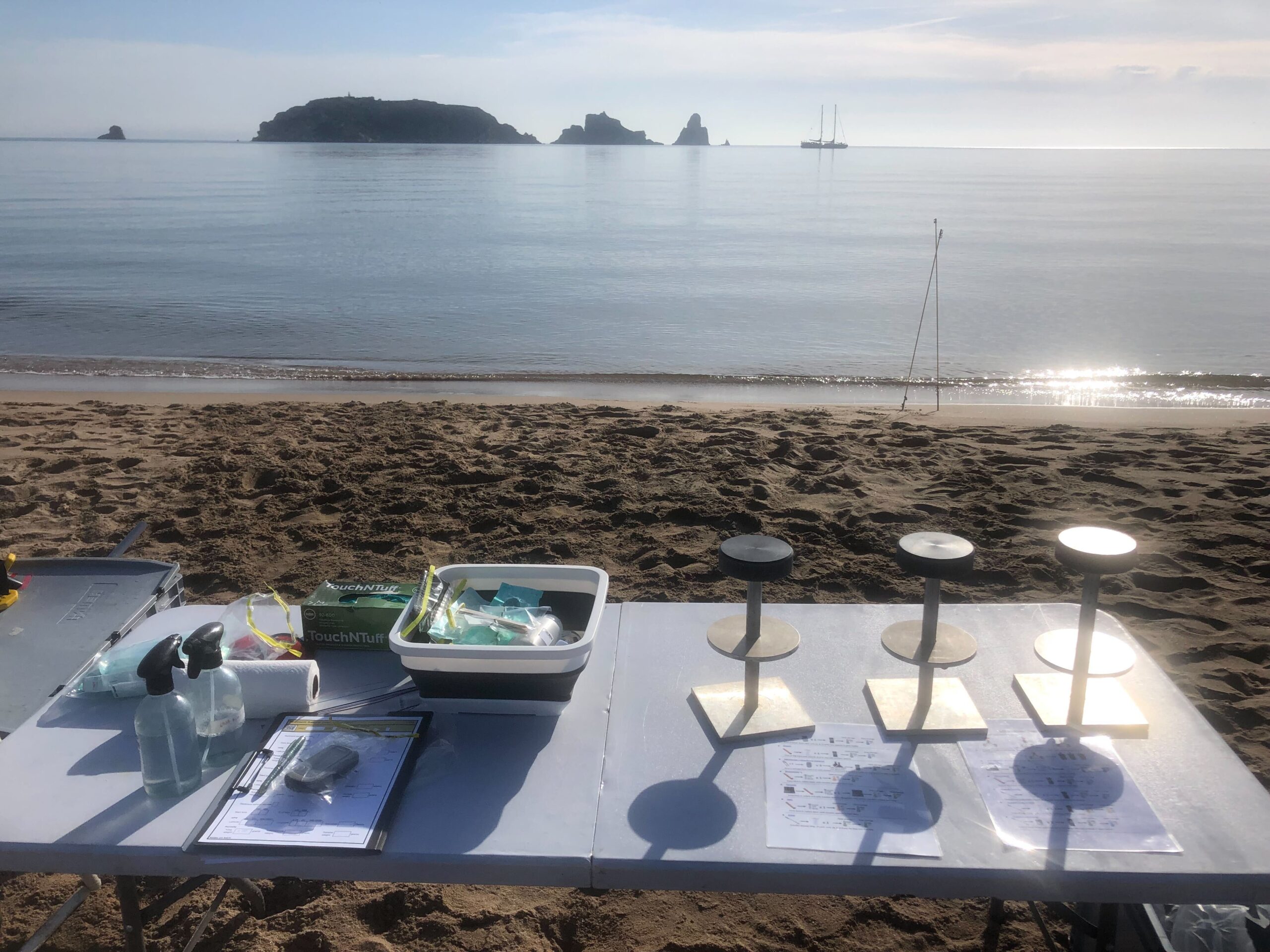
Credit: Anastasiia Grekova / EMBL
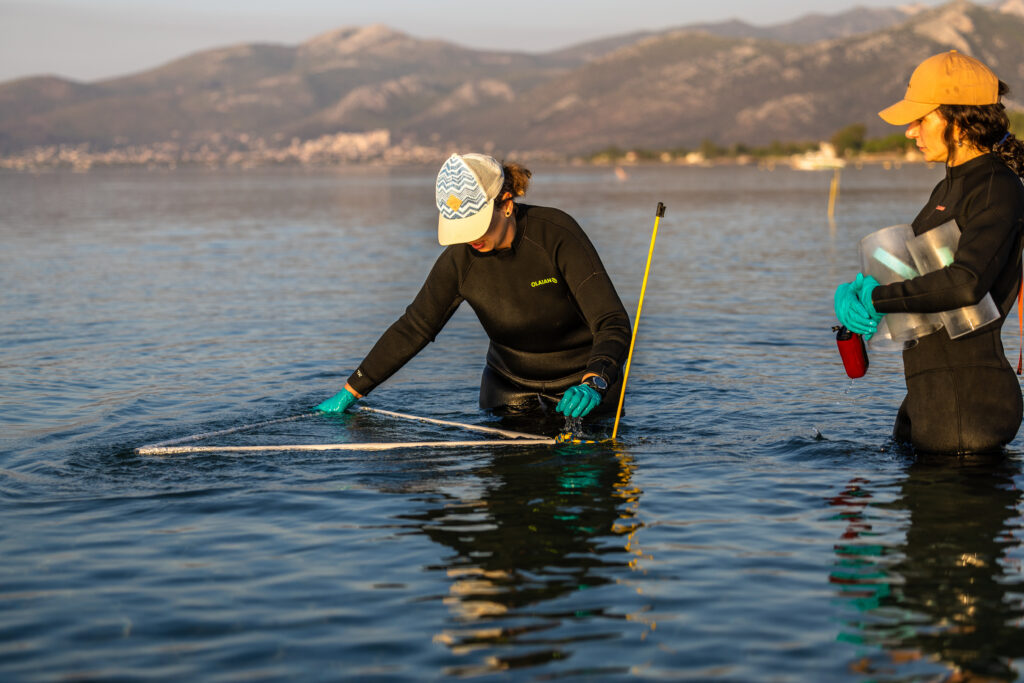
Credit: Kinga Lubowiecka / EMBL
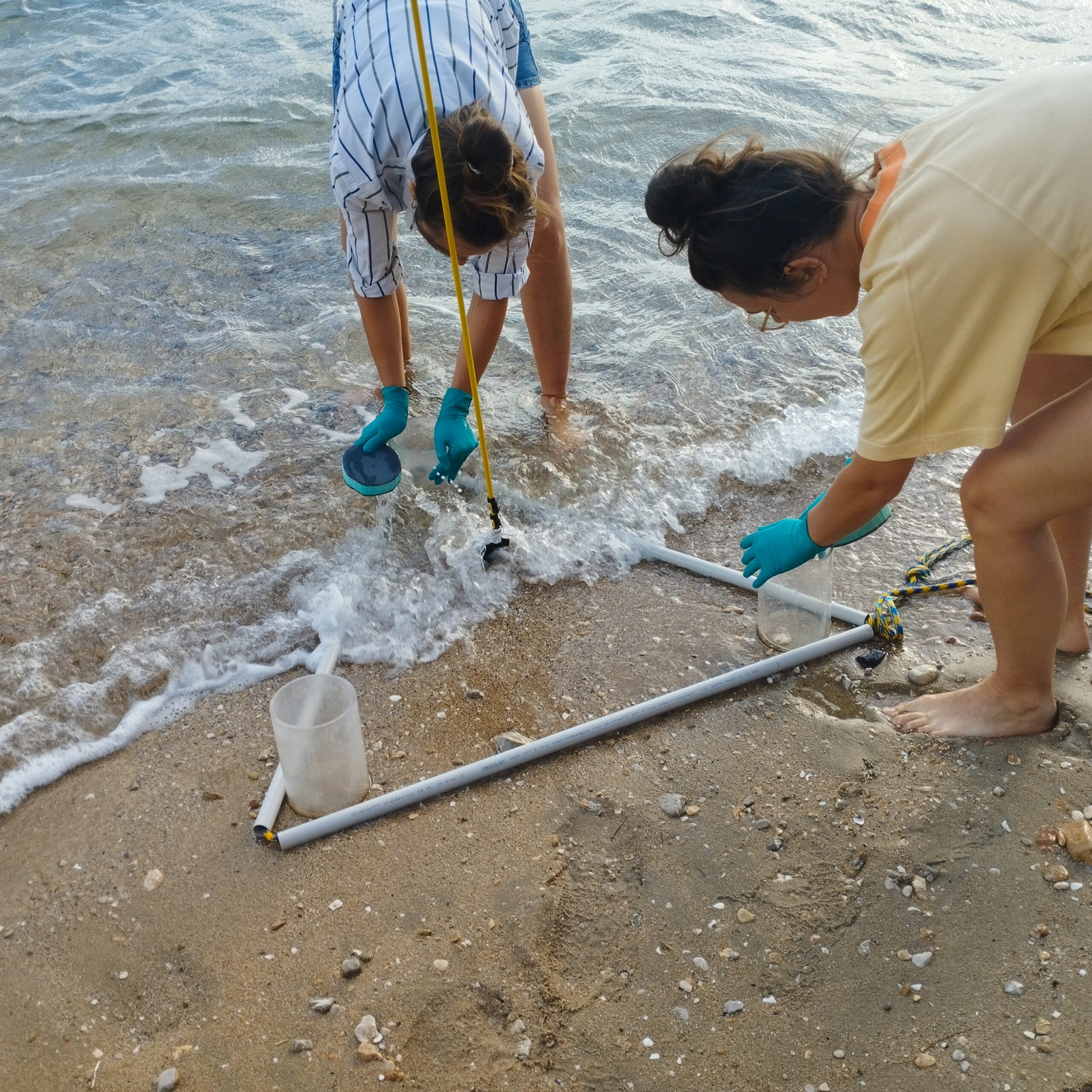
Credit and Copyright: Georgios Kotoulas / HCMR
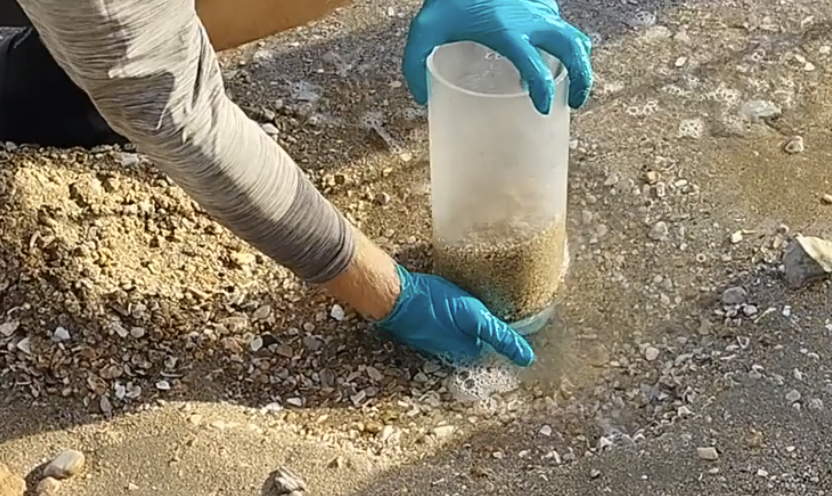
Credit and Copyright: Georgios Kotoulas / HCMR
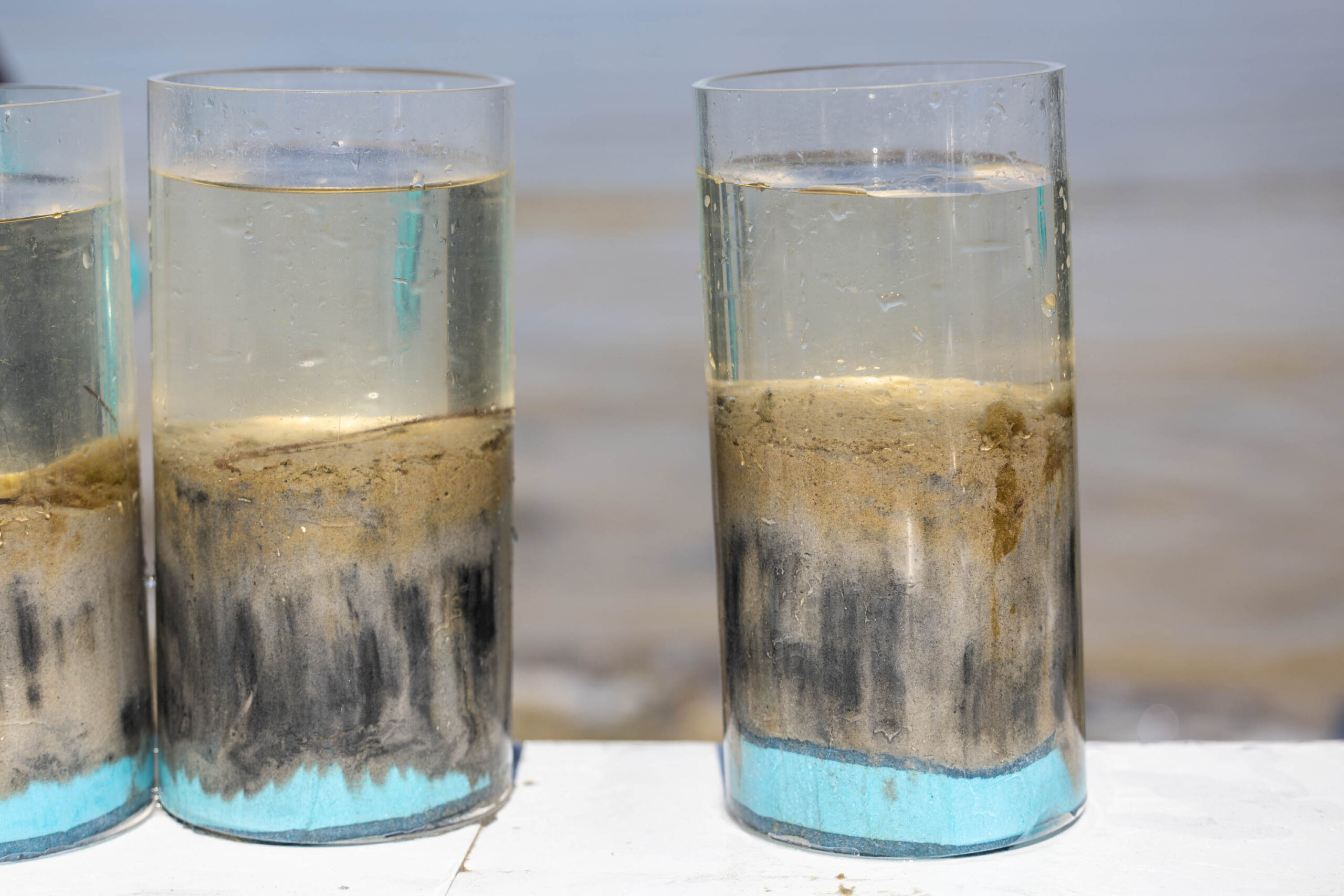
Credit: Kinga Lubowiecka / EMBL
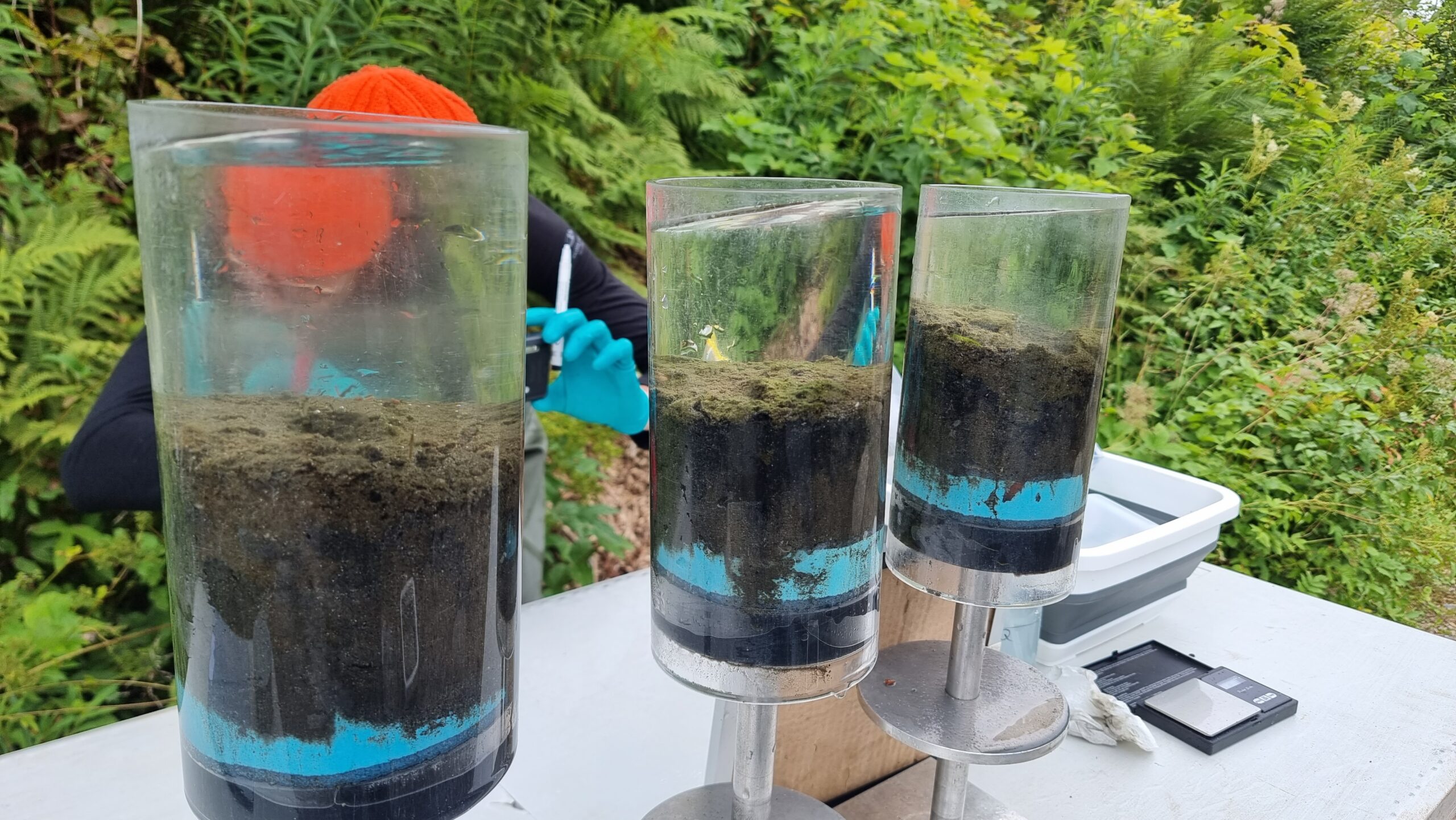
Credit: Joanna Zukowska / EMBL
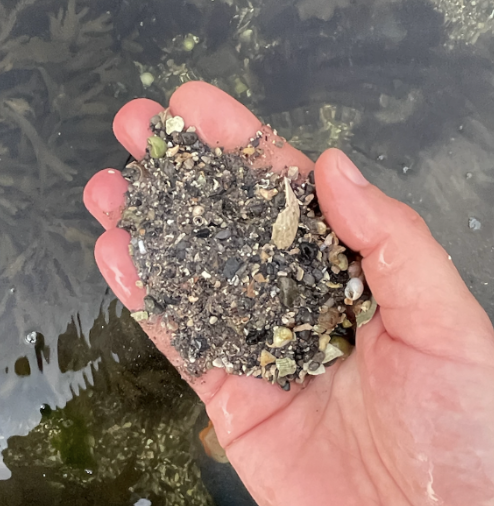
Credit: Tina Enders / EMBL
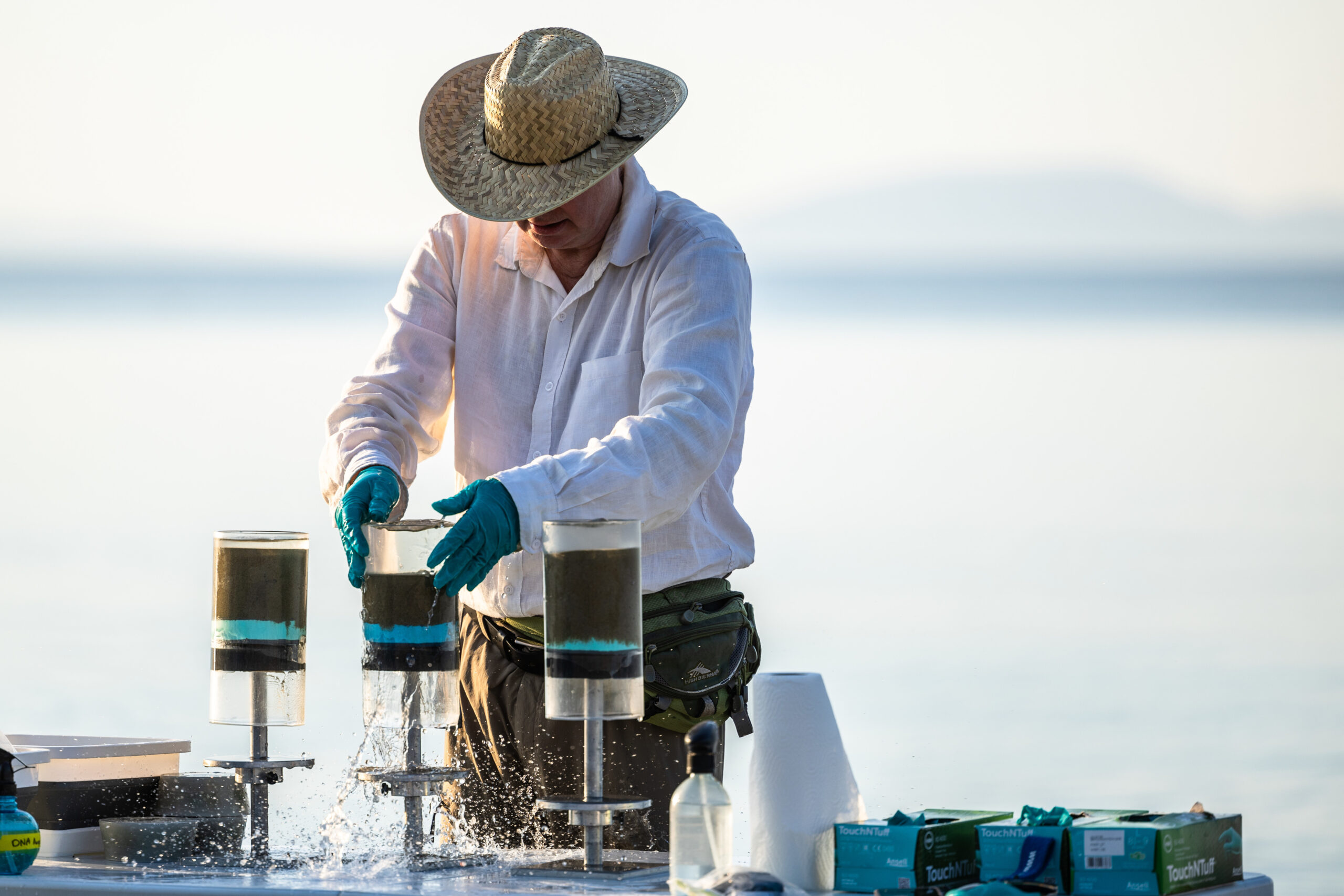
Credit: Kinga Lubowiecka / EMBL
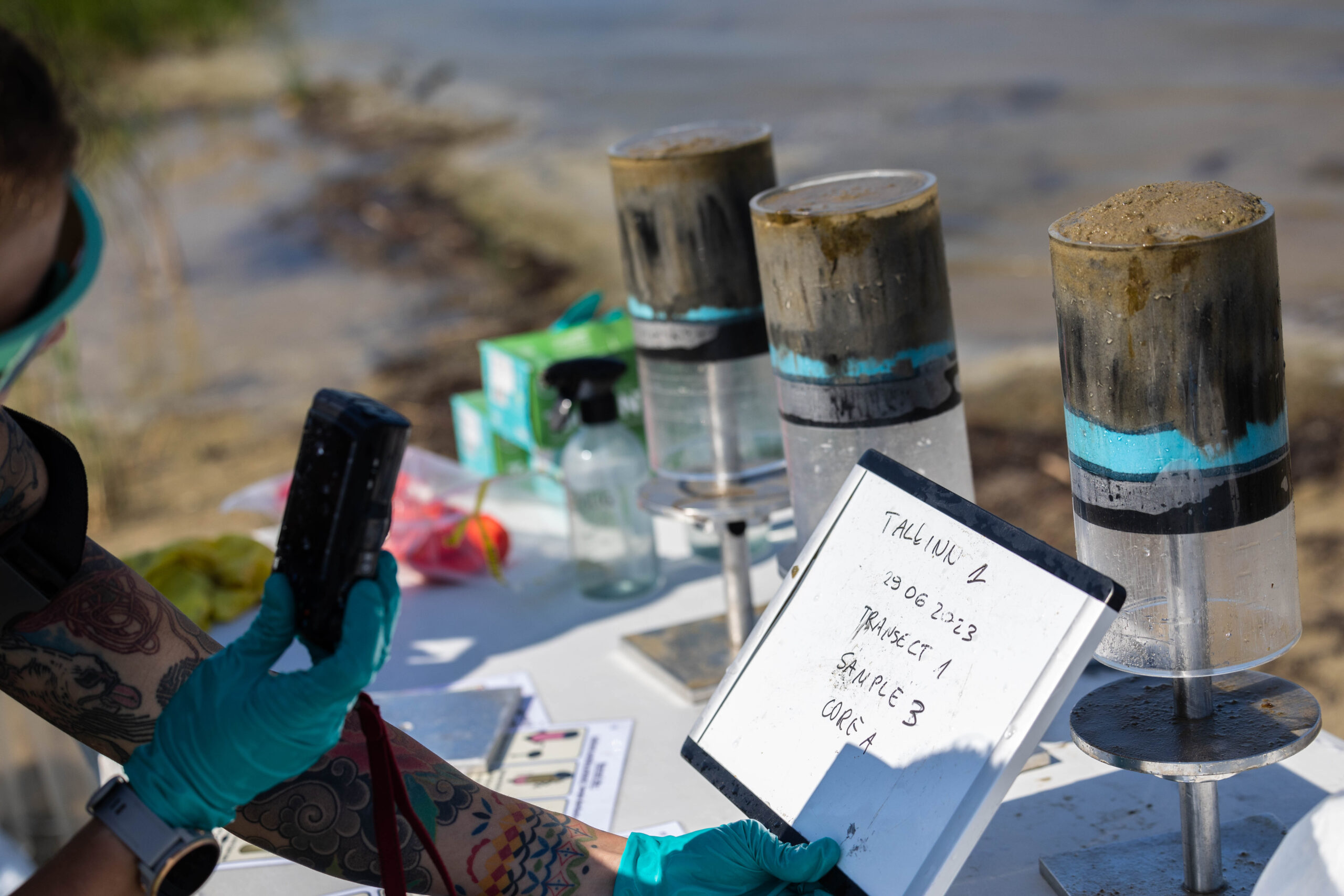
Credit: Kinga Lubowiecka / EMBL
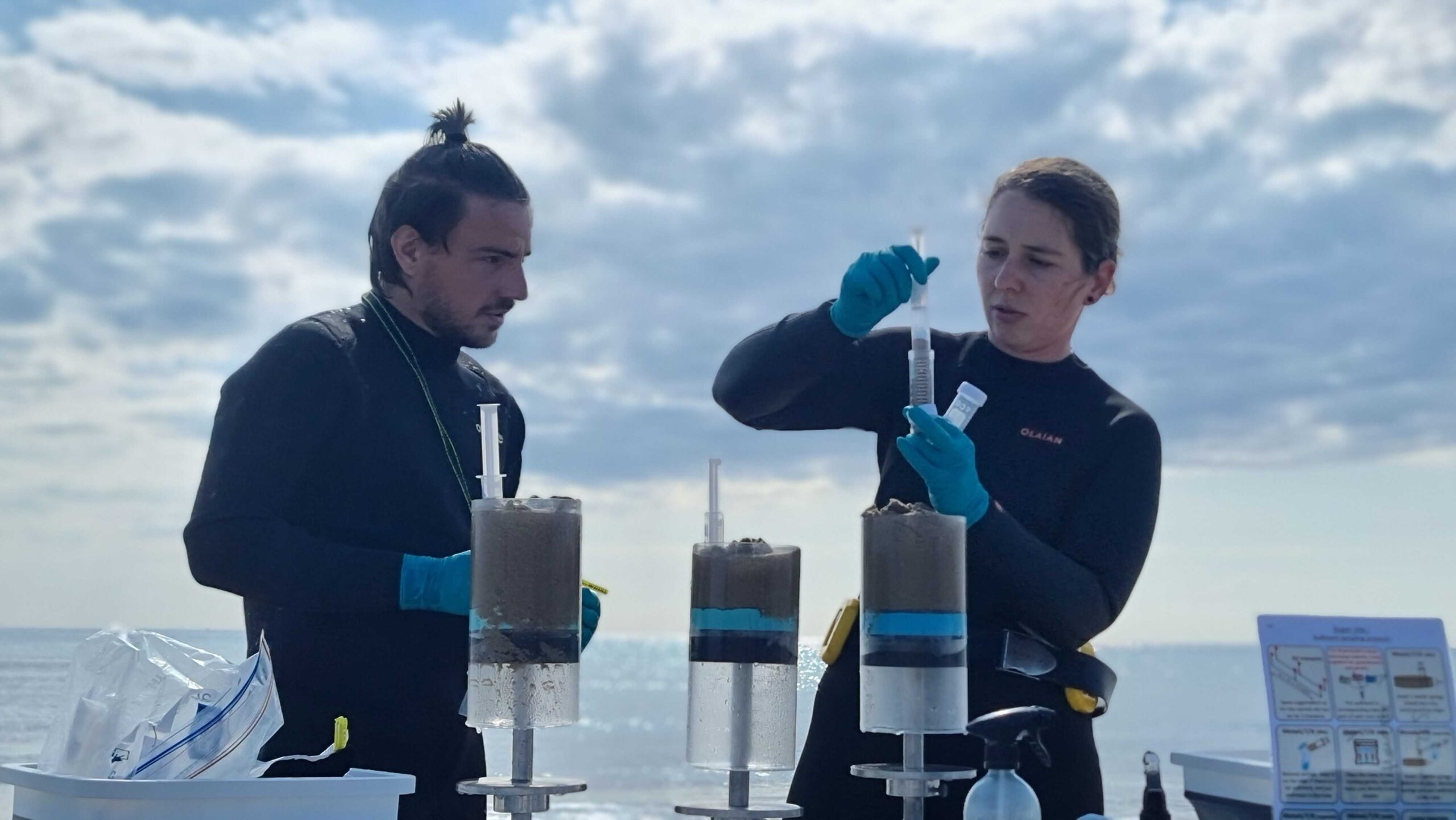
Credit: Joanna Zukowska / EMBL
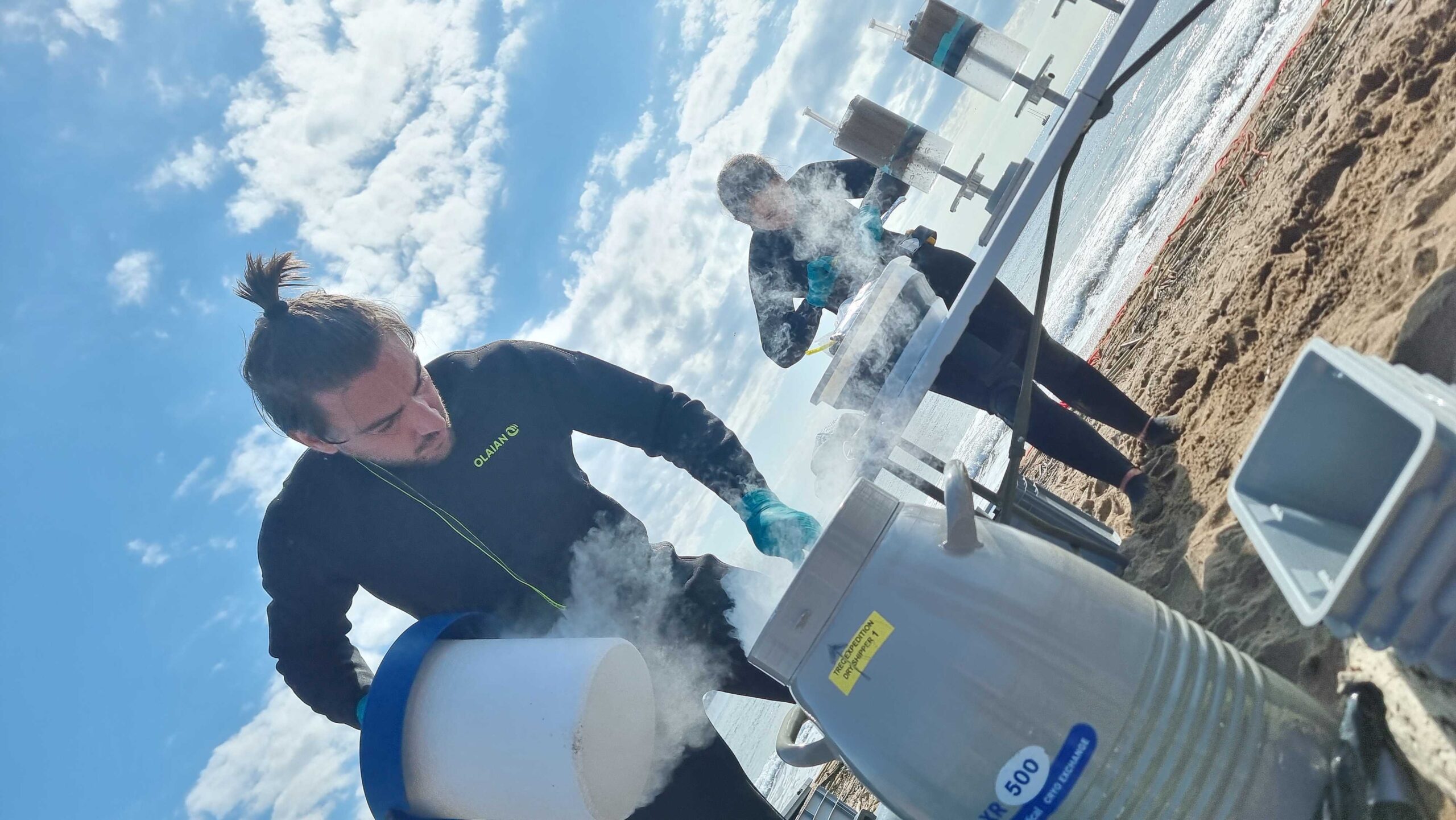
Credit: Joanna Zukowska / EMBL
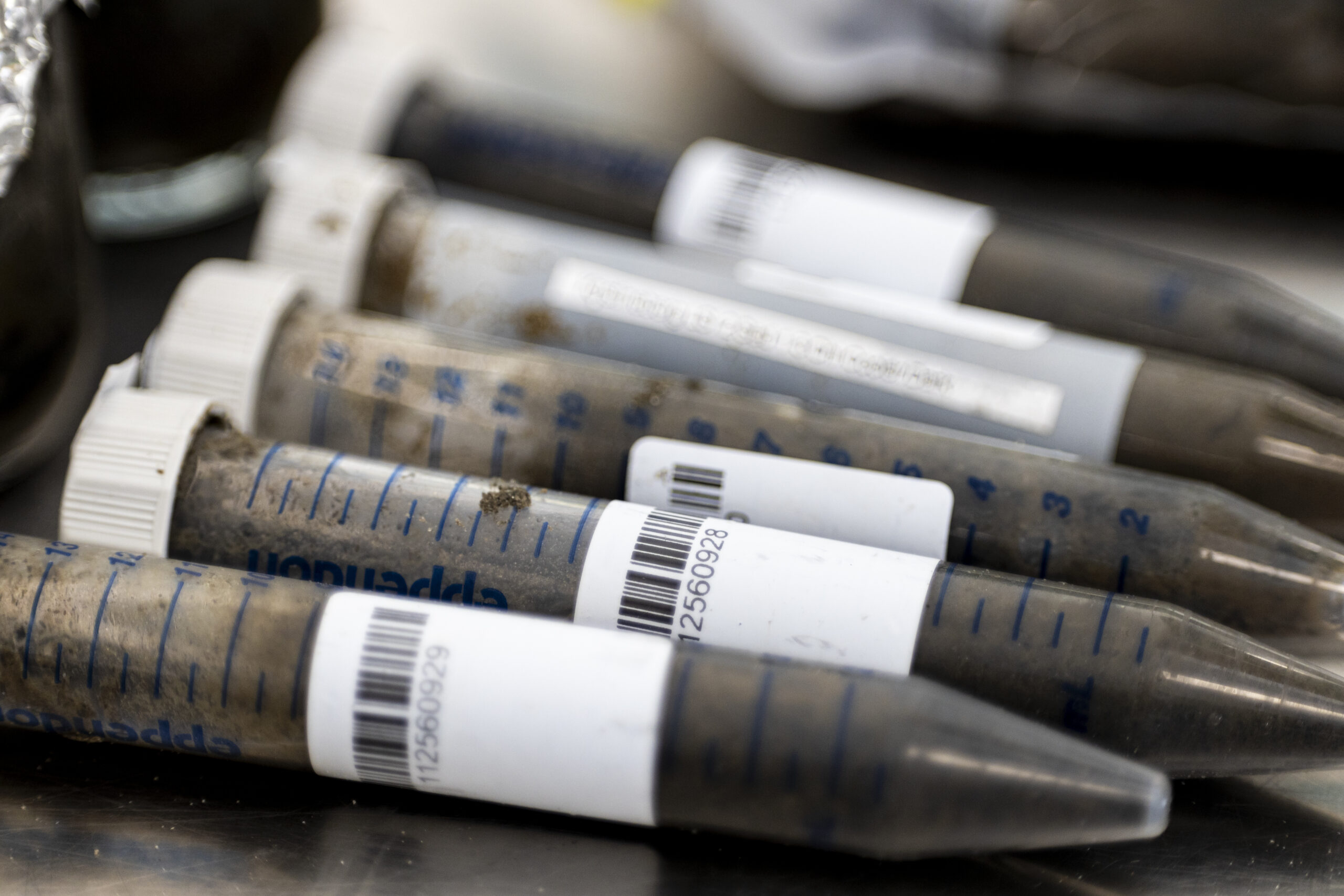
Credit: Massimo del Prete / EMBL
Soil is the loose top layer of the Earth’s surface, where plants can grow.
Erde ist die lockere oberste Schicht der Erdoberfläche, auf der Pflanzen wachsen können.
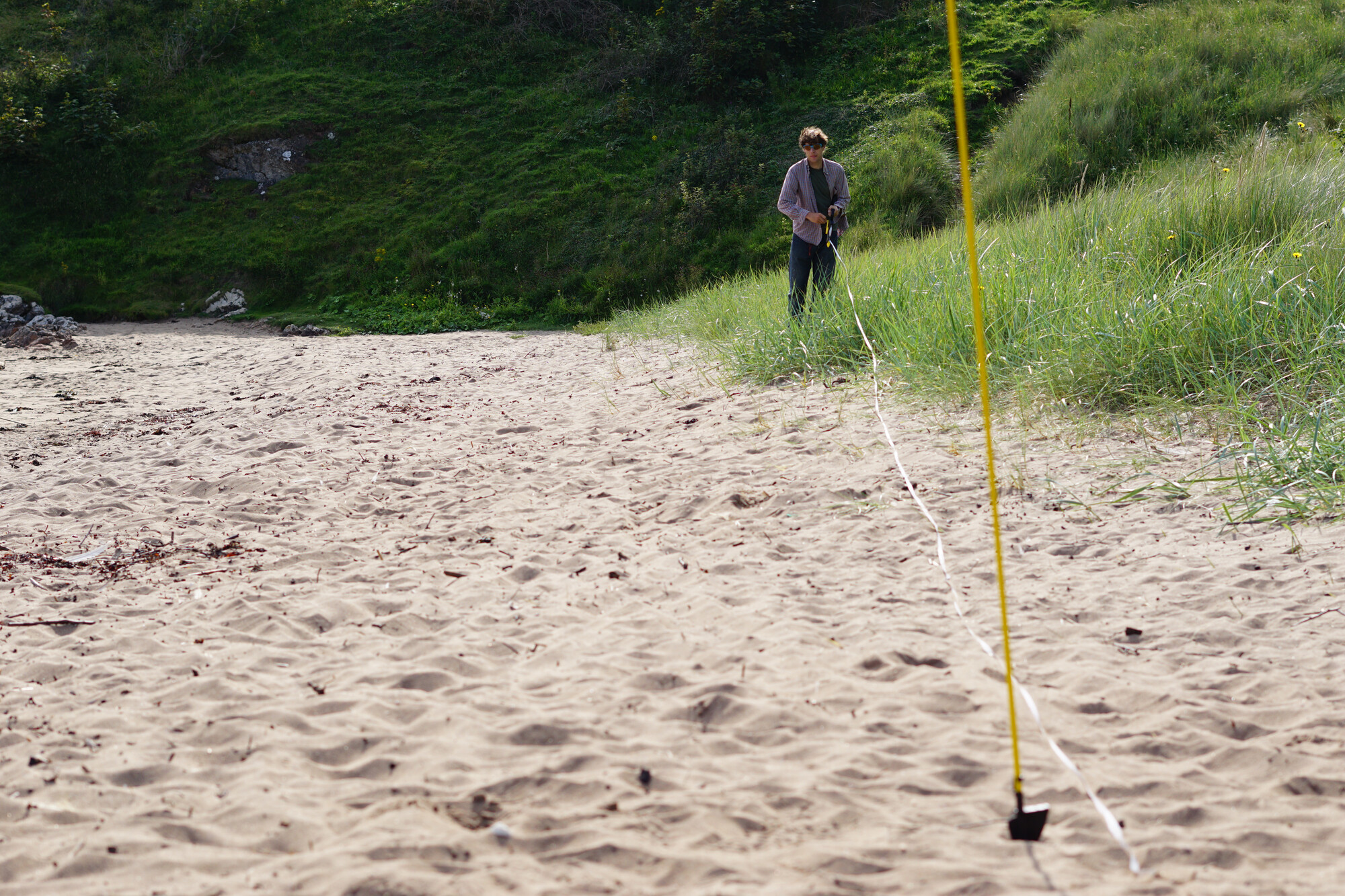
Credit: Jonas Richter / EMBL
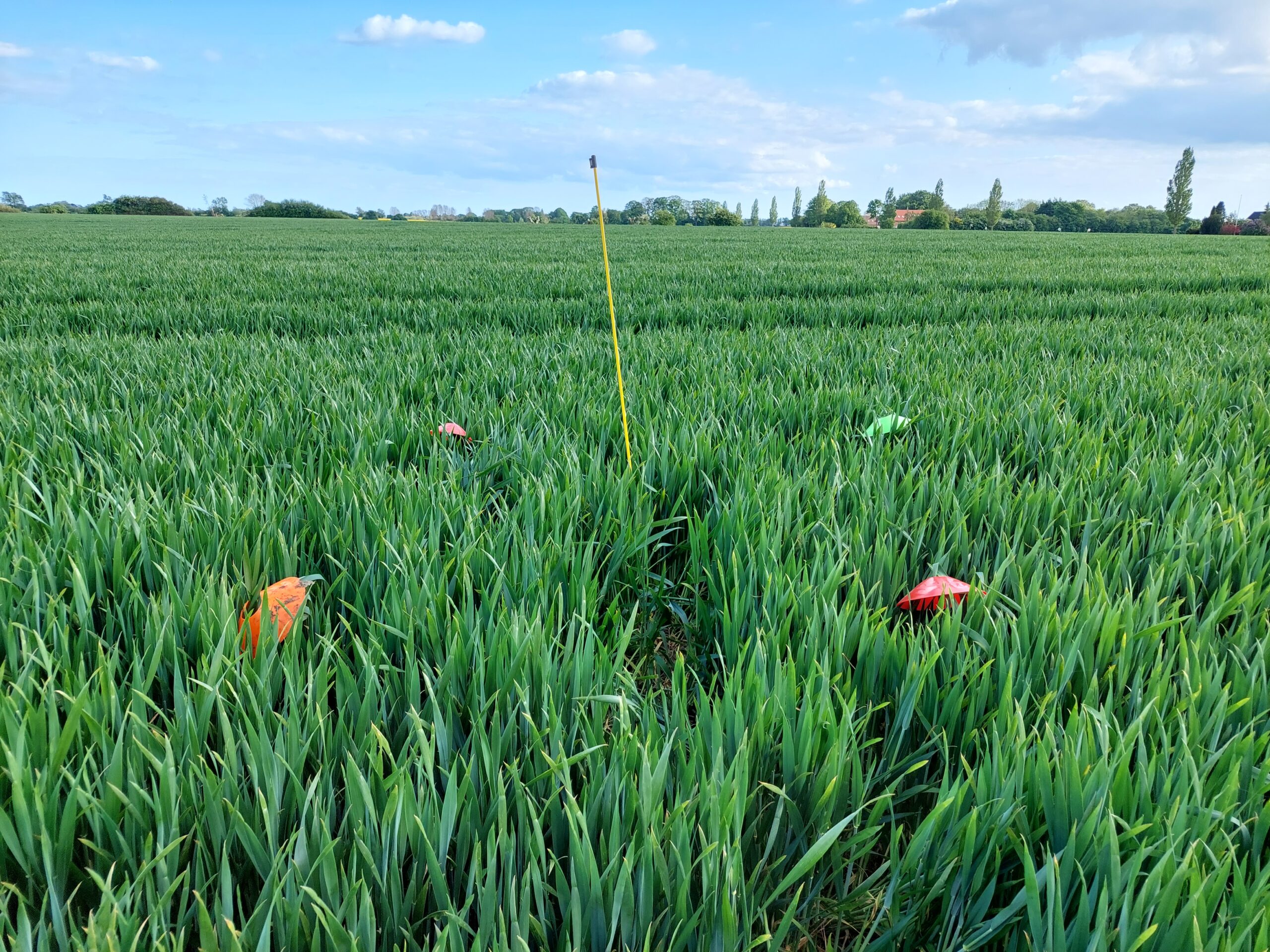
Credit: Valerie Helene Maier / EMBL
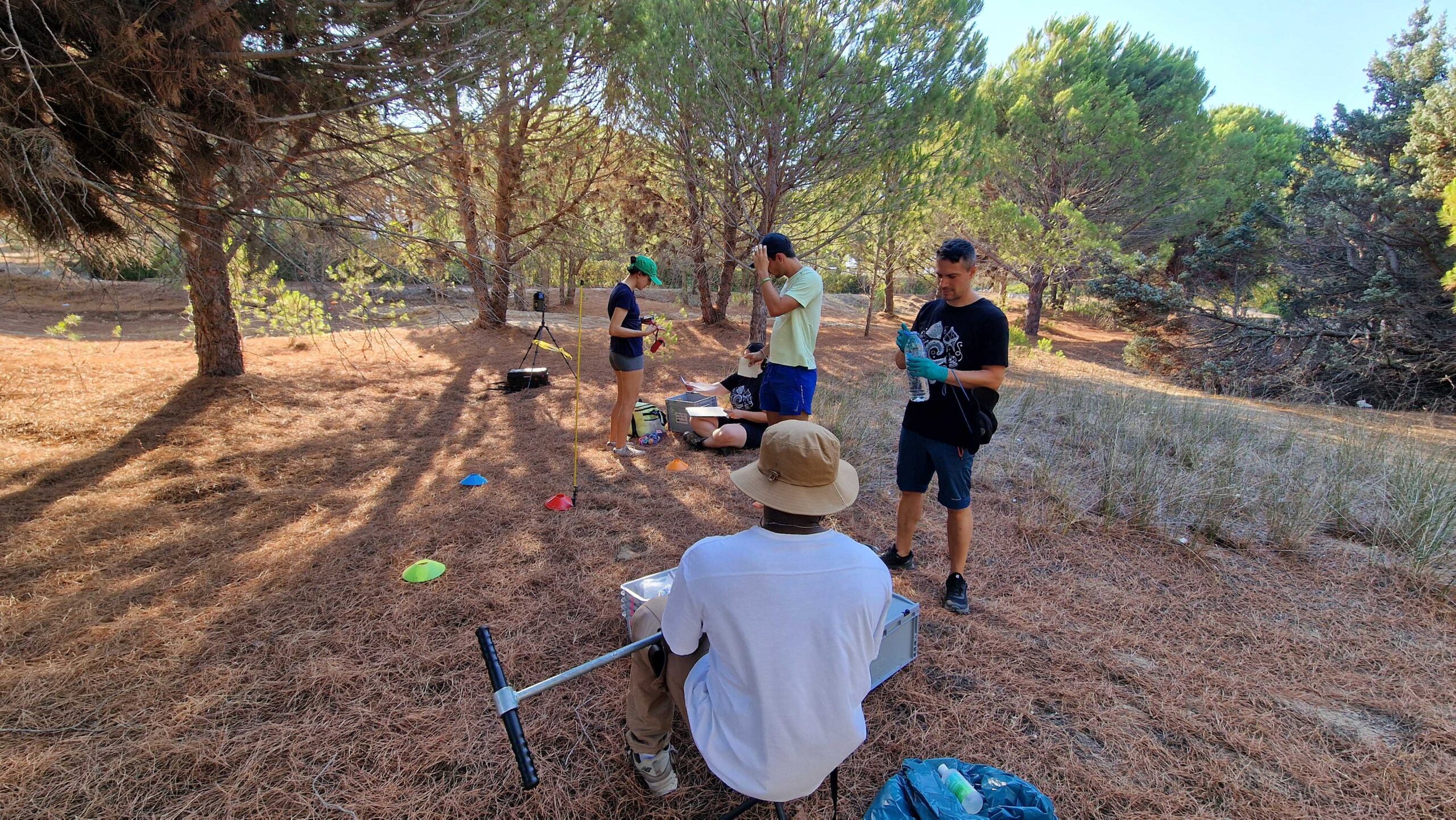
Credit: Thomas Haize / EMBL
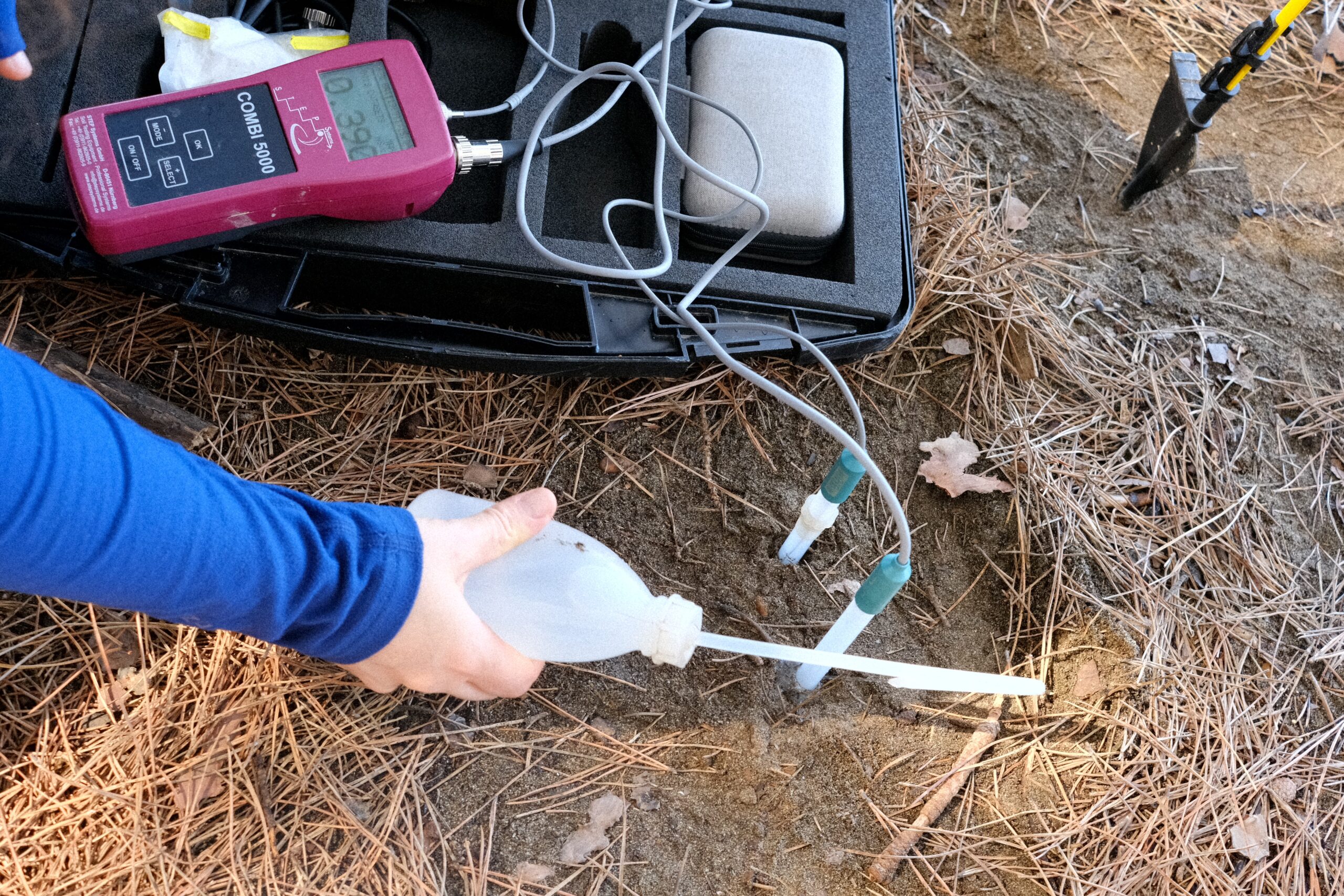
Credit: Lucas Ustick / EMBL
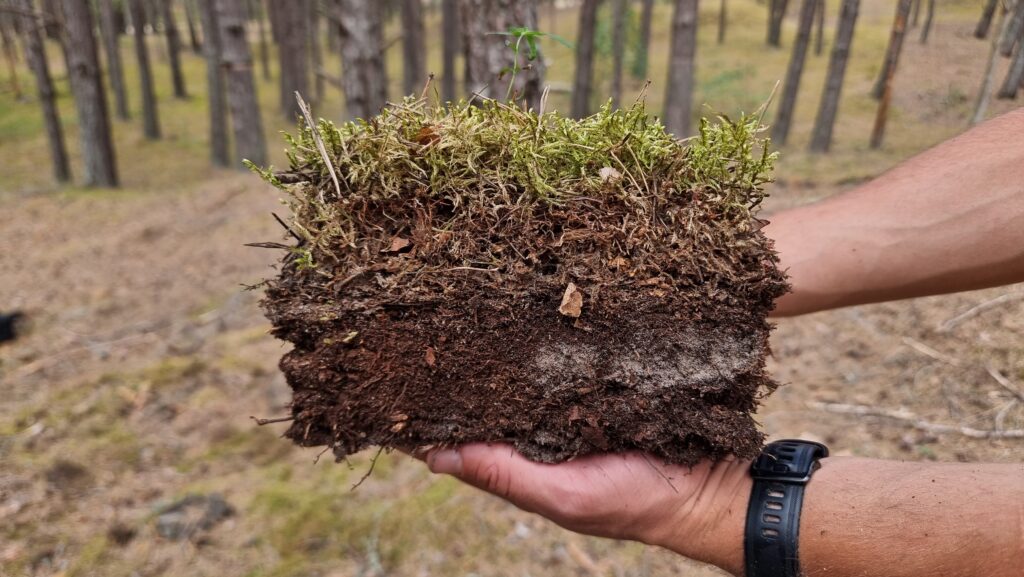
Credit: Joanna Zukowska / EMBL
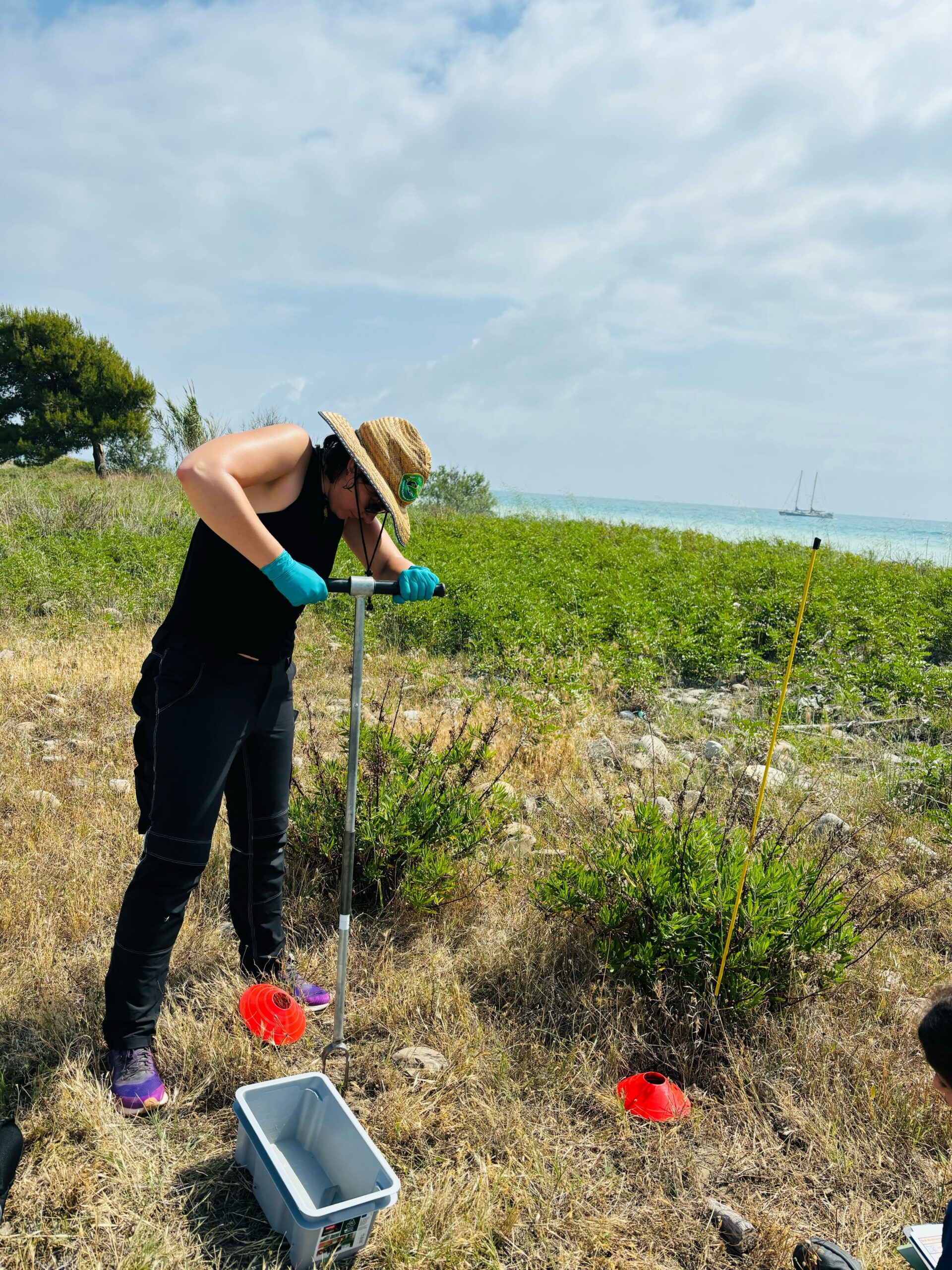
Credit: Anna Mankowski / EMBL
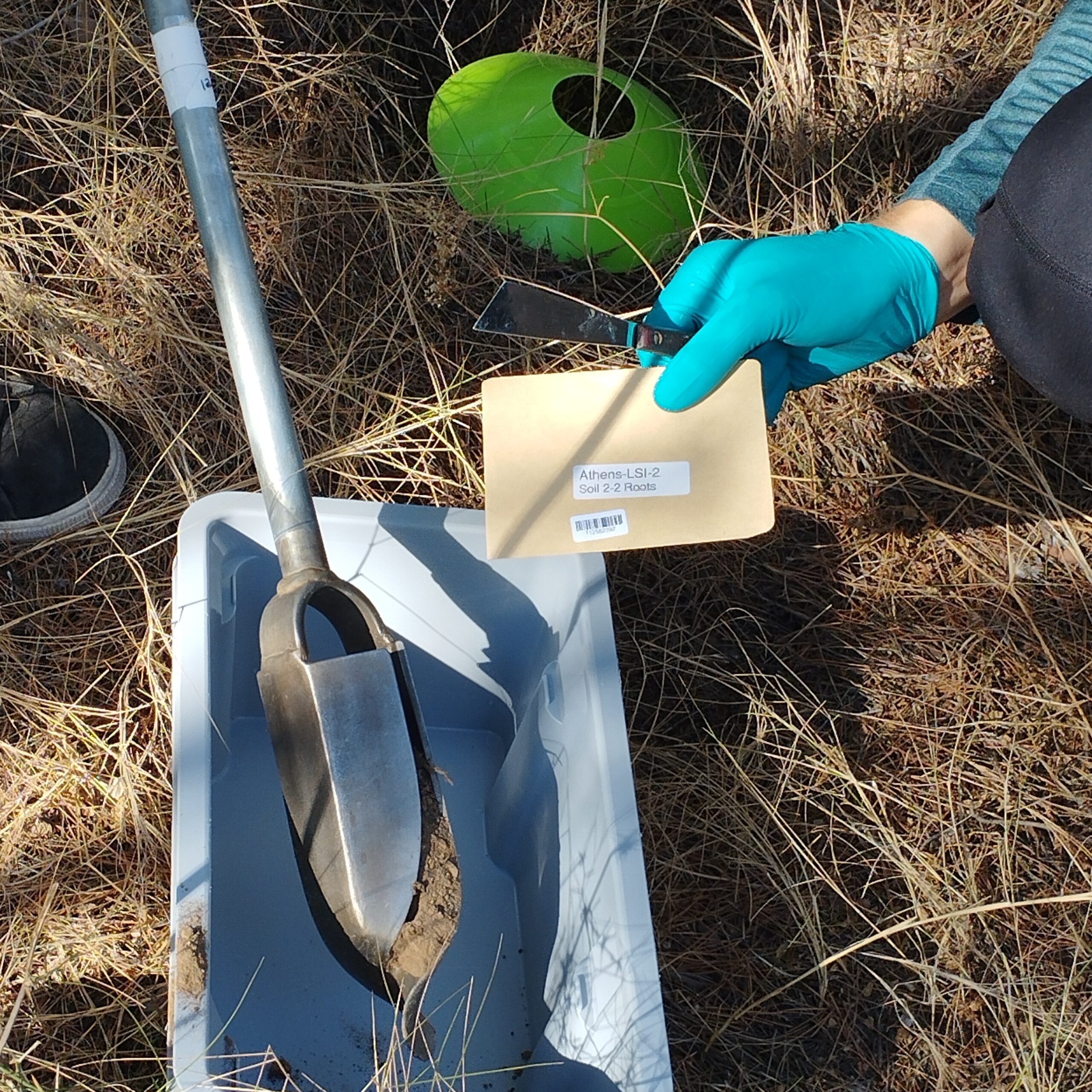
Credit and Copyright: Georgios Kotoulas / HCMR
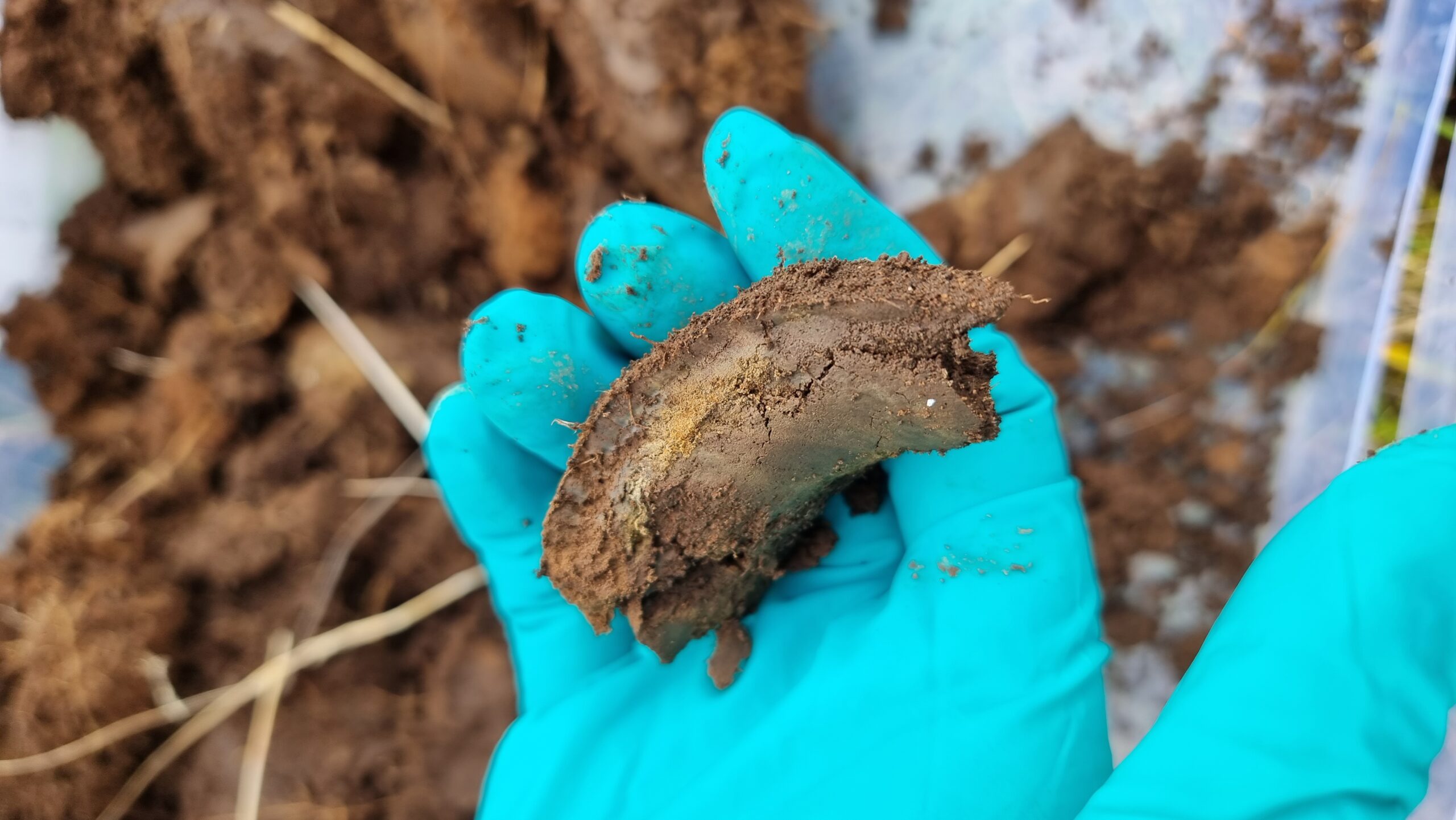
Credit: Joanna Zukowska / EMBL
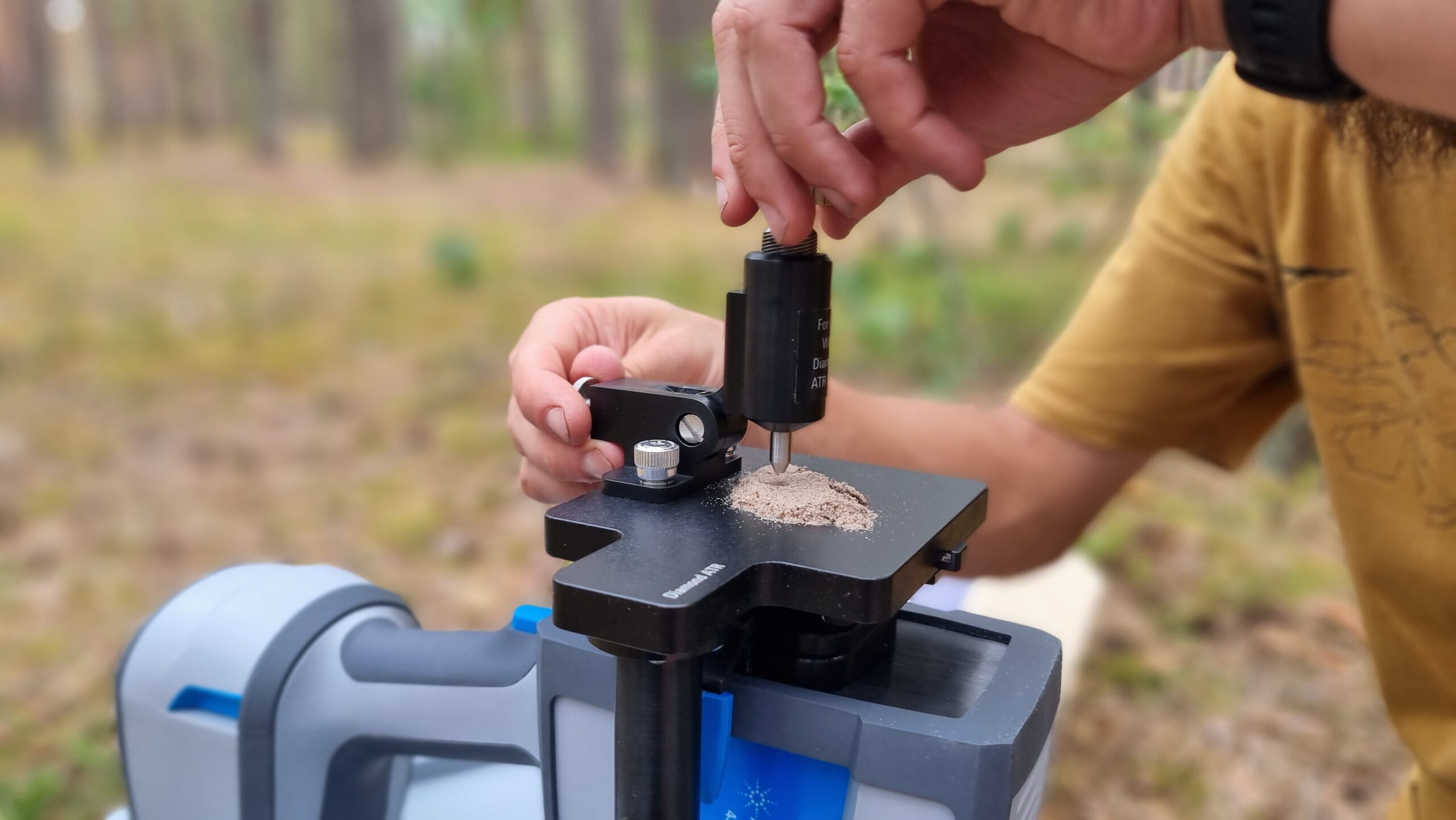
Credit: Joanna Zukowska / EMBL
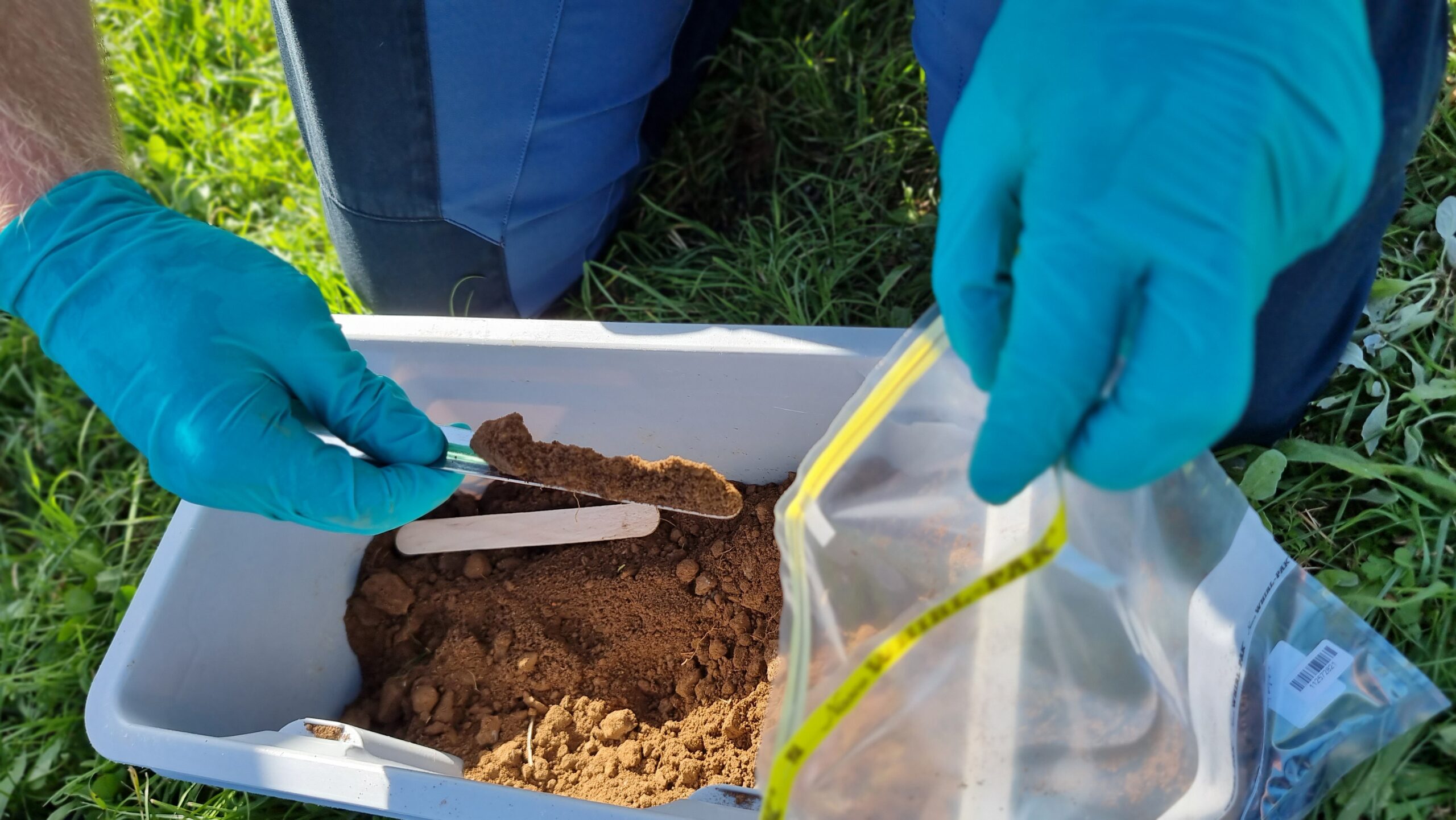
Credit: Joanna Zukowska / EMBL
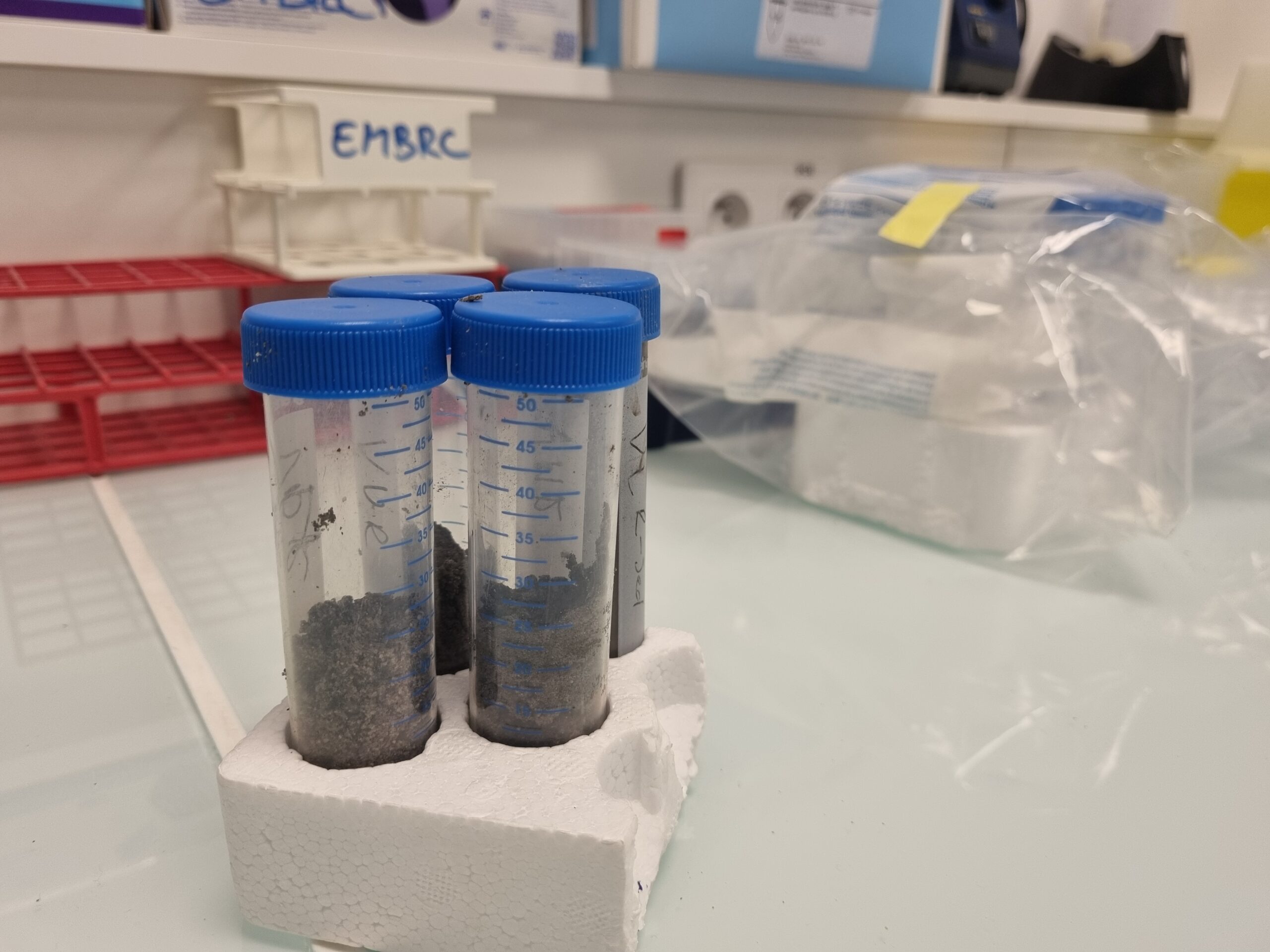
Credit: Mylène André / EMBL
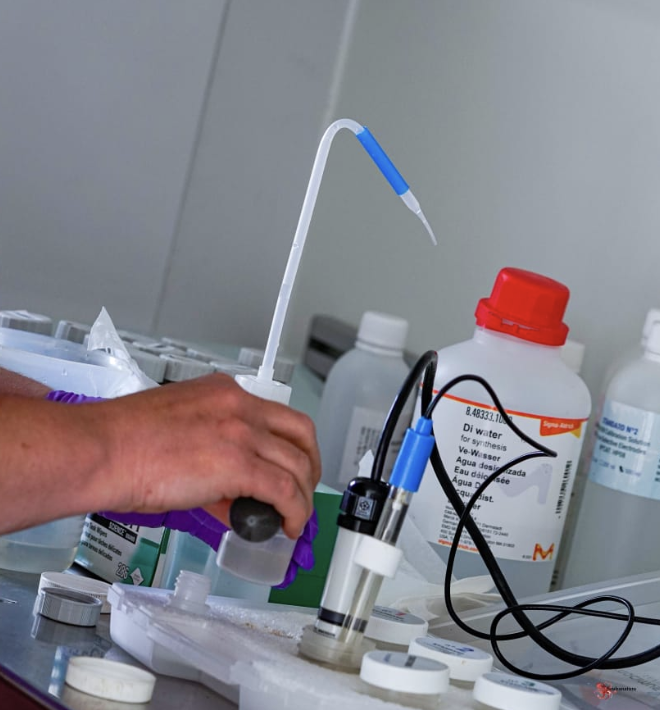
Credit: Thomas Haize / EMBL
About 71% of Earths surface is covered by water, primarily oceans.
Etwa 71% der Erdoberfläche sind mit Wasser bedeckt, vor allem von Ozeanen.
Scientists analyse ocean water to detect organic and inorganic compounds such as pesticides or plastic additives, but also to collect ecological metadata such as salinity, temperature and chemical metabolites.
Wissenschafter*innen analysieren Meerwasser, um organische und anorganische Verbindungen wie Pestizide oder Plastikzusätze nachzuweisen, aber auch, um ökologische Metadaten wie Salzgehalt, Temperatur und chemische Metabolite zu erfassen.
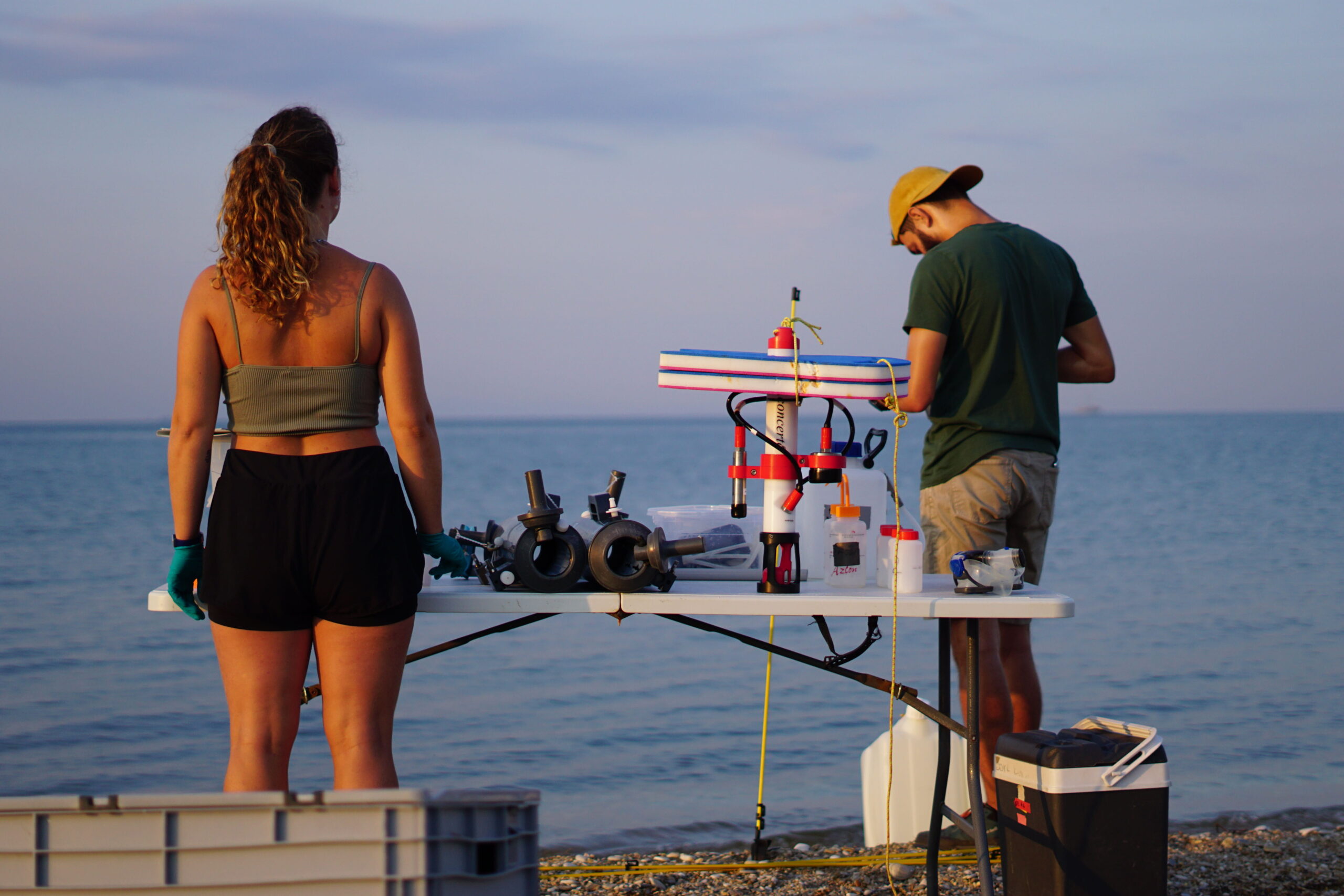
Credit: Jonas Richter / EMBL
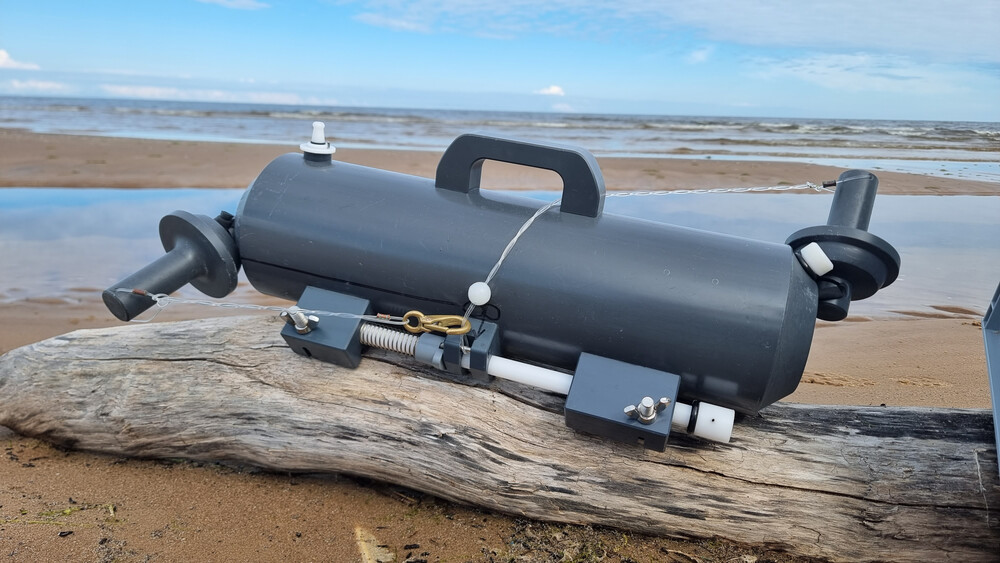
Credit: Joanna Zukowska / EMBL
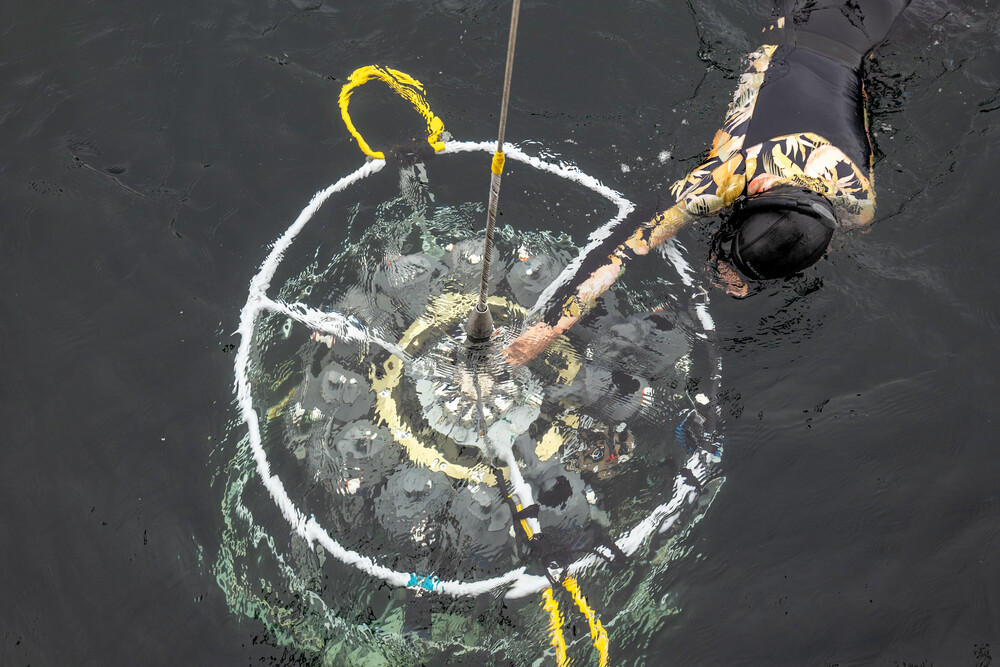
Credit and Copyright: Maéva Bardy / Foundation Tara Océan
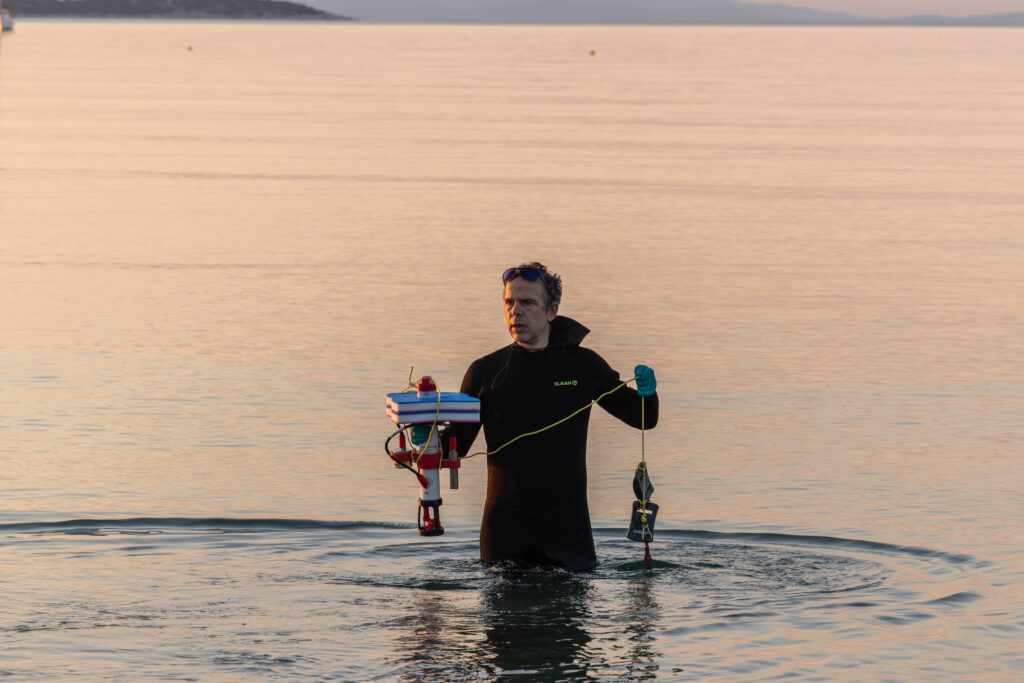
Credit: Kinga Lubowiecka / EMBL
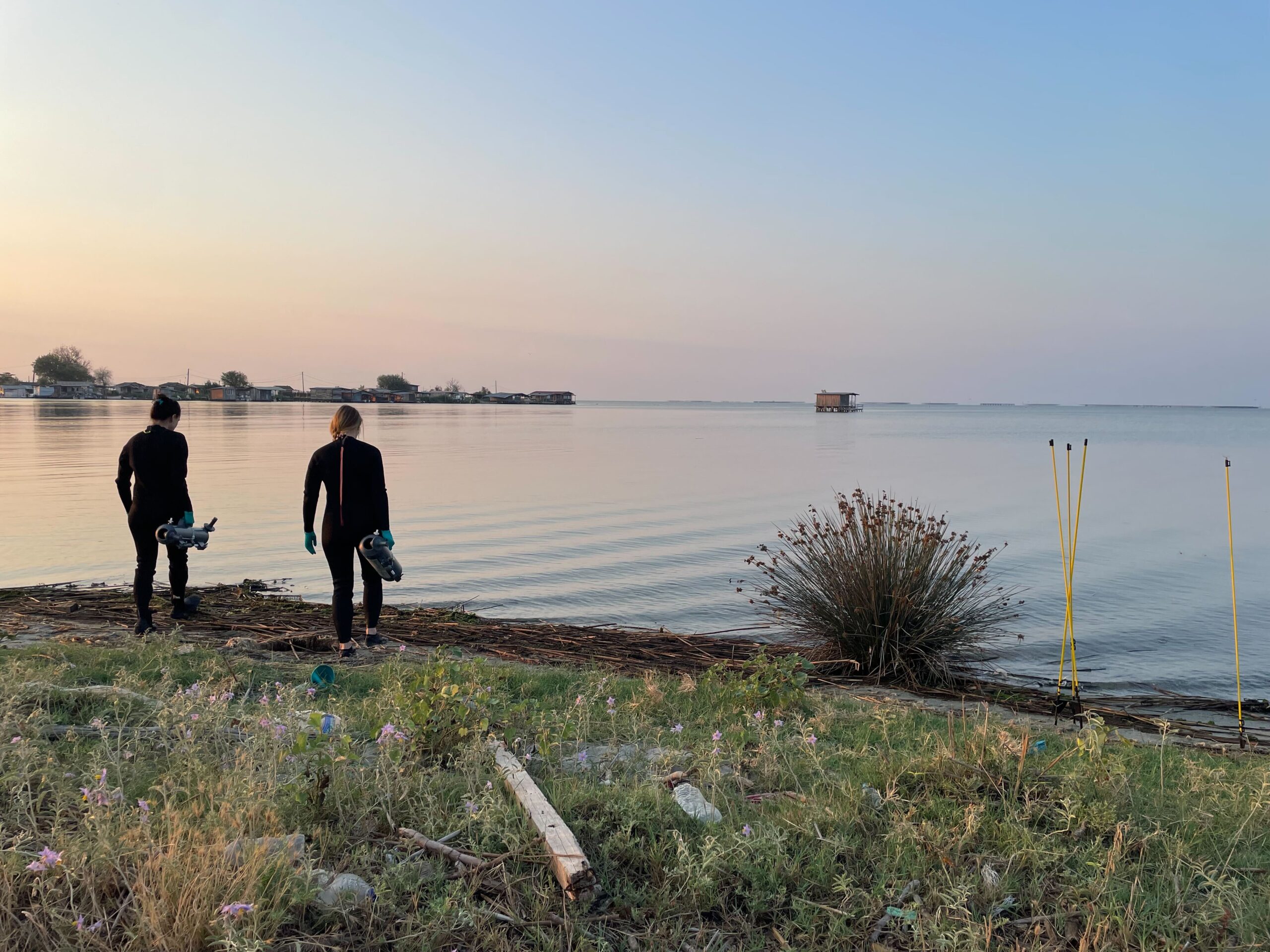
Credit: Tina Enders / EMBL
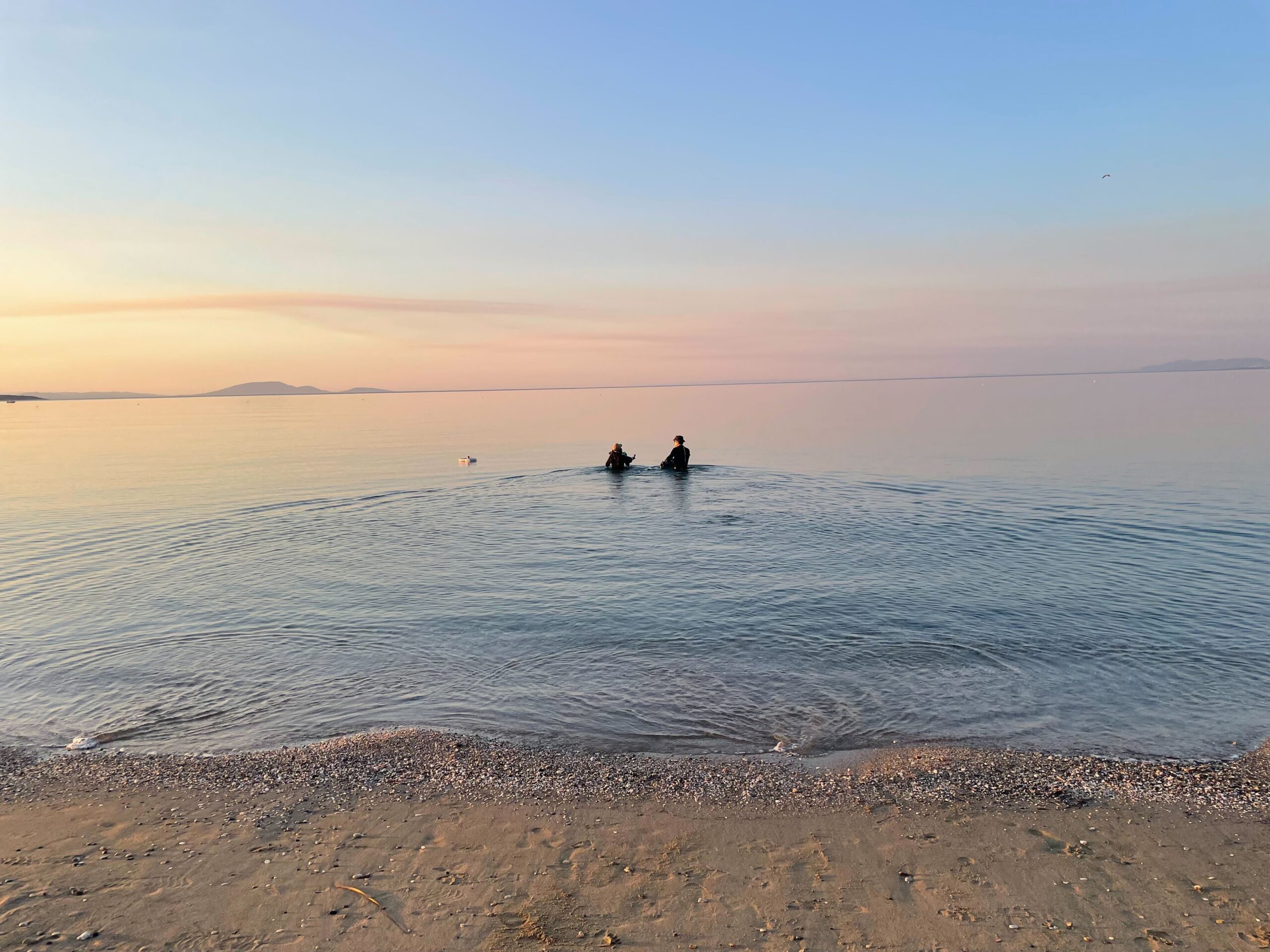
Credit: Tina Enders / EMBL
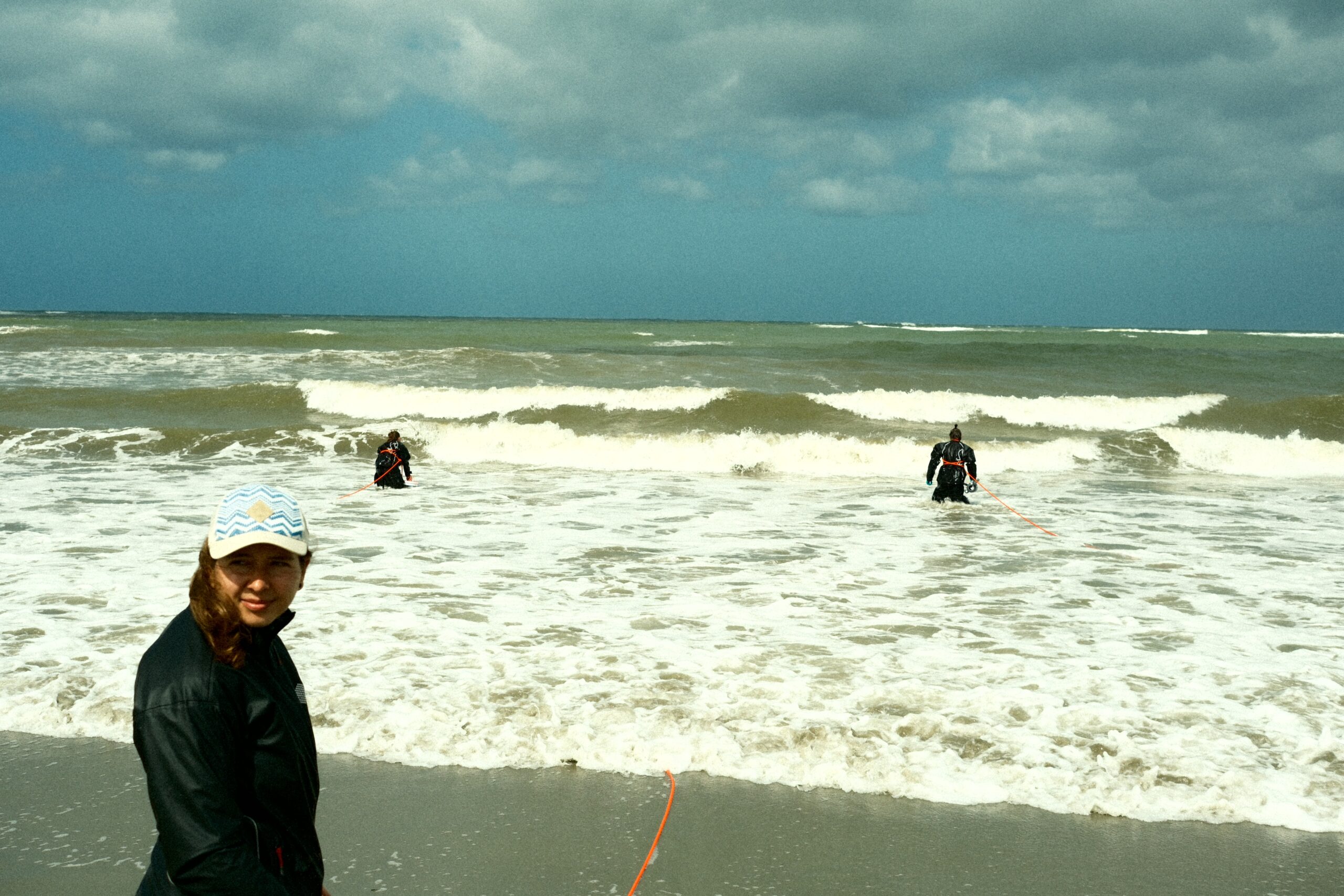
Credit: Lucas Ustick / EMBL
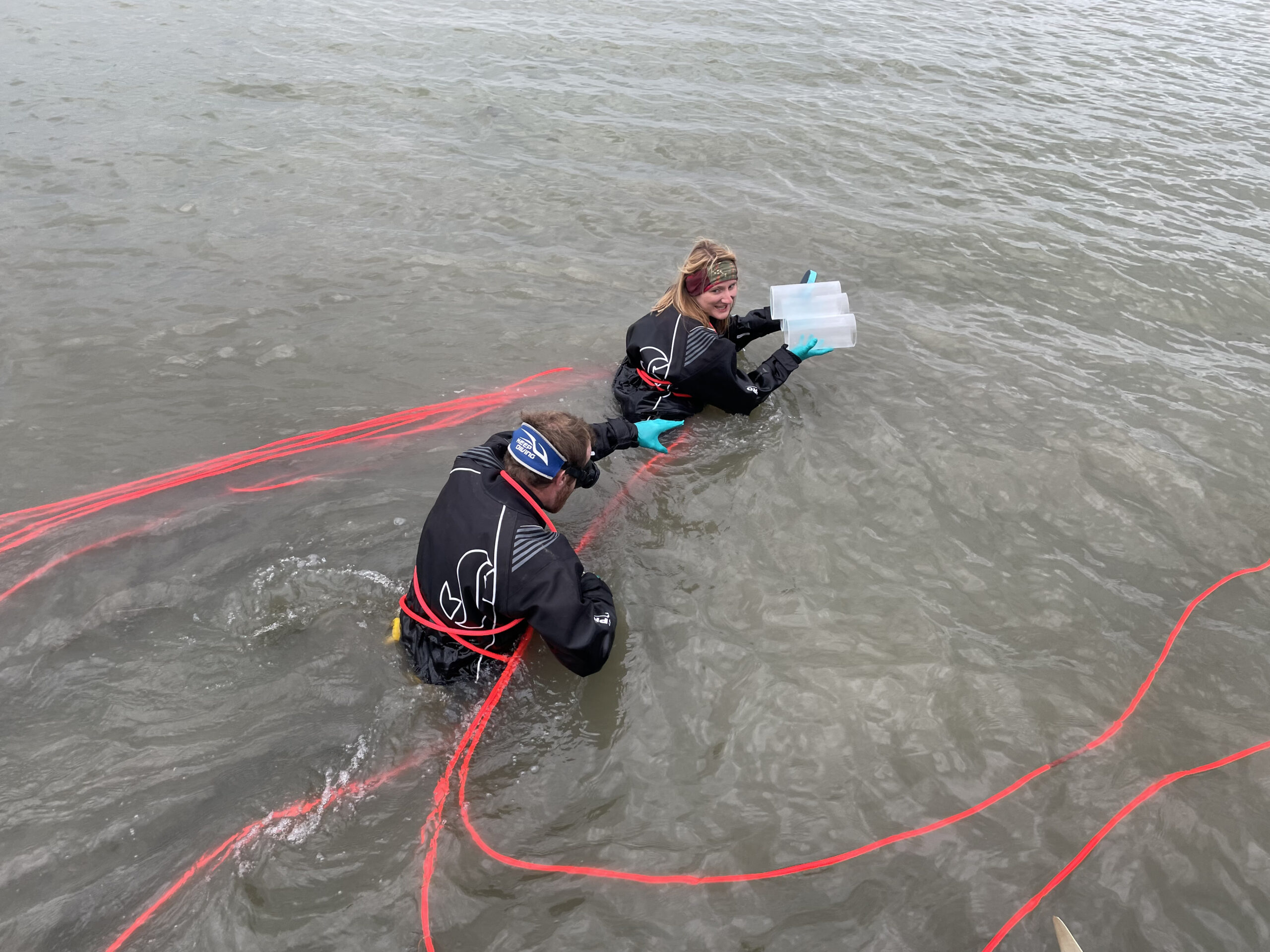
Credit: Elisa Merz / EMBL
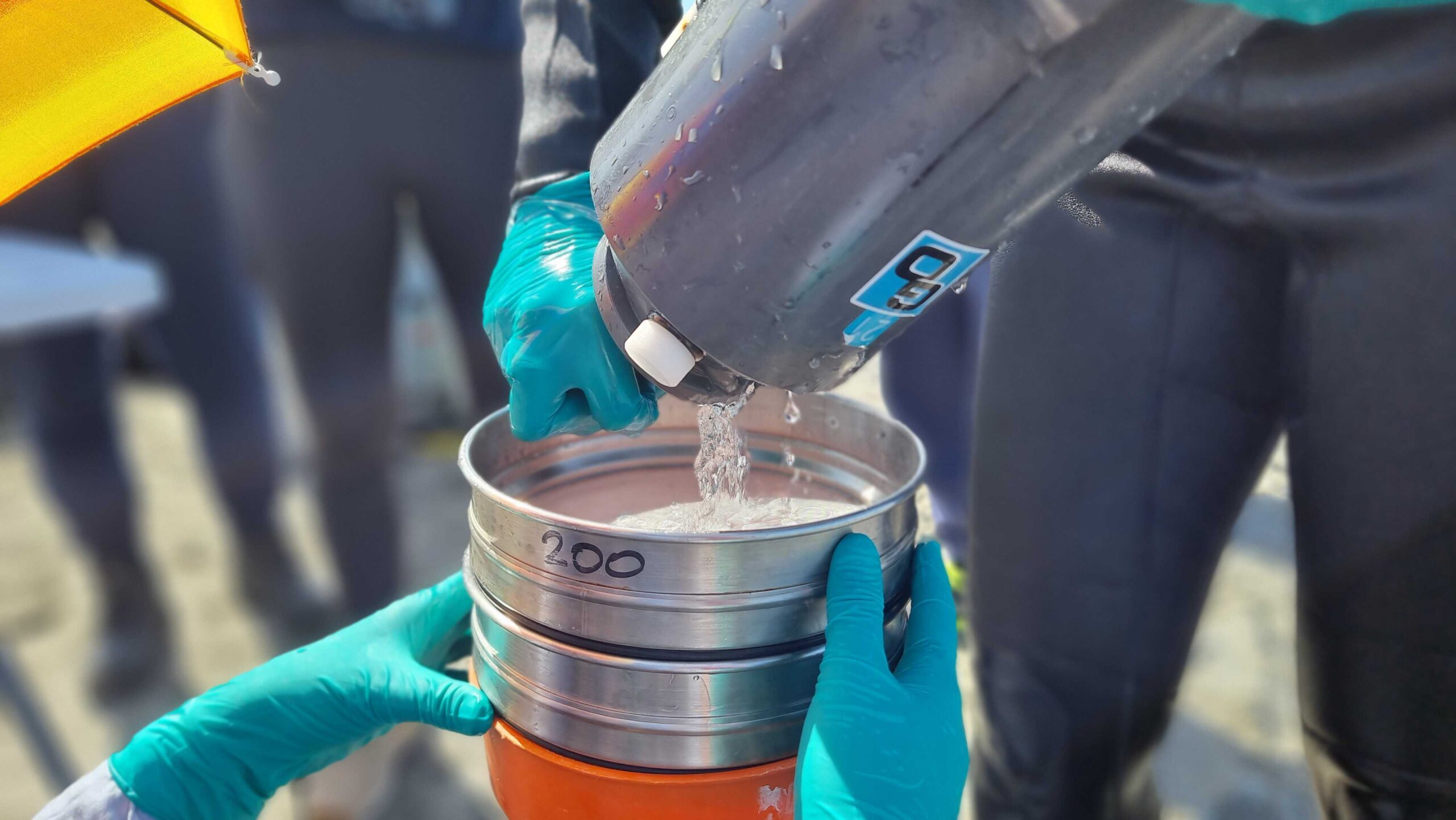
Credit: Joanna Zukowska / EMBL
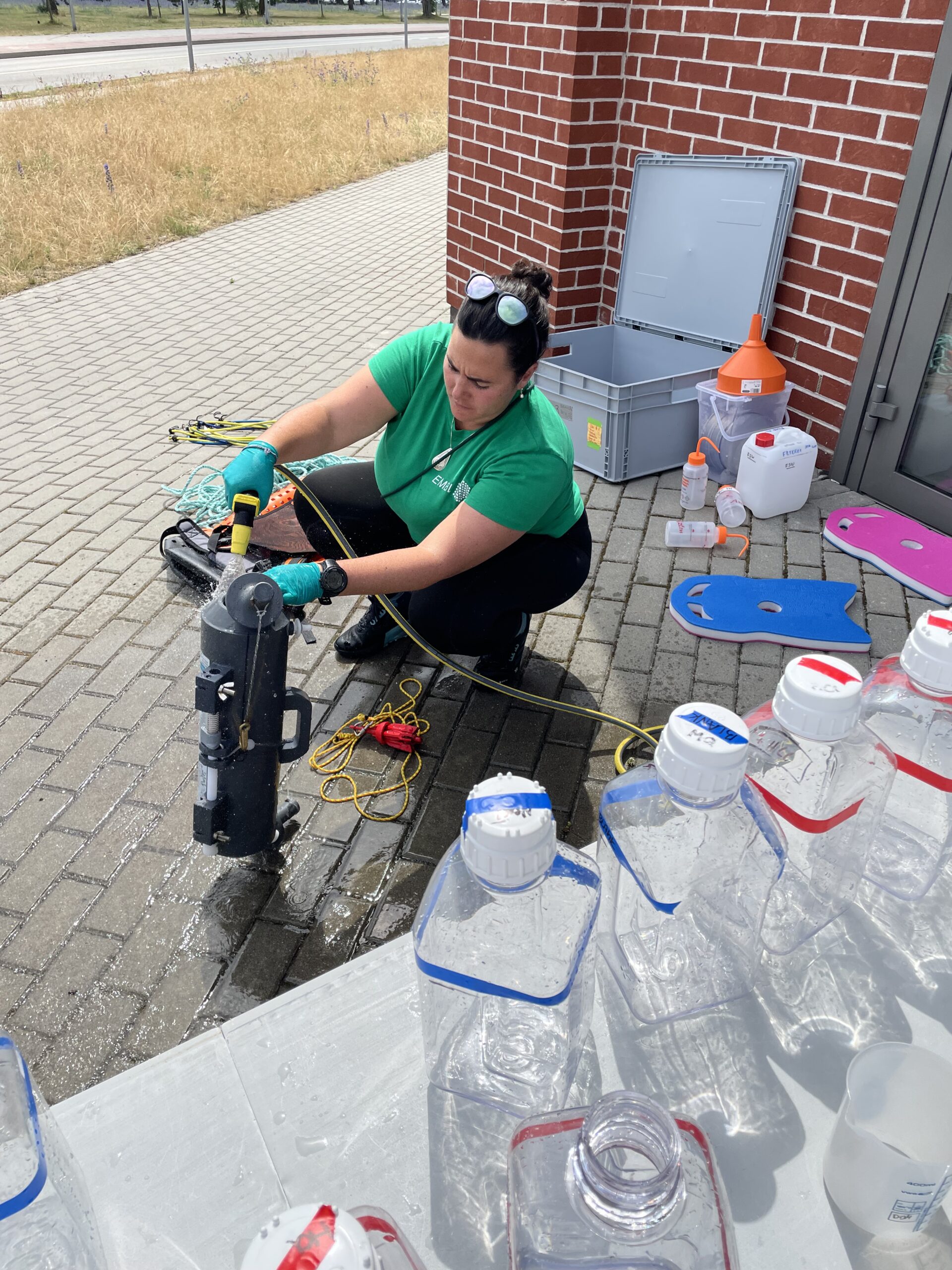
Credit: Tina Enders / EMBL
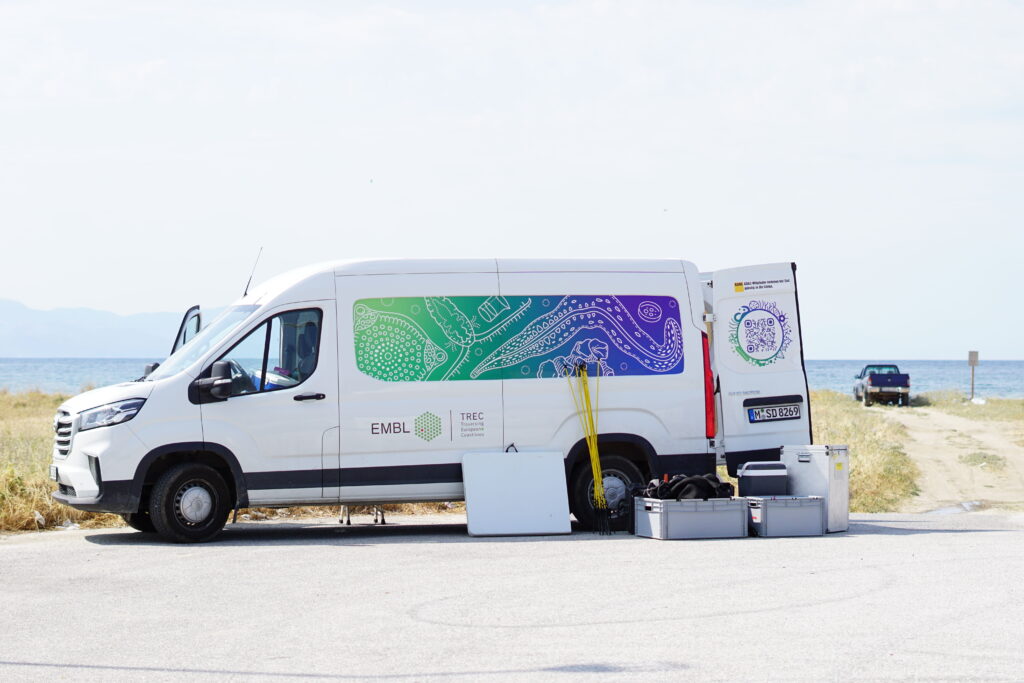
Credit: Jonas Richter / EMBL
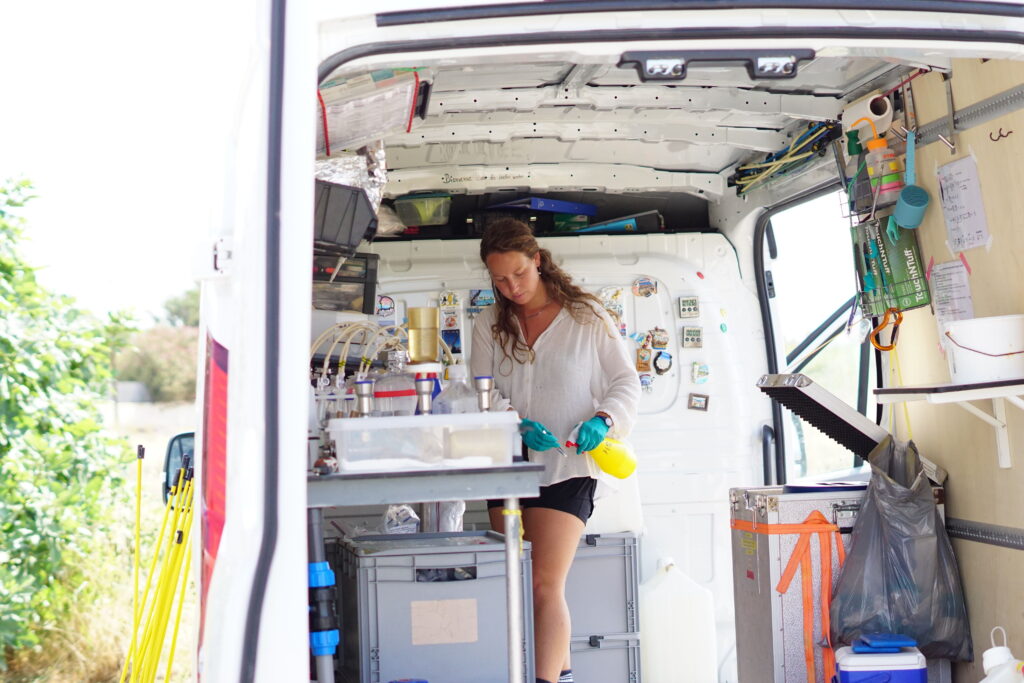
Credit: Jonas Richter / EMBL
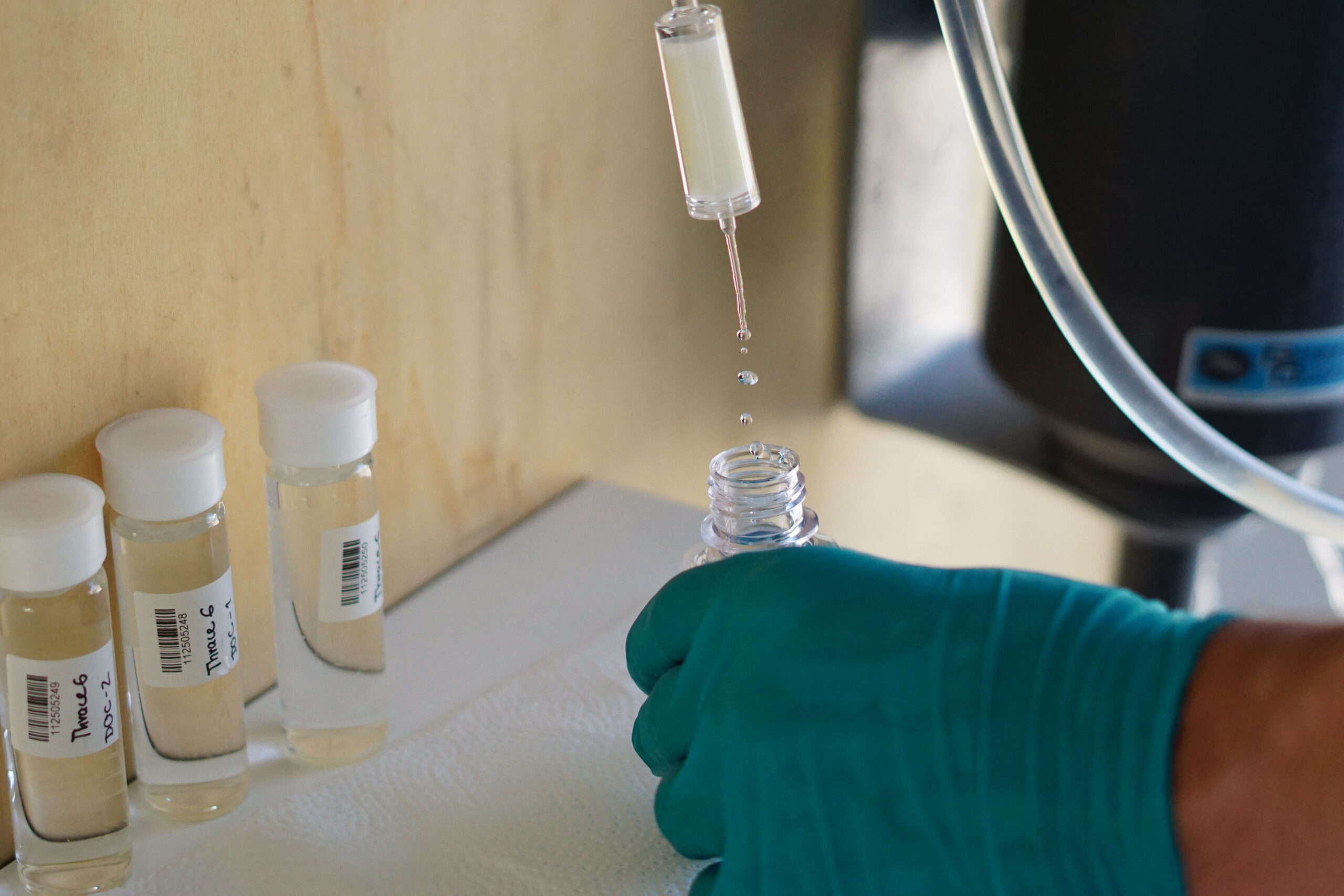
Credit: Jonas Richter / EMBL
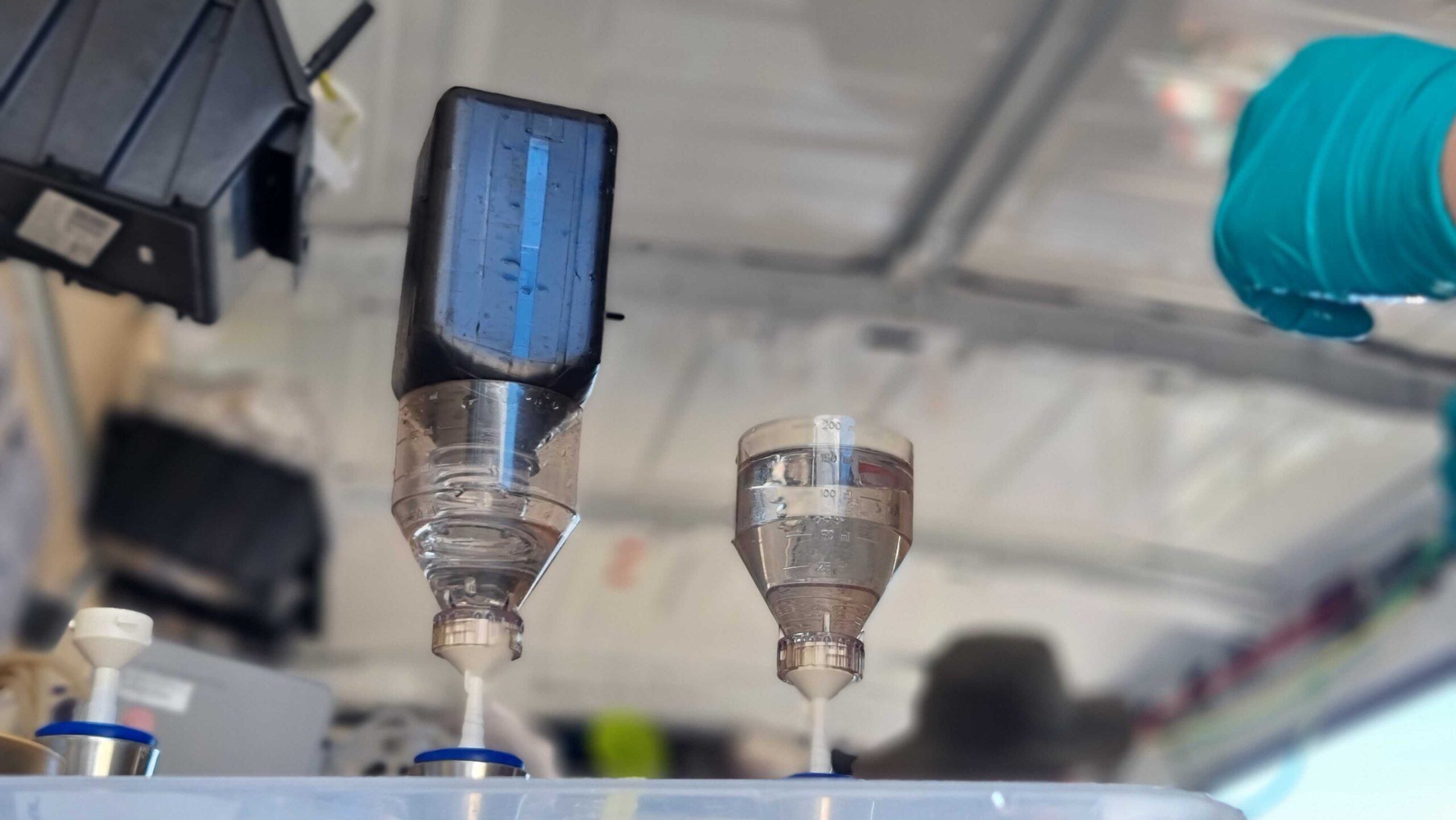
Credit: Joanna Zukowska / EMBL
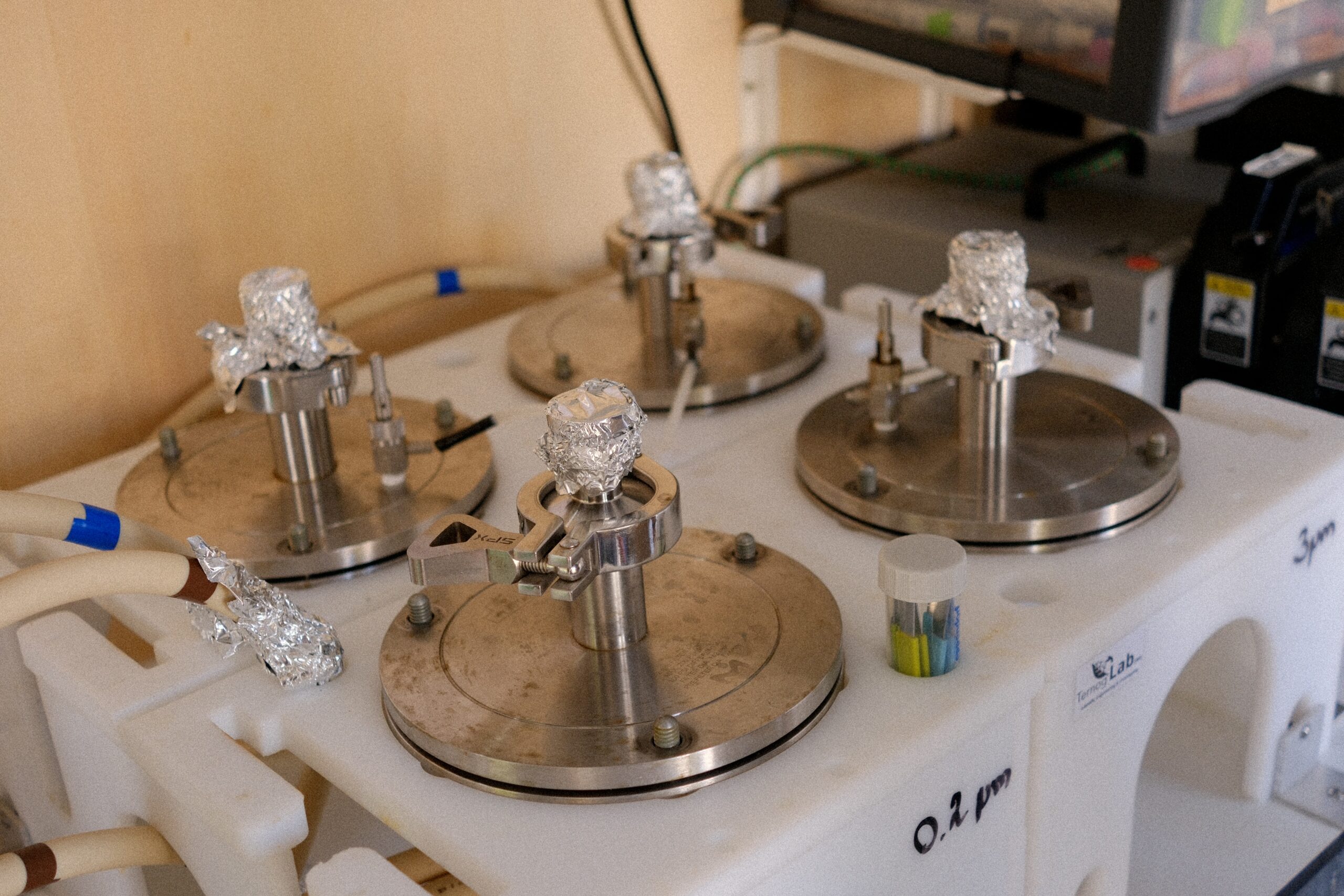
Credit: Lucas Ustick / EMBL
Plankton are tiny plants and animals that float in the water column. They play an important role in marine food webs and ecosystems and are therefore interesting to study.
Plankton sind winzige Pflanzen und Tiere, die in der Wassersäule schweben. Sie spielen eine wichtige Rolle in den Nahrungsketten und Ökosystemen der Meere und sind daher interessante Studienobjekte.
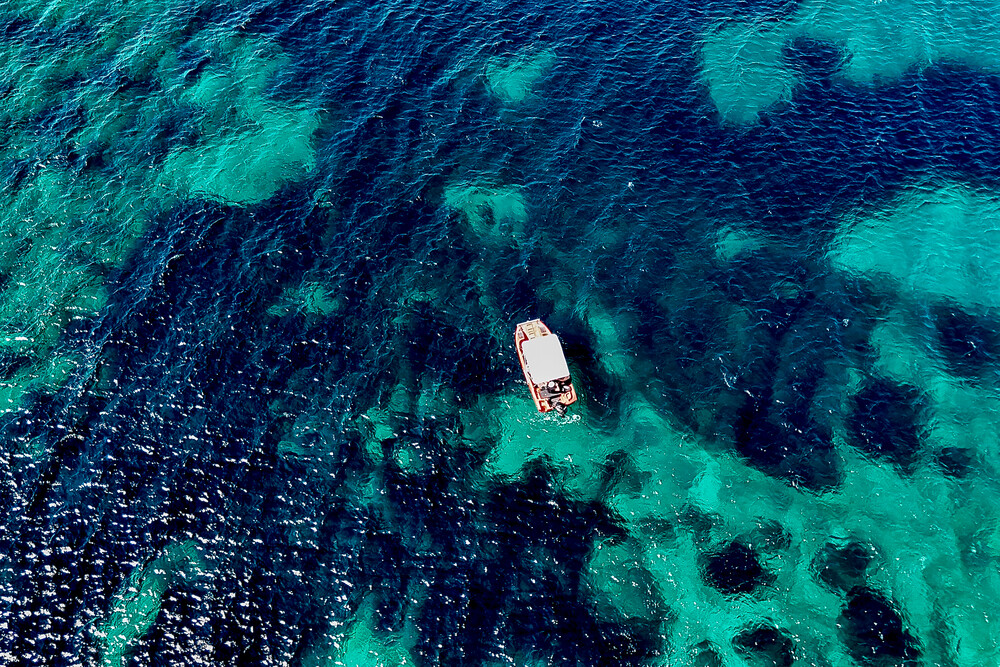
Credit: Kinga Lubowiecka / EMBL
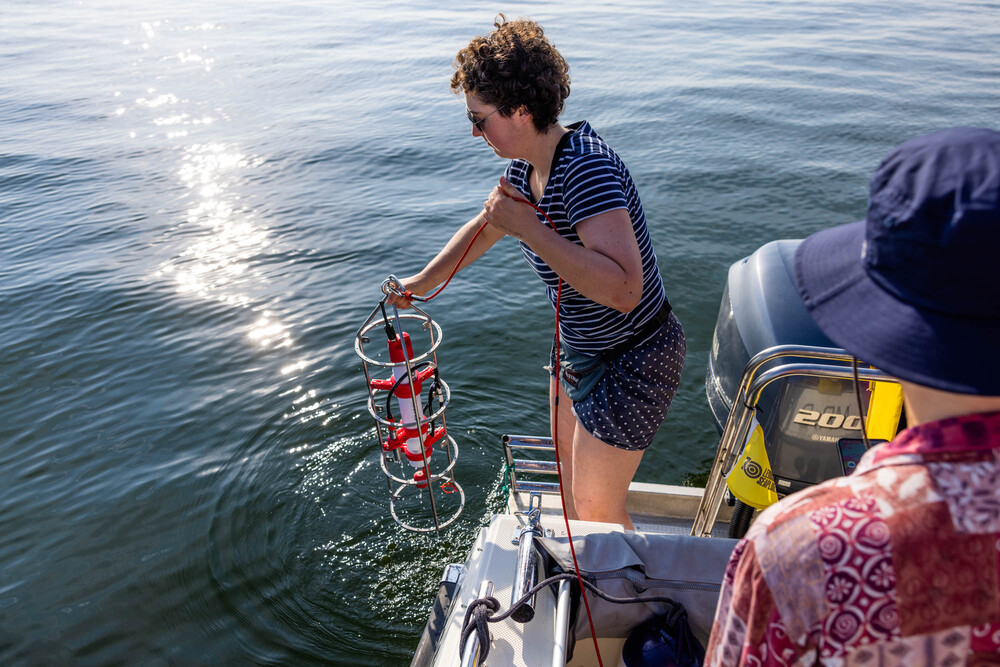
Credit: Kinga Lubowiecka / EMBL
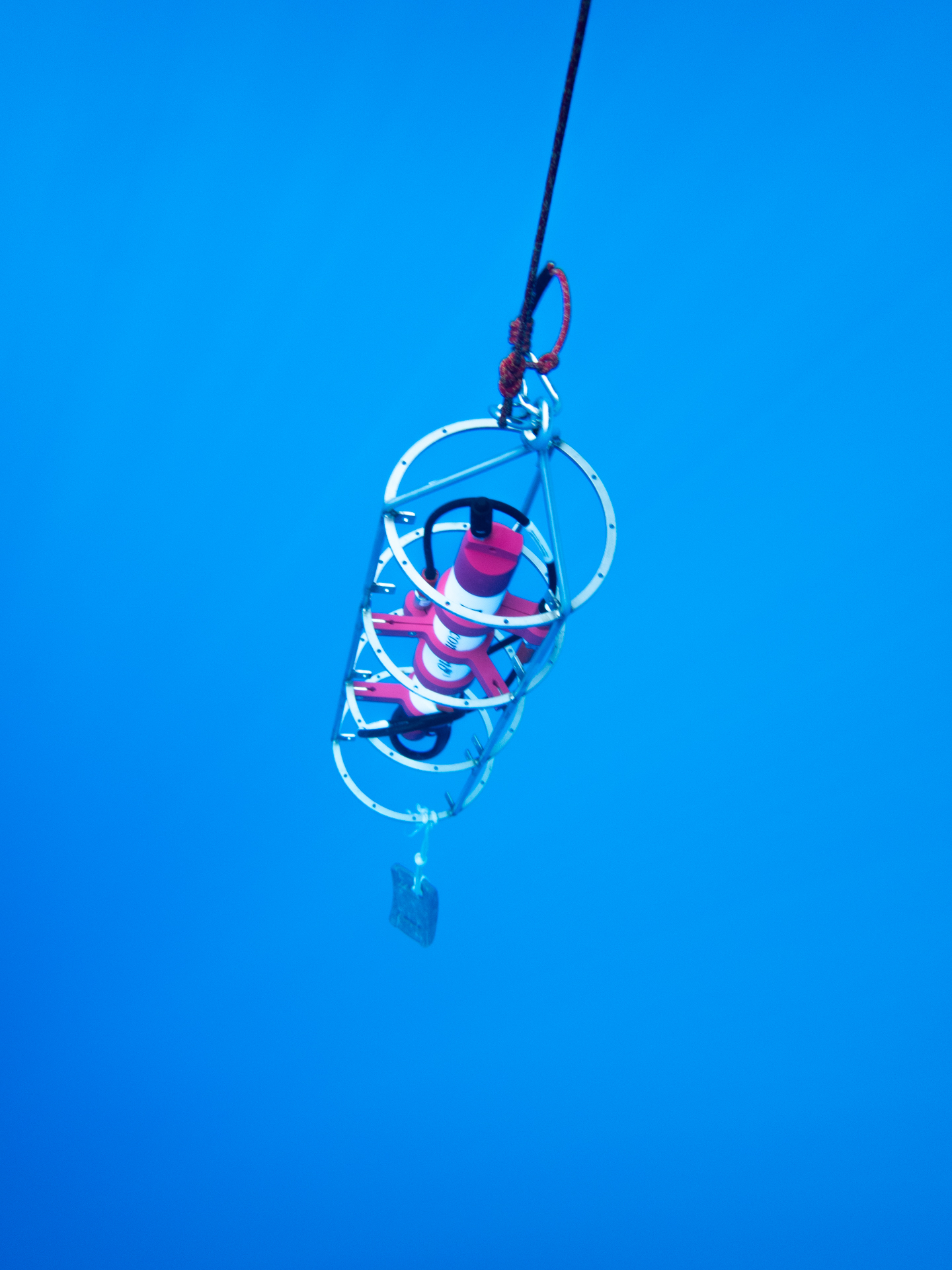
Credit: Nikolaus Leisch / EMBL
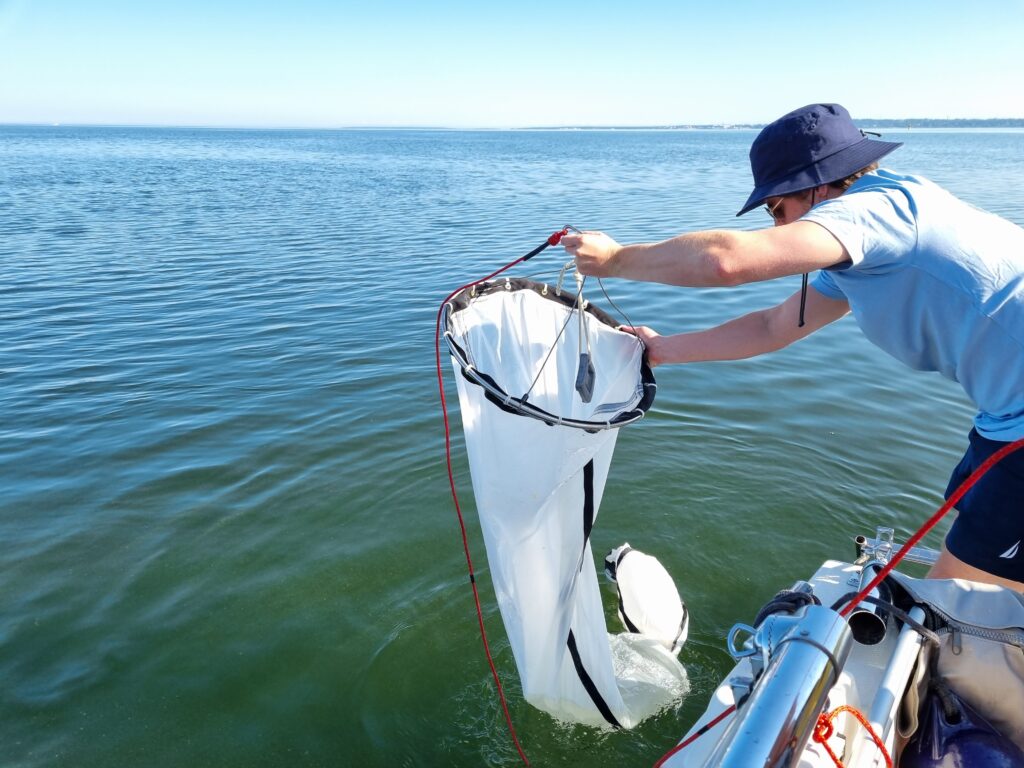
Credit: Rossana De Lorenzi / EMBL
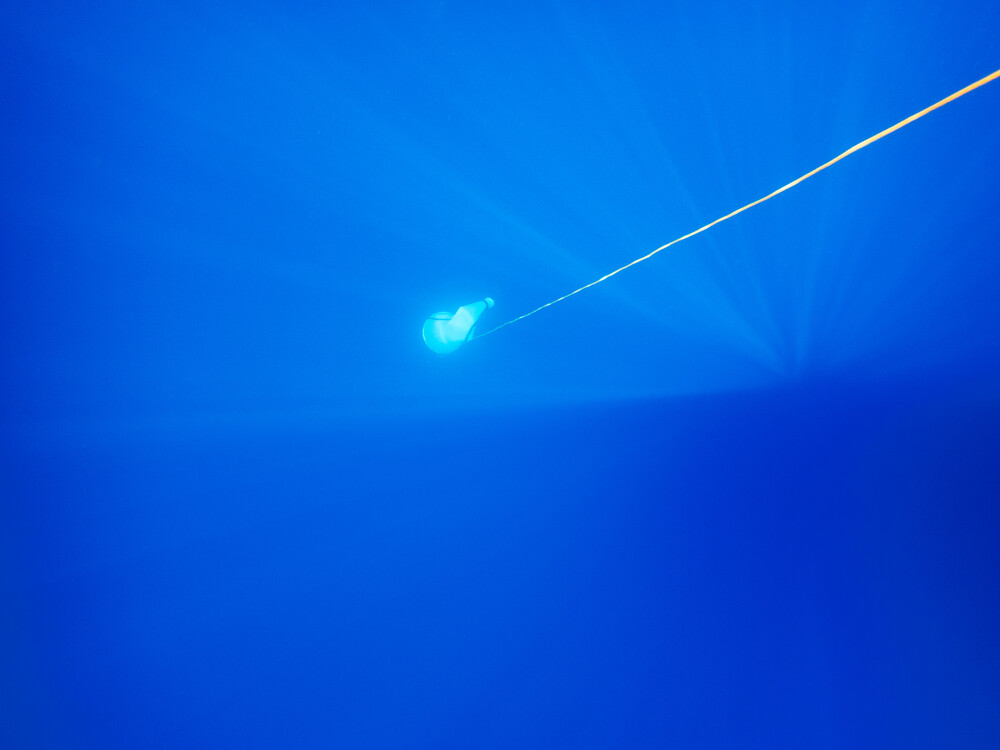
Credit: Nikolaus Leisch / EMBL
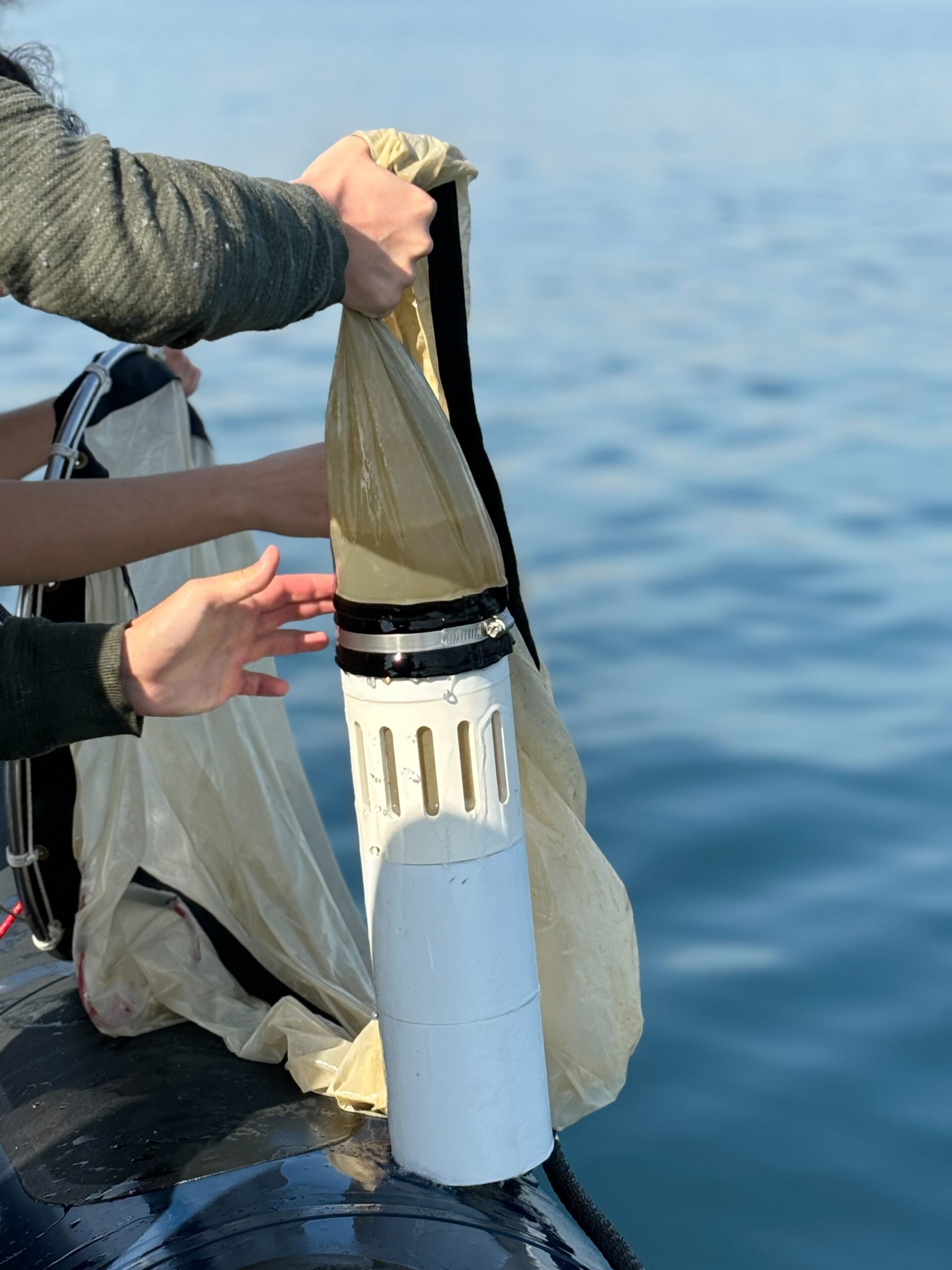
Credit: Felix Mikus / EMBL
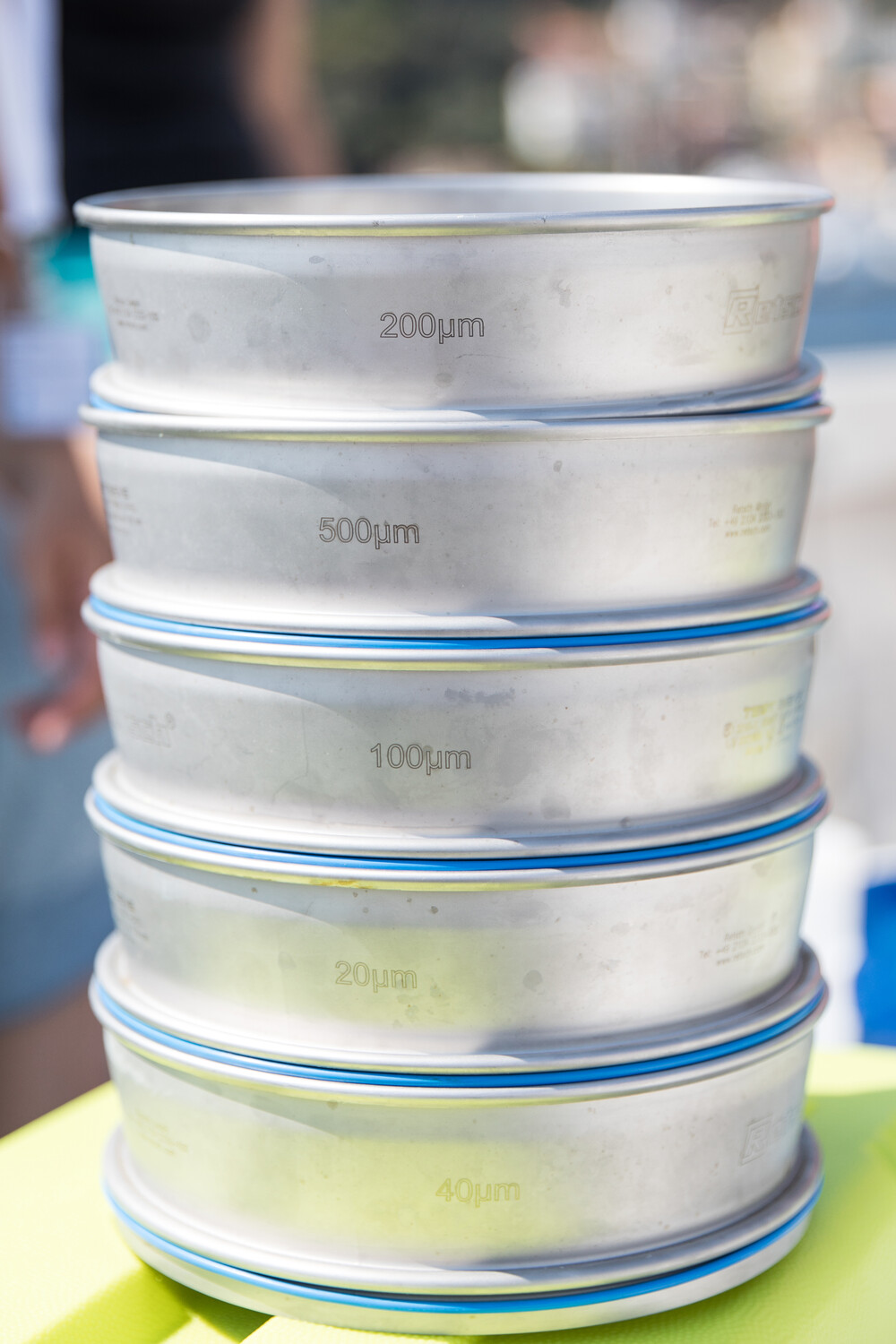
Credit: Paola Bertucci / EMBL
Credit: Kinga Lubowiecka / EMBL
Credit: Massimo del Prete / EMBL
Credit: Kinga Lubowiecka / EMBL
Credit: Kinga Lubowiecka / EMBL
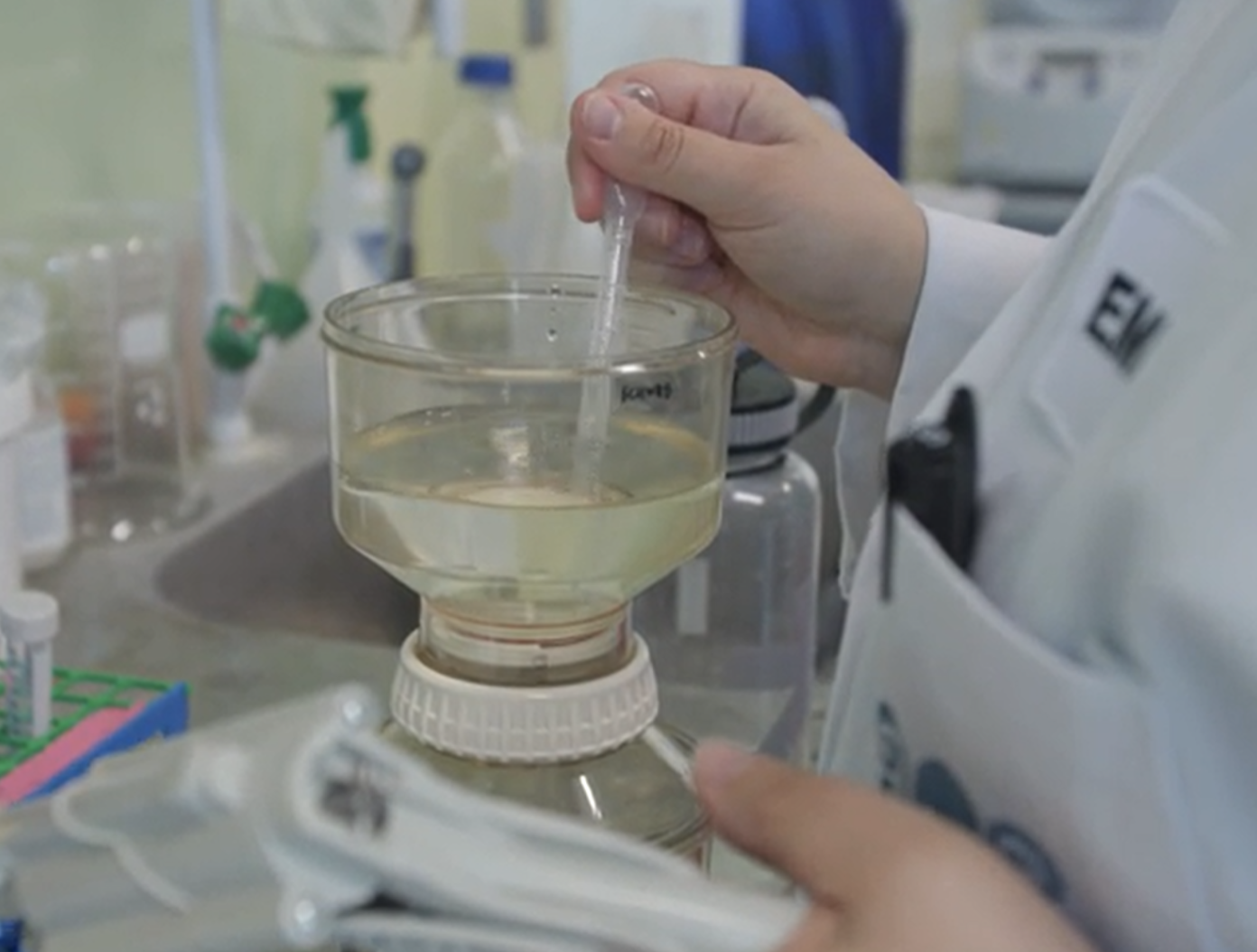
Credit: Andrea Capranico / EMBL
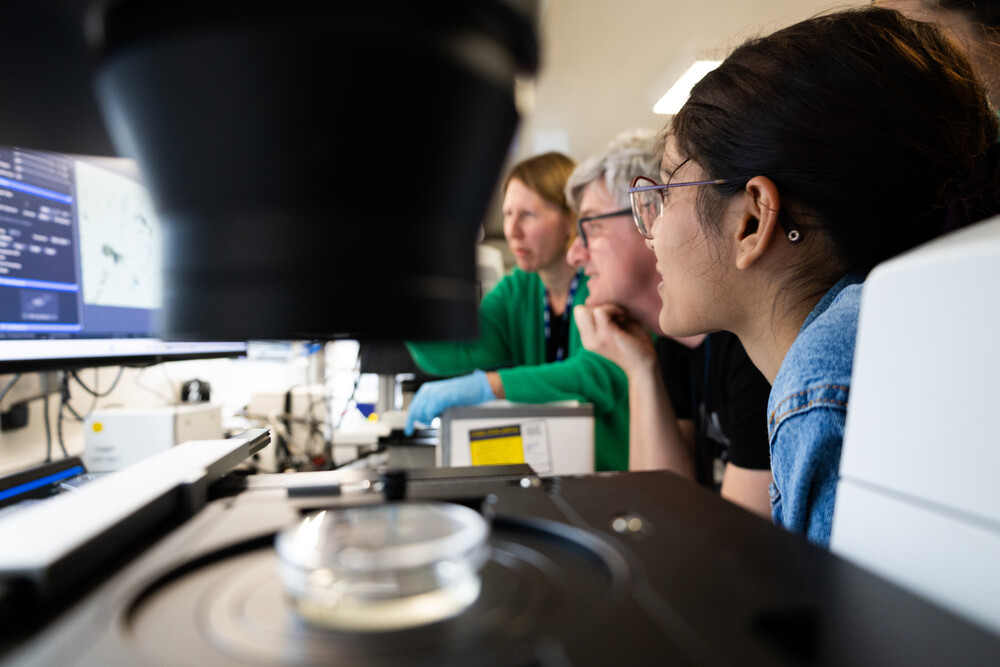
Credit: Nikolaus Leisch / EMBL
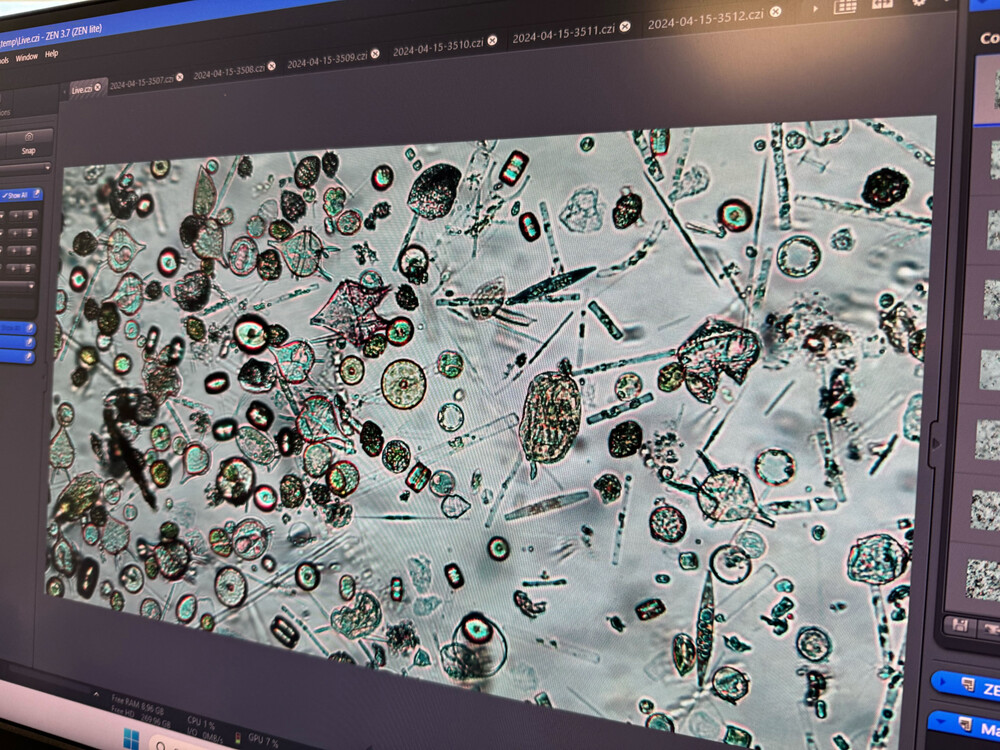
Credit: Michael Bonadonna / EMBL
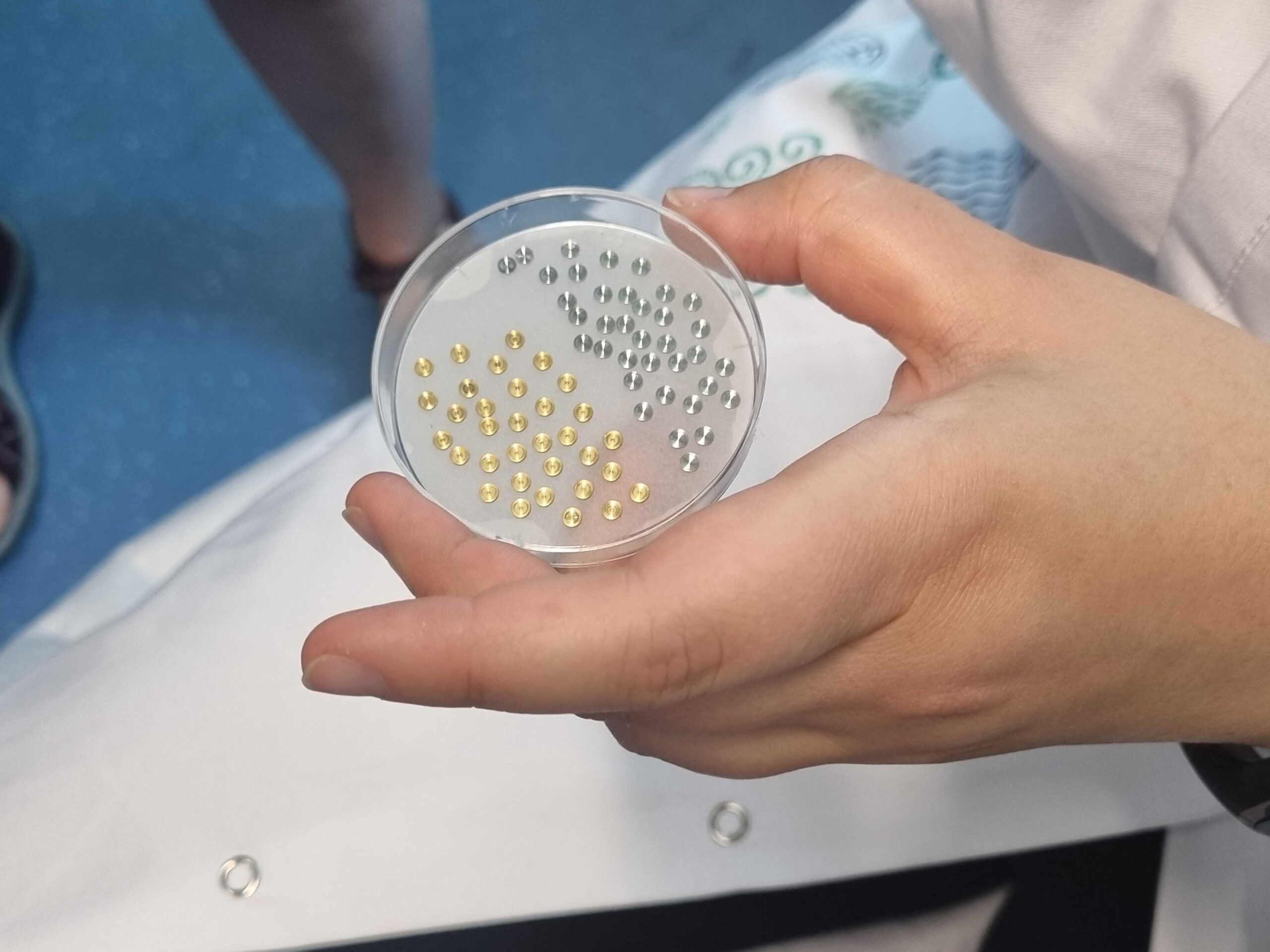
Credit: Rossana De Lorenzi / EMBL
Credit: Stuart Ingham / EMBL
Credit: Andrea Capranico / EMBL
Credit: Massimo del Prete / EMBL
Credit: Andrea Capranico / EMBL
Credit: Massimo del Prete / EMBL