Eileen Furlong
Head of Genome Biology Unit
EditProbing the smallest building blocks of life to understand their role in cells and beyond
Through its new Programme, EMBL research will delve into cellular function and subcellular components to systematically determine how responses to a changing environment are mediated at the molecular level.
EMBL’s investigation of molecular building blocks of life will expand to incorporate an understanding of the impact of systematic and controlled environmental changes on molecules, their modifications, and the macromolecular complexes they form, as well as on subcellular structure.
This Research Theme has three key aims:
“Building on EMBL’s extensive expertise in structural, cell, and genome biology, we can approach molecular building blocks in new ways, to better understand the intricate molecular machines that make cells work, ultimately shaping everything from our development to diseases. EMBL has the technologies, expertise, and scientific culture to approach these questions in original, exciting ways to fundamentally re-shape the way we think about how life works.”
Head of Genome Biology Unit
Edit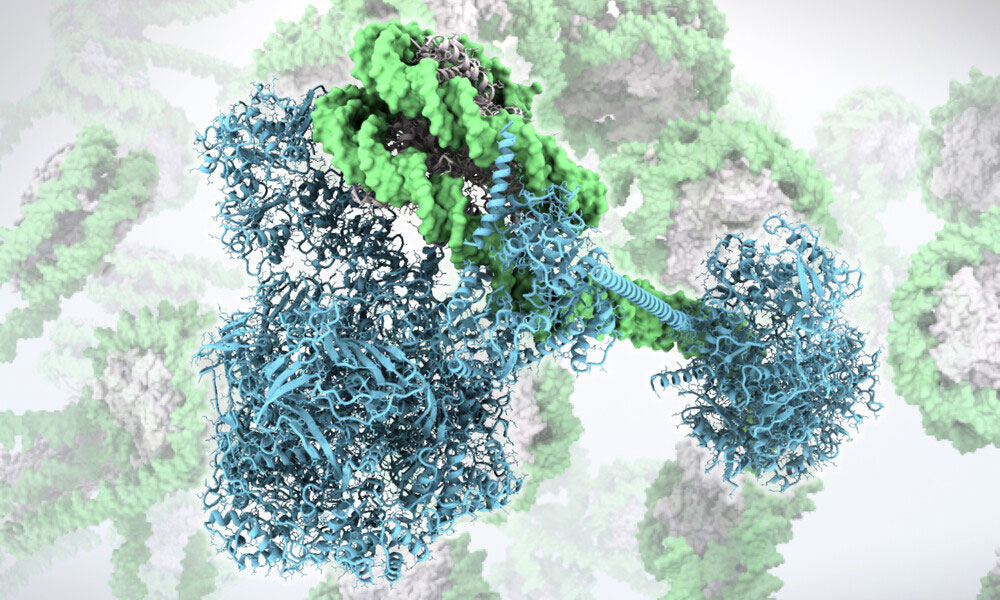
Eileen Furlong
Head of Genome Biology Unit, EMBL Heidelberg
Jamie Hackett
Group Leader, EMBL Rome
Christoph Müller
Head of Structural and Computational Biology Unit, EMBL Heidelberg
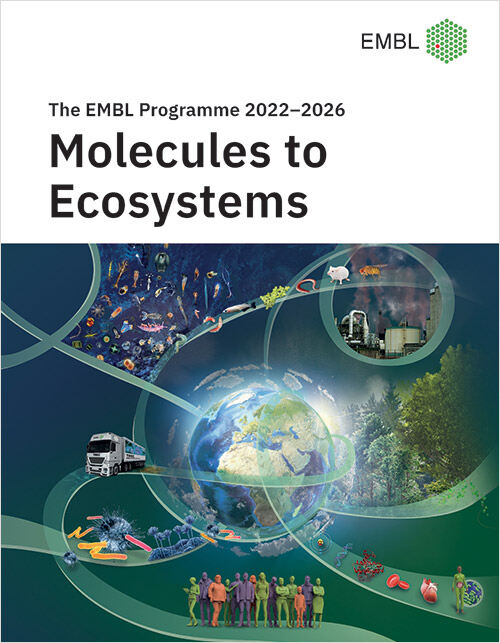
From exploring the molecular components inside a cell to studying whole populations and ecosystems, EMBL scientists will explore these different scales through eight research themes that foster collaborative, multidisciplinary research.
Learn more about the technologies referred to in the EMBL Programme (pdf)
EMBL’s vision is to advance understanding of ecosystems at the molecular level and study life in context. The result will be fundamental research that expands what we know about life on earth and provides the means to address major global challenges.
This new Programme will expand EMBL’s scope to study the molecular basis of life in the context of changing environments, transforming our understanding of life on earth and informing potential solutions for some of society’s biggest challenges, such as irreversible loss of biodiversity, antimicrobial resistance, pollution, climate change, food security, and emergent pathogens.